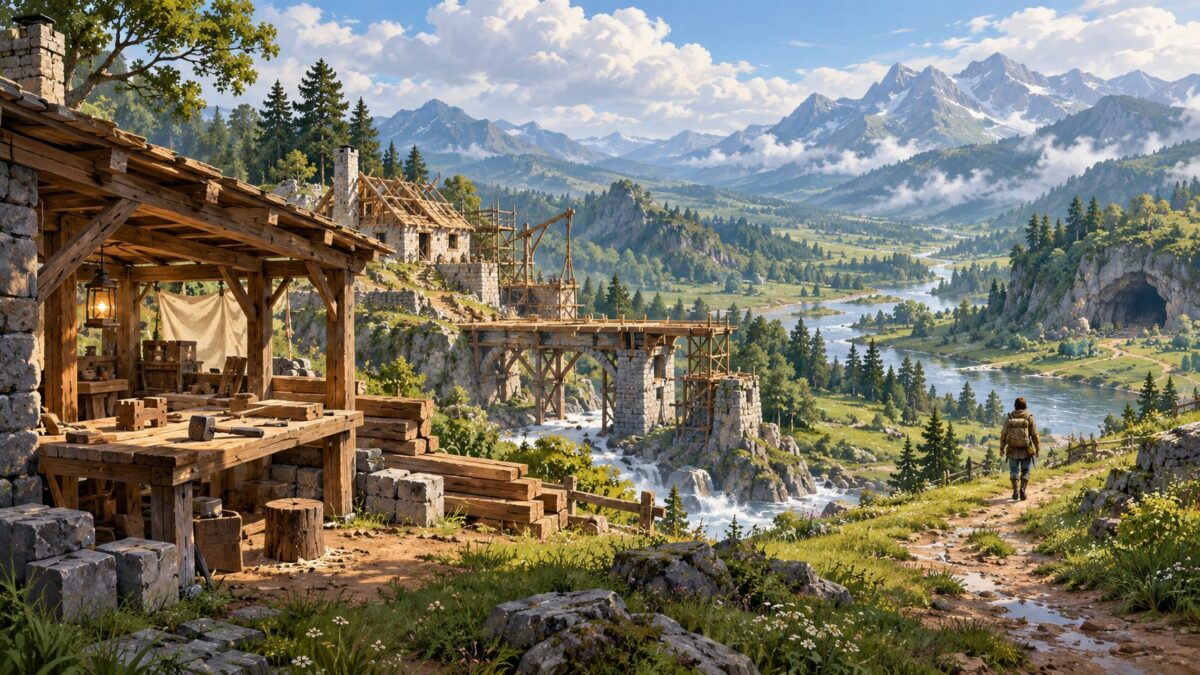
A good sandbox gives you a reason to gather one more resource. You need wood for a shelter, better equipment to reach a new area, or a particular material to finish a building you have been planning. The next objective grows from what you want to create.
The best sandbox games with building, crafting, and exploration approach that freedom differently. Minecraft lets you reshape the landscape. Terraria makes exploration and equipment progression inseparable.
These 11 games have editions for iOS and Android. The comparison focuses on what you can build, how crafting works, and how much direction the game provides. Some are open-ended sandboxes; others combine sandbox systems with a structured adventure. Store availability, device compatibility, and included content can differ between platforms.
Sandbox Games for Mobile: Quick Comparison
| Game | Building style | Crafting and exploration | Best fit |
| Minecraft | Freely place and remove blocks | Resource gathering across varied biomes and dimensions | Broad creative freedom |
| Terraria | Tile-based homes, arenas, and settlements | Equipment progression, underground exploration, and bosses | Exploration with substantial combat |
| Survivalcraft 2 | Block construction, furniture, and mechanisms | Survival, seasons, wildlife, and material processing | Practical survival and engineering |
| ARK: Ultimate Mobile Edition | Modular shelters and larger bases | Equipment, creature taming, and dangerous environments | Survival with dinosaurs |
| DRAGON QUEST BUILDERS | Block buildings and settlement restoration | Quest-led exploration and recipe progression | Building with a story |
| Crashlands | Base structures and decorative items | Quest-driven resource gathering and equipment crafting | An accessible crafting adventure |
| Don’t Starve: Pocket Edition | Camps, farms, defenses, and workstations | Survival recipes and a hostile wilderness | Demanding survival decisions |
| DYSMANTLE | Functional camps and selected structures | Salvaging, equipment upgrades, and island exploration | Destruction and progression |
| Forager | Compact production bases and machinery | Resource gathering, automation, puzzles, and land expansion | Fast, interconnected upgrades |
| Block Story | Freeform block construction | Fantasy exploration, crafting, and RPG quests | A block sandbox with role-playing elements |
| Ocean Is Home: Survival Island | Houses and survival facilities | Island exploration, tools, resources, and transport | First-person island survival |
A large map does not automatically mean unrestricted construction. If designing buildings is your main interest, prioritize Minecraft, Survivalcraft 2, or DRAGON QUEST BUILDERS. For equipment progression and exploration, Terraria, Crashlands, and DYSMANTLE offer different strengths.
1. Minecraft: Best for Building Almost Anything
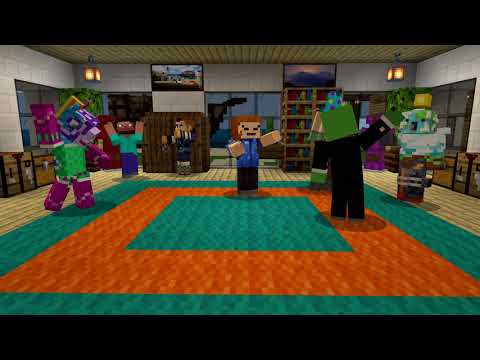
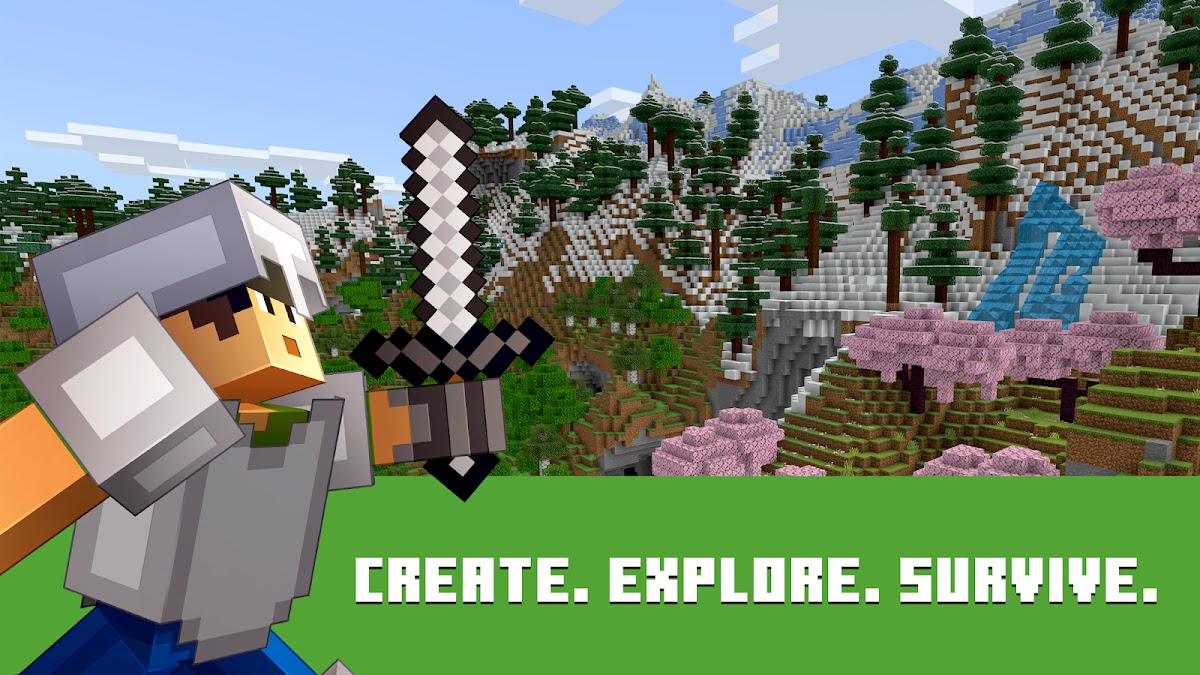
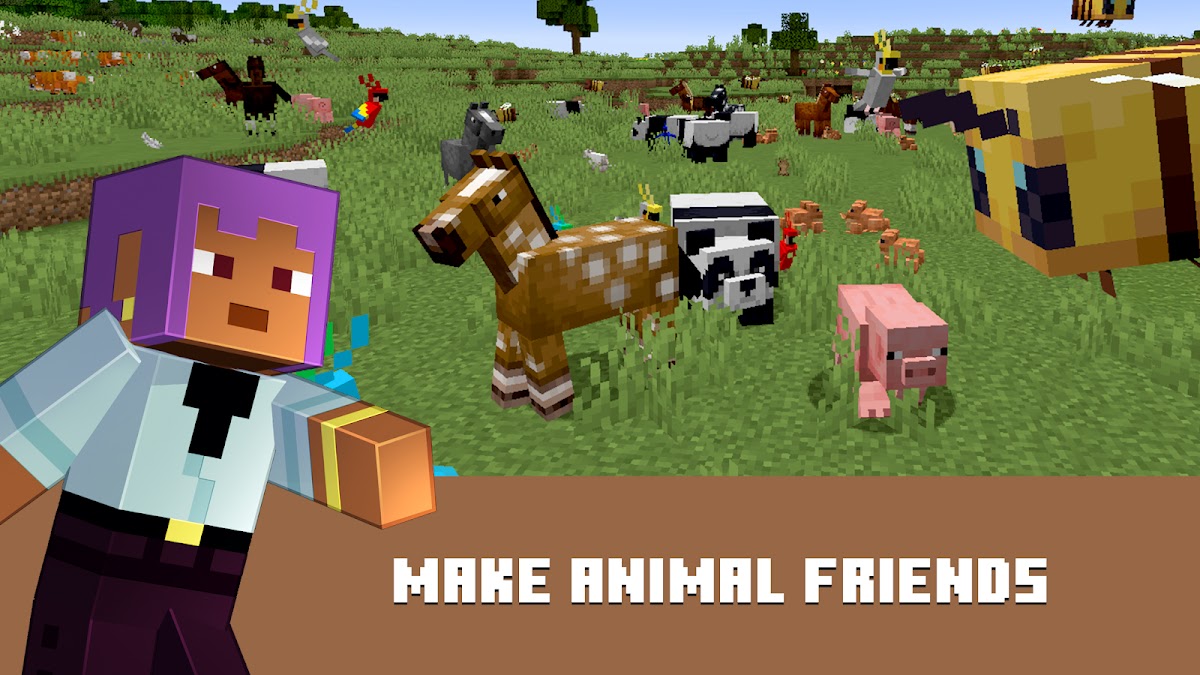
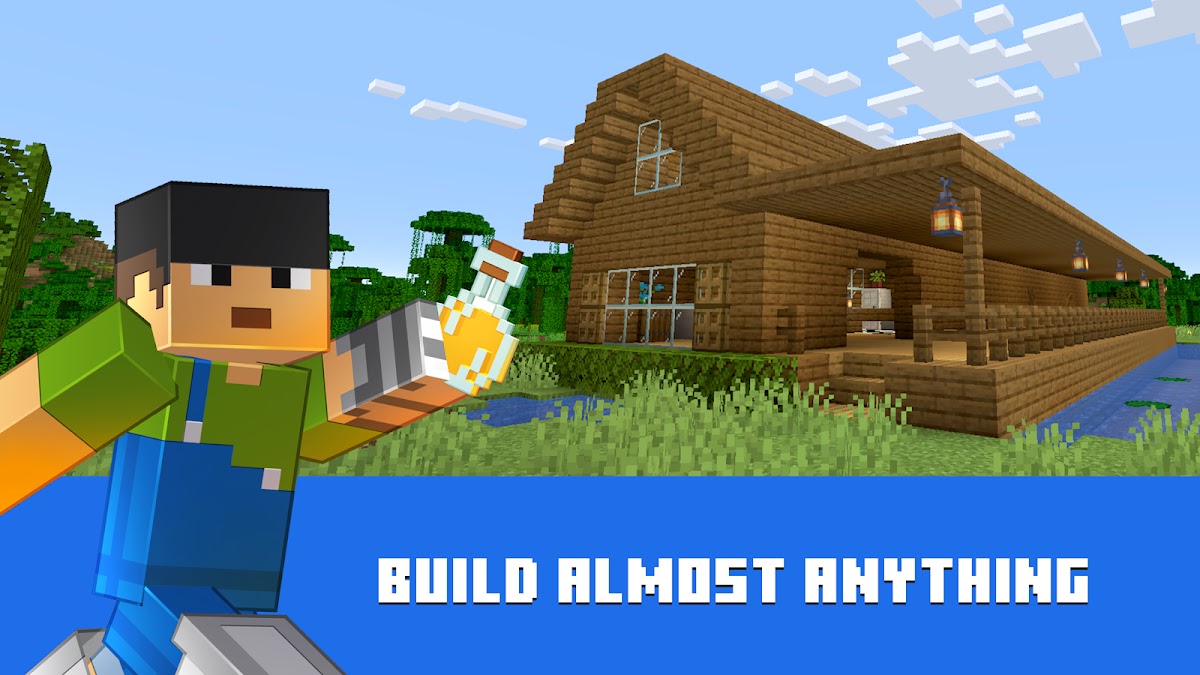
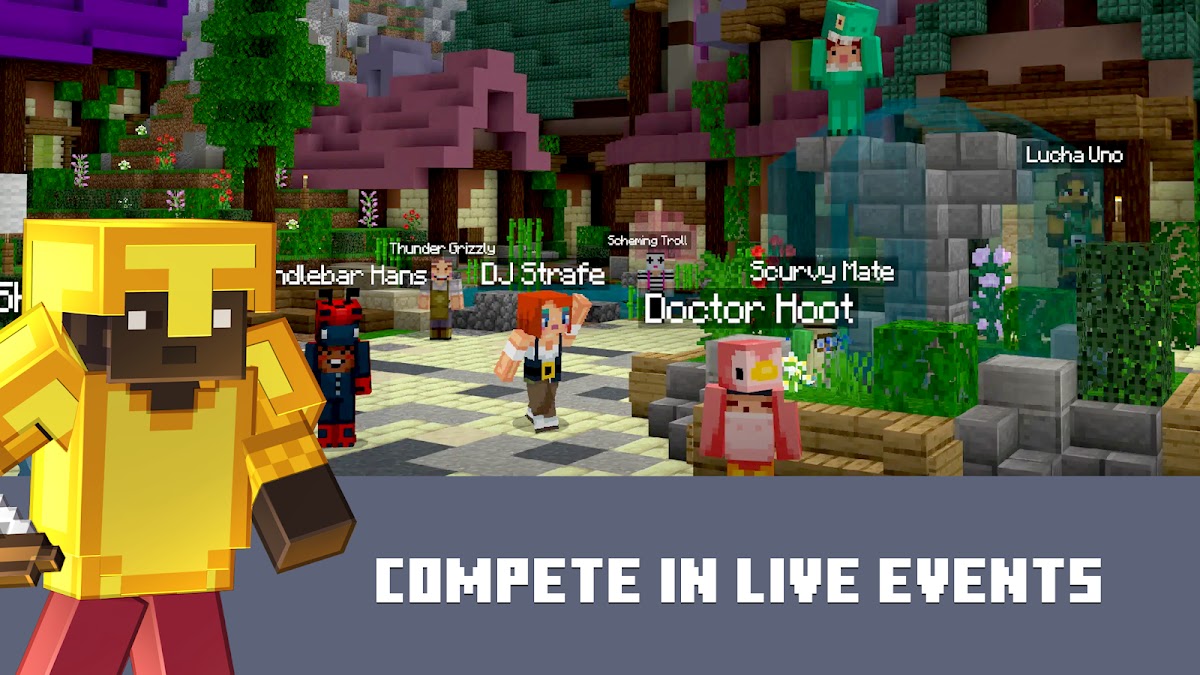
Minecraft gives you the broadest creative starting point in this selection. You can construct a small woodland cabin, redesign a village, connect settlements by rail, or work on a much larger landscape project. Survival mode makes those plans depend on gathering materials and managing danger. Creative mode removes many practical constraints so you can concentrate on architecture, redstone mechanisms, and experimenting with the world itself.
Exploration supports the building rather than sitting beside it: different environments provide materials, discoveries, and new reasons to leave your base. Mobile touch controls take adjustment, particularly for precise placement and combat. Local worlds support single-player, while Realms, online servers, and connected services have separate requirements. Choose Minecraft when shaping the world is the main attraction. If you prefer a stronger sequence of equipment upgrades and boss encounters, Terraria provides more direction.
2. Terraria: Best for Exploration, Equipment, and Bosses
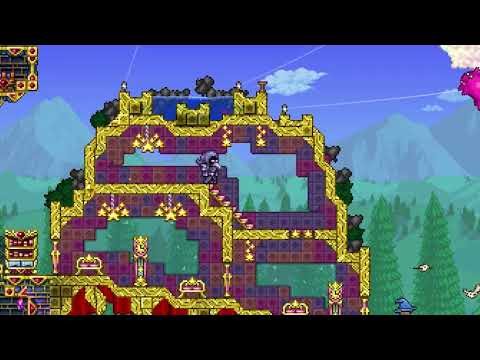
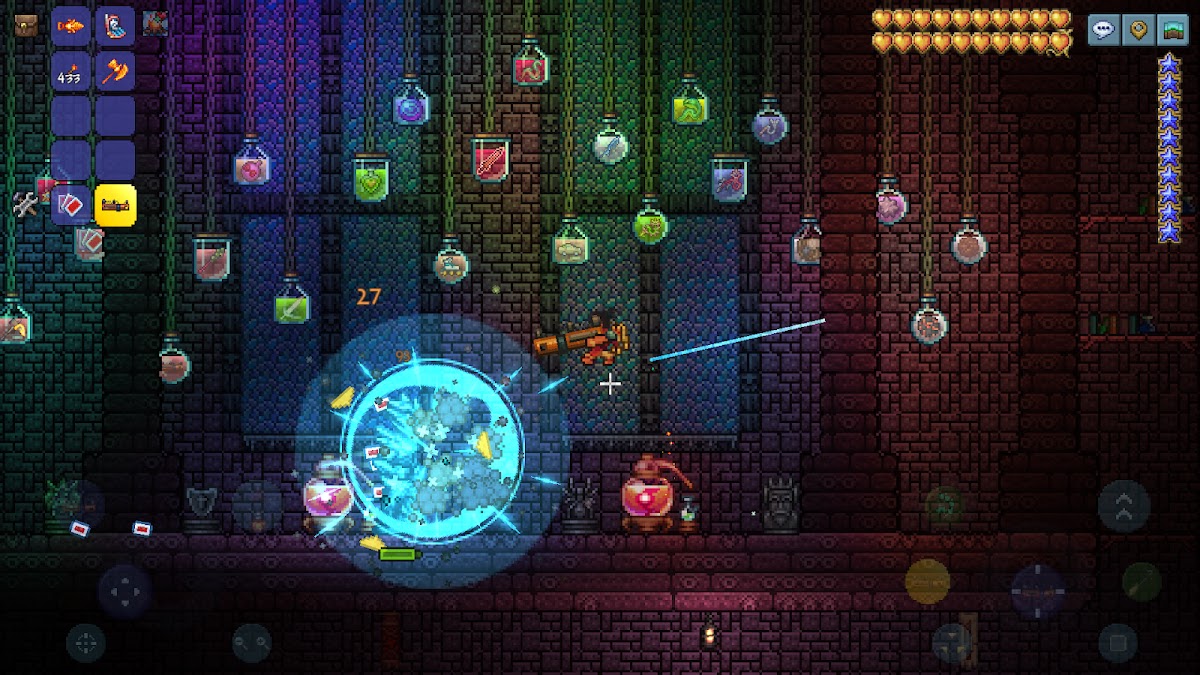
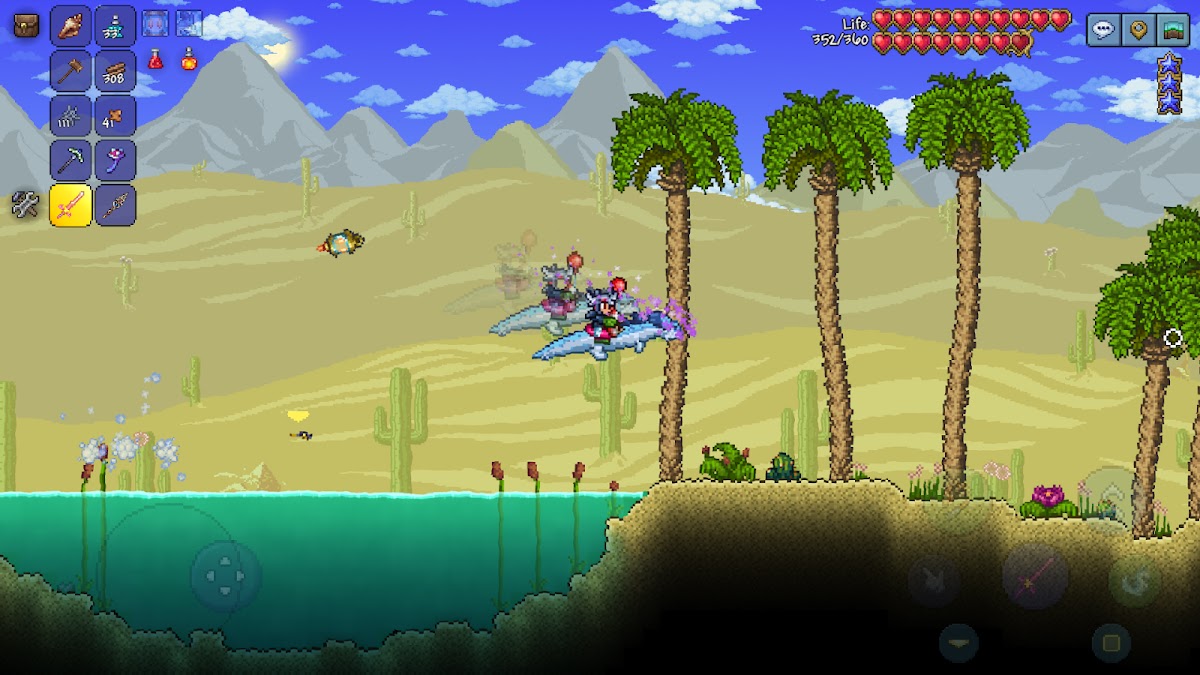
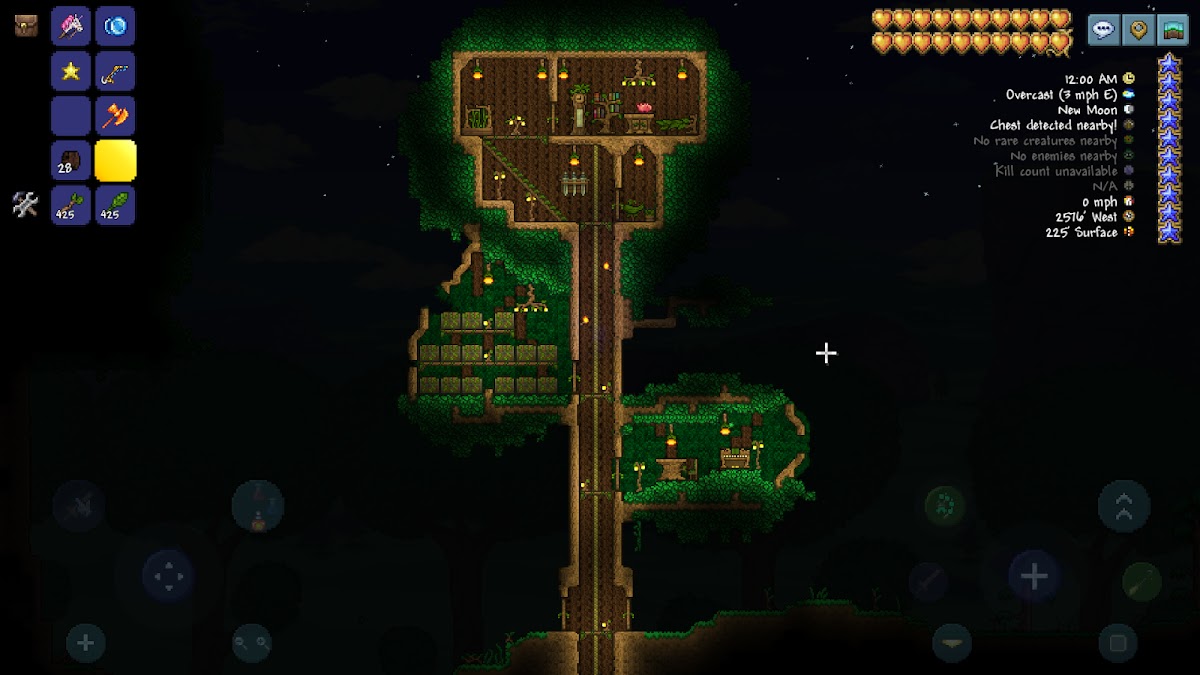
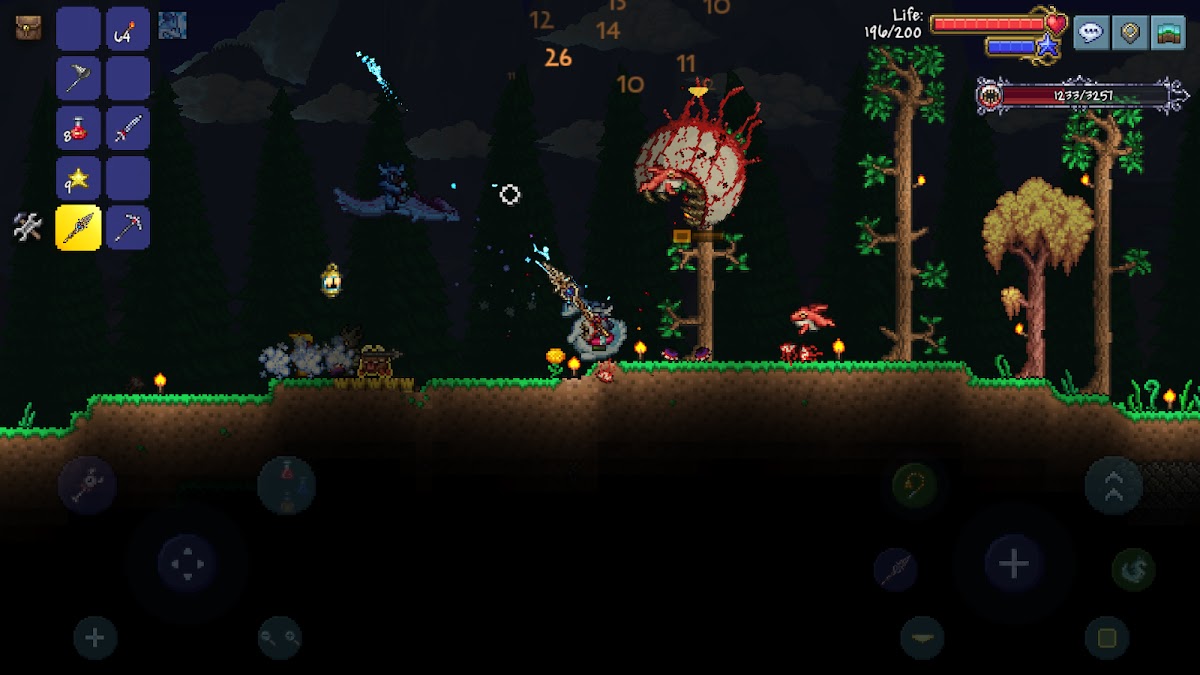
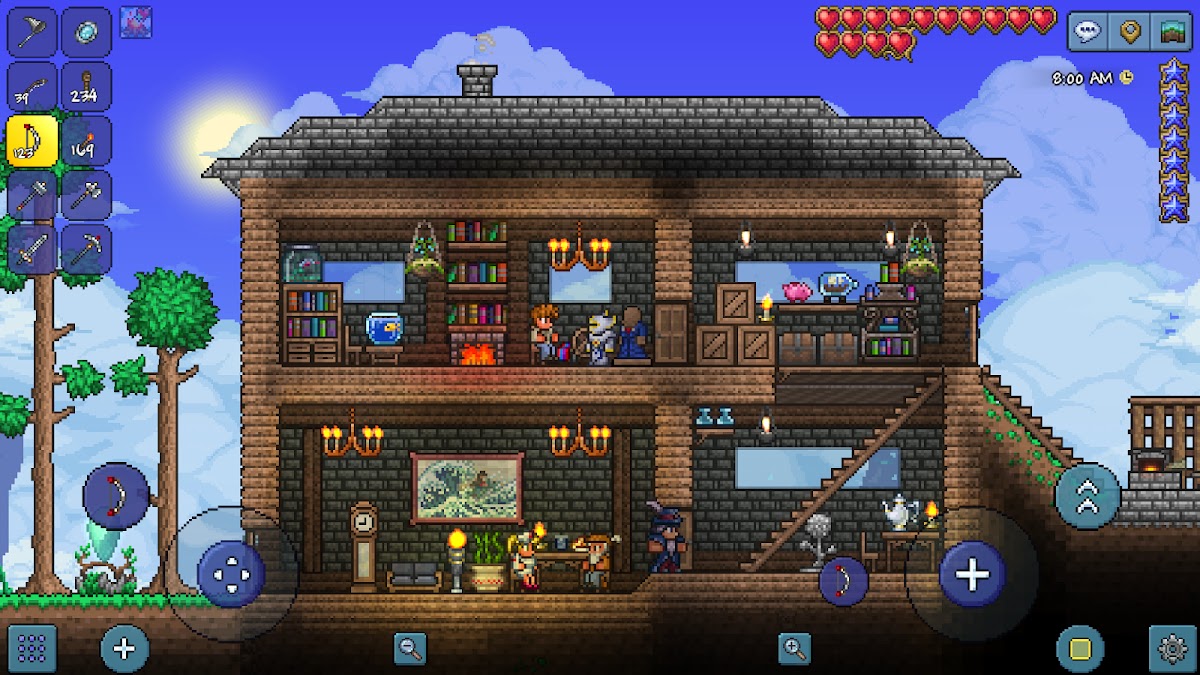
Terraria starts with simple tools and a world that becomes more interesting the deeper you investigate. Digging reveals ores, caverns, unusual structures, and enemies you are not yet equipped to handle. Crafting turns those discoveries into better armor, weapons, accessories, and mobility options. Building has practical value too: homes attract useful NPCs, storage keeps materials manageable, and prepared arenas can make difficult fights more controllable.
Its two-dimensional construction system offers plenty of creative scope, but combat and progression are central to the experience. The mobile interface packs a large inventory and many actions onto a small screen, so adjusting the controls is worthwhile. Solo worlds offer a substantial adventure, with multiplayer handled separately. Choose Terraria if you want exploration to continually change what you can craft and build. It asks more of your combat skills than a purely creative building game.
3. Survivalcraft 2: Best for Survival Systems and Mechanisms
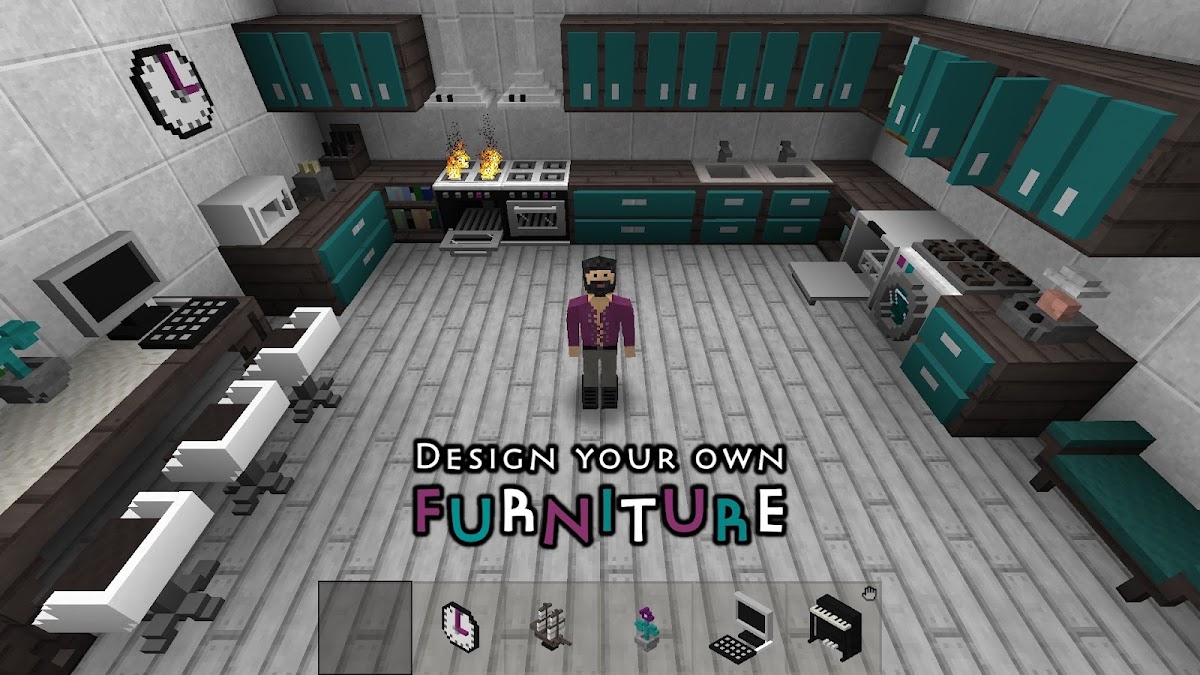
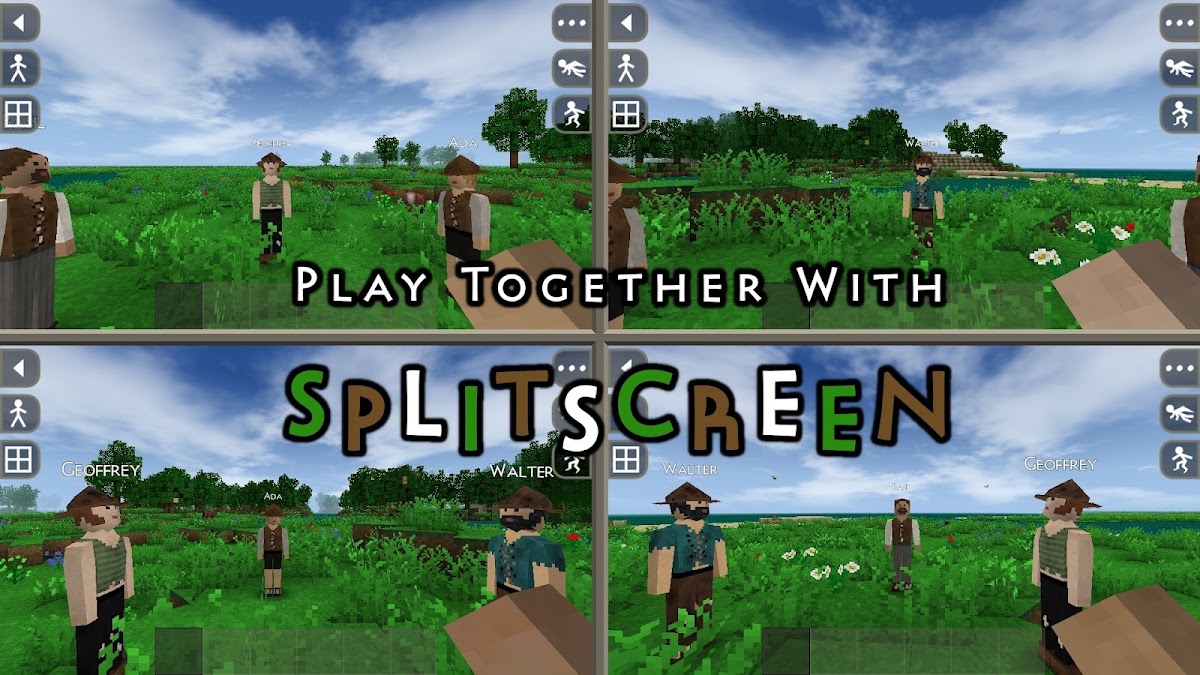
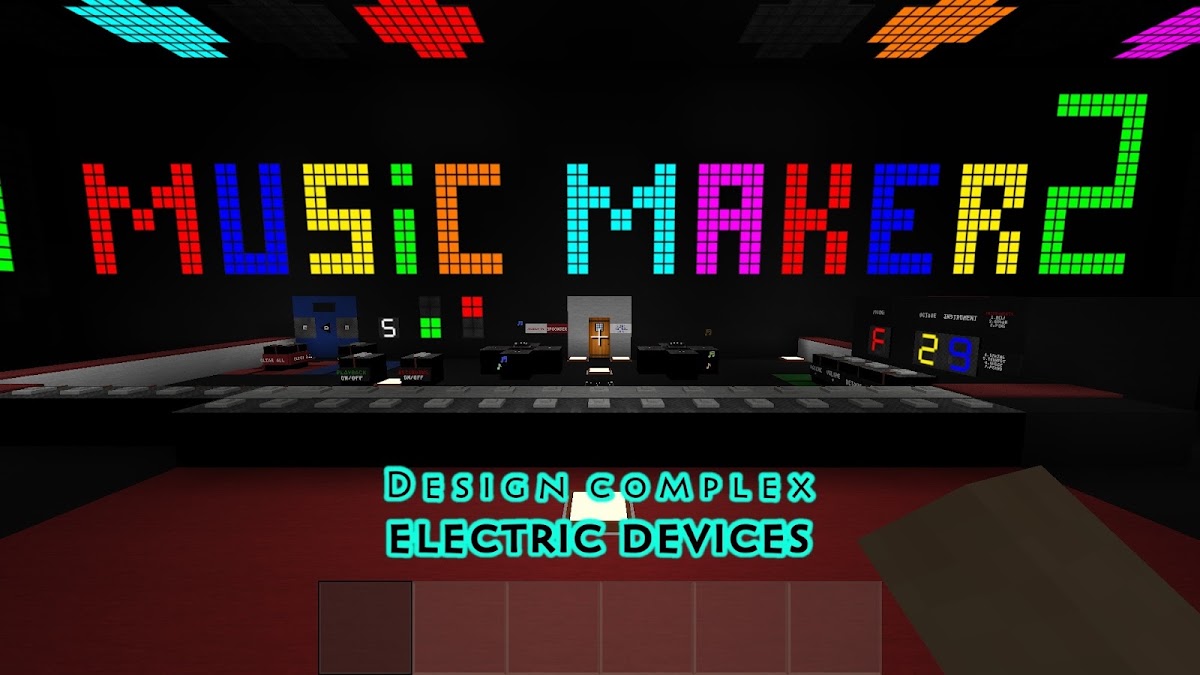
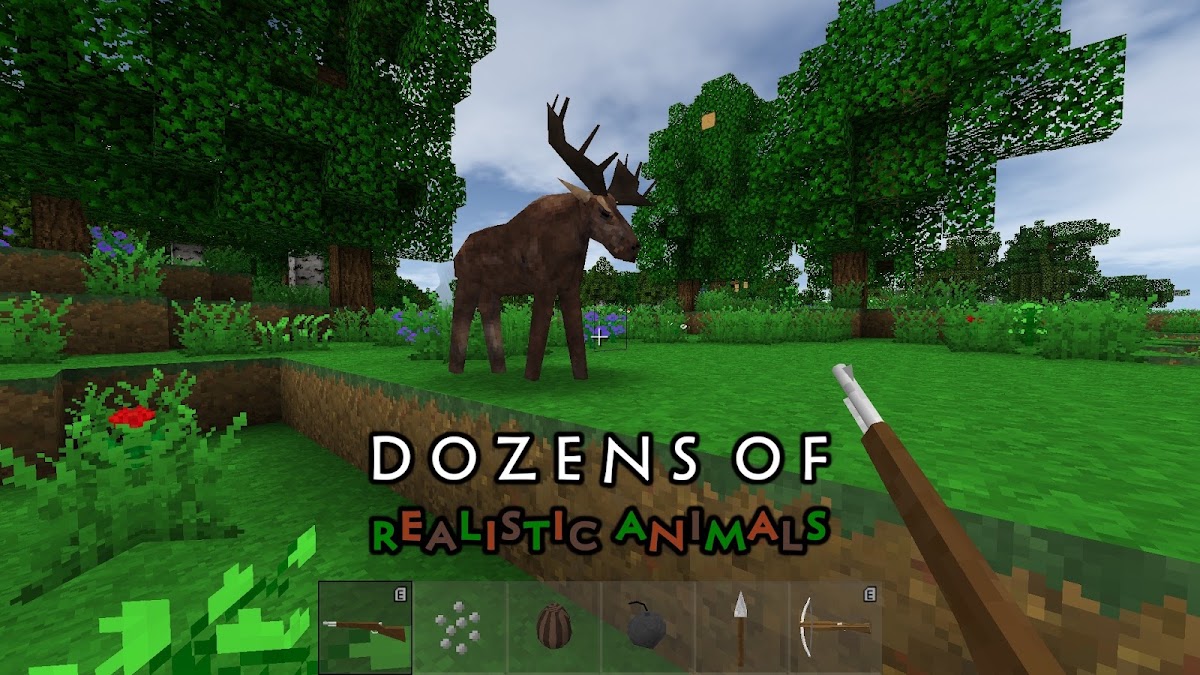
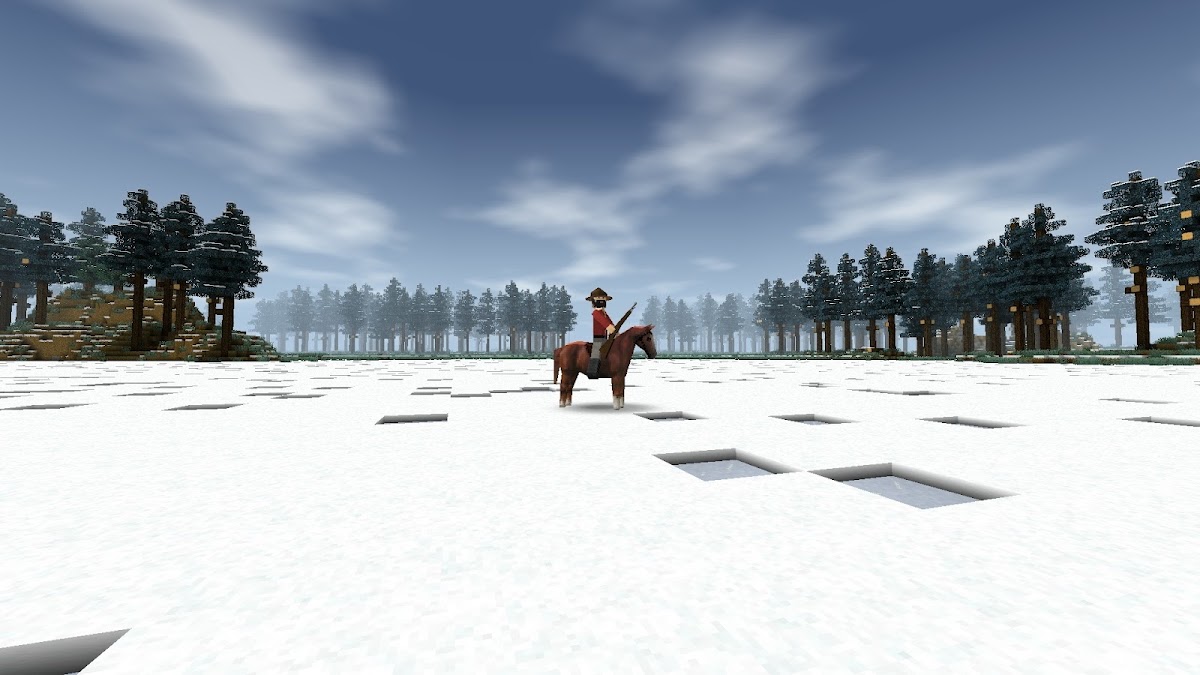
Survivalcraft 2 combines a block-built world with a stronger emphasis on practical survival. Shelter, clothing, food, and environmental conditions give early decisions consequences. You explore, gather materials, craft equipment, and gradually replace a vulnerable campsite with a more capable home. Seasons and wildlife help the landscape feel like something you need to understand rather than simply mine for building blocks.
Its construction tools also support furniture and electrical mechanisms, making it appealing if you enjoy useful designs as much as decorative ones. A carefully planned structure can become a working system rather than a place to store supplies. Check which features and sharing options belong to your installed mobile edition; a block-based appearance does not mean Minecraft-compatible worlds or servers. Choose Survivalcraft 2 for its survival and engineering emphasis, especially if a functional shelter is more satisfying to you than a quest reward.
4. ARK: Ultimate Mobile Edition: Best for Dinosaur Survival
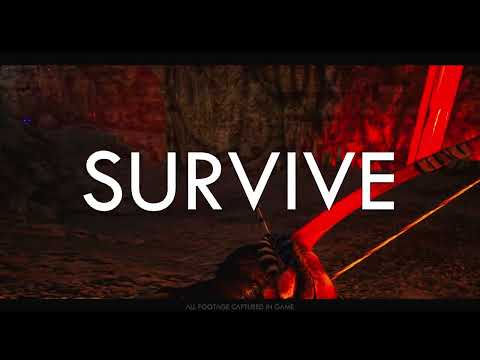
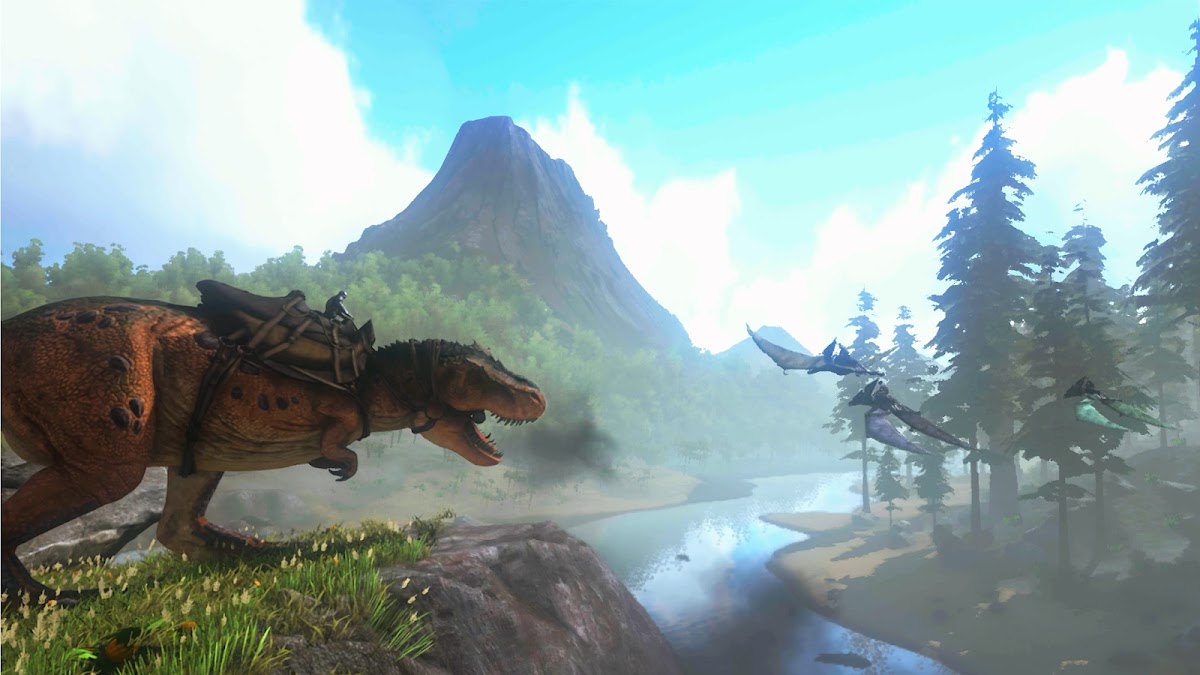
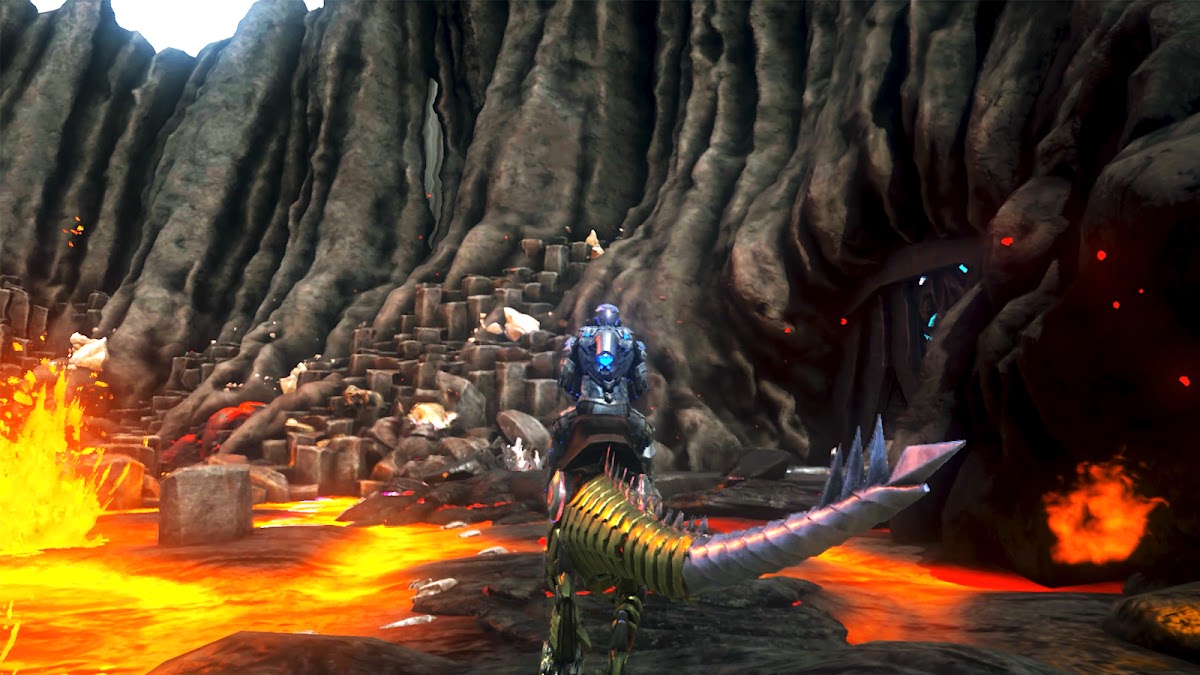
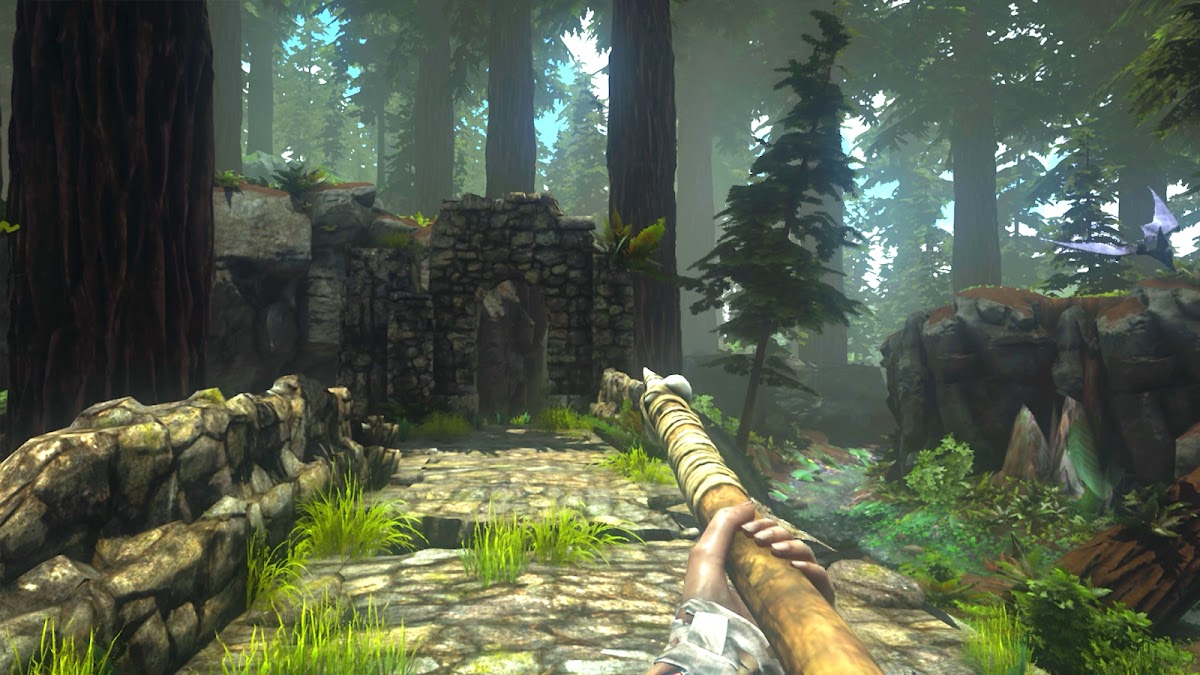
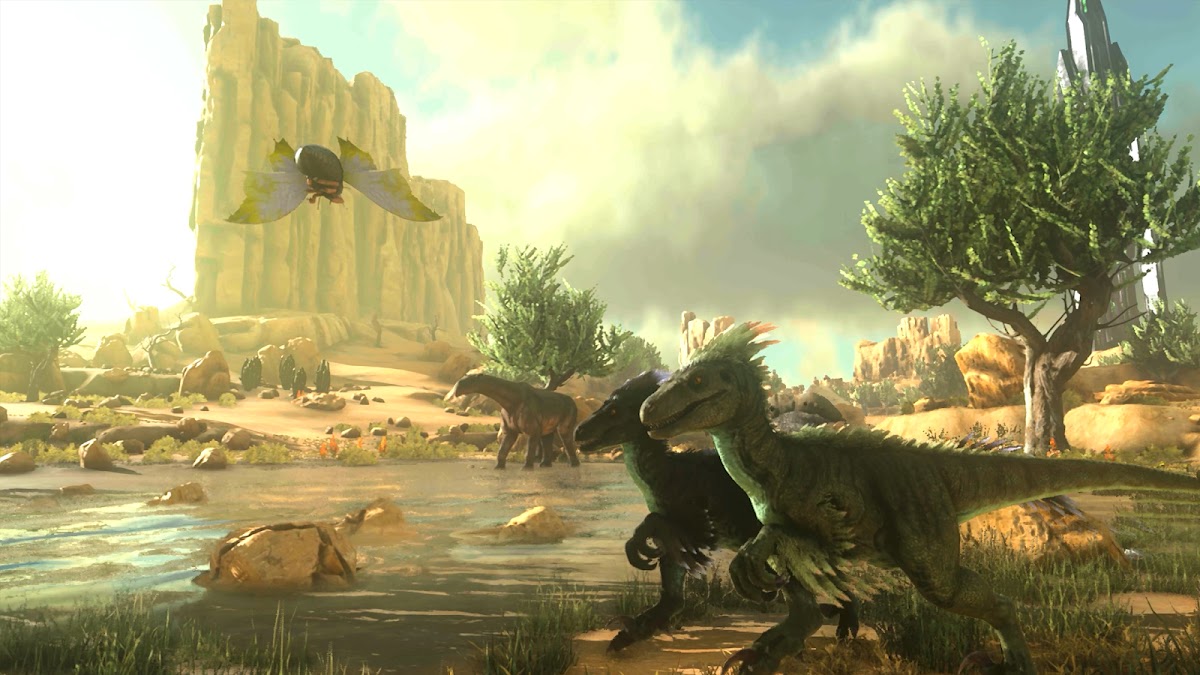
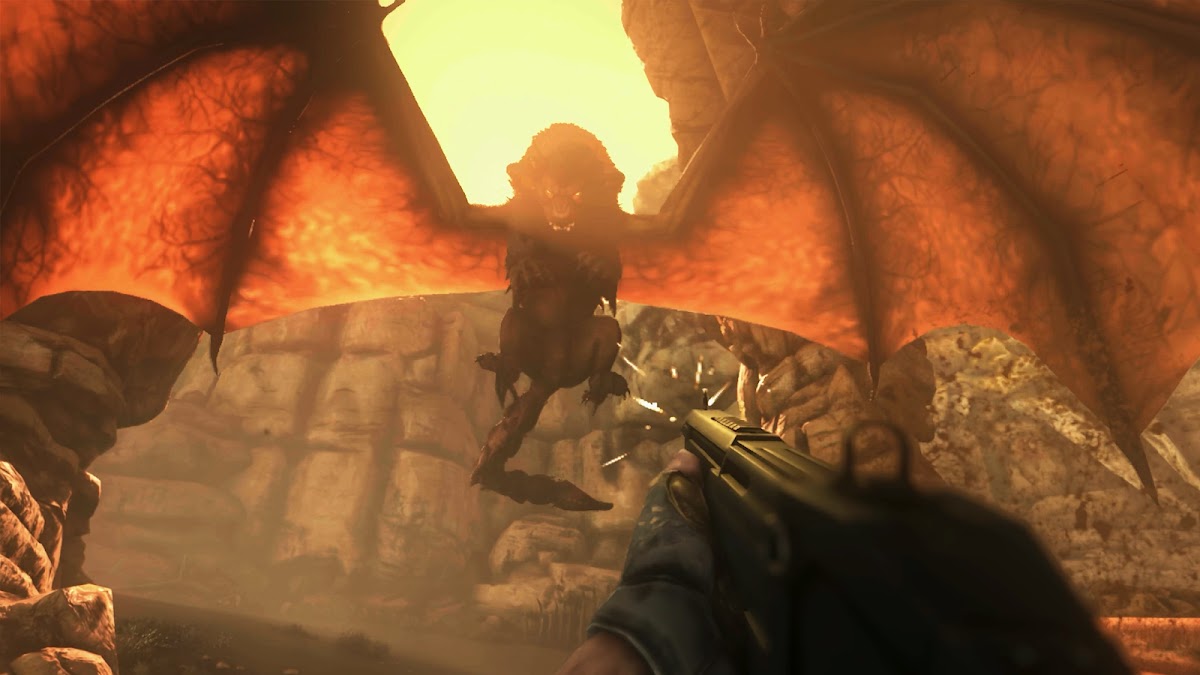
ARK: Ultimate Mobile Edition puts gathering and building inside a world where many nearby creatures can kill you. Early tools and shelters provide a foothold, but taming animals changes what is possible. A creature can help you travel, carry resources, gather materials, or survive a dangerous encounter. That connection between equipment, base development, and taming gives exploration a practical purpose beyond uncovering the map.
This is a demanding mobile game, so check supported devices, storage, and additional downloads before installing. The initial download does not represent every available map or expansion, and access to additional content has its own conditions. Multiplayer also creates a different experience from a private survival world: other players can introduce competition and cooperation that are absent from solo play. Choose ARK for creature-driven survival and ambitious bases, rather than a lightweight building game you can comfortably run on any phone.
5. DRAGON QUEST BUILDERS: Best for Building with a Story
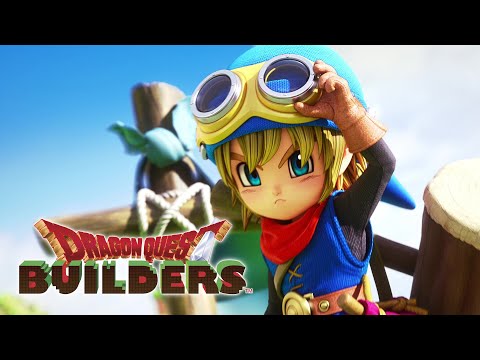
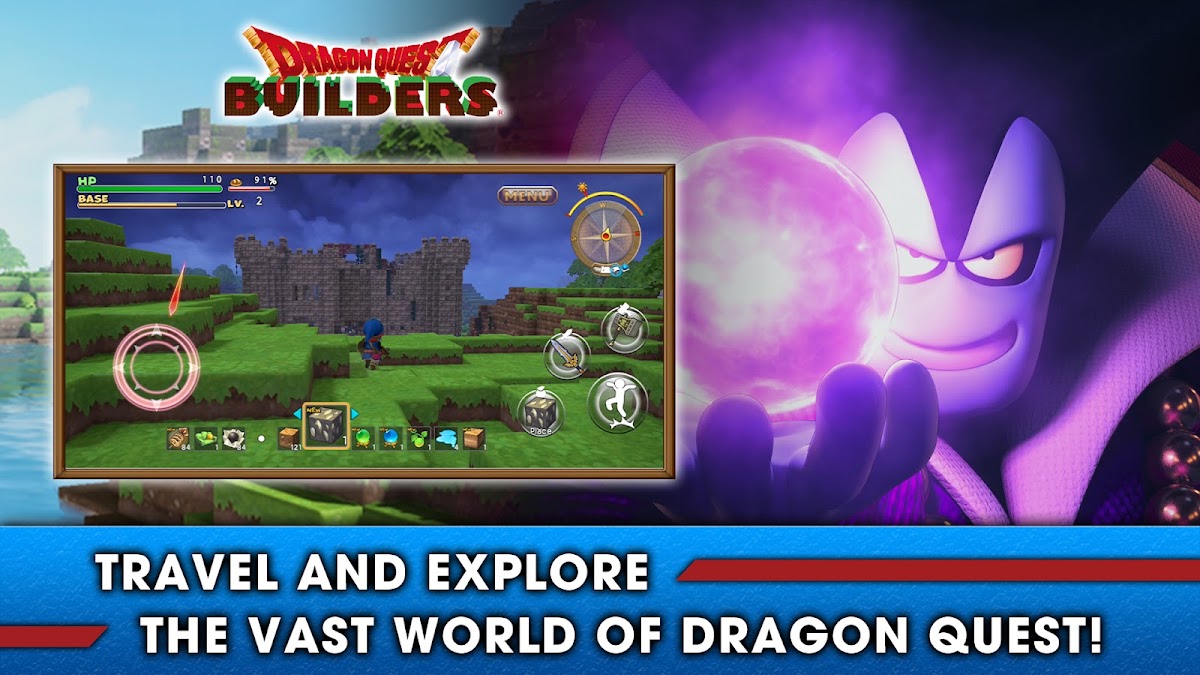
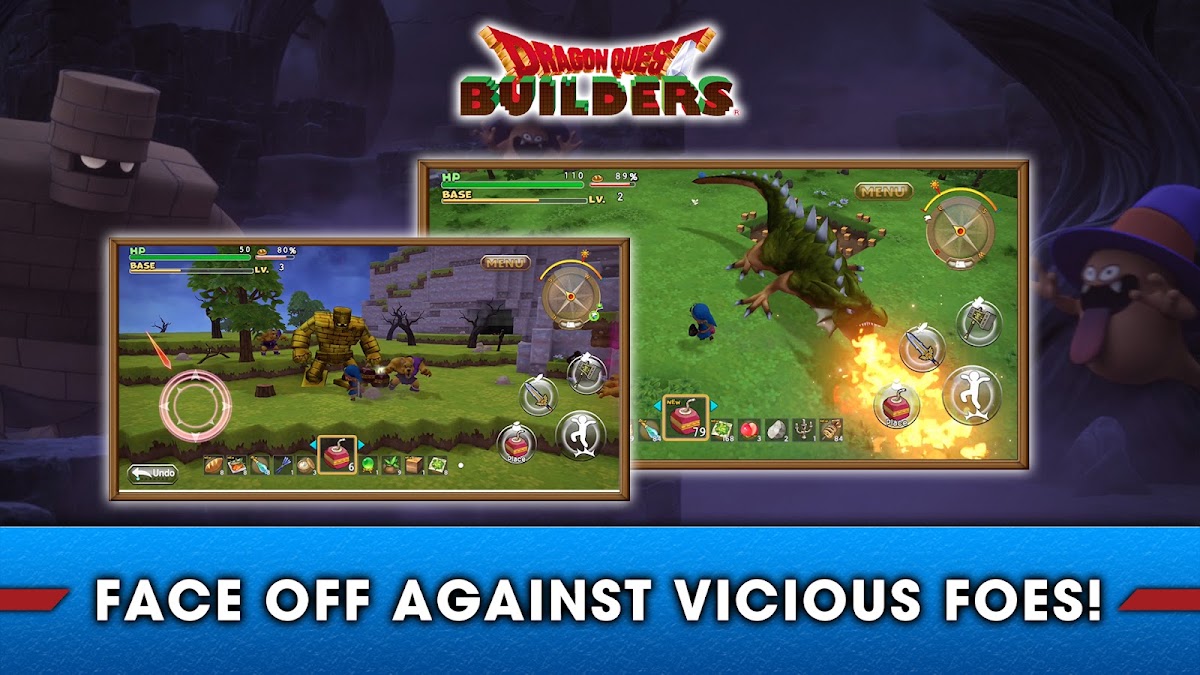
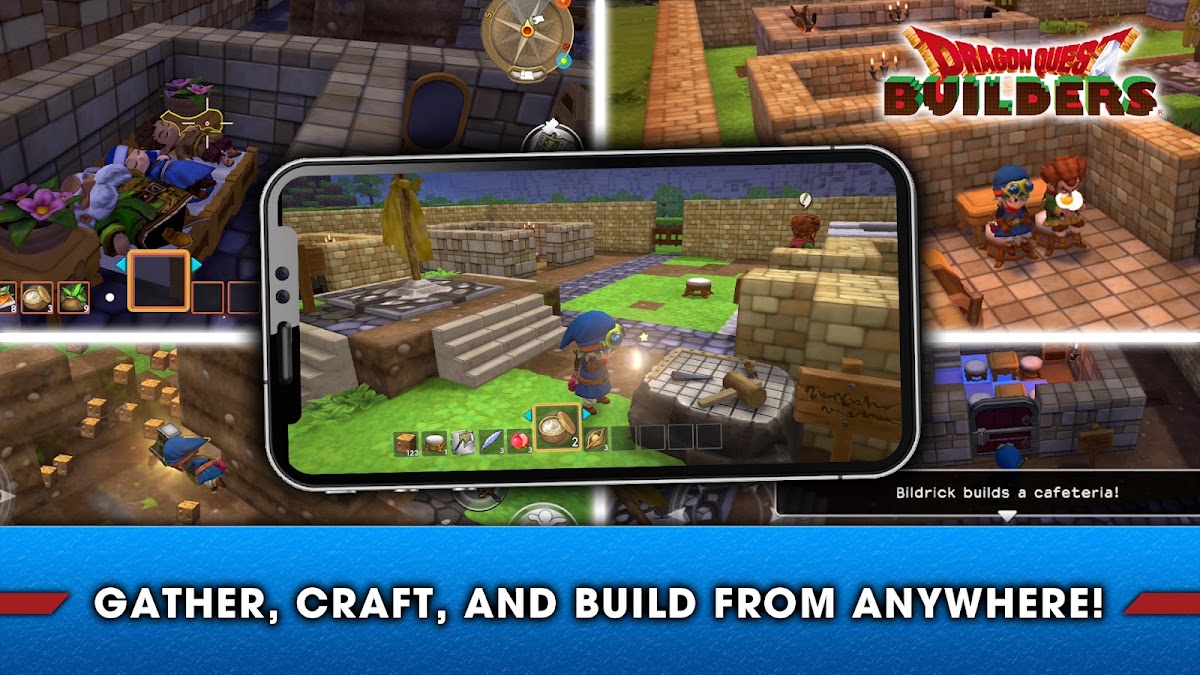
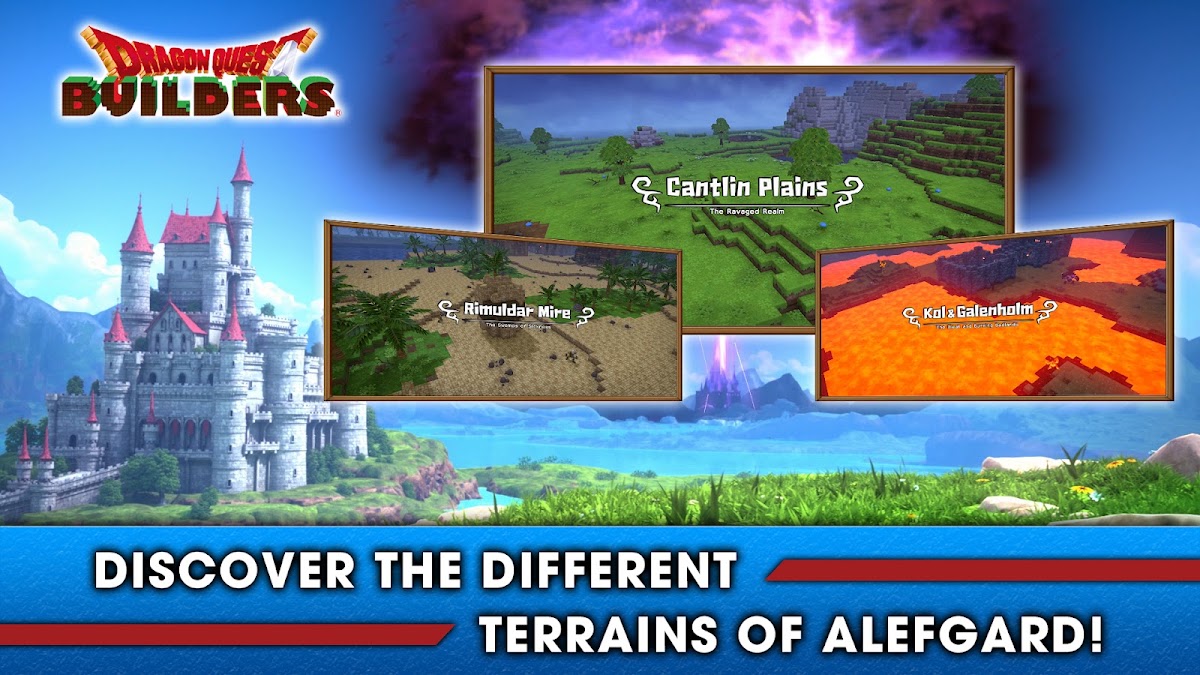
DRAGON QUEST BUILDERS makes construction part of restoring a damaged world. You gather materials, learn recipes, and help communities by creating useful rooms and facilities. Villagers and story objectives give your work a visible purpose: a building contributes to a settlement rather than existing only because you wanted to place it. Its block-based terrain also encourages experimentation with the resources you discover nearby.
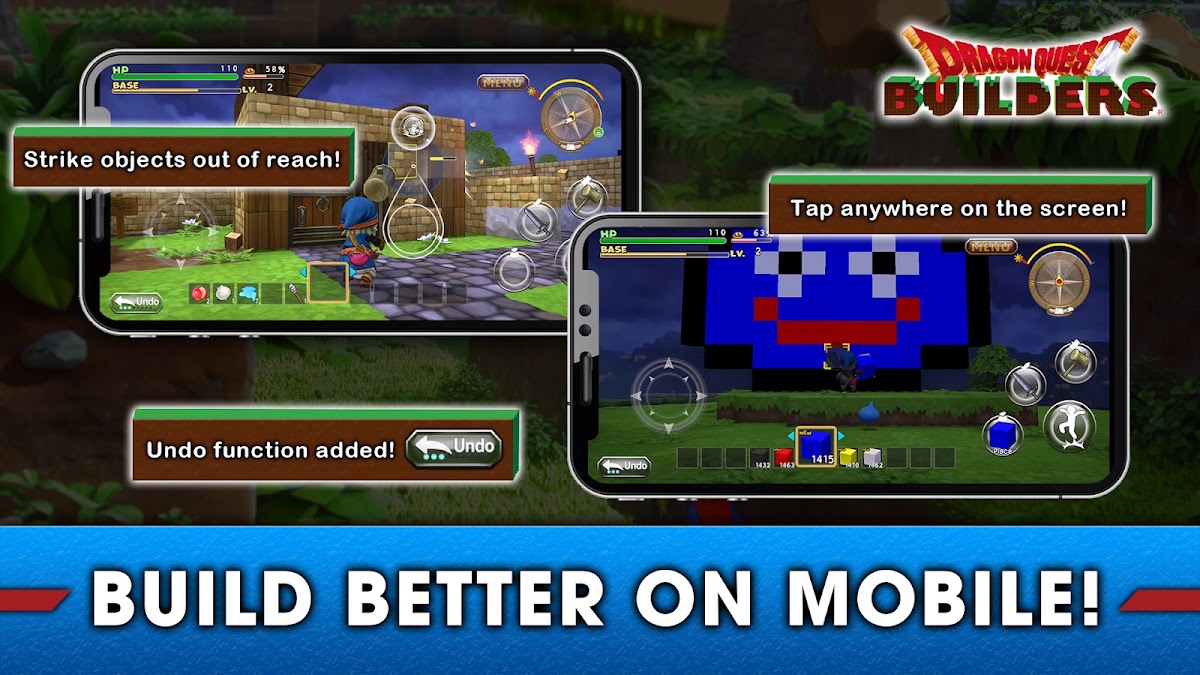
The story-led structure provides more guidance than Minecraft, and chapter progression gives the adventure a rhythm of exploration, combat, and rebuilding. Free-building options offer room to create outside the main objectives, but the campaign remains a major reason to choose it. Mobile controls and camera positioning need some patience when working in tight spaces. Pick DRAGON QUEST BUILDERS if you like construction but appreciate characters, quests, and clear reasons to finish the next project.
6. Crashlands: Best for an Approachable Crafting Adventure
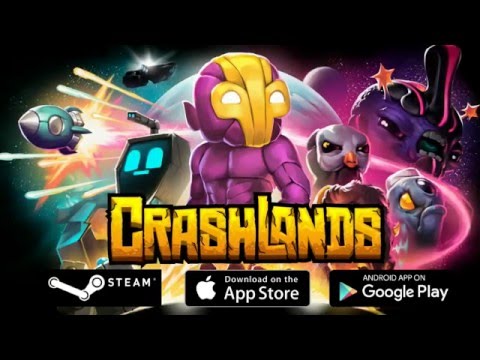
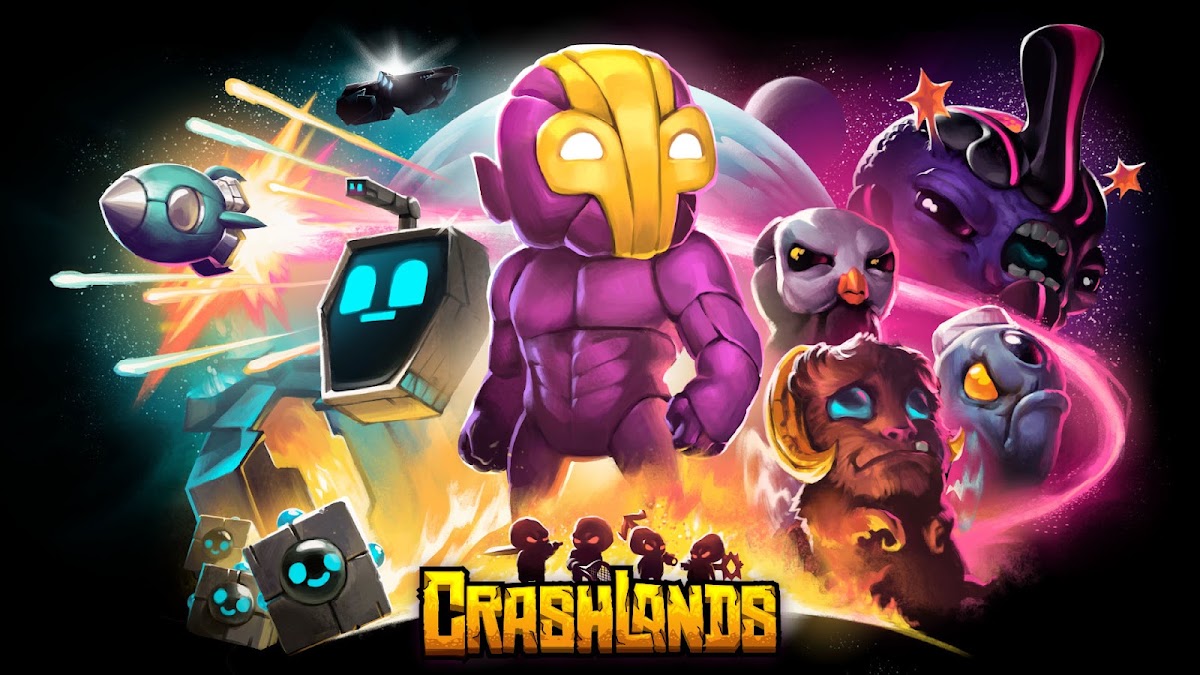
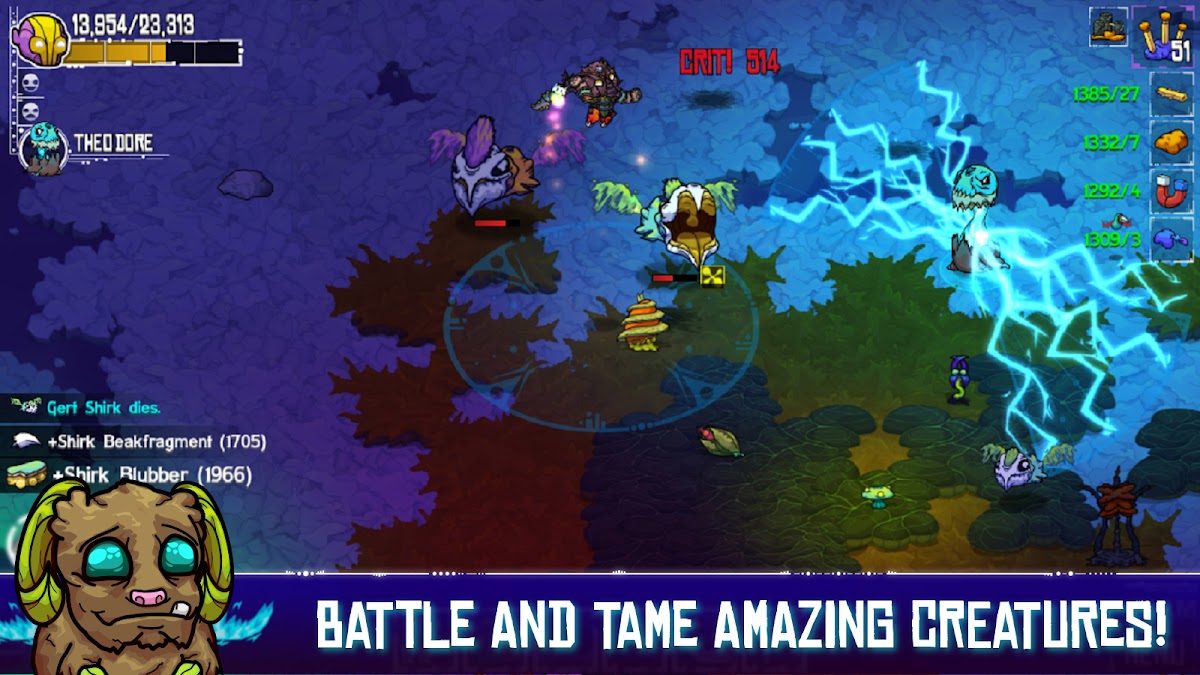
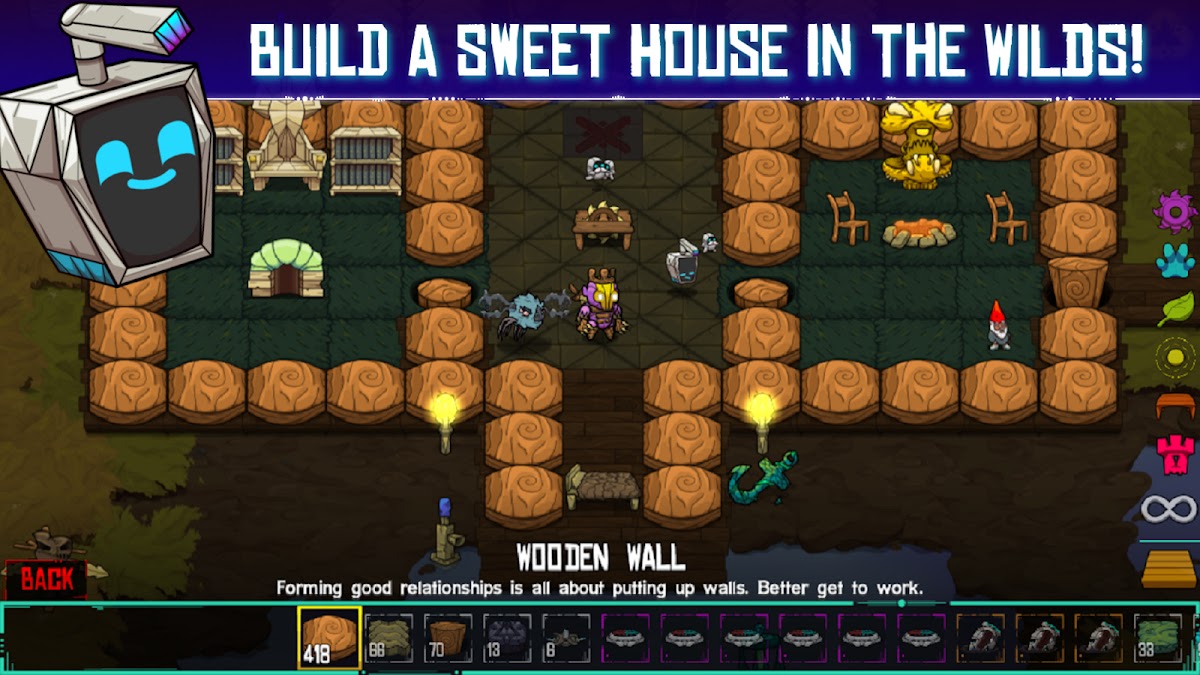
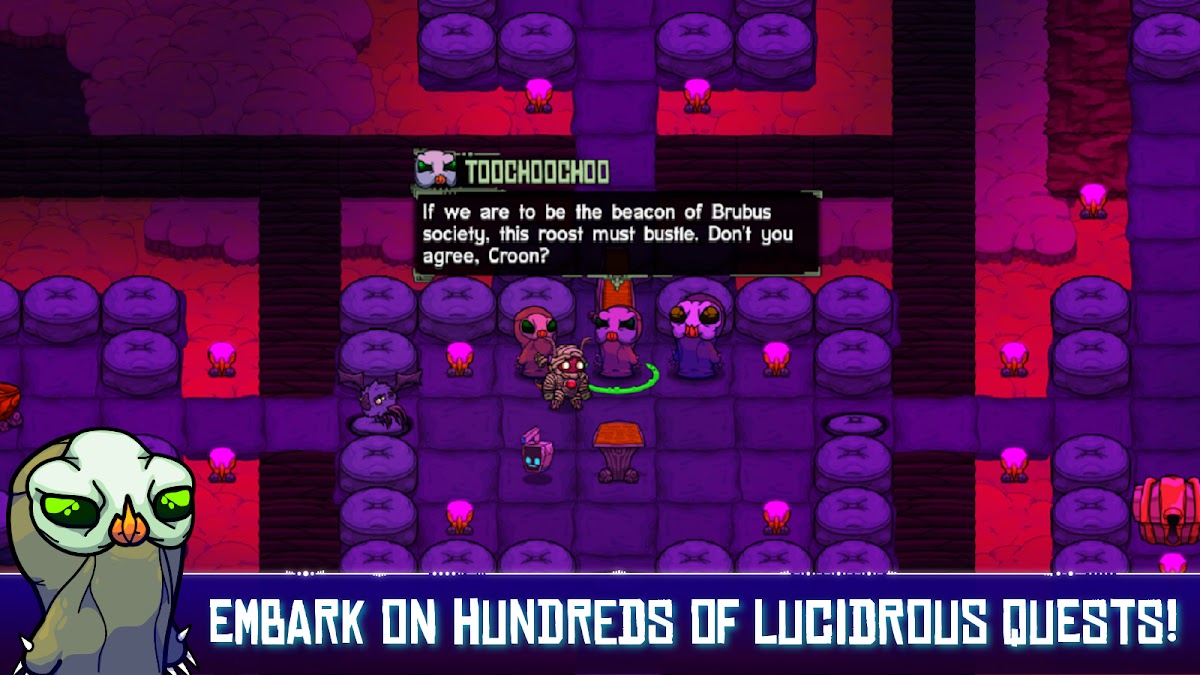
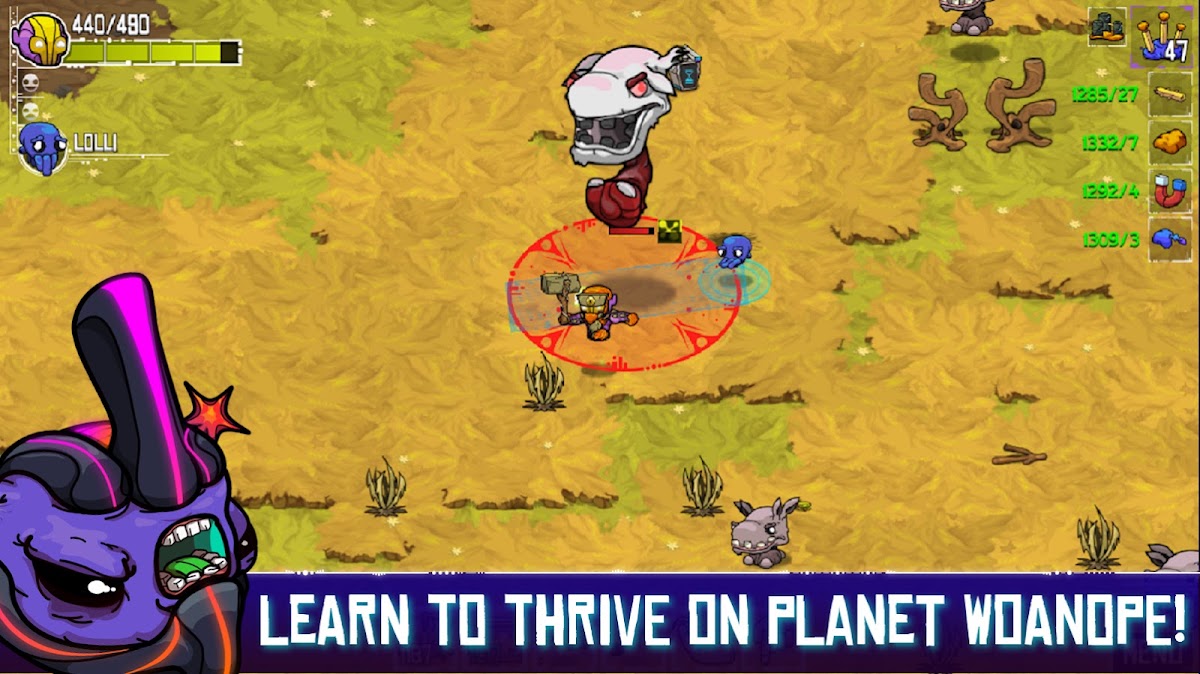

Crashlands follows Flux Dabes through an alien world filled with resources, creatures, and eccentric characters. Crafting gives its exploration a clear structure: gather unfamiliar materials, improve equipment, and prepare for the next challenge. Base construction provides room for functional objects and decoration, while quests keep you moving when deciding your own next objective would otherwise become tiring.
Its inventory system removes much of the usual storage sorting, allowing more attention to exploration and combat. That convenience makes Crashlands accessible, but it is still an action RPG with a strong progression path rather than a fully unrestricted construction simulator. Fights require reading attacks and moving out of danger, so better equipment does not remove the need to pay attention. Choose it if you want crafting and a home base wrapped around a humorous, guided adventure.
7. Don’t Starve: Pocket Edition: Best for Difficult Survival Choices
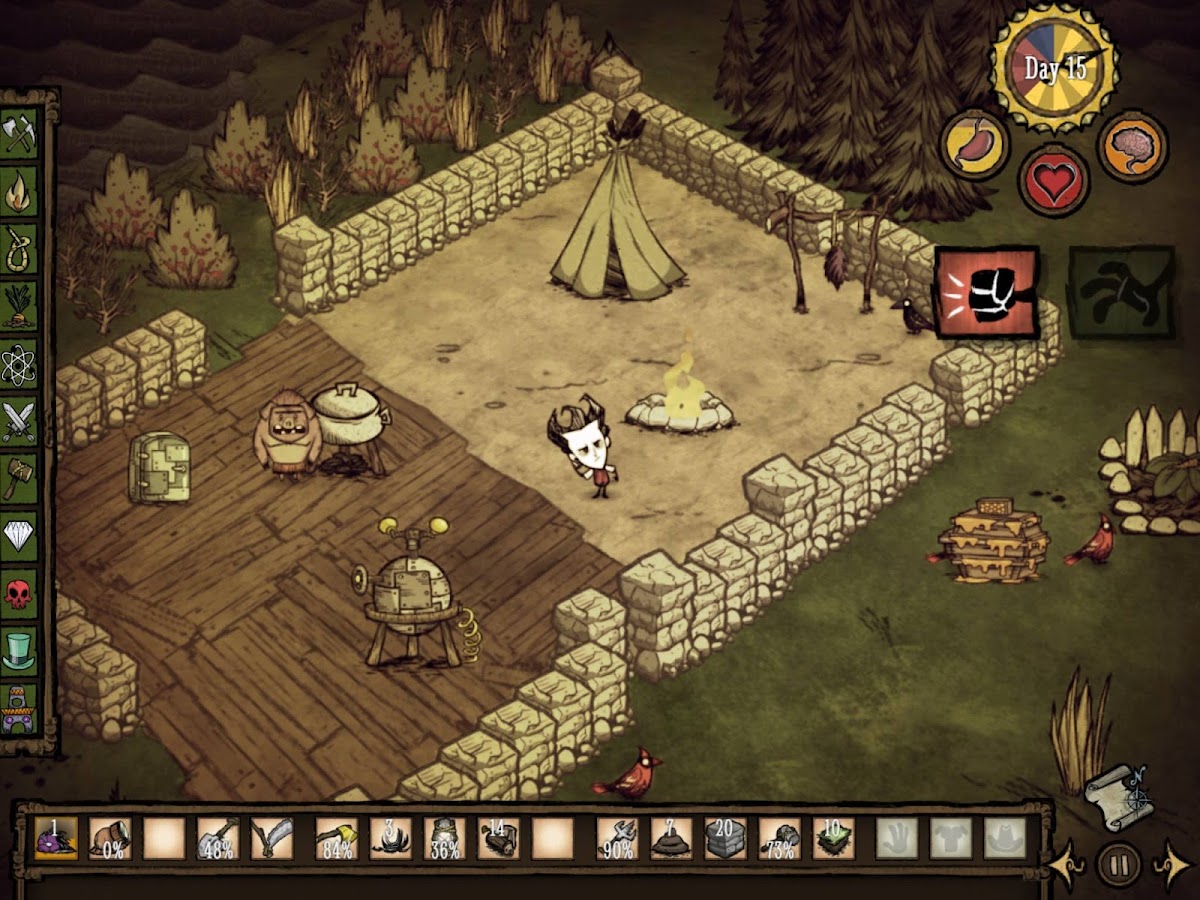
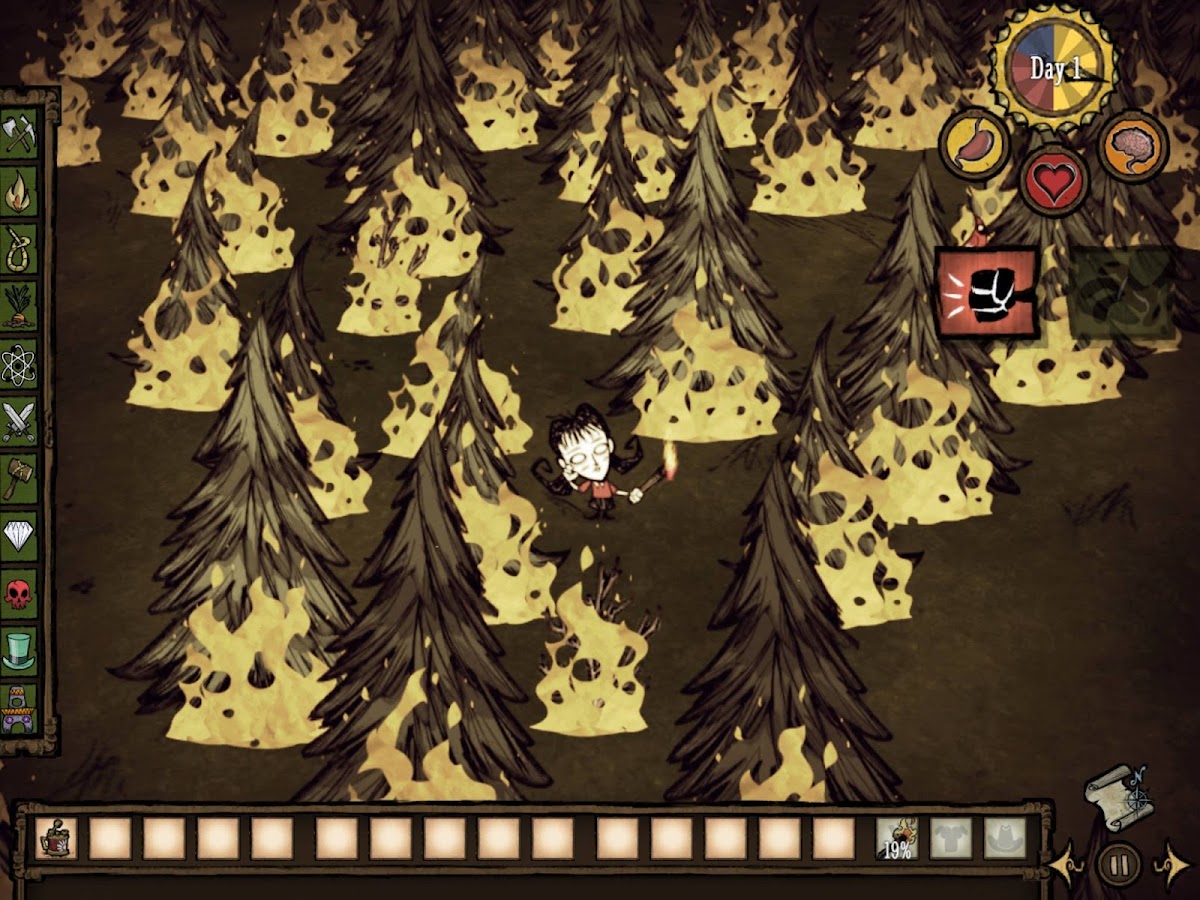
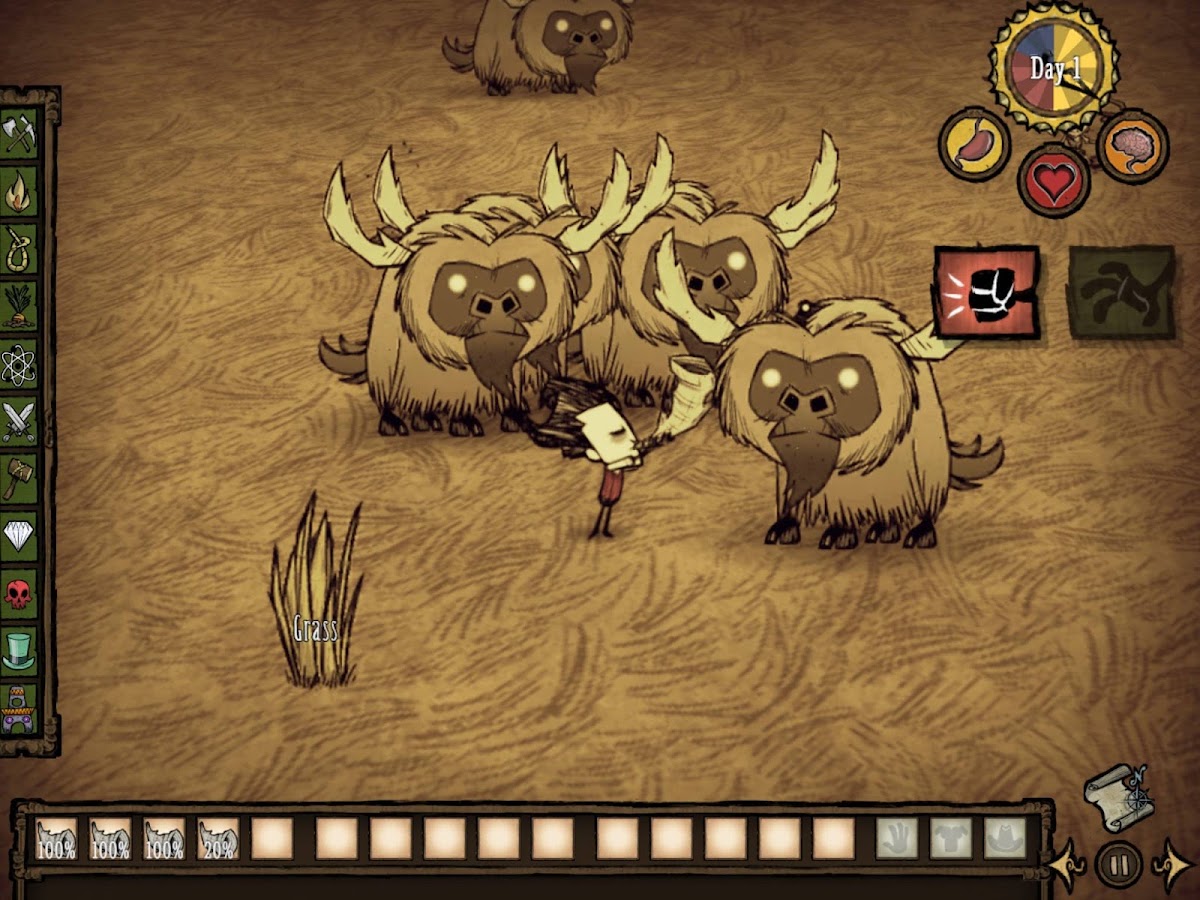
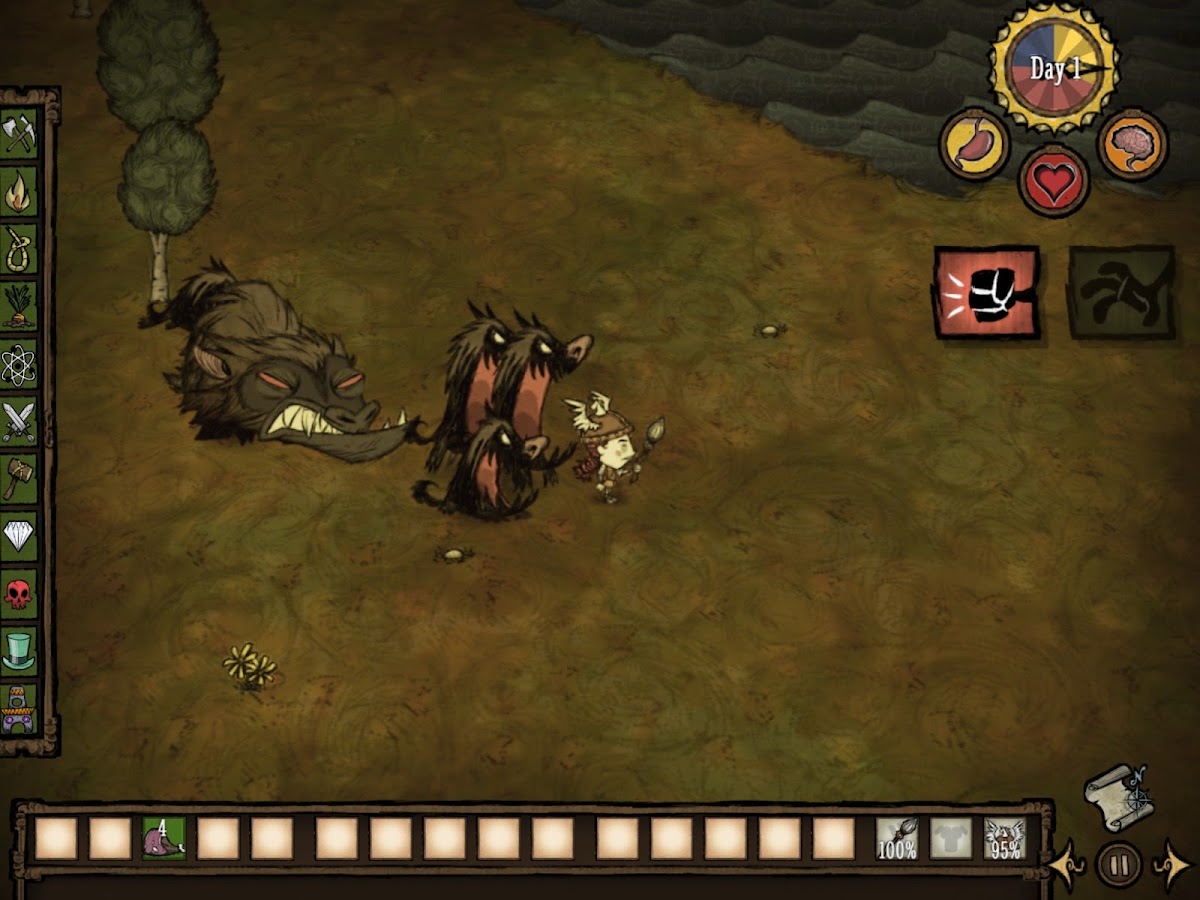
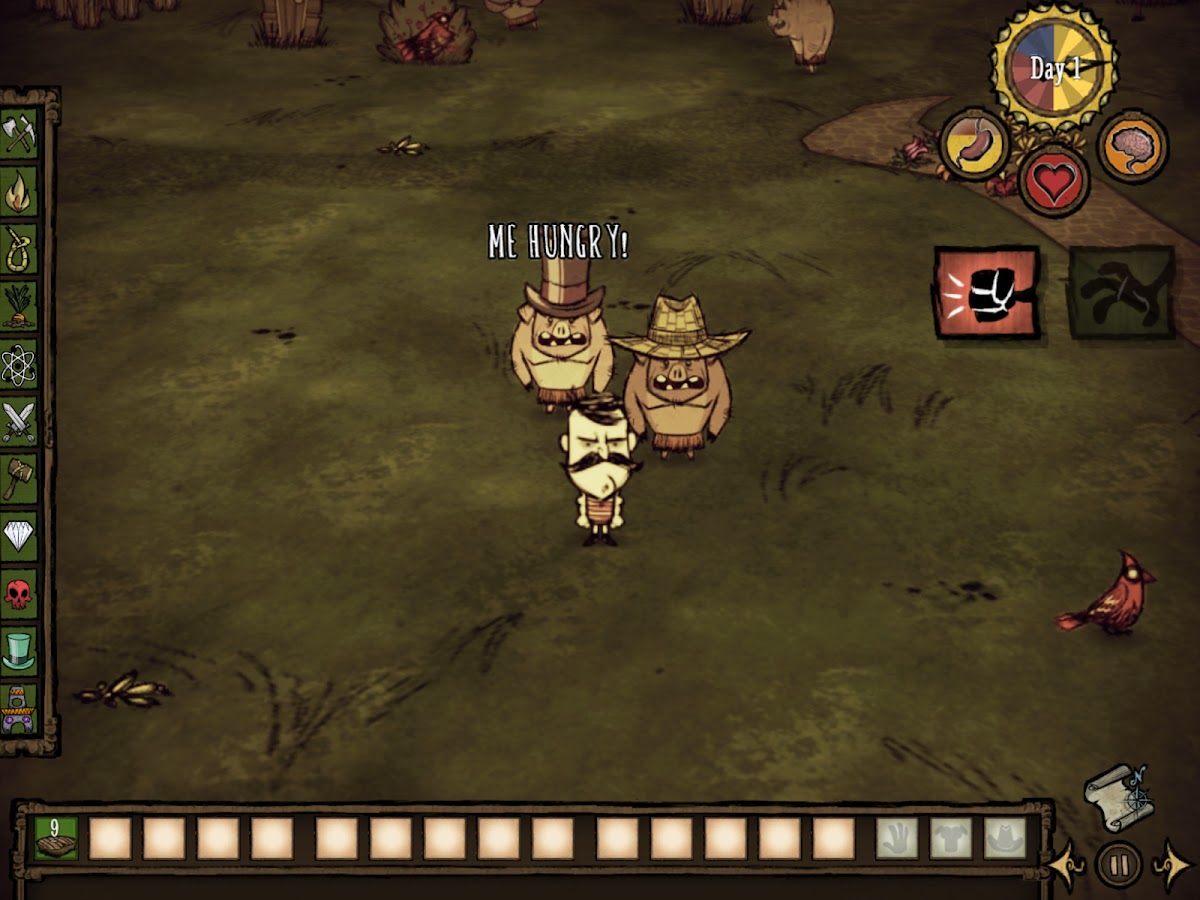

Don’t Starve: Pocket Edition makes even a small camp feel earned. You gather food, prepare light for the night, build workstations, and learn which resources are worth carrying home. Hunger, health, and sanity create competing priorities. An expedition that produces valuable materials can still be a poor decision if it leaves you too far from safety when conditions change.
Construction is primarily about survival: camps, farms, storage, and defenses support your ability to explore. The distinctive hand-drawn world looks inviting in screenshots, but repeated failures and harsh consequences are part of the design. Pocket Edition is a single-player release; it should not be confused with Don’t Starve Together. Choose it when you want a world that resists your plans, and when improving your judgment is as rewarding as unlocking another crafting recipe.
8. DYSMANTLE: Best for Turning Destruction into Progress
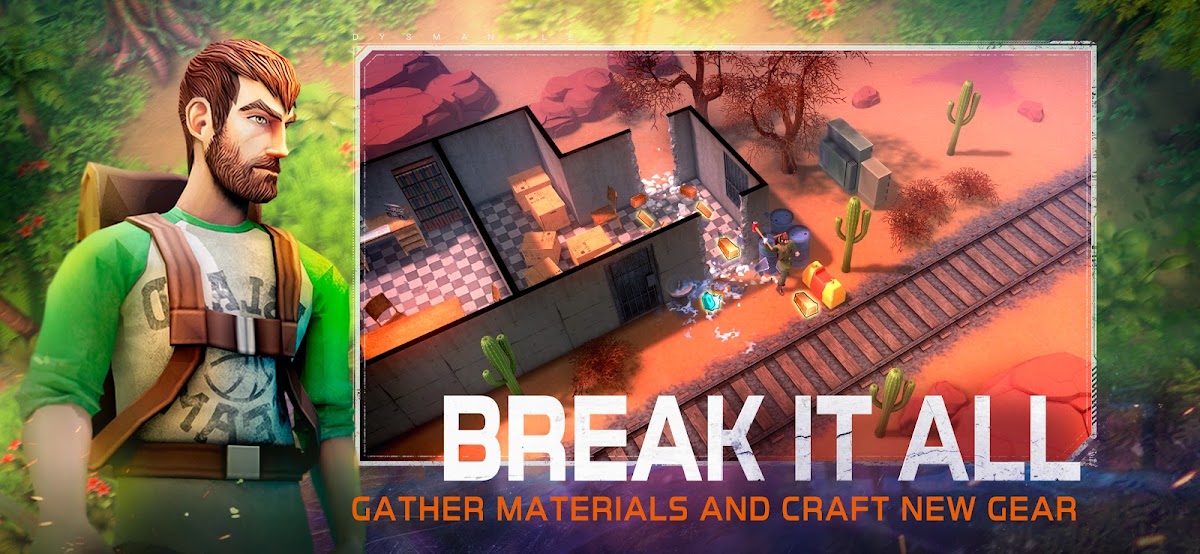
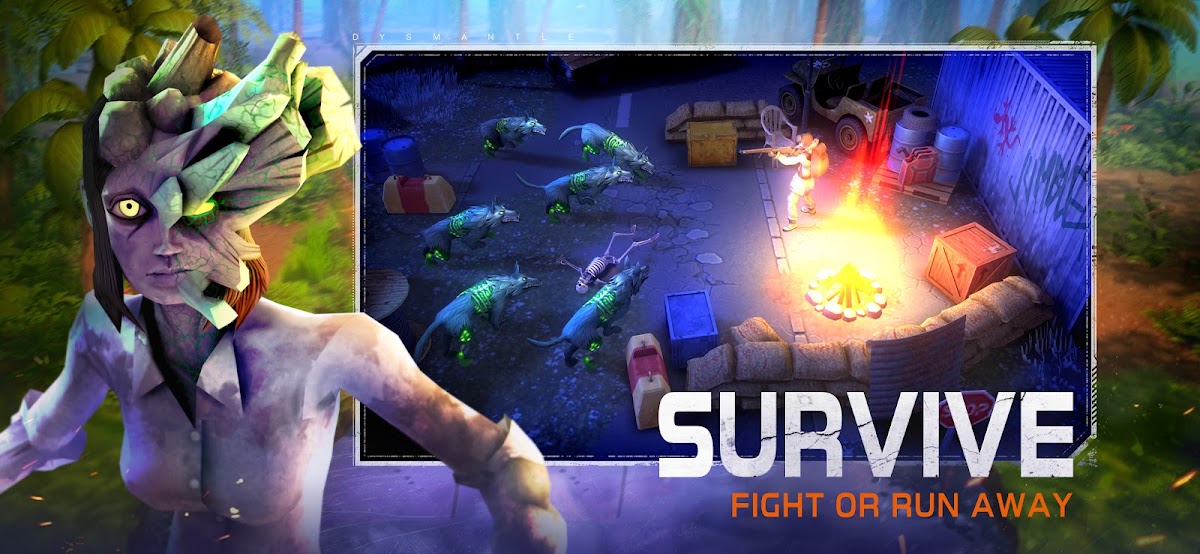
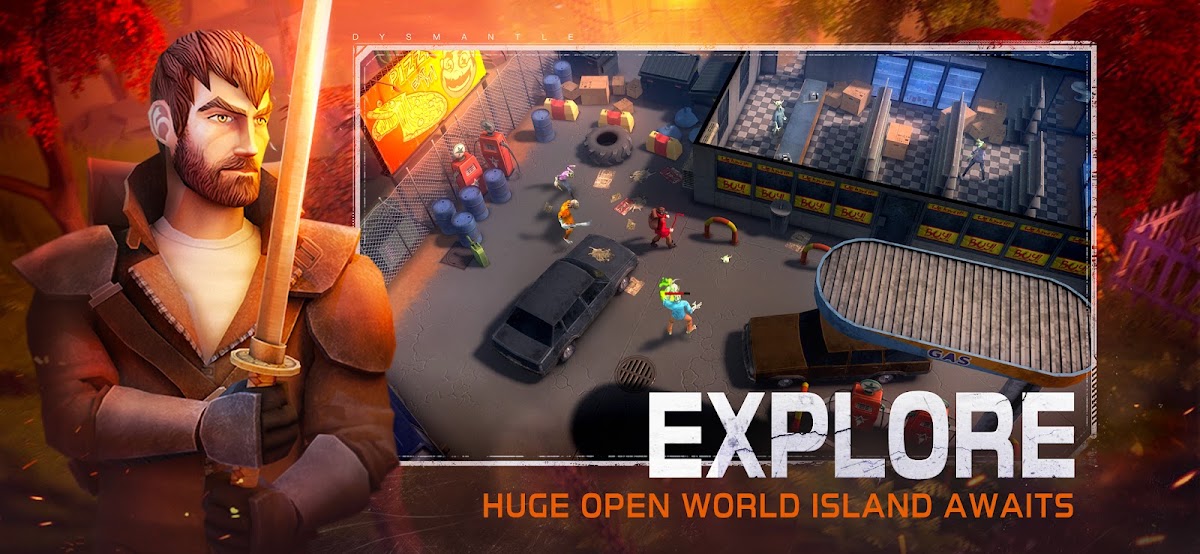
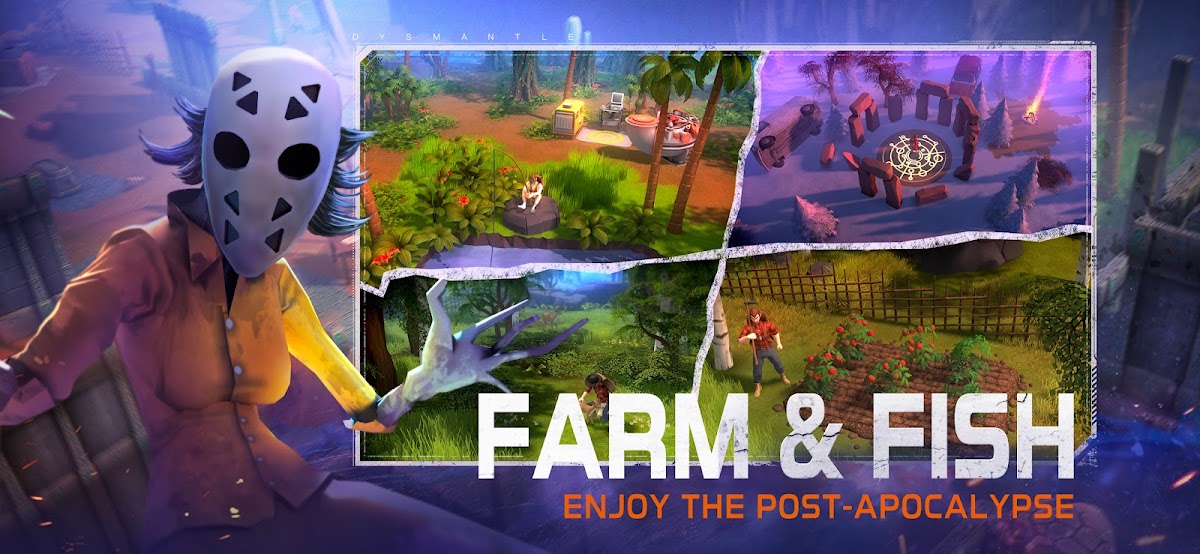
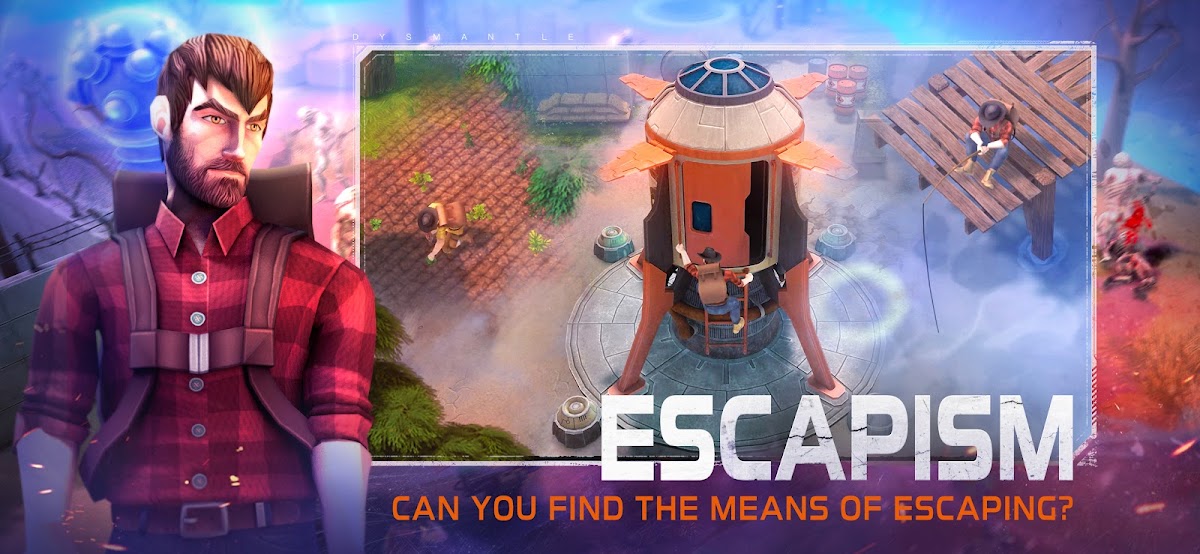
DYSMANTLE gives scavenging a satisfying physical logic. Break objects into materials, upgrade your equipment, and return to dismantle things your earlier tools could not handle. A wrecked settlement becomes both a place to investigate and a resource supply. Combat, environmental obstacles, puzzles, and discoveries keep the island from feeling like a sequence of identical gathering spots.
Its construction and crafting systems support the wider adventure through useful structures, equipment, and camp activities. They do not offer Minecraft’s unrestricted architectural freedom. The main attraction is a progression loop where stronger tools change how you interact with the environment. Additional content and mobile device requirements should be checked separately. Choose DYSMANTLE if exploration, salvaging, and gradually opening an island appeal more than designing an elaborate building from the ground up.
9. Forager: Best for Gathering and Automation
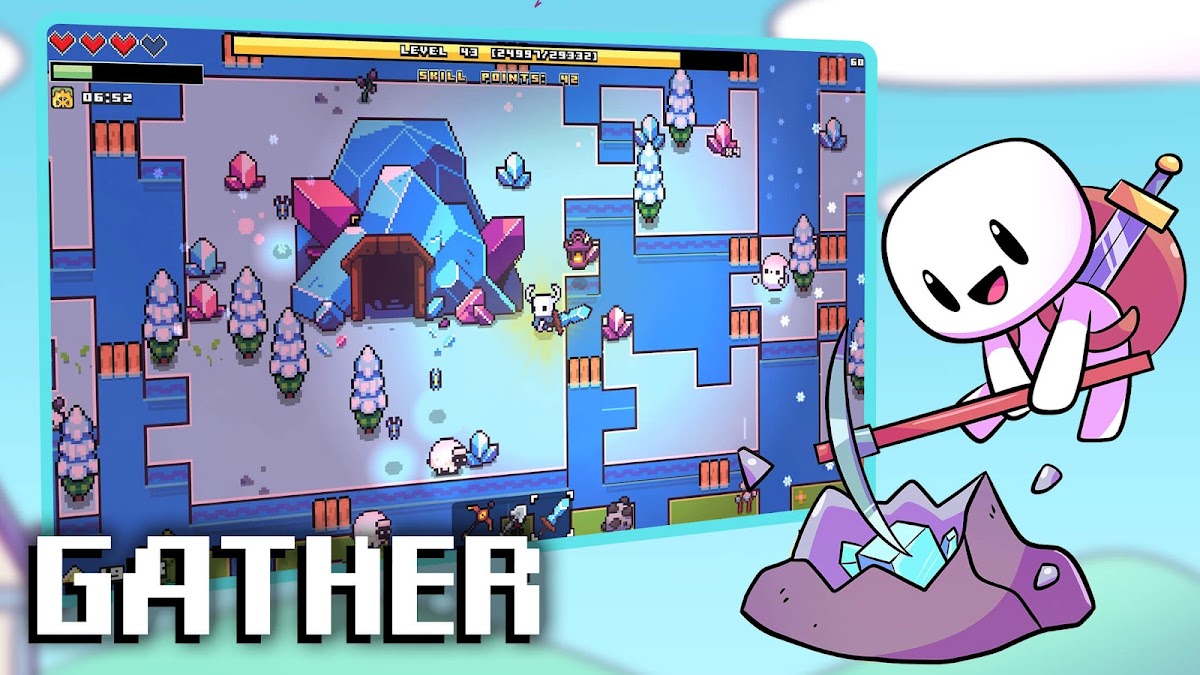
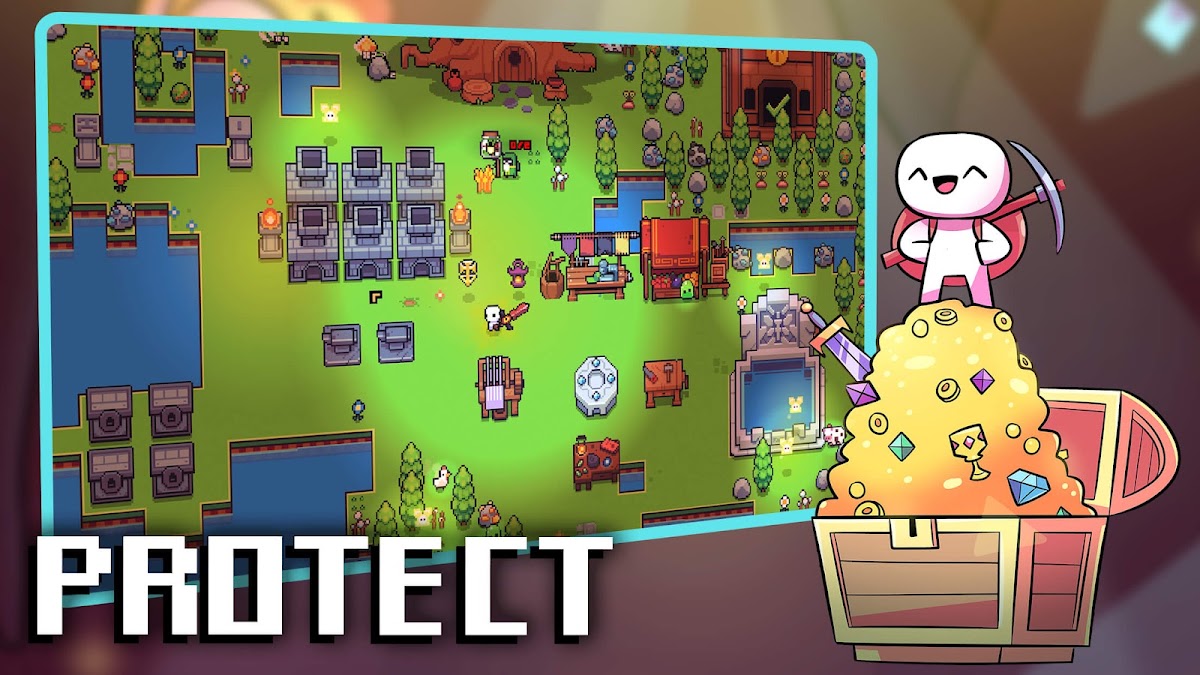
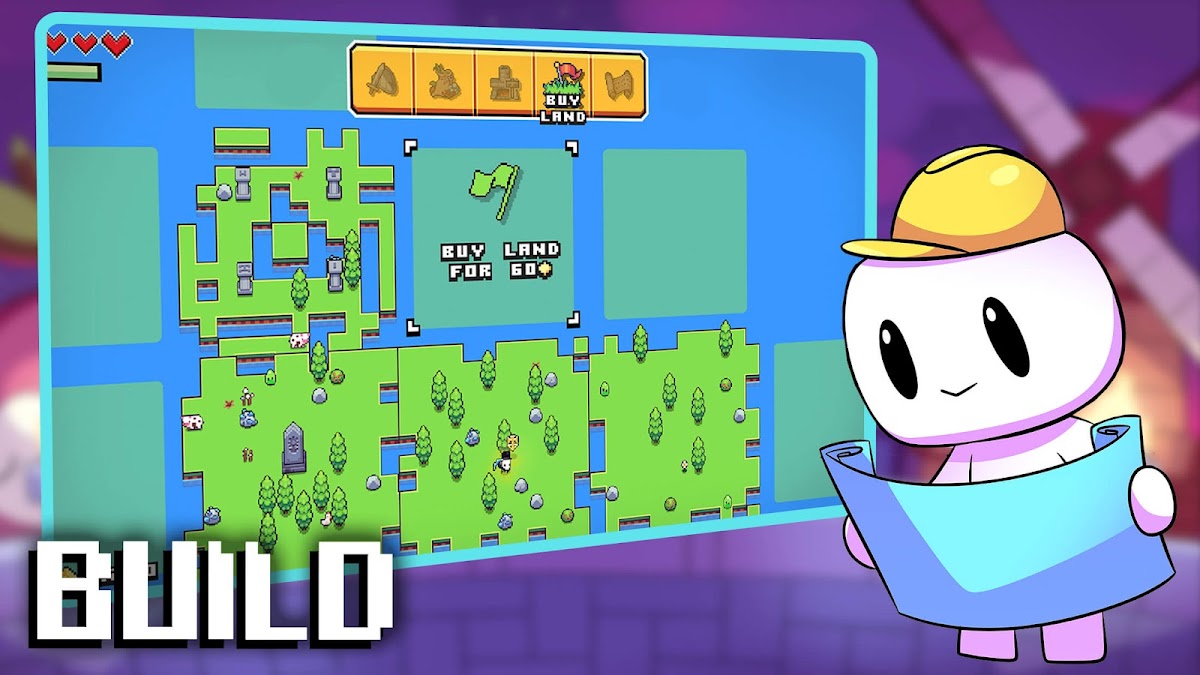
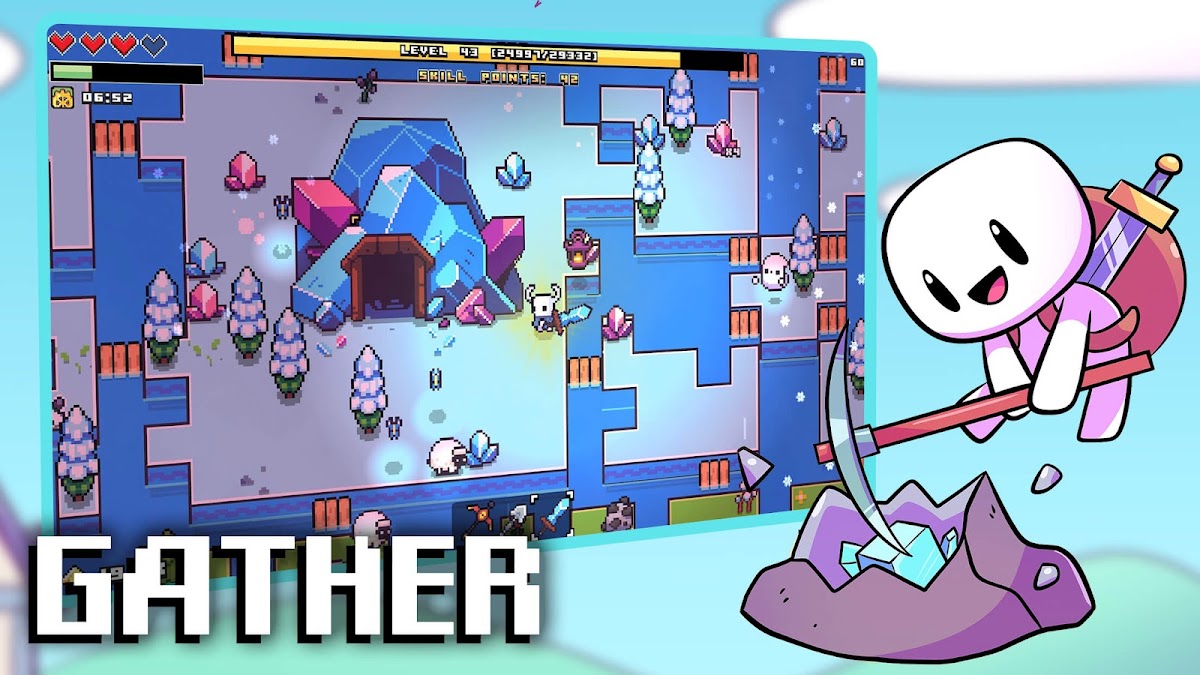
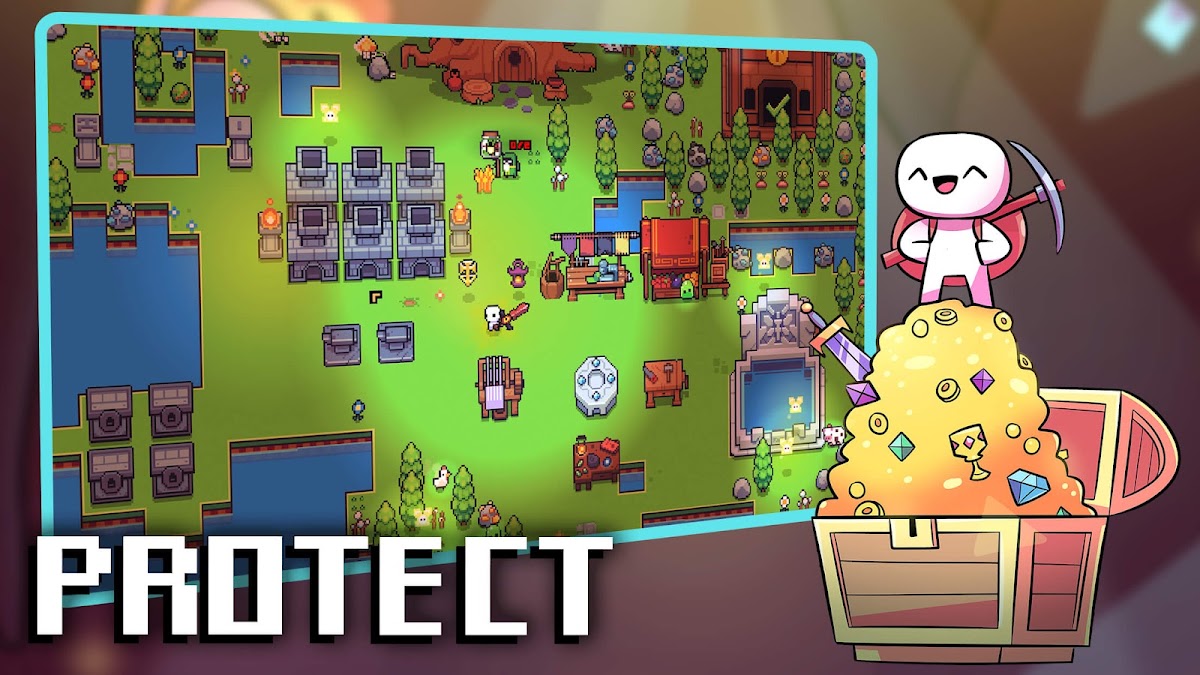
Forager starts small and rapidly connects resource gathering to land expansion, crafting, and production. A new machine increases what you can make; another piece of land introduces resources, puzzles, or a new obstacle. The pressure comes from deciding what to improve next rather than following a single construction blueprint. As production grows, automation can reduce repetitive collection and free you to investigate more of the world.
Building is mostly about arranging a productive base, although there is room to develop your own layout. The compact islands and busy pace give it a different character from a long wilderness expedition. Touchscreen targeting can become more demanding as the area fills with objects and machinery. Choose Forager if you enjoy upgrades that feed into one another and the satisfaction of making a small operation increasingly efficient. It is a solo experience, so do not choose it expecting a multiplayer building world.
10. Block Story: Best for a Block World with RPG Elements
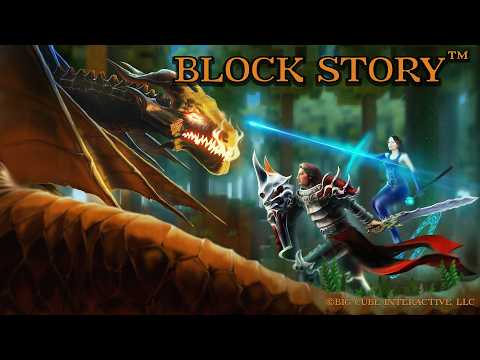
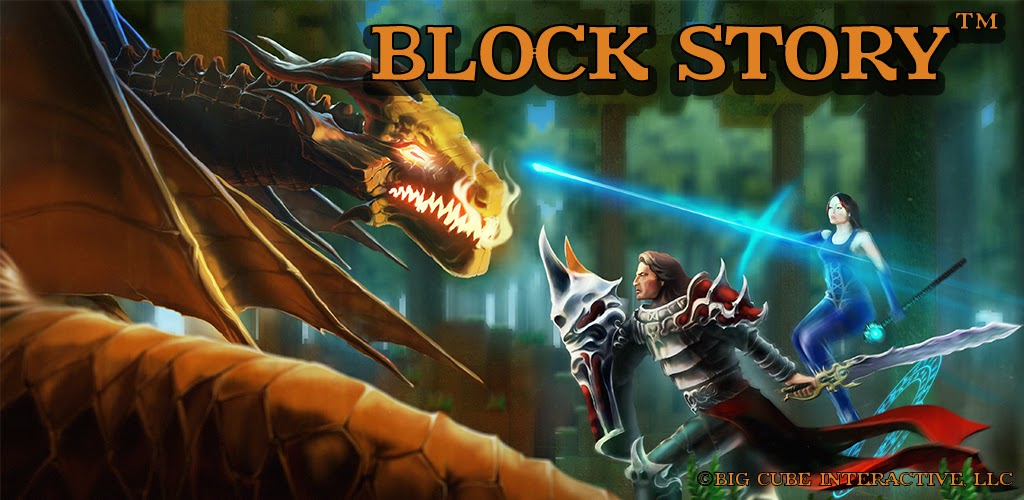
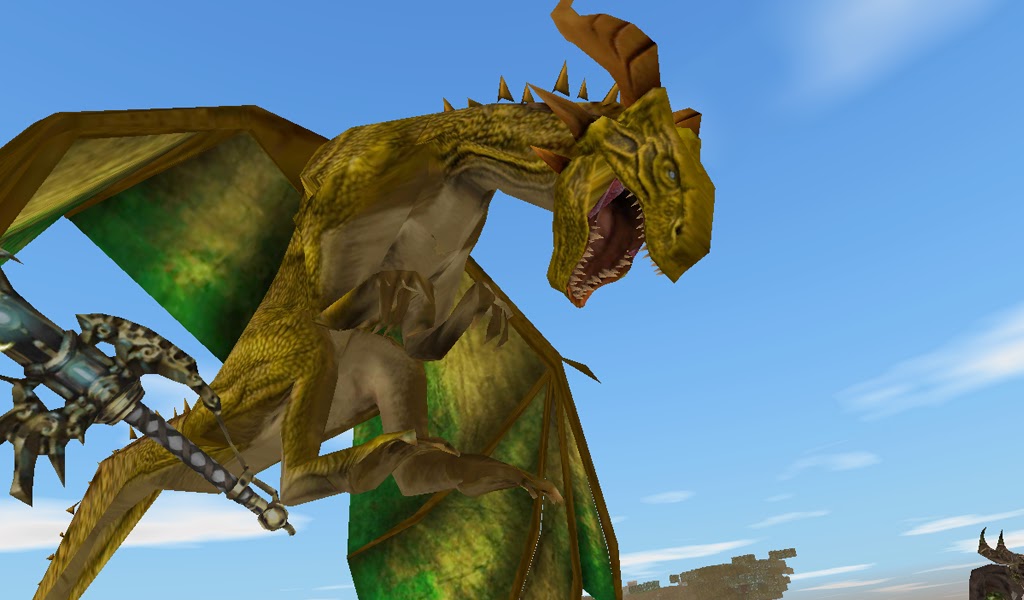
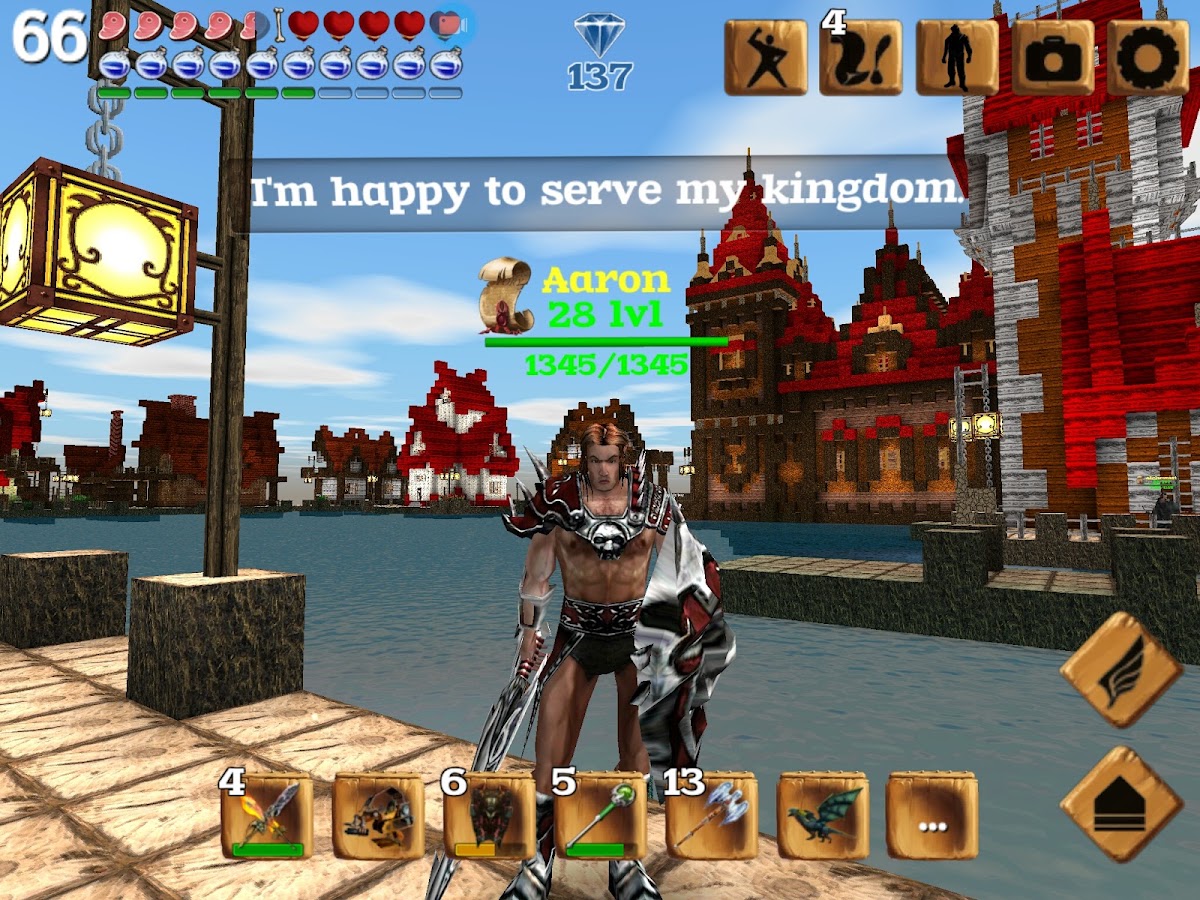
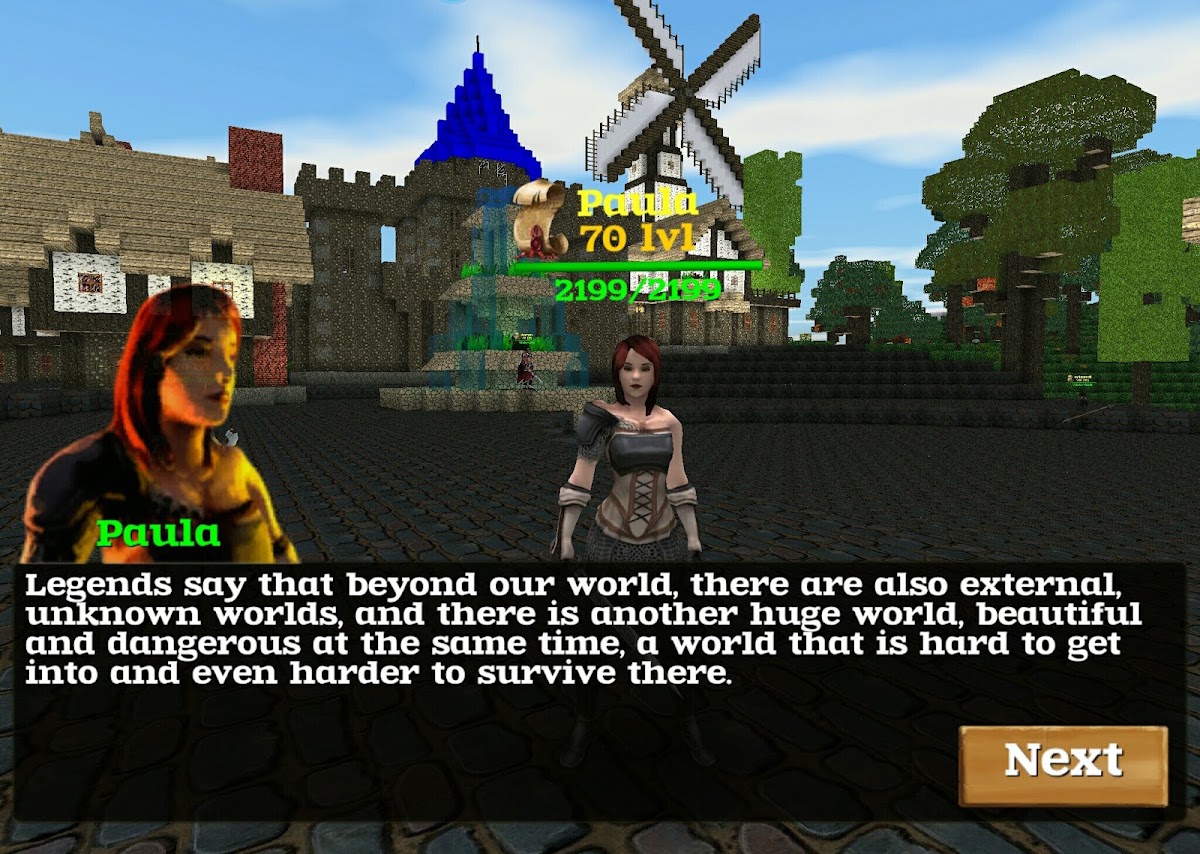
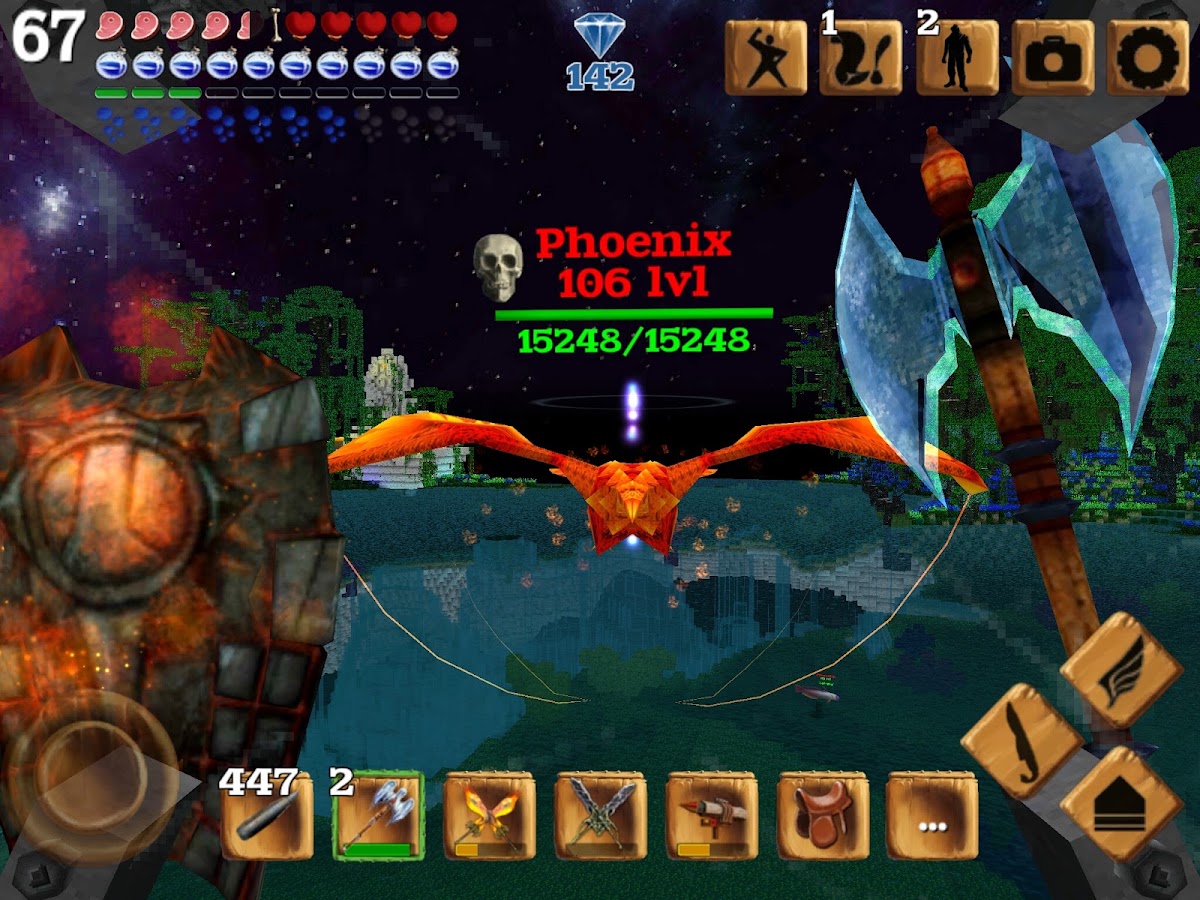
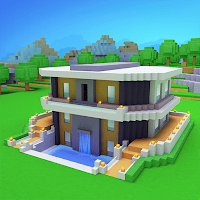
Block Story combines freeform block construction with fantasy role-playing. You explore a world of varied environments, gather materials, create equipment, and take on quests involving unusual creatures. The building system provides room for personal projects, while RPG progression gives another reason to investigate beyond the area surrounding your home. It suits players who want some of Minecraft’s construction freedom with a more explicit fantasy-adventure framework.
The editions need particular attention: the iOS listing uses the name Block Story Premium, and included features should be checked against the Android release. There is also a notice on the game’s website concerning Google Play account access, updates, and potential save compatibility problems. Check the current support position and back up an existing world before making changes. Block Story remains a relevant concept for this comparison, but that support uncertainty matters if you intend to invest in a long-running save.
11. Ocean Is Home: Survival Island: Best for First-Person Island Survival
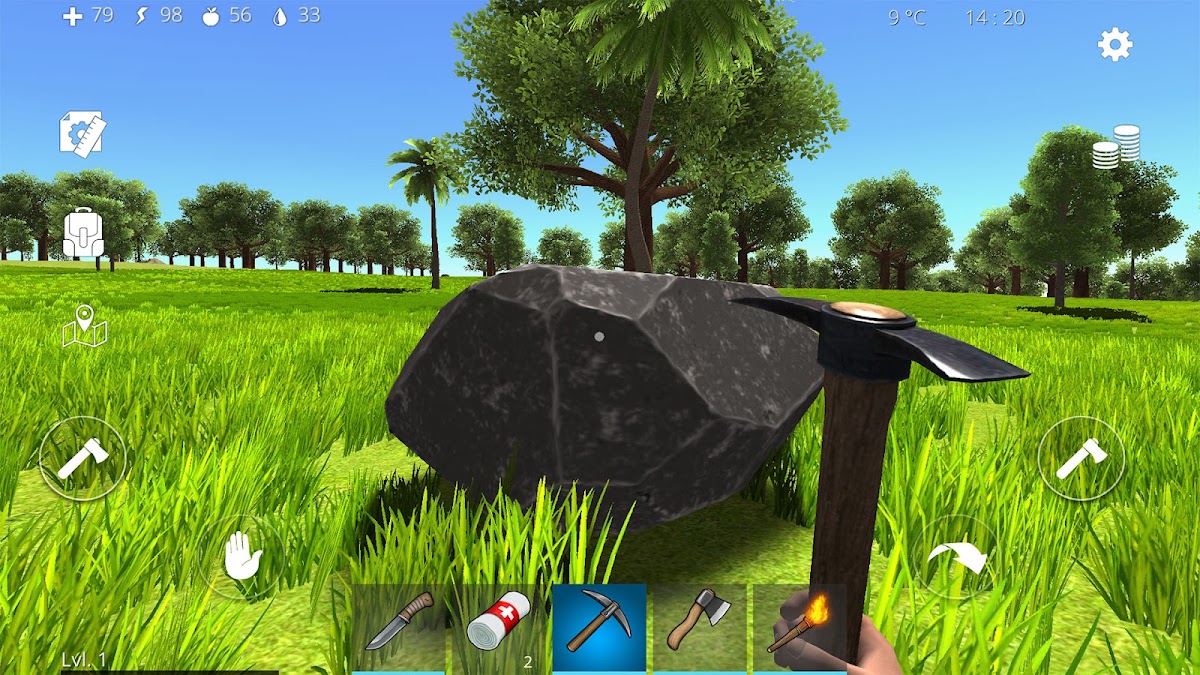
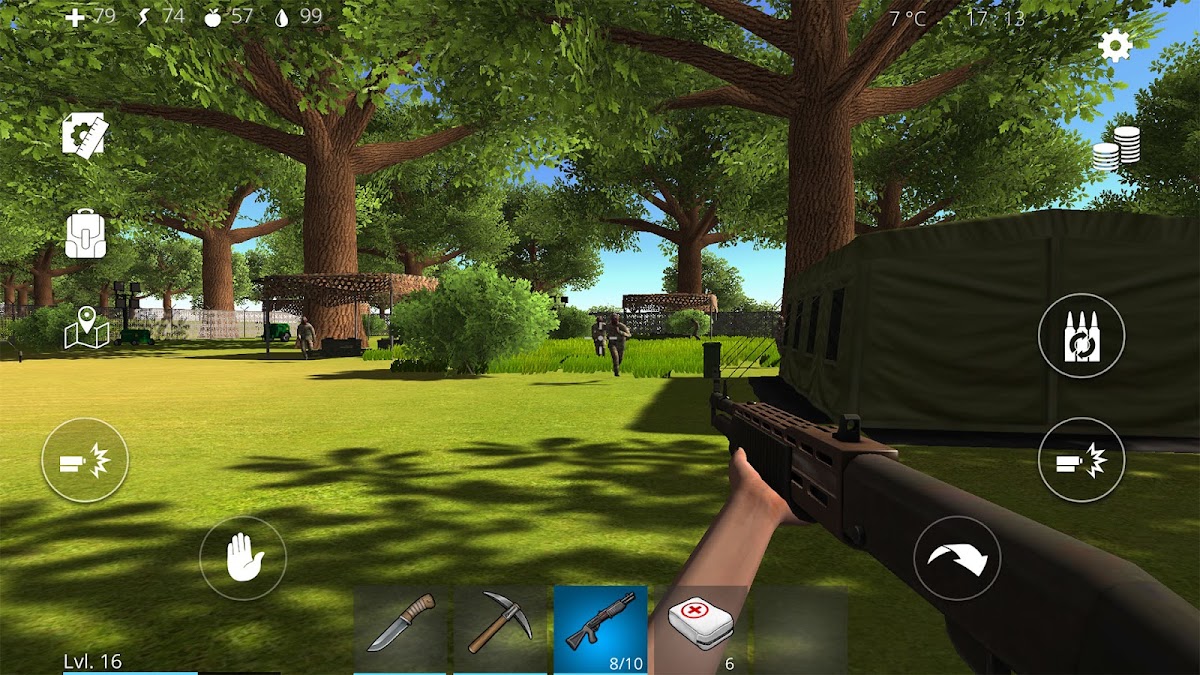
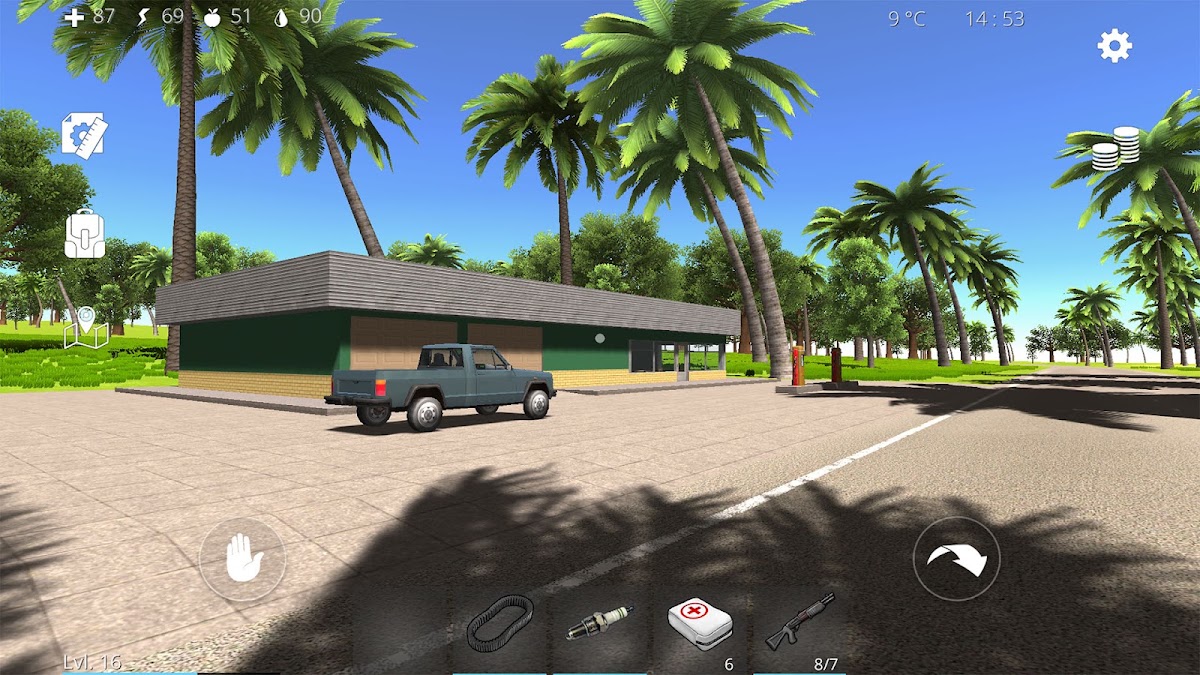
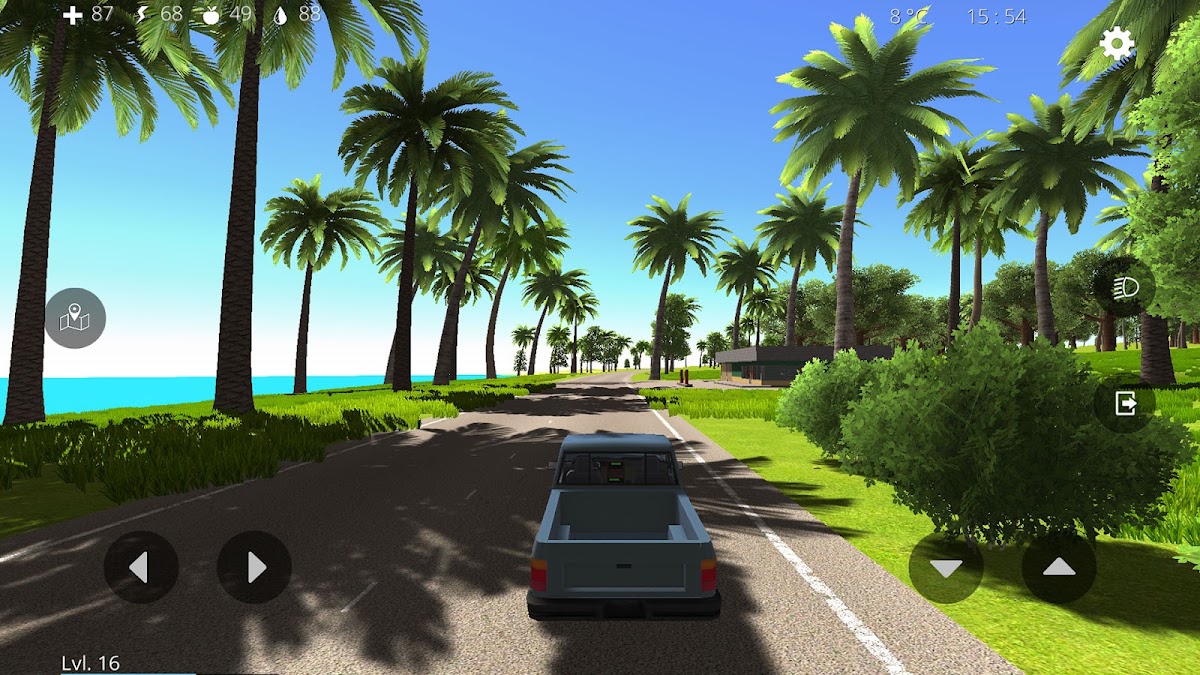
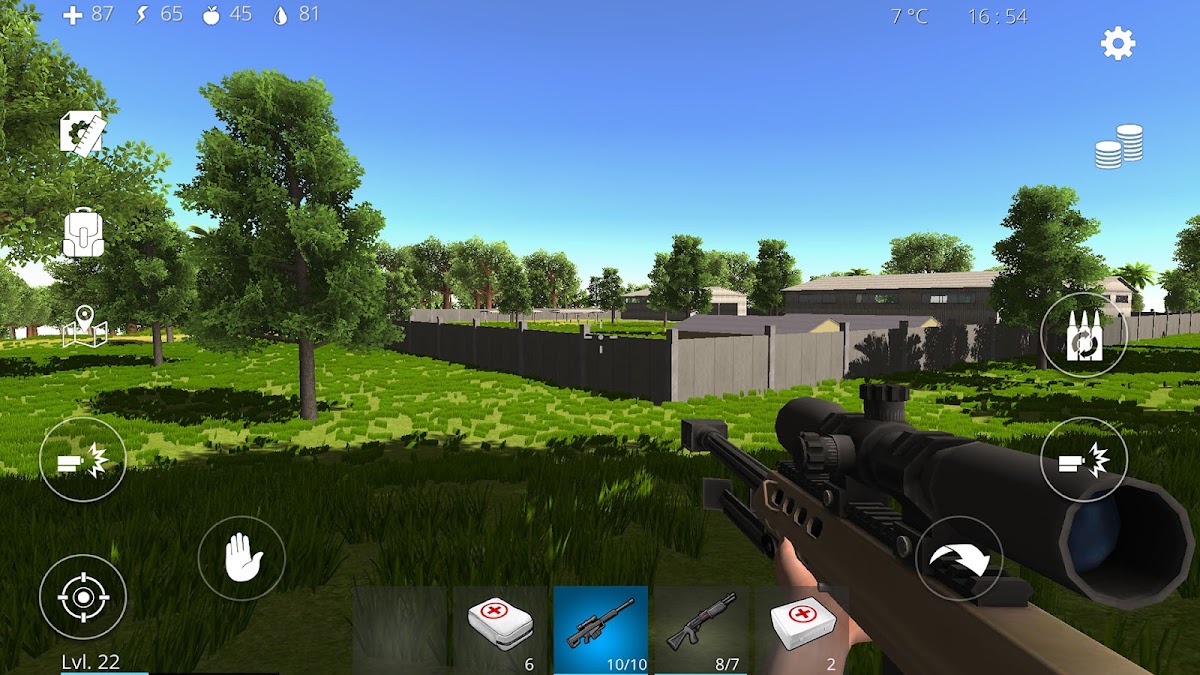
Ocean Is Home: Survival Island centers on turning an exposed island existence into a workable home. You search for food, collect wood and stone, craft tools, and build the facilities needed to become more self-sufficient. Exploring farther creates a practical trade-off: new resources are useful, but you still need to manage the journey and bring back what your next construction project requires.
Its first-person perspective makes house building and island exploration feel more direct than the overhead view used by several games here. Tools, transport, and survival facilities provide goals beyond placing walls, but the experience is less polished and tightly guided than the larger premium adventures in this selection. Optional purchases and platform differences should be checked before planning around a particular feature. Choose it for the gradual process of establishing an island home rather than a dense quest-driven RPG.
Which Mobile Sandbox Game Should You Choose?
The most useful distinction is what you want to do after collecting materials:
- Design buildings and reshape terrain: Minecraft or Survivalcraft 2.
- Build while following a story: DRAGON QUEST BUILDERS.
- Find equipment, explore, and fight bosses: Terraria.
- Combine taming with survival and base building: ARK: Ultimate Mobile Edition.
- Follow a more approachable crafting adventure: Crashlands.
- Make difficult survival decisions: Don’t Starve: Pocket Edition.
- Salvage an environment and improve your tools: DYSMANTLE.
- Build efficient production chains: Forager.
- Establish a first-person island home: Ocean Is Home: Survival Island.
Check the multiplayer model separately. Availability on iOS and Android does not automatically mean the two versions can join the same world. Likewise, an open world does not establish offline support, controller compatibility, or shared saves.
Before You Start a Large Building Project
A sandbox save can represent many hours of work, so it is worth checking the practical details before committing to one world.
First, test the controls with a modest project. Place walls, manage an inventory, fight an enemy, and move the camera through a confined area. A game that looks comfortable in a trailer may feel different on your display.
Next, check save and backup options for your edition. Cloud synchronization, account features, and transferable world files are different systems; none should be assumed simply because the game exists on another platform. For larger games, complete additional downloads and confirm the modes or expansions you intend to use.
Frequently Asked Questions
Conclusion
Choose a sandbox by the kind of project you want to finish. Minecraft and Survivalcraft 2 offer broad construction freedom; Terraria connects crafting to exploration and combat. DRAGON QUEST BUILDERS and Crashlands give your work more direction through stories, commissions, and quests.
For a tougher environment, consider ARK or Don’t Starve. For salvaging and production, look at DYSMANTLE and Forager. Ocean Is Home offers the gradual satisfaction of establishing an island base, while Block Story combines block building with fantasy progression and a support situation worth checking. Match those differences to how you want to spend your time, then confirm that the mobile controls and save options support the world you plan to build.