A good loot drop can give you a reason to rethink your build. A staff might make a spell worth investing in, or a piece of armor might let you trade some defense for more damage. The best mobile action RPGs give you enough control over your skills to make those decisions matter.
Torchlight: Infinite is the best starting point if you want talent planning and a long gear hunt. Undecember: The Farside gives you more freedom to assemble skills without a fixed class. For an offline dungeon crawler, start with AnimA ARPG or Dungeon Ward. Darkrise and Magic Rampage offer the same pleasure of tinkering with a build in side-scrolling combat.
All 18 games have Android and iPhone listings, with edition differences noted below. Availability can vary by store region and device.
Best mobile action RPGs at a glance
| Game | How you develop a build | What makes loot matter |
| Torchlight: Infinite | Hero traits, talent panels, and skill supports | Legendary items can give an existing build a new direction |
| Undecember: The Farside | Zodiac passive nodes, Skill Runes, and Link Runes | Weapons, armor, and rune modifiers support a classless build |
| Diablo Immortal | Class skills and Paragon trees | Legendary effects modify abilities, while set pieces reward matching gear |
| AnimA ARPG | Skill points, specializations, and multiclass options | Dungeon drops and equipment sets reward replaying harder content |
| Soul Knight Prequel | Class skills, hybrid classes, and specializations | Equipment and Fatebound effects reinforce a chosen playstyle |
| Darkrise – Pixel Action RPG | Class abilities and a skill tree | Enemy drops, sockets, and item upgrades support side-scrolling combat |
| Dungeon Ward | Class skills, ranks, and talents | Dungeon gear helps prepare for tougher encounters and bosses |
| Powerlust | Classless masteries, talents, and abilities | Rare gear can make a new weapon or spell combination worth trying |
| Magic Rampage | Class choice and a skill tree | Weapons and armor affect how you attack, move, and jump |
| Shadow of Death: Dark Knight | Fighter-specific skill trees | Weapons and rare armor sets suit different approaches to combat |
| Almora Darkosen RPG | Combat abilities and character progression | Enemy drops and upgrade materials help you prepare for new areas |
| 9th Dawn III | An ability tree alongside trainable skills | Dungeons hold equipment, treasures, and crafting materials |
| Epic Conquest 2 | Character-specific skills, masteries, and attributes | Exploration and combat supply materials for crafting and upgrading gear |
| Inotia 4 | Class skills and mercenary abilities | Equipment helps balance the roles in your party |
| ZENONIA® 5 | Class skill charts and character progression | Gear supports four distinct combat styles |
| Pascal’s Wager | Character talent branches | Equippable trophies and crafting materials help tune a Soulslike build |
| Albion Online | Destiny Board progression and gear-based skills | Dungeon rewards and full-loot PvP give equipment different stakes |
| Dungeon Quest | Heroic Skills and equipment talents | Randomized gear gives you a reason to push deeper into the dungeon |
1. Torchlight: Infinite — best for talent planning and legendary gear

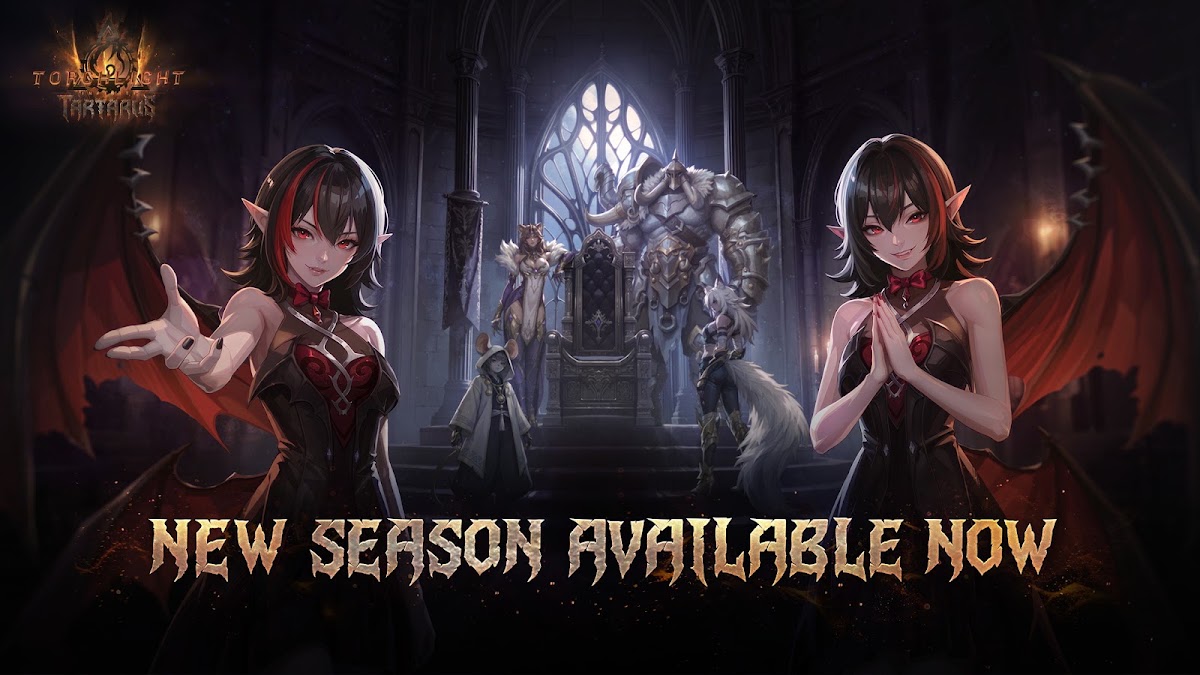
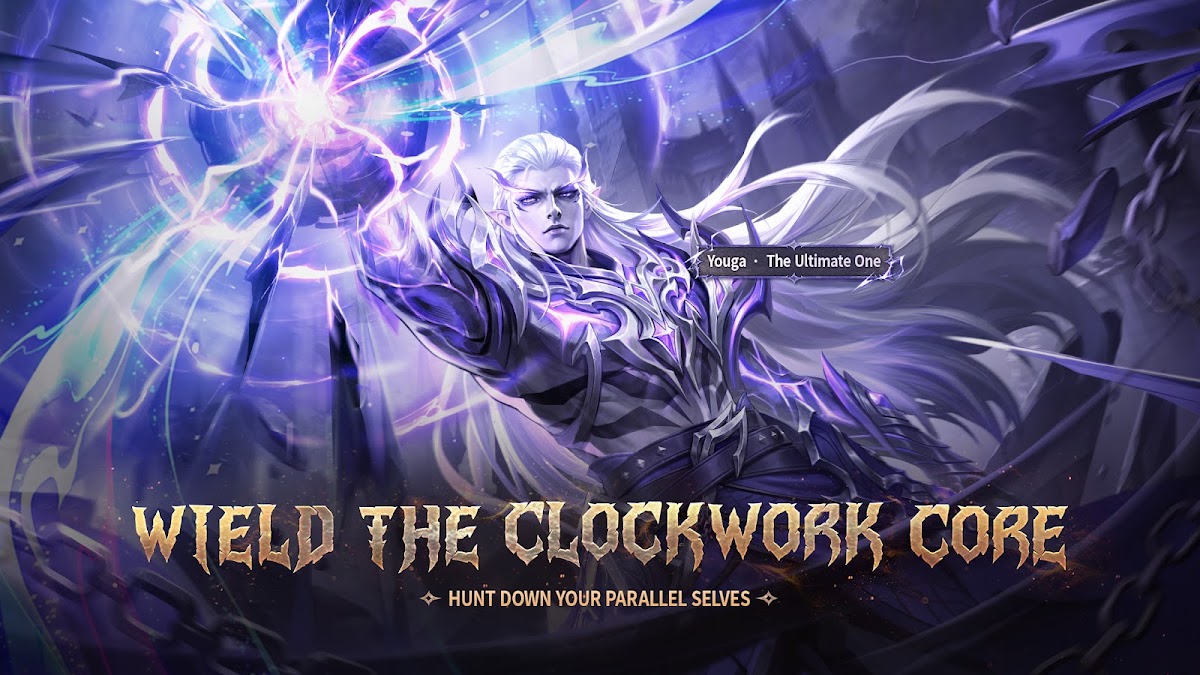
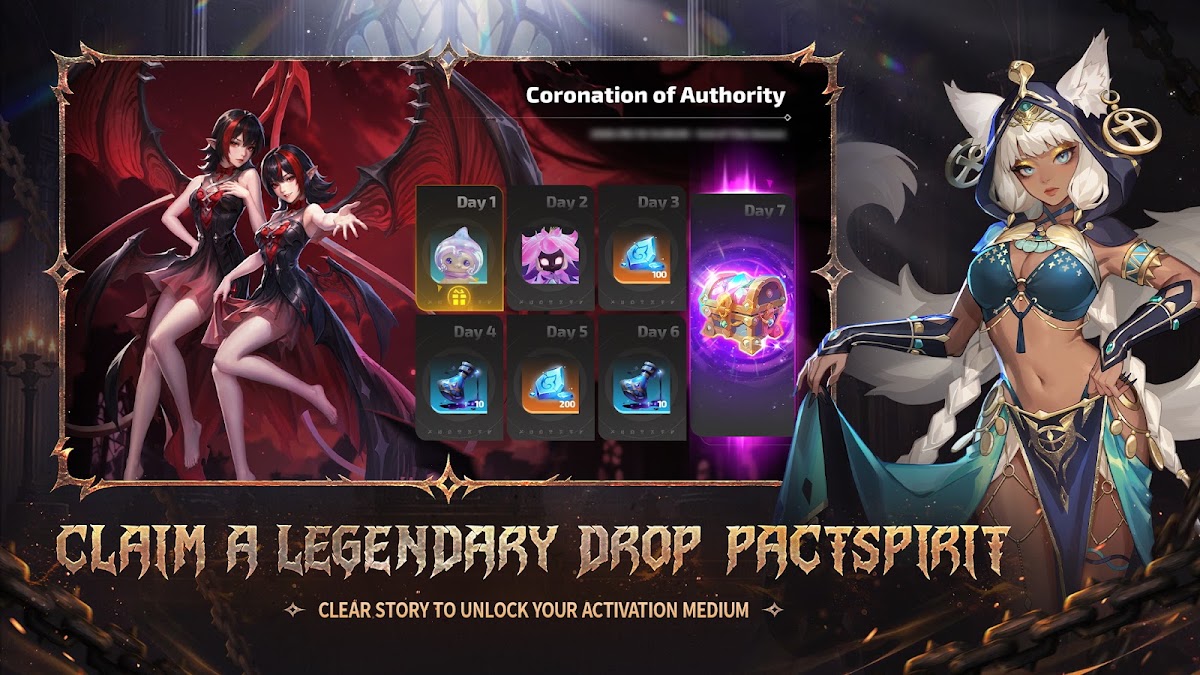
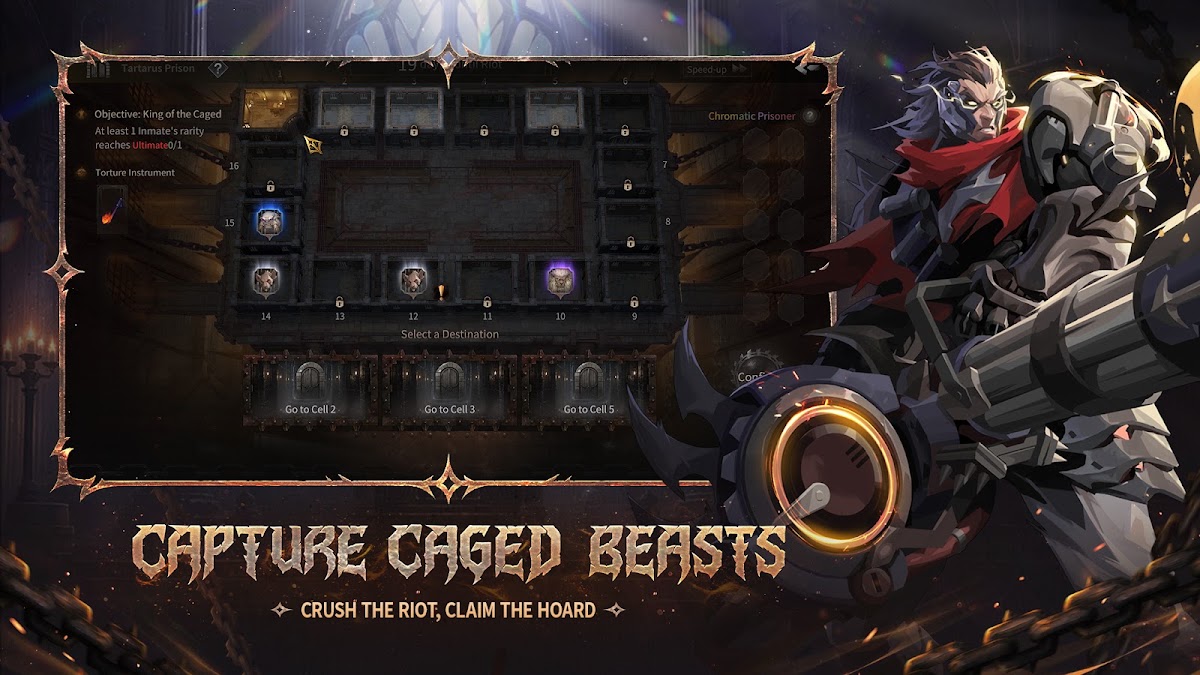
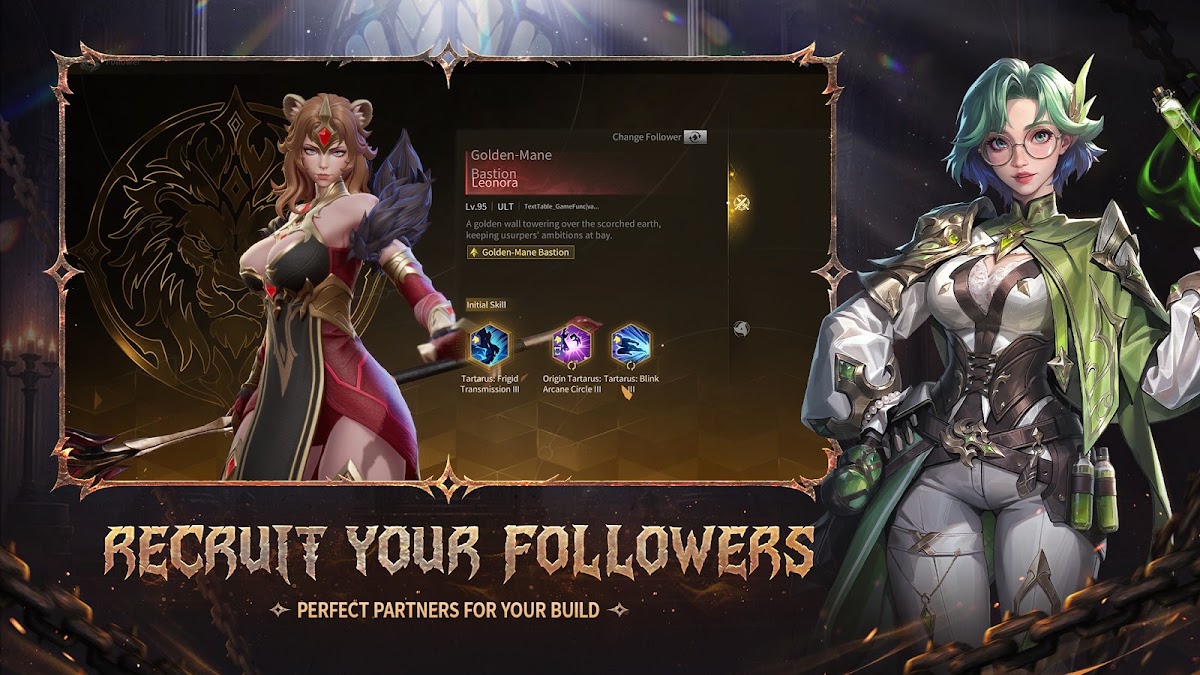
Start with a hero trait, choose an active skill you want to build around, and use support skills and talent panels to push it in a specific direction. Even when two players start with the same hero, they can arrive at different builds by prioritizing different effects. Unlocking a core talent can give you a reason to revisit both your skills and your gear.
The loot chase works best when you know what your build needs. A legendary item with an effect that supports your main skill can be more interesting than another weapon with a higher damage number. Choose Torchlight if testing those interactions is as satisfying to you as clearing the next dungeon.
2. Undecember: The Farside — best for classless rune builds
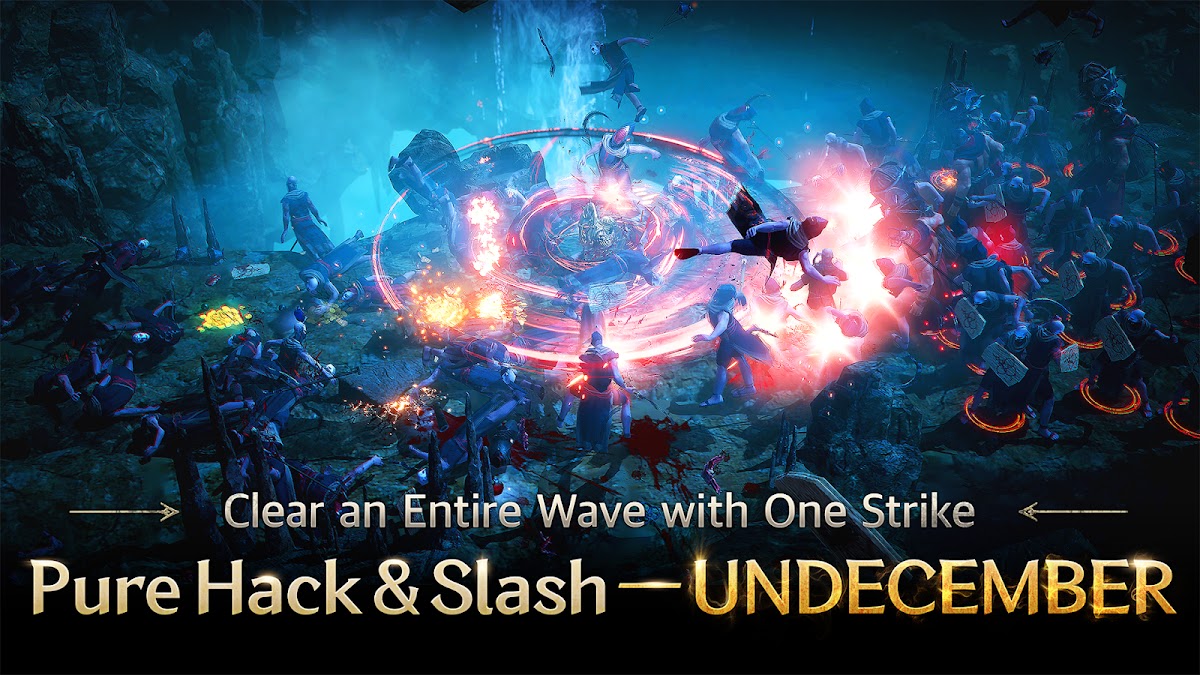
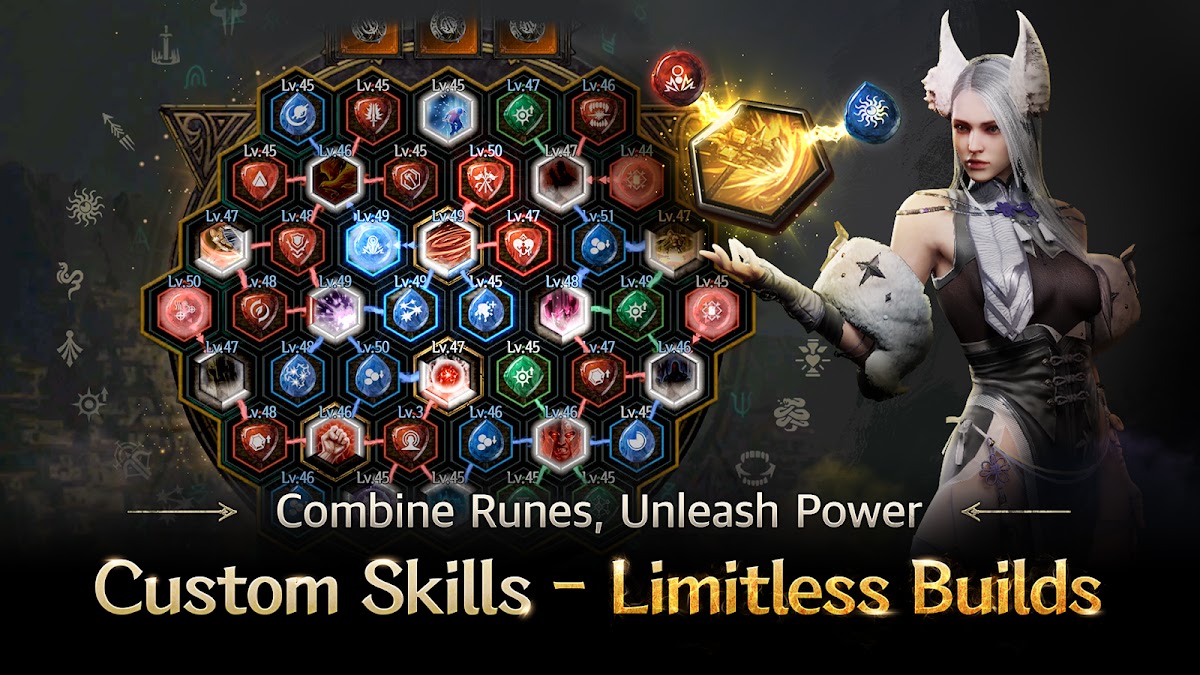
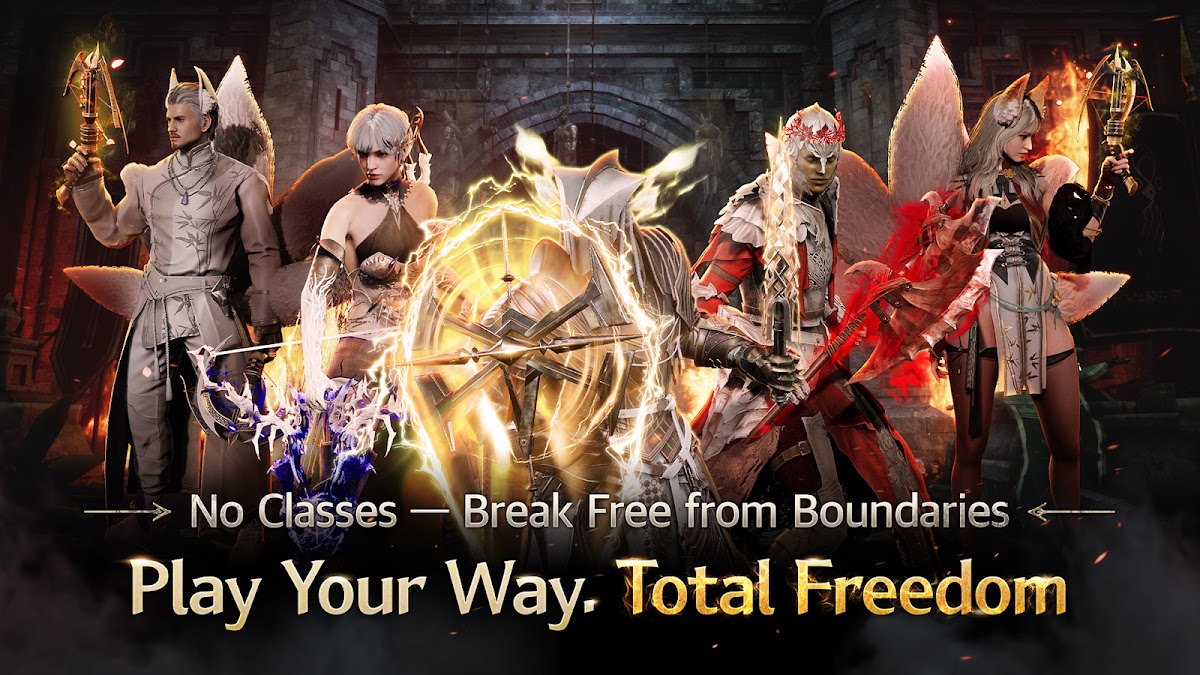
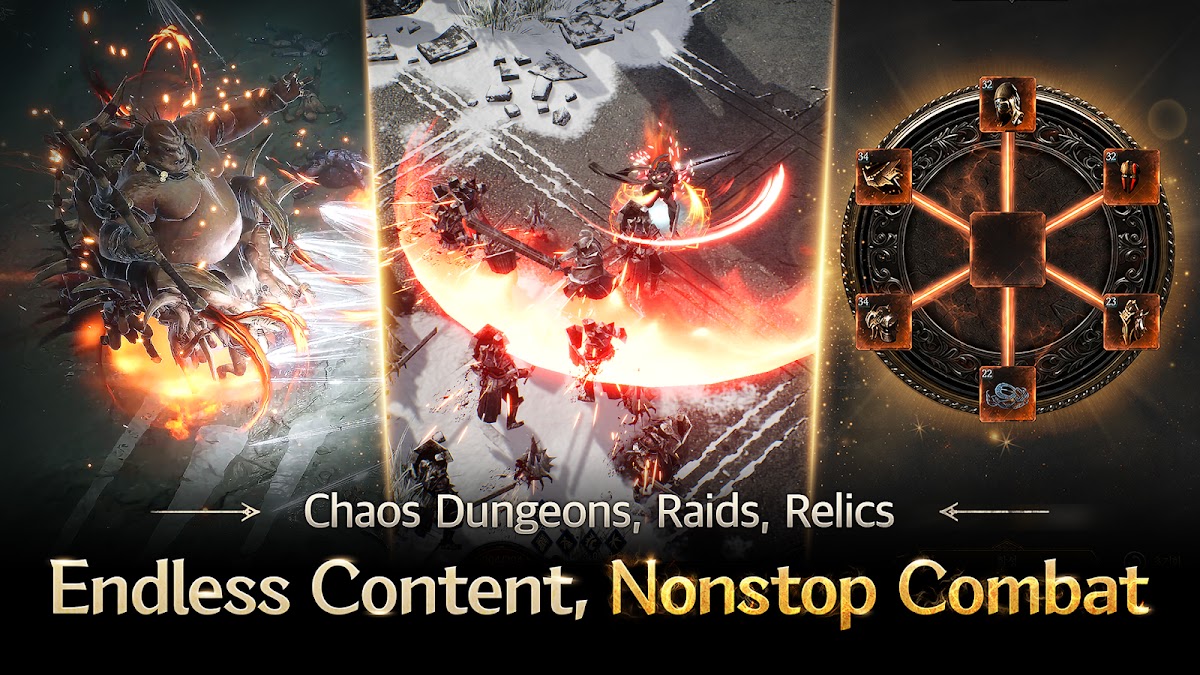
Undecember splits build planning into two parts. The Zodiac is where you spend points on passive traits. The rune board is where you place Skill Runes and connect compatible Link Runes to change how those skills behave. If you like the idea of building around a spell or attack first and choosing your broader specialization later, that separation gives you room to experiment.
When comparing gear, start with the skill you actually use. An item that improves the kind of damage your main rune deals can be a better fit than one with a higher headline stat. Undecember is especially good for players who enjoy putting a build together piece by piece.
3. Diablo Immortal — best for class builds and Paragon progression
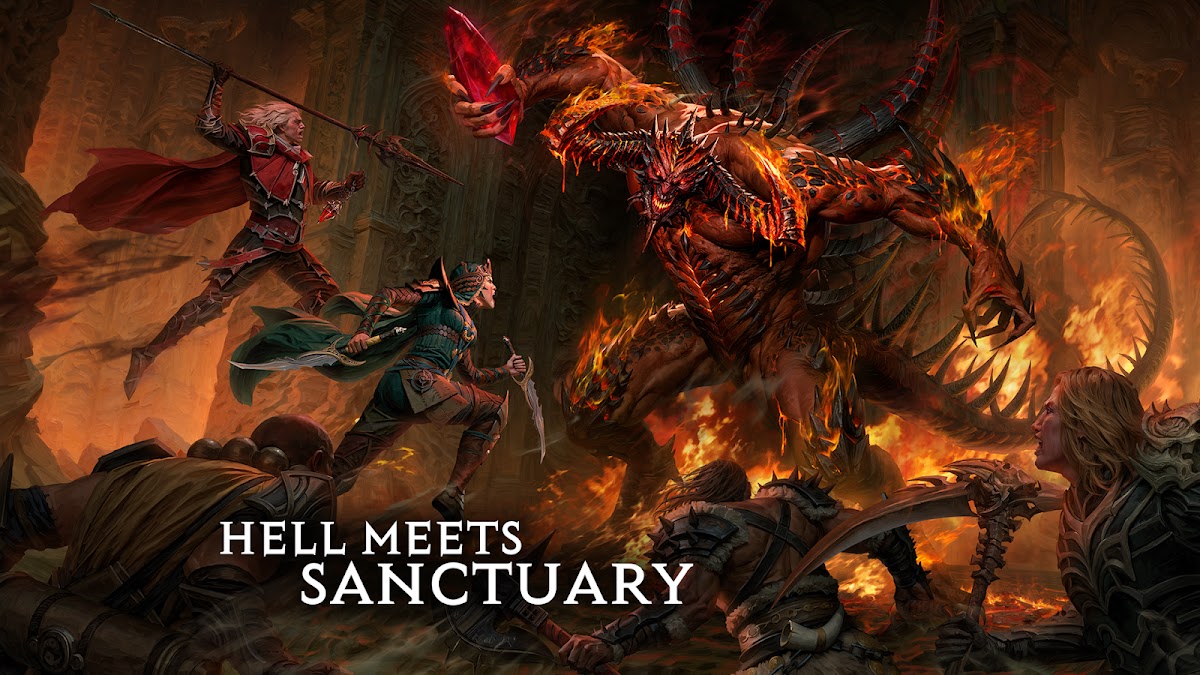
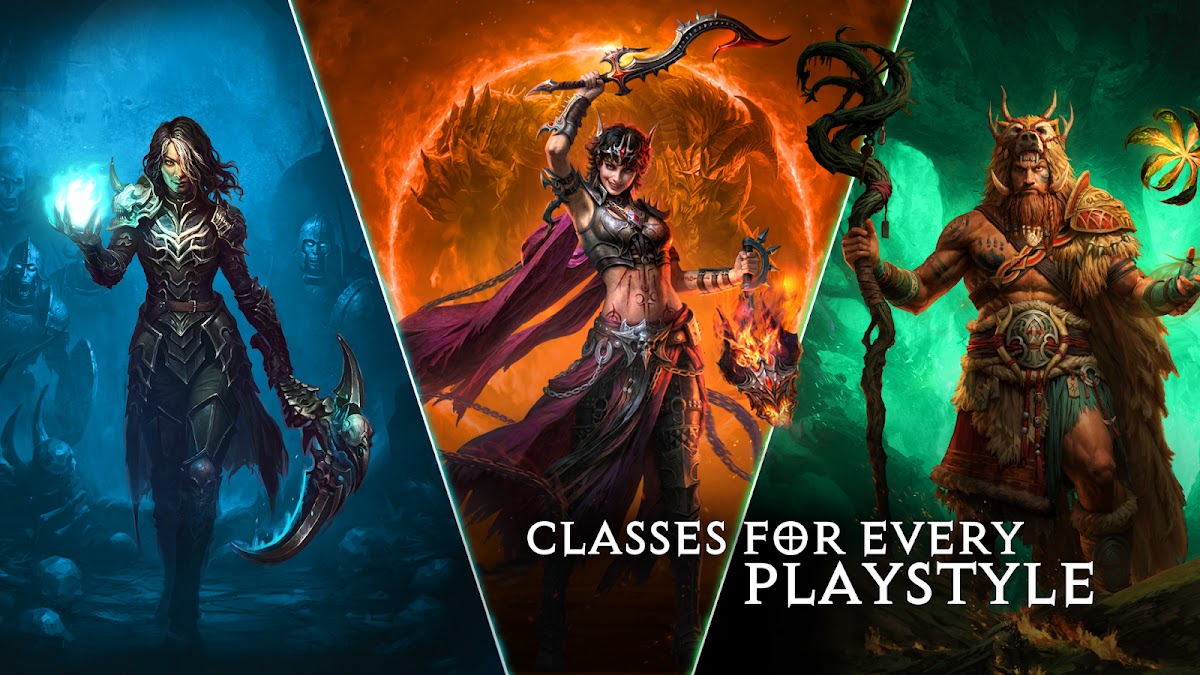
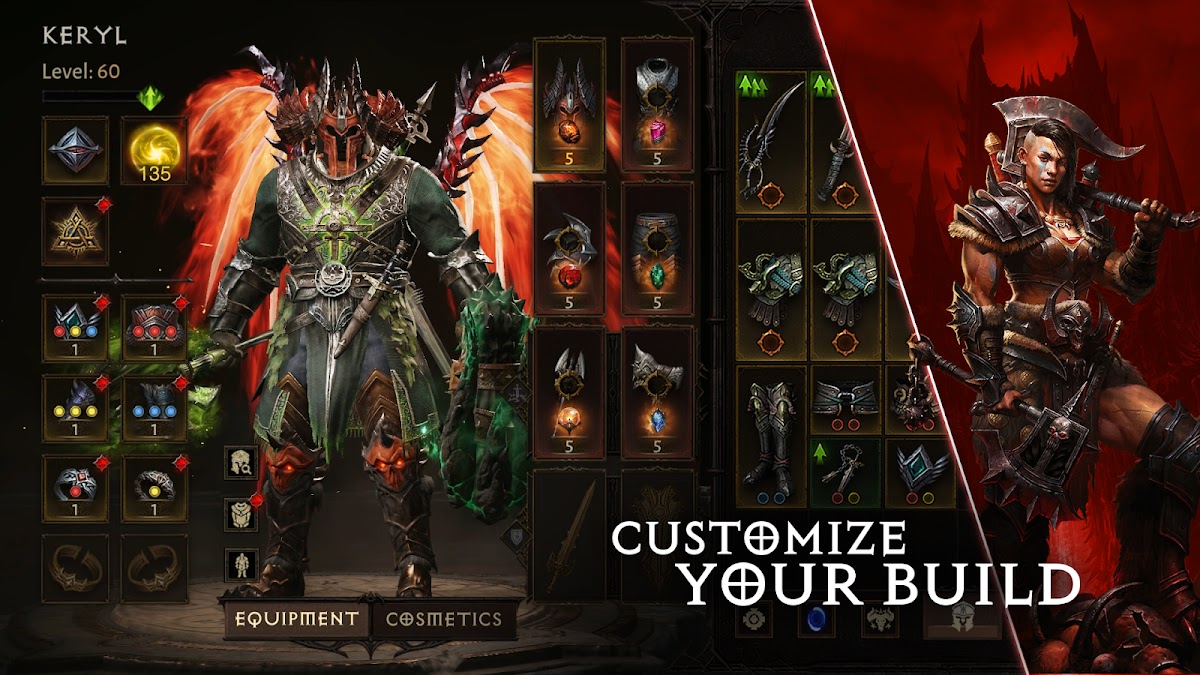
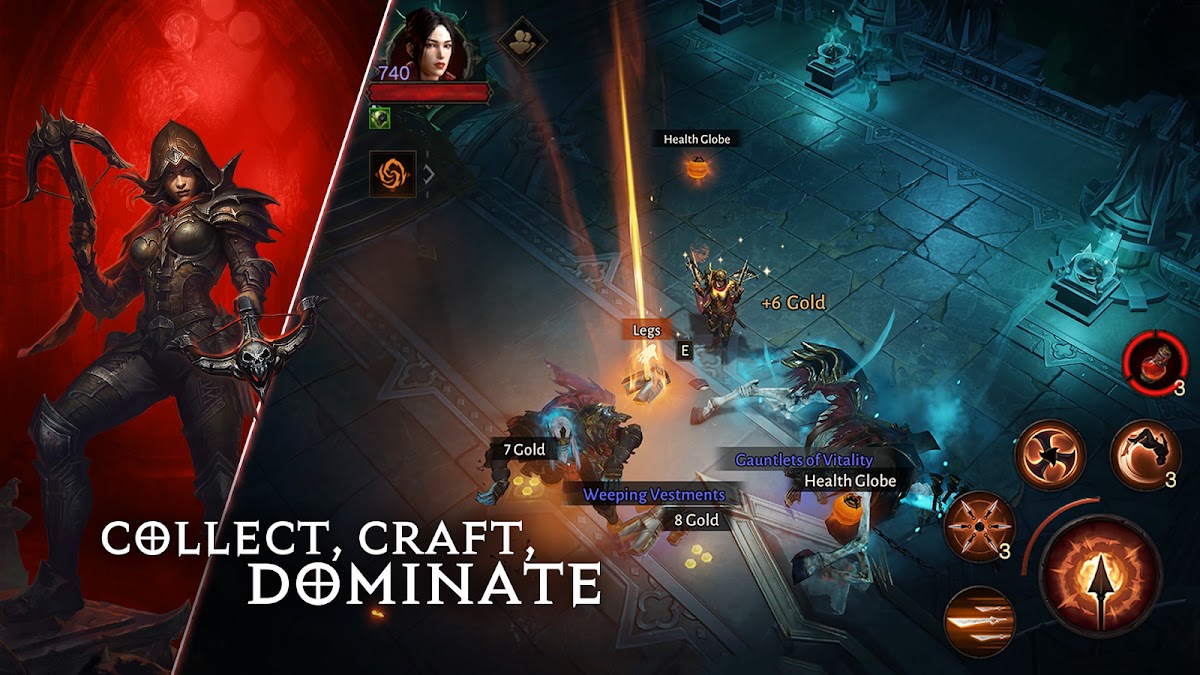
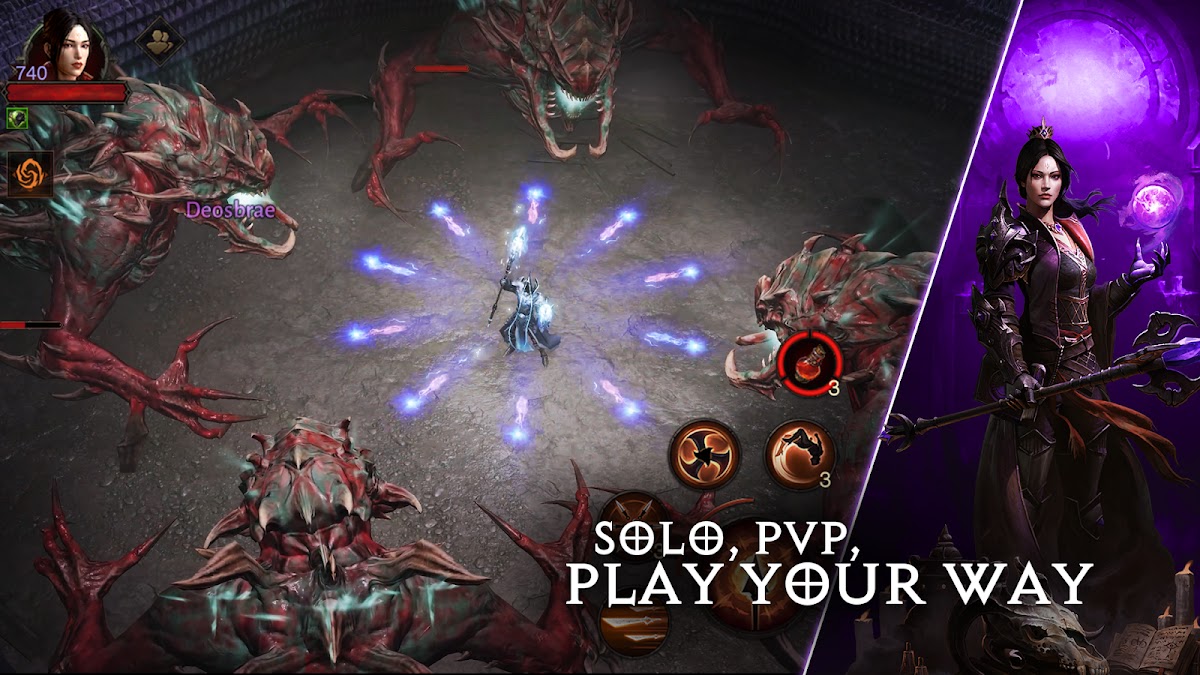
Diablo Immortal starts with a class and its combat skills. Later, Paragon trees give you another set of choices. The gear that makes the biggest difference to how a build feels is often legendary equipment whose effects change a class ability. Set pieces add another decision as you weigh the bonus from a matching set against the value of individual items.
This is an online action RPG with group activities and recurring progression goals. It suits players who want recognizable class identities and reasons to keep refining a character after the campaign.
4. AnimA ARPG — best for an offline Diablo-style campaign
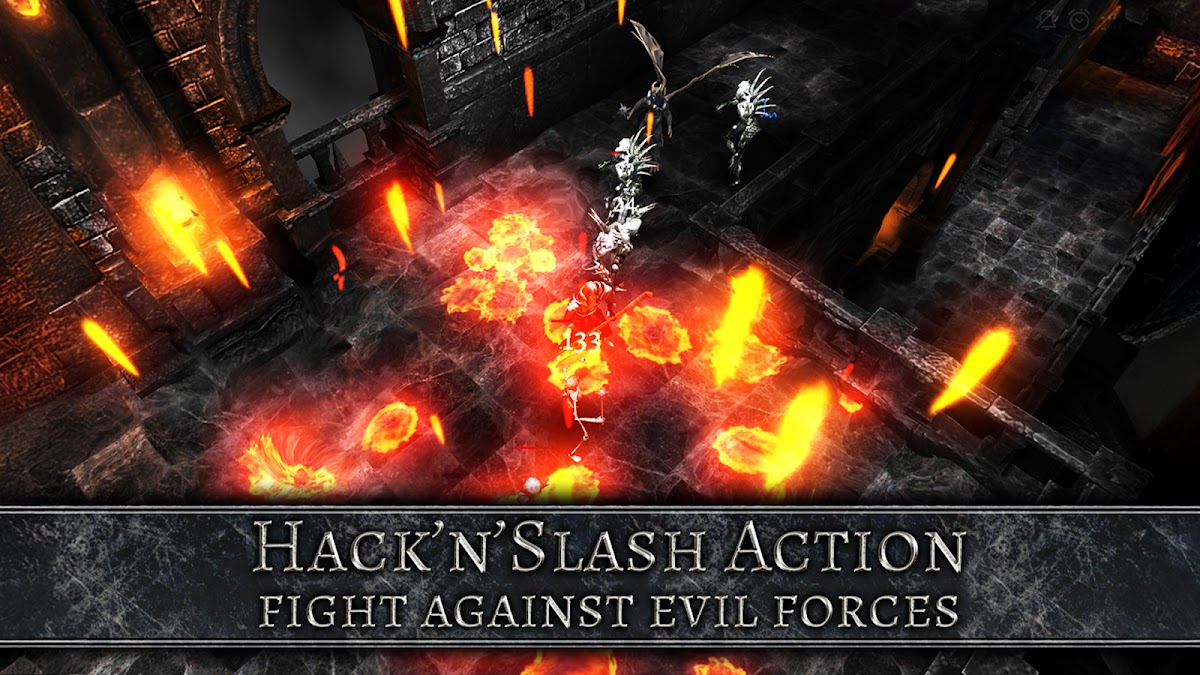
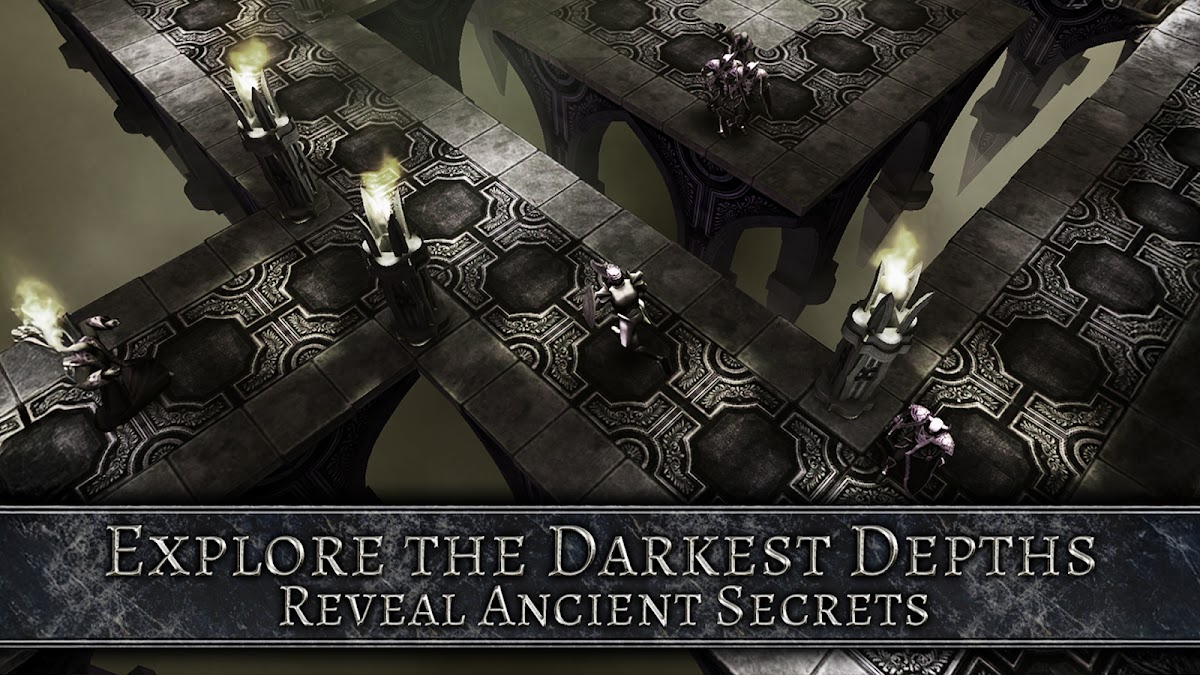
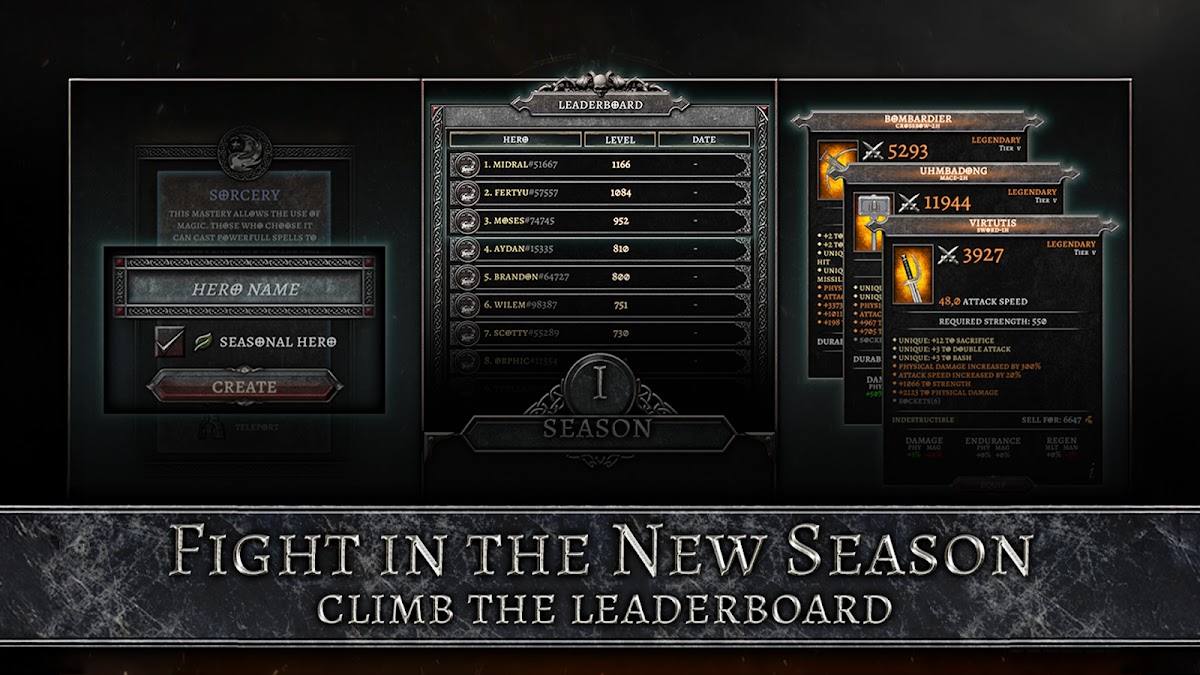
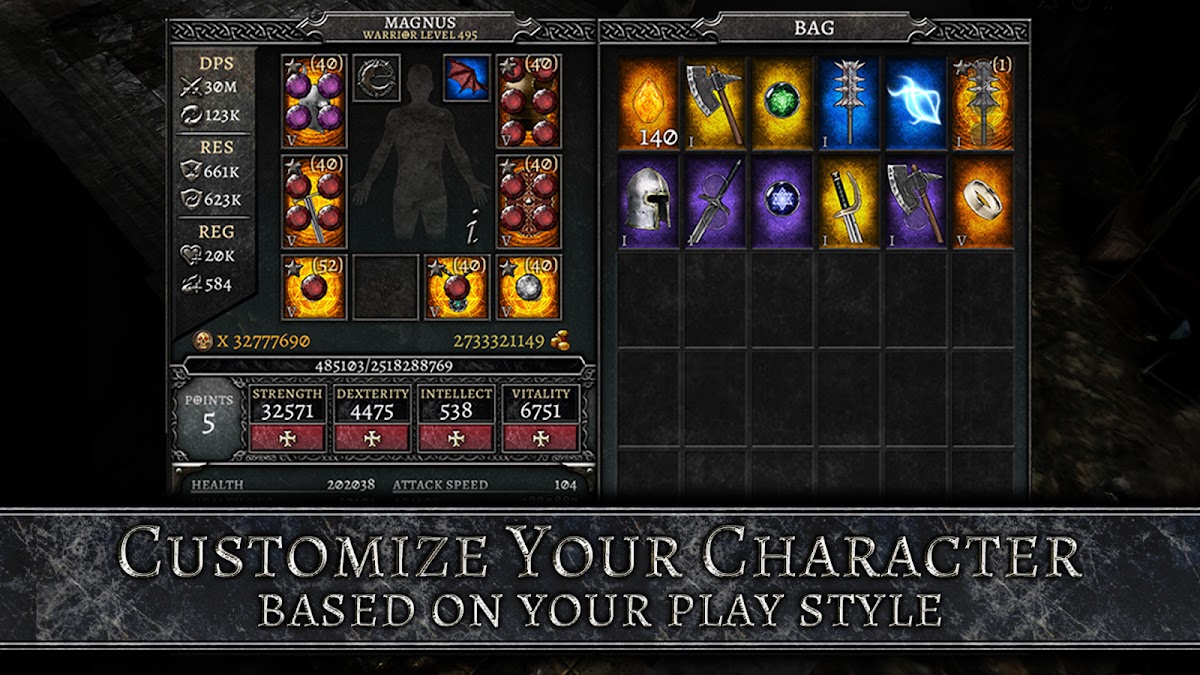
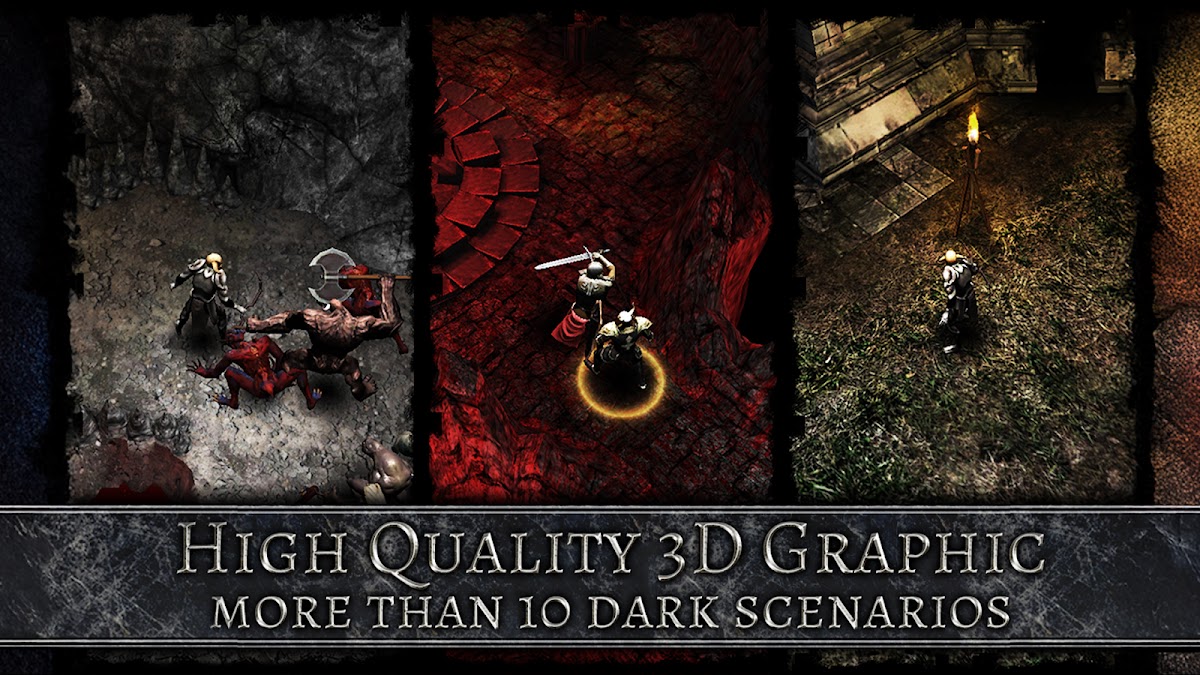
AnimA puts dungeon exploration, skill points, boss fights, and gear drops at the center of its single-player campaign. Its specializations cover approaches such as melee, archery, and sorcery. Multiclass options give you a reason to look beyond your starting setup as your character develops.
Pick AnimA if you want to compare weapon and armor drops between dungeon runs, then take that build into tougher encounters. The offline campaign also makes it a practical choice for a commute or a flight.
5. Soul Knight Prequel — best for pixel-art loot farming

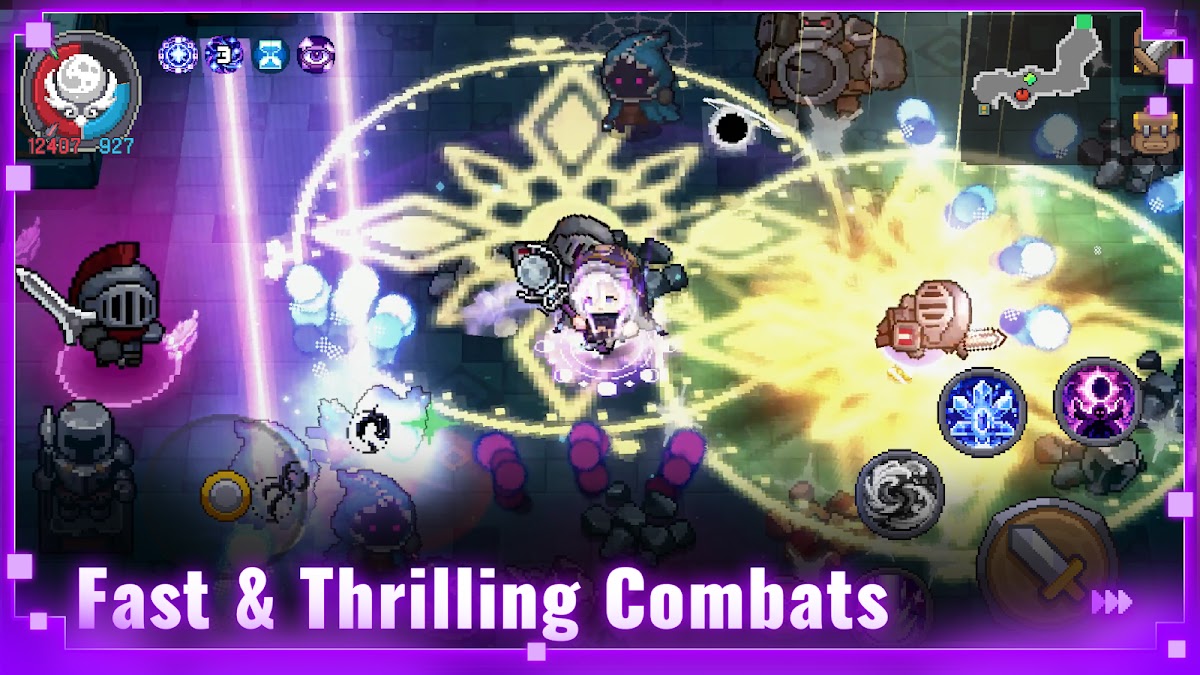
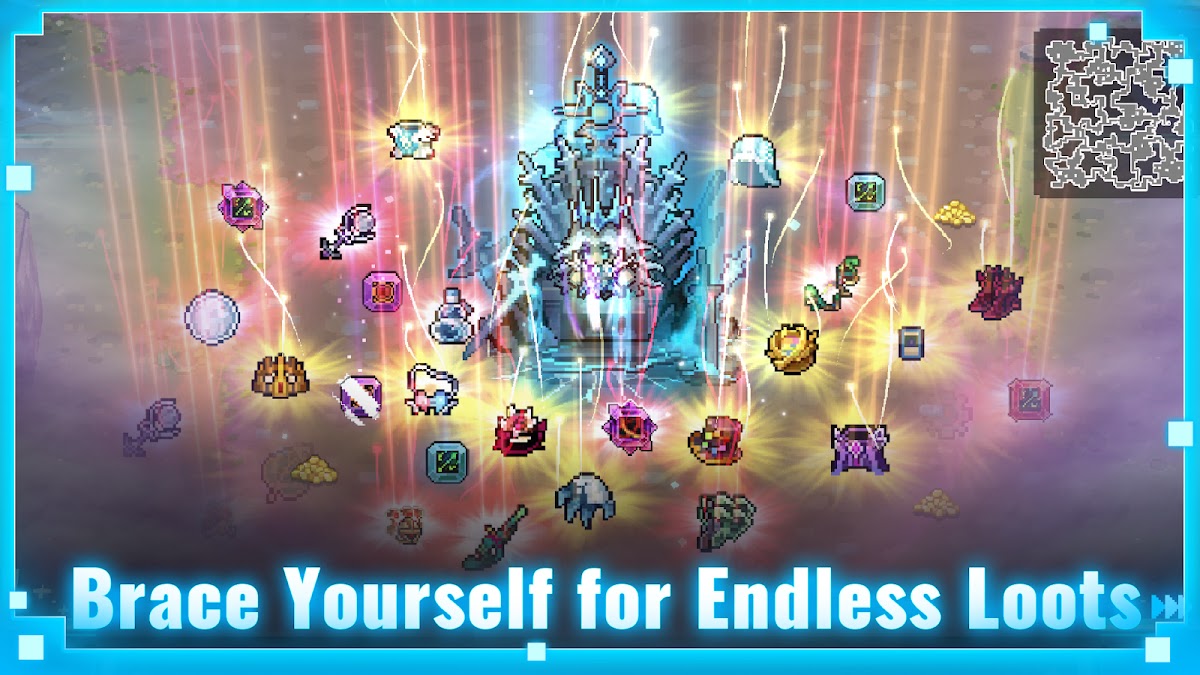
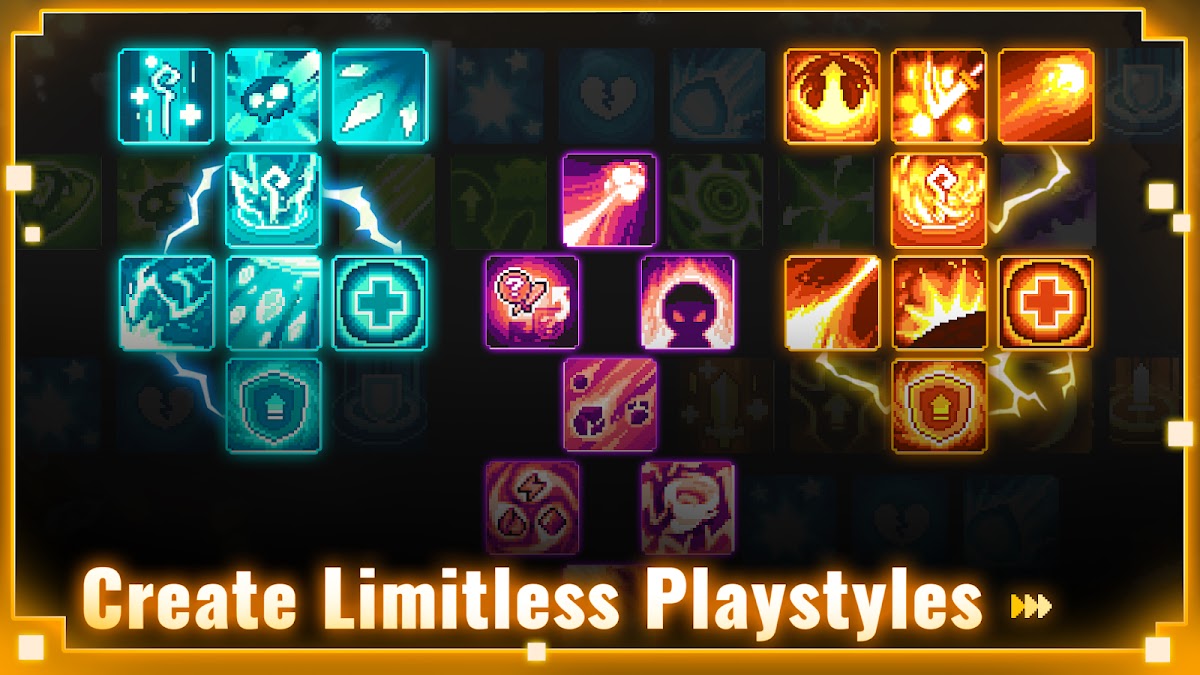
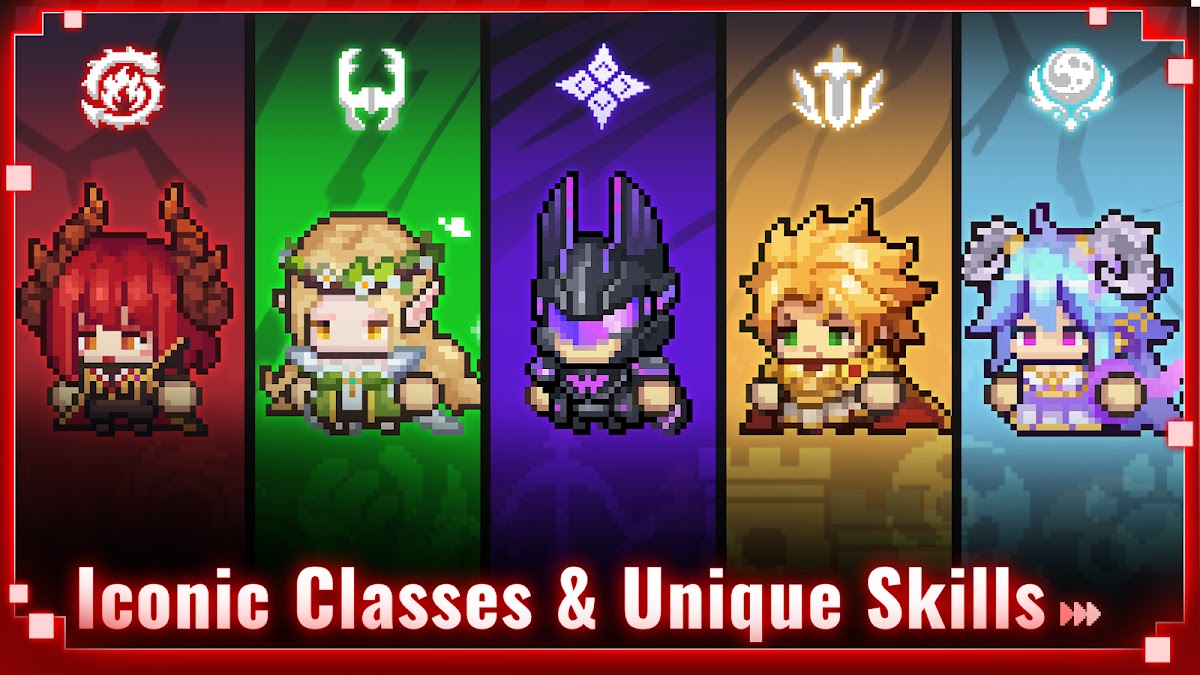
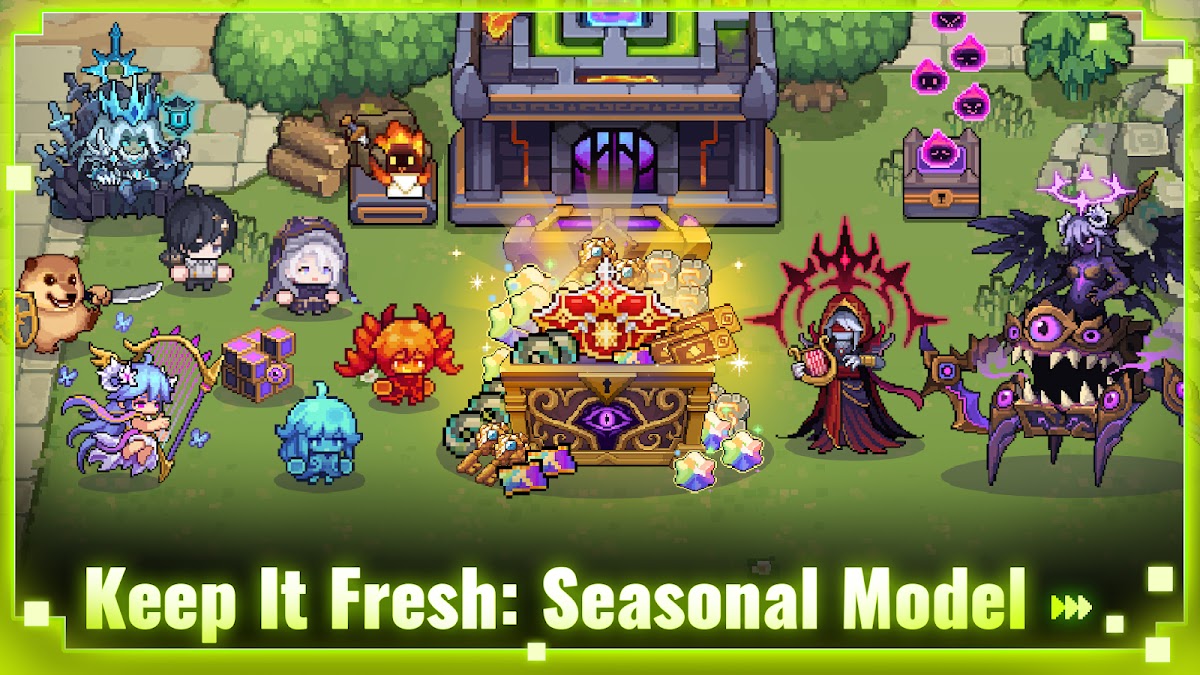
Soul Knight Prequel gives you class abilities and hybrid class options. Specializations let you adjust skill effects, while Fatebound bonuses give you a reason to look at how pieces of equipment work together. You can work toward a particular set of effects instead of replacing everything whenever a higher-level item drops.
It’s a good fit if you enjoy running dungeons for equipment and experimenting with different class combinations. Progression systems can change between seasons, so use a guide that matches the version you’re playing.
6. Dungeon Ward — best for real-time, grid-based dungeon combat
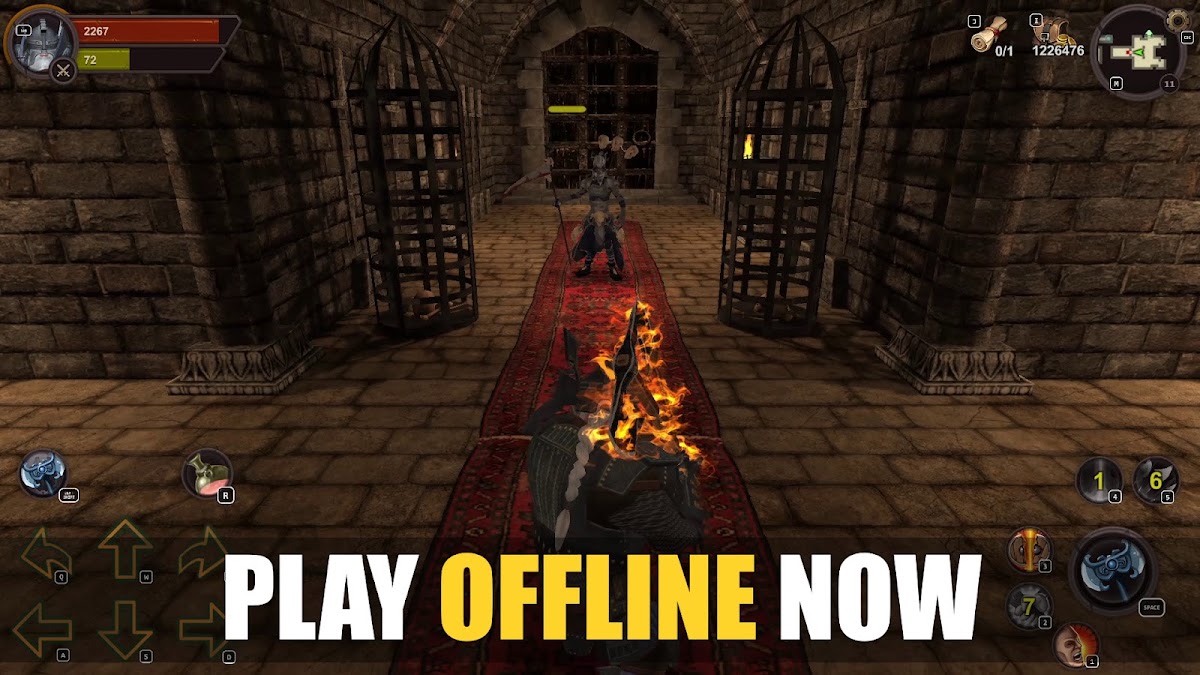
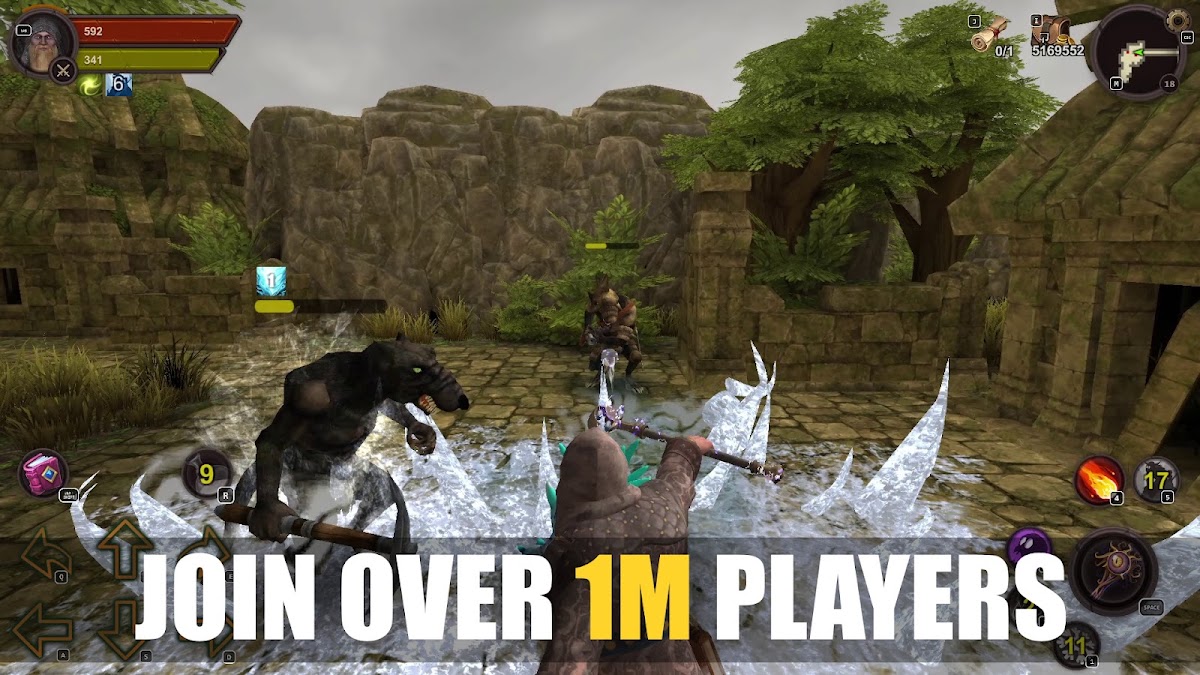
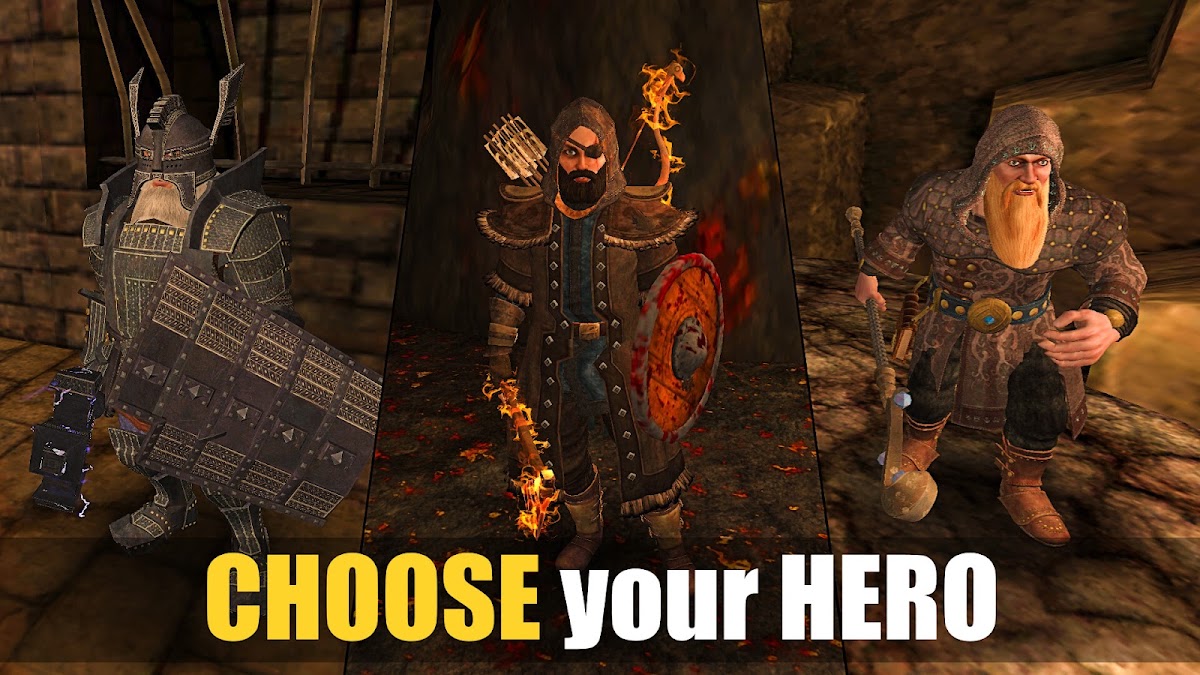
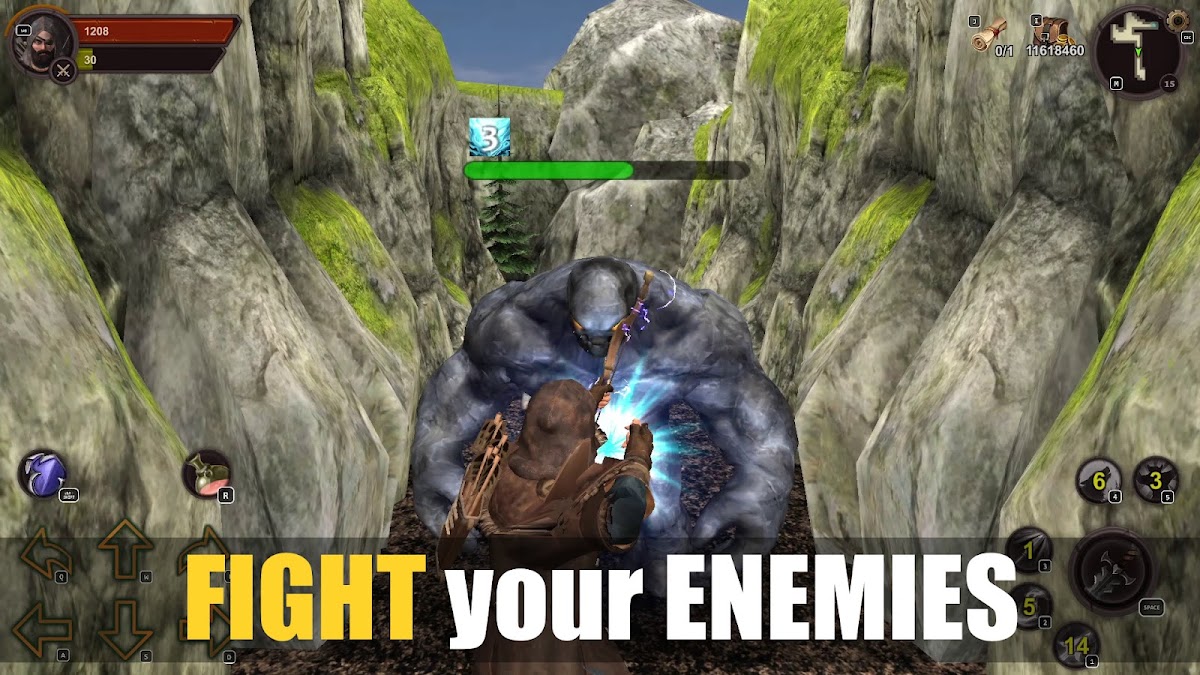
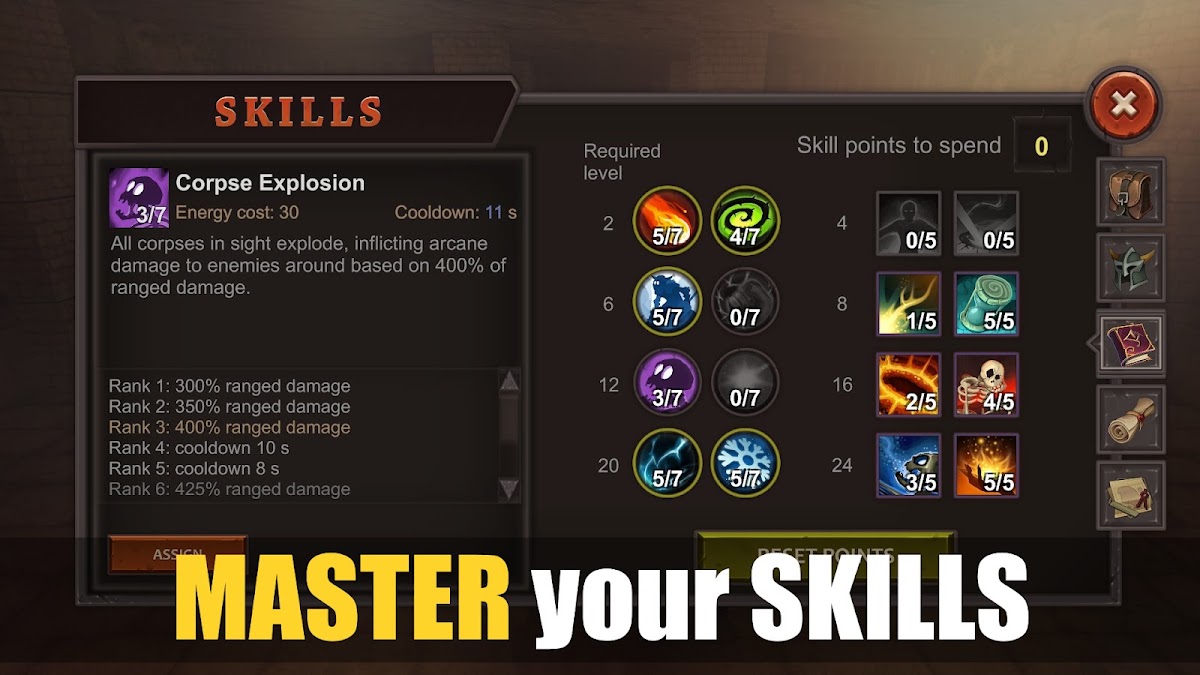

Movement follows a grid, but fights take place in real time. Timing and positioning matter when there’s a trap in the corridor or a boss waiting in the next room. The Warden, Ranger, and Mage give you distinct starting points, and you spend skill points to develop the abilities that fit your approach.
Gear comes from exploring dungeons and taking on enemies. Dungeon Ward is a strong pick if you want to spend time learning each encounter and making a few deliberate upgrades between trips into the dungeon. On iPhone, look for Dungeon Ward: Dark Offline RPG.
7. Powerlust — best for mixing weapons and magic offline
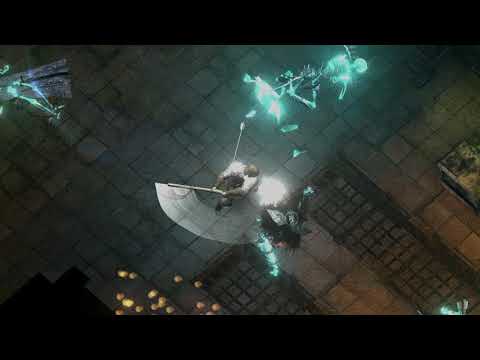
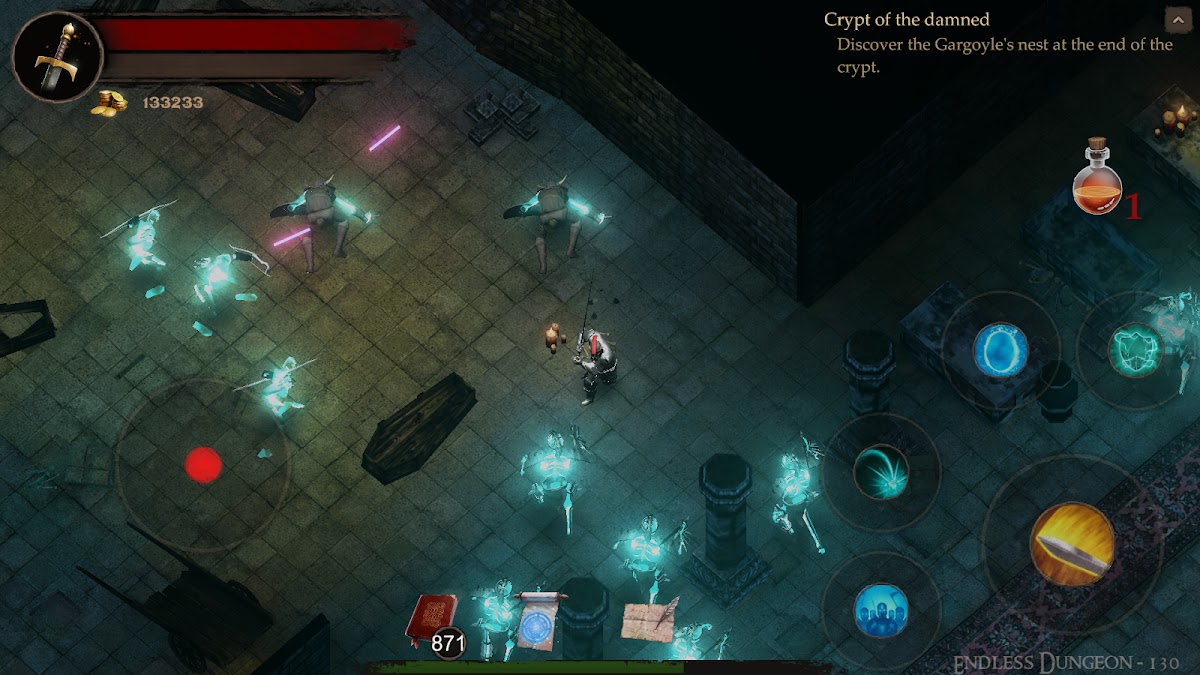
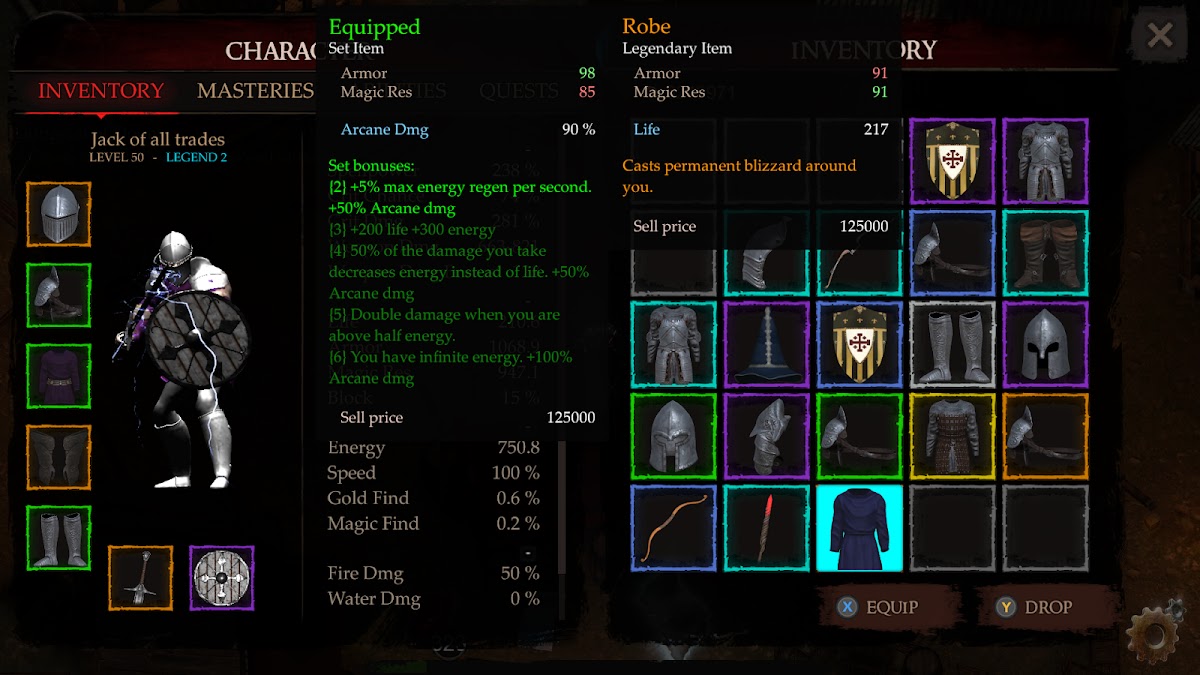
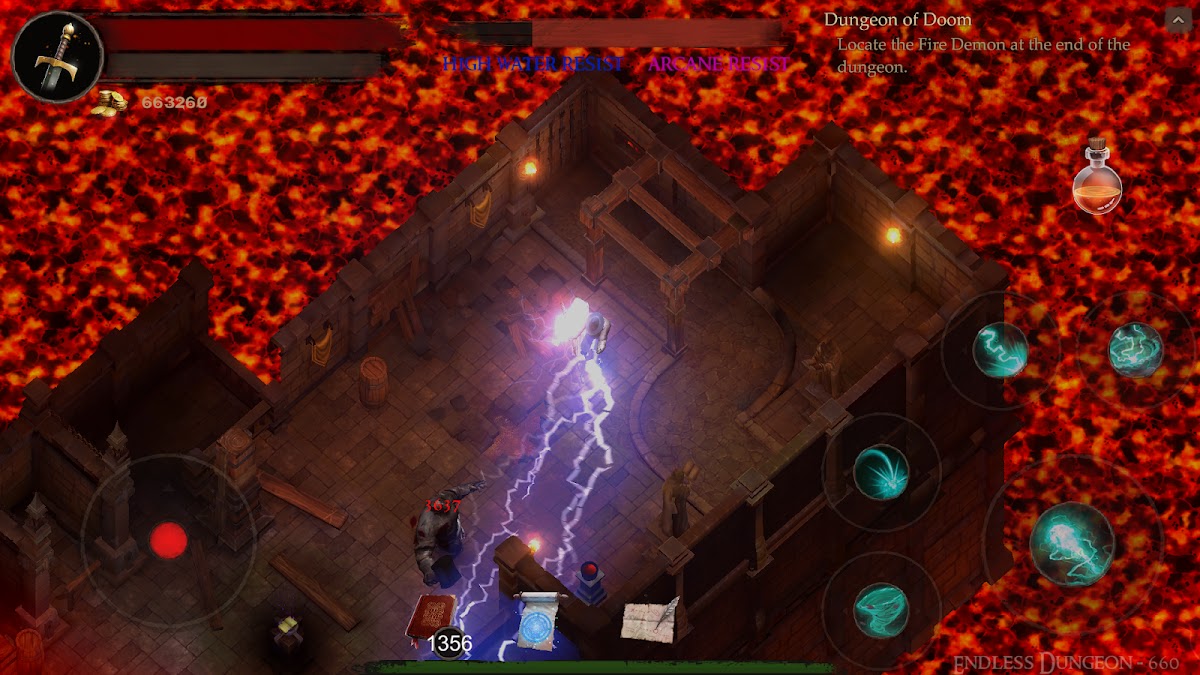
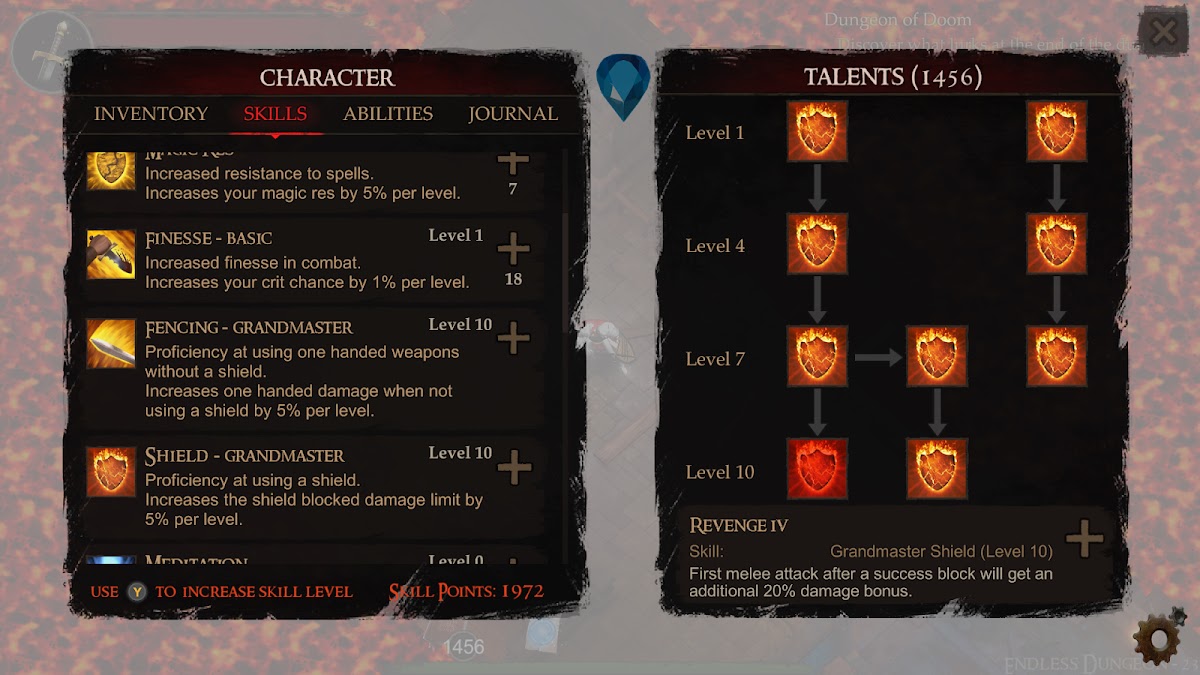
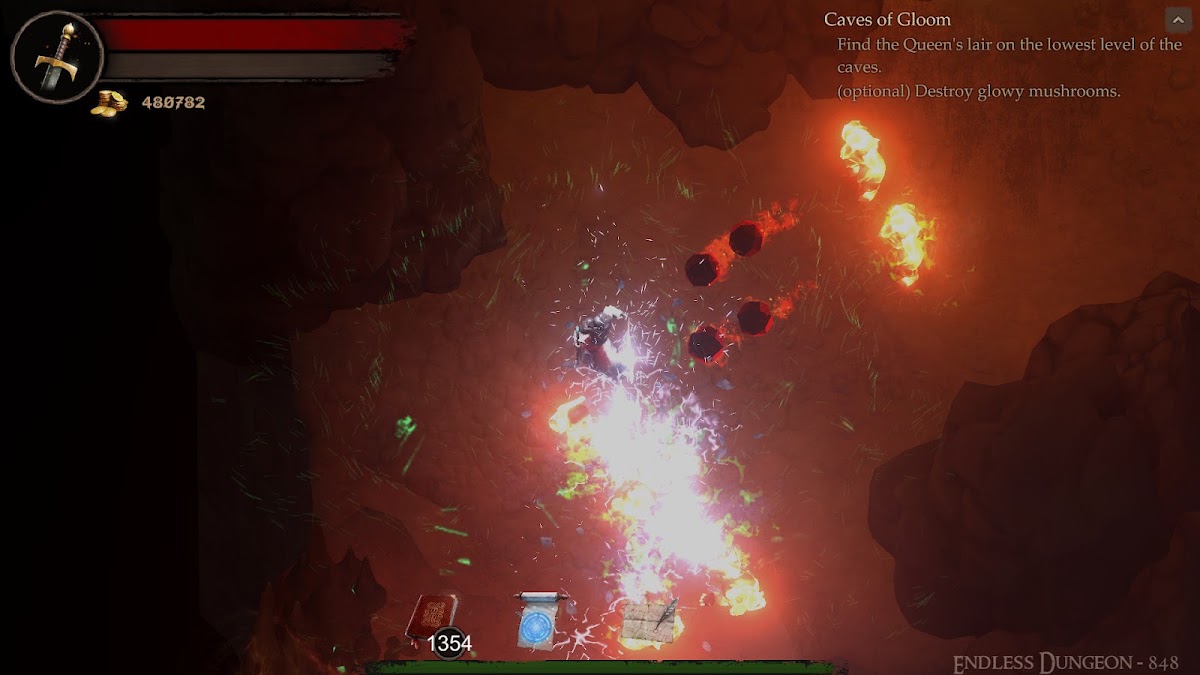
Powerlust lets you combine weapon types, masteries, talents, and spells without a fixed class. A two-handed fighter who casts fire spells and an archer who uses necromancy are both possible. The classless setup also gives unusual gear drops a purpose. Finding a strong bow can be a reason to try another approach before deciding whether to sell it.
There’s a single-player story mode alongside procedurally generated dungeons, and combat is manual. On iPhone, look for Powerlust – Action RPG offline.
8. Darkrise – Pixel Action RPG — best for a side-scrolling gear grind

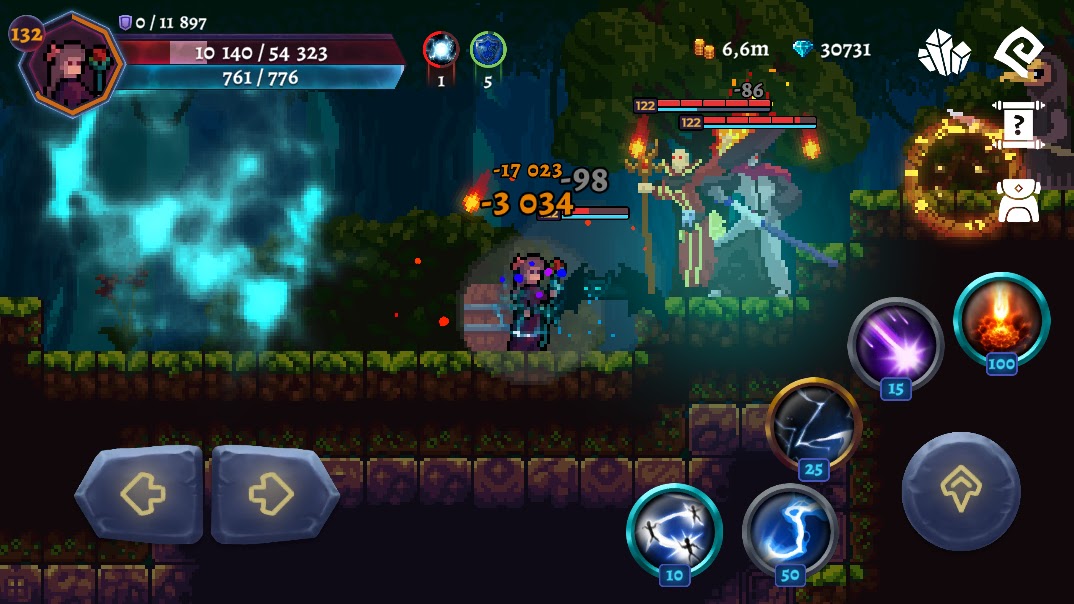
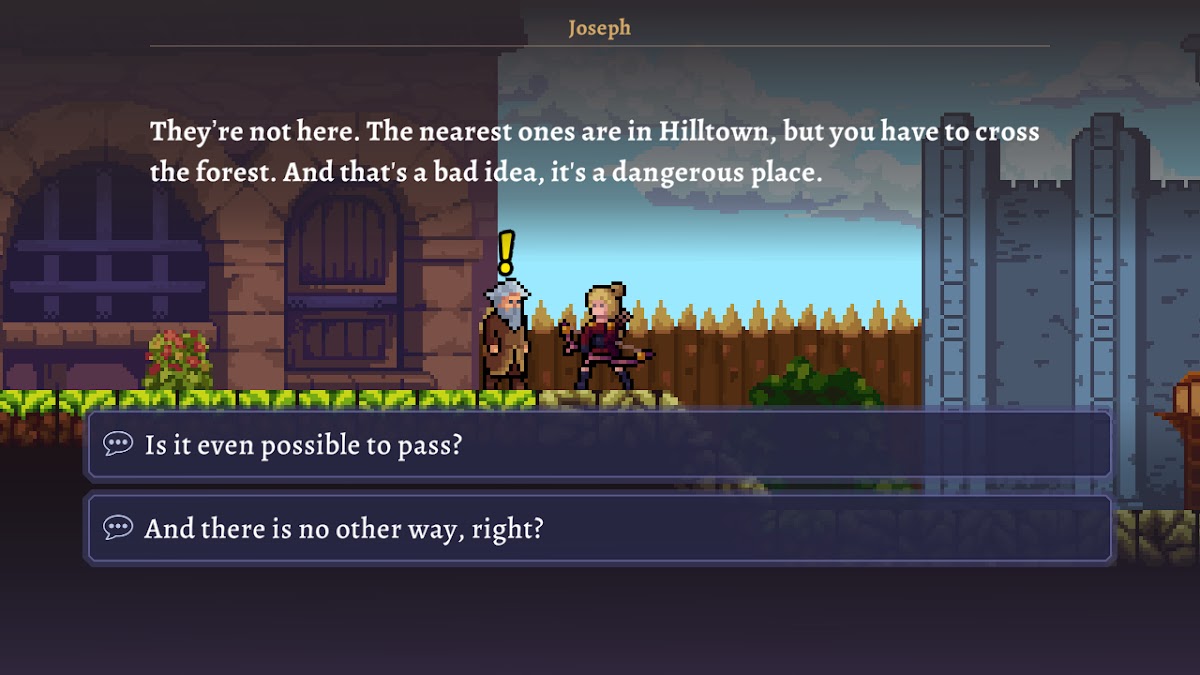
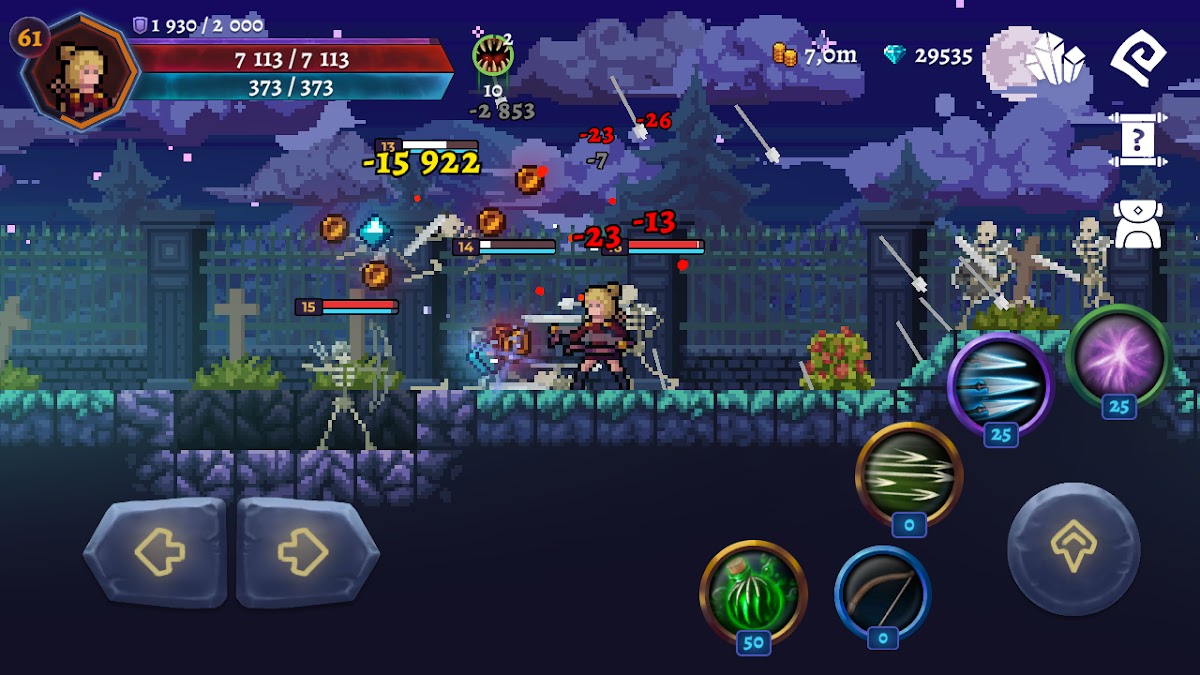
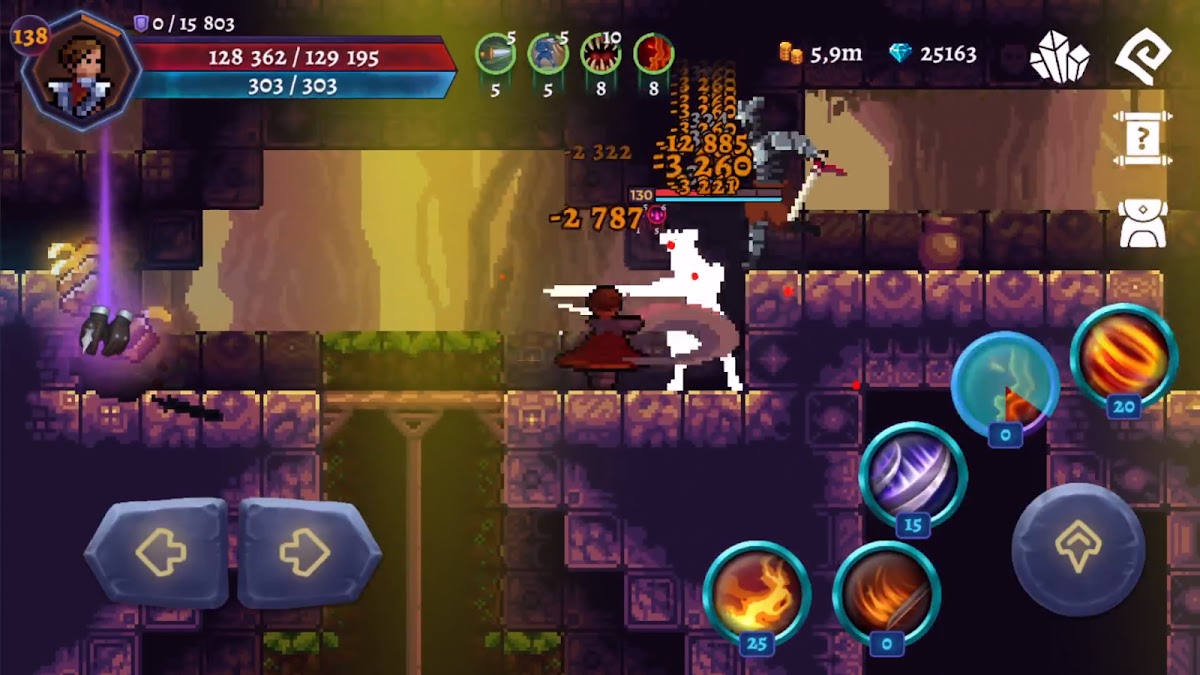
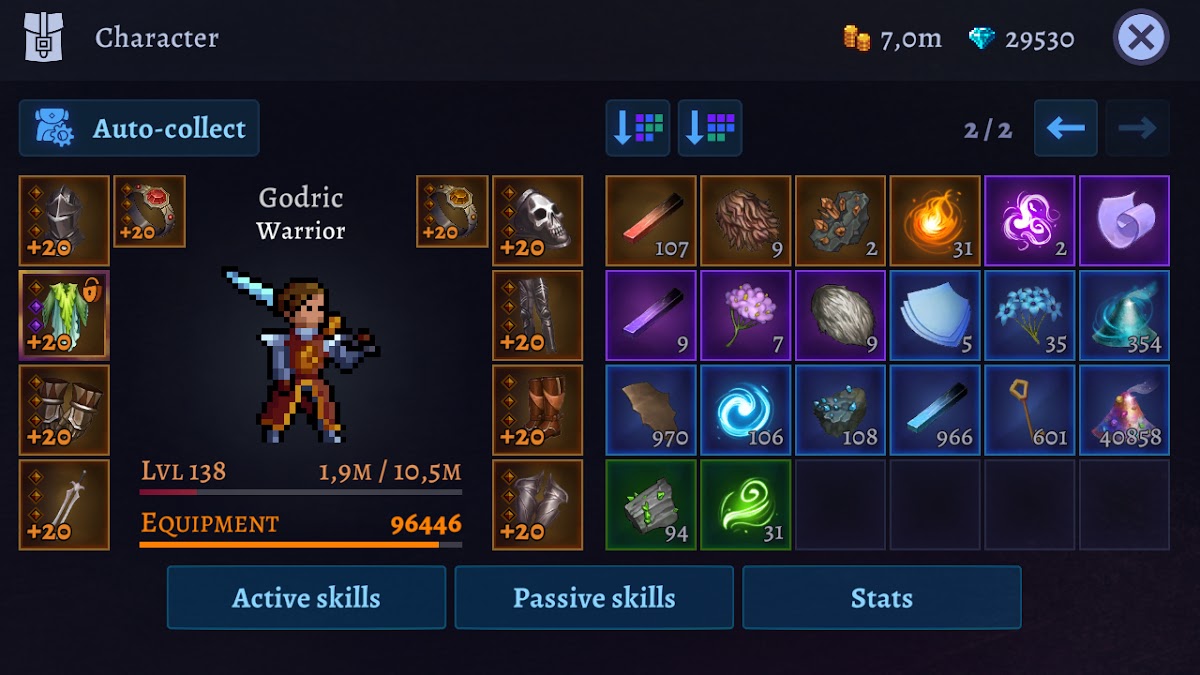
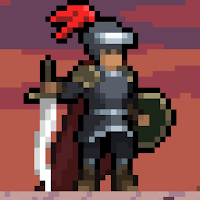
Darkrise puts a skill tree and equipment progression into a 2D action RPG. Enemies drop equipment, and sockets and upgrades give you more control over what to keep. A piece that already suits your build may be worth improving while you wait for a better replacement.
Choose Darkrise if you enjoy replaying action-heavy areas, improving a few pieces of equipment at a time, and seeing how those changes hold up against tougher enemies. Its side-on perspective makes it a change of pace from the overhead games in this list.
9. Magic Rampage — best for platforming with a skill tree
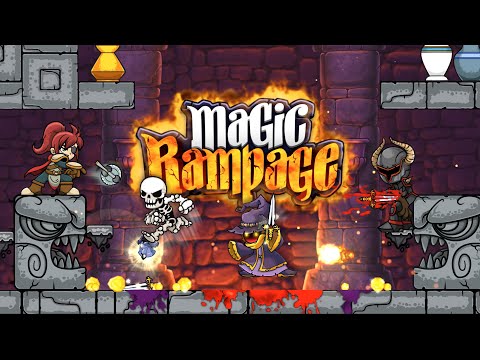
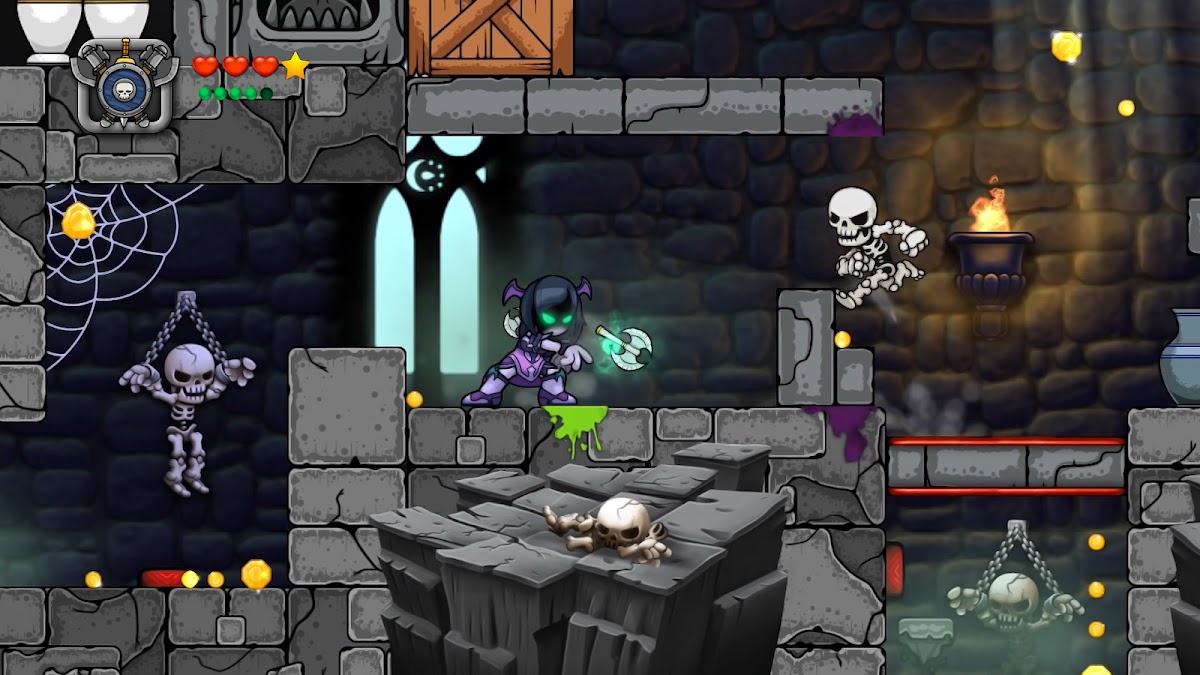
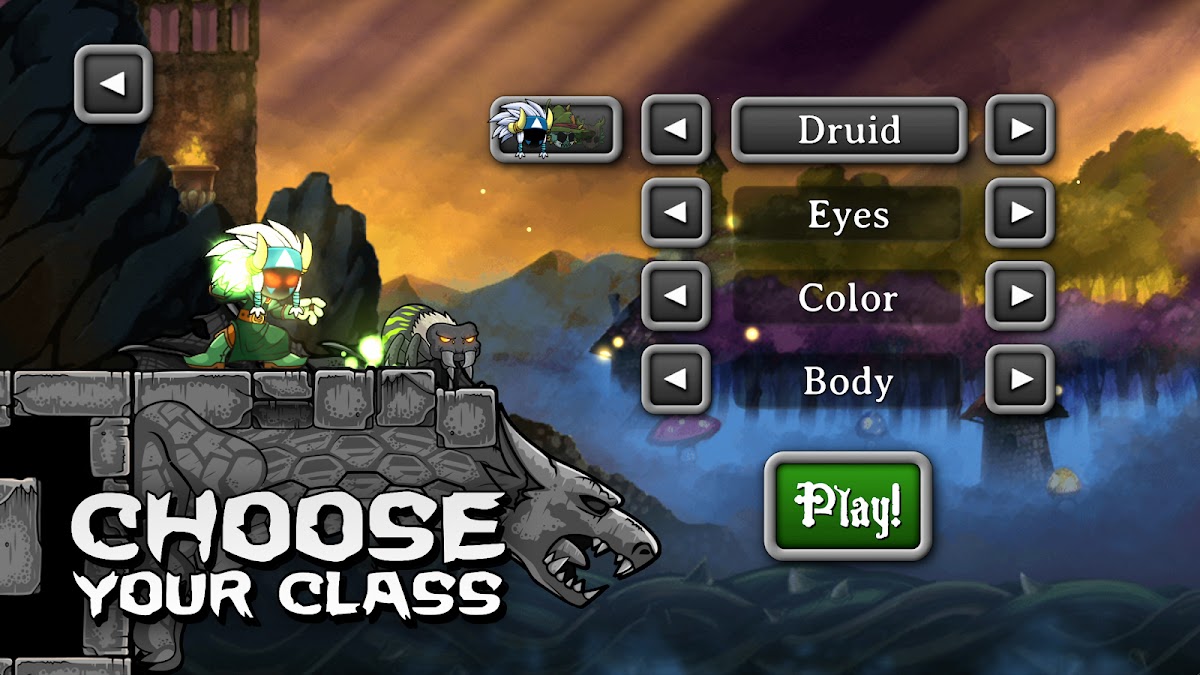
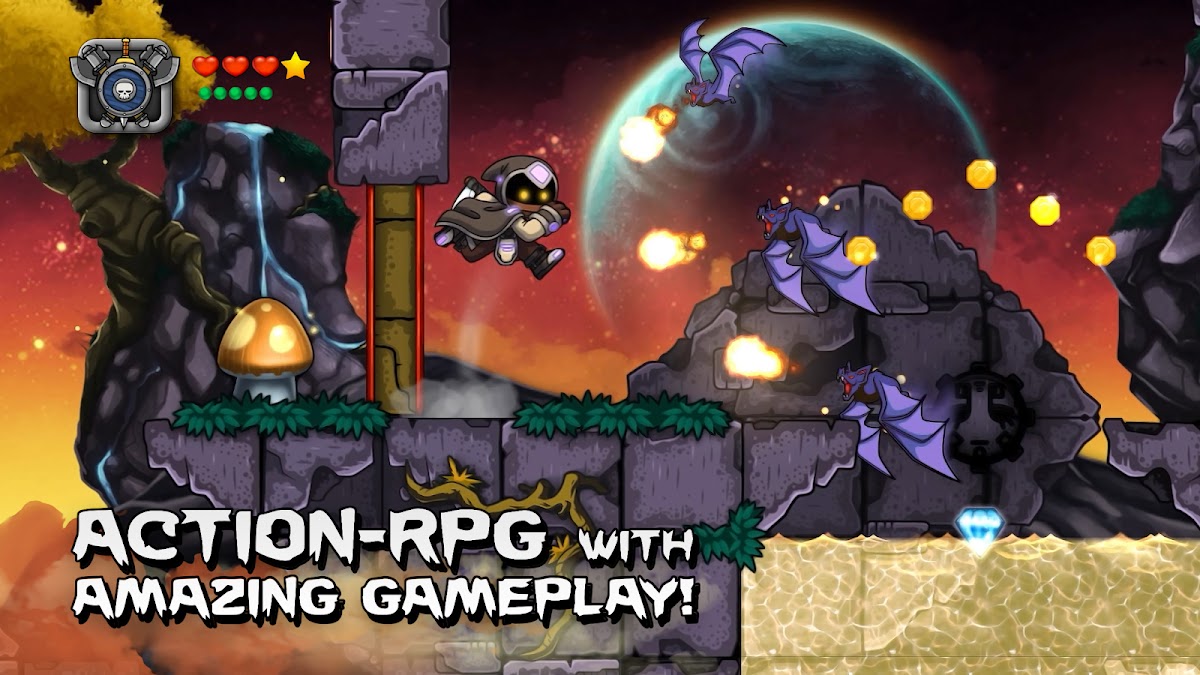
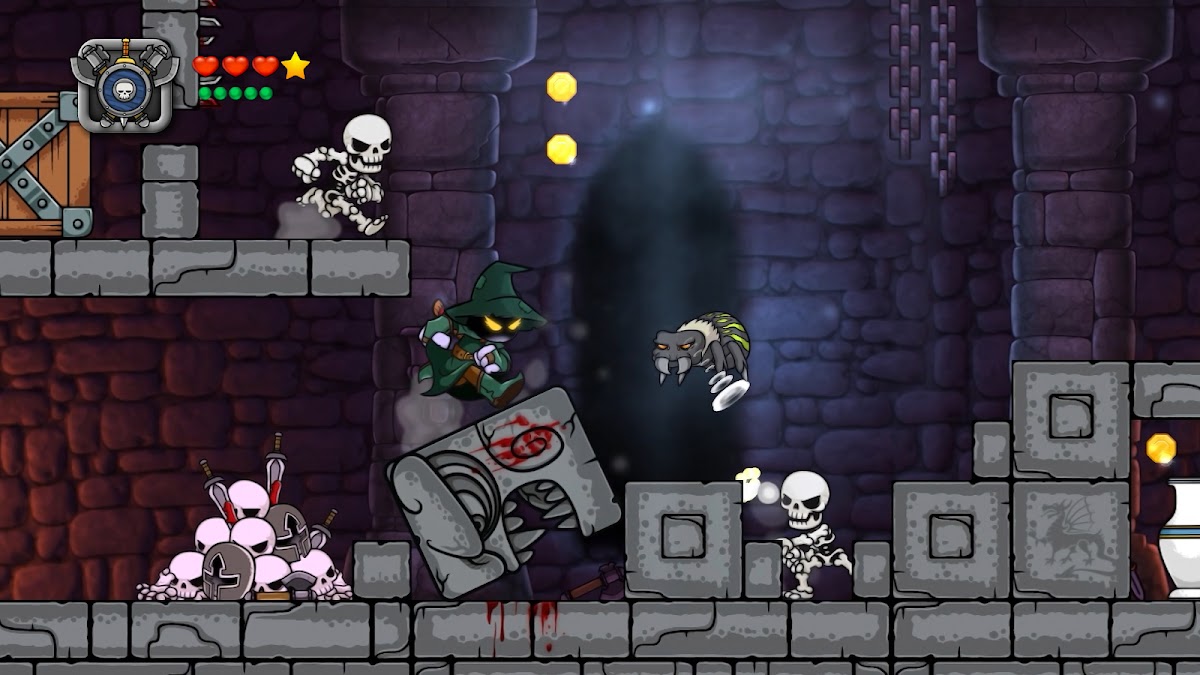
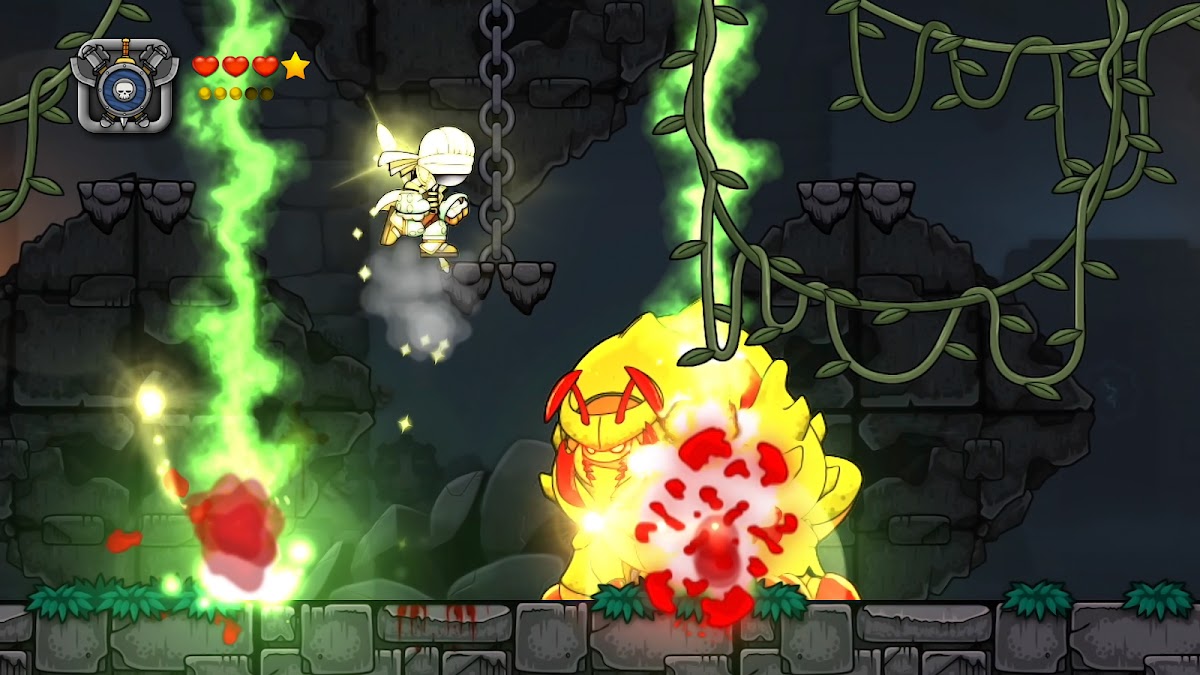
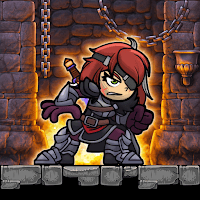
Magic Rampage combines classes, a skill tree, and a gear system that affects how you move. What you equip can change movement speed and jumping, which matters in levels with traps, hidden passages, and optional rooms. An armor change can feel different before you even reach the next enemy.
The single-player campaign can be played offline. If you want gear choices to affect how you get through a level as well as how you fight, this is the strongest platforming pick here.
10. Shadow of Death: Dark Knight — best for short combat stages
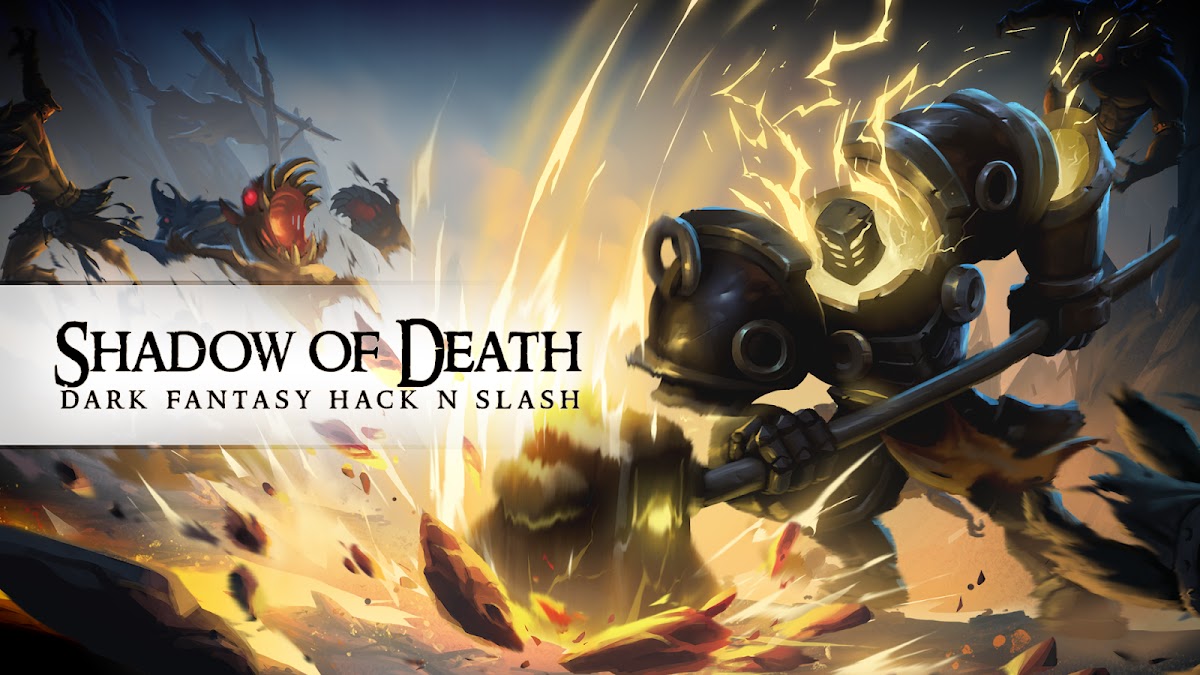
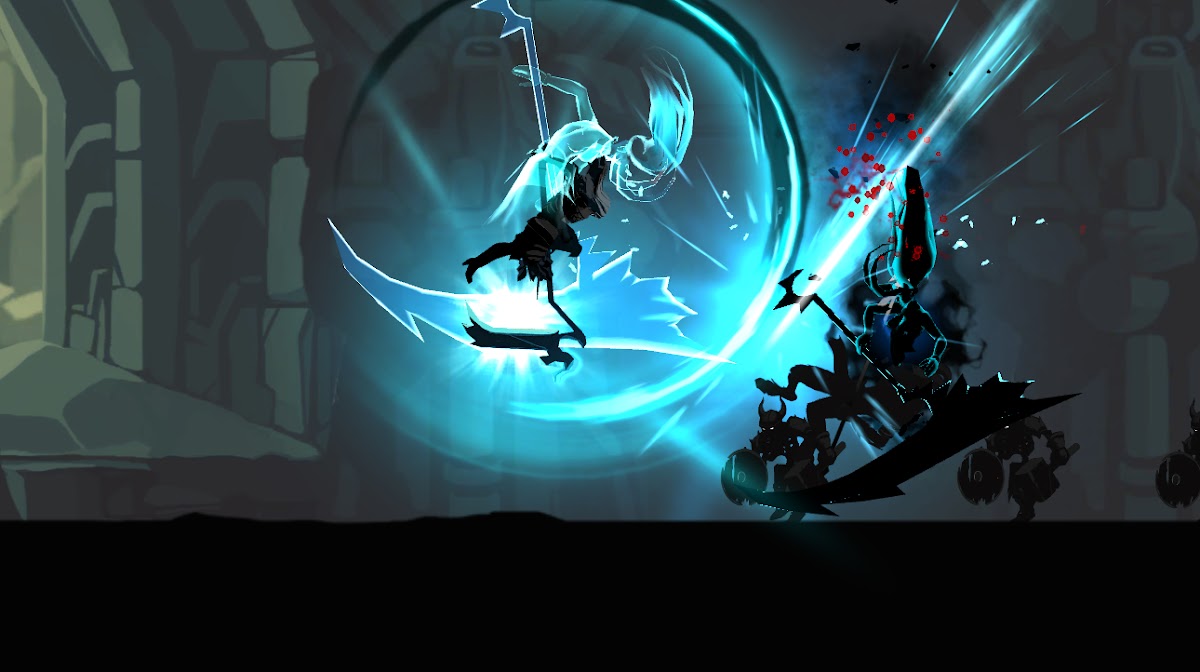
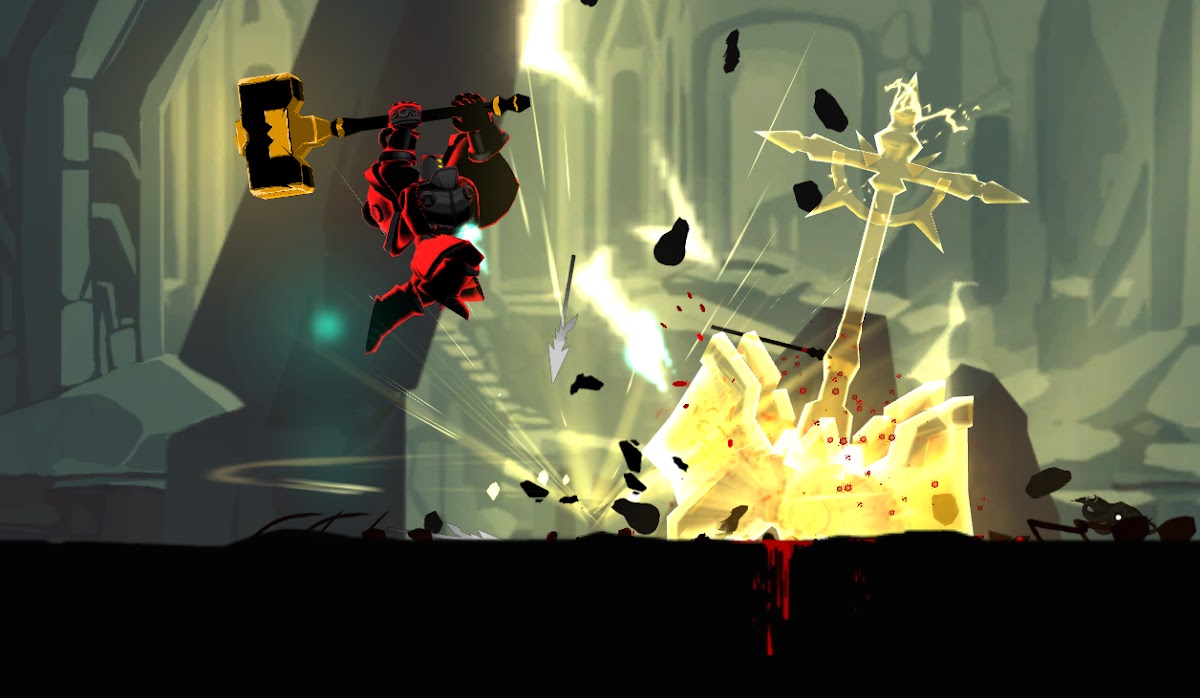
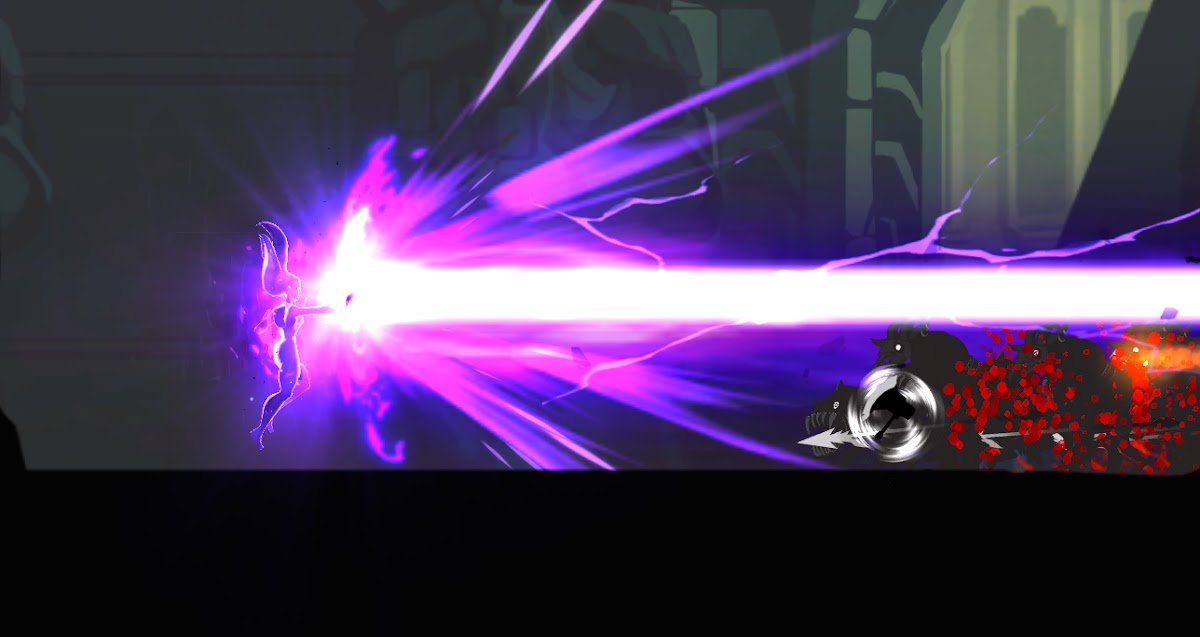
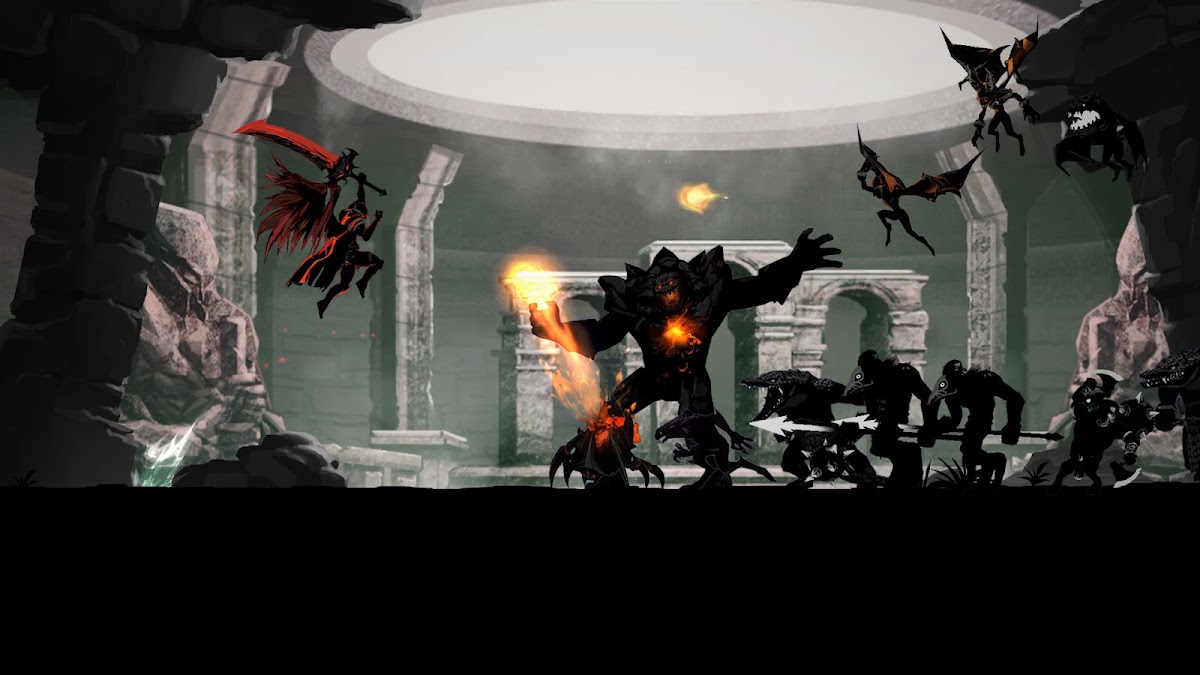
Shadow of Death centers on fast side-scrolling fights. You develop a fighter through a skill tree and equip weapons and armor that support their style. A close-range fighter and a character who relies on projectiles give you different reasons to pick a piece of gear.
This is a better fit for players who want to jump into a fight quickly than for those who want long dungeon routes and extensive exploration. On iPhone, the verified listing is Shadow Of Death: Premium Games.
11. Almora Darkosen RPG — best for old-school exploration and equipment upgrades
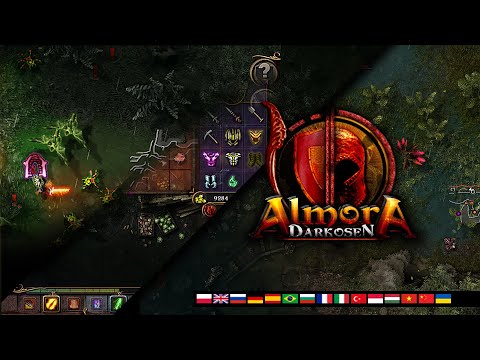
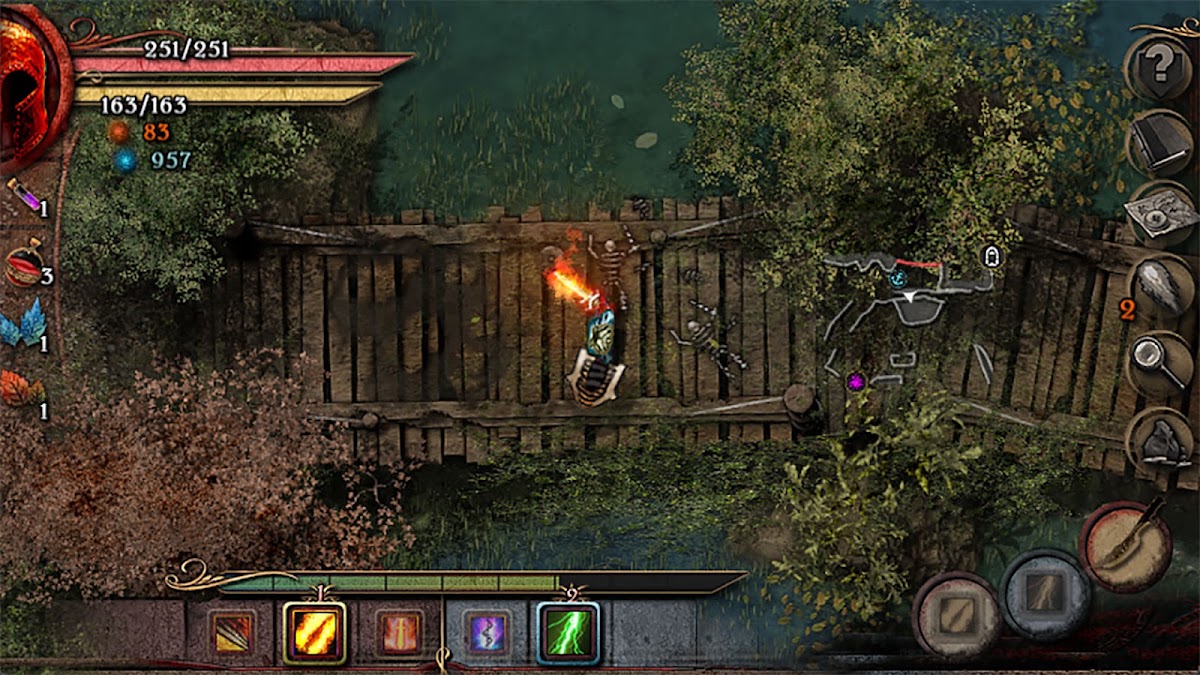
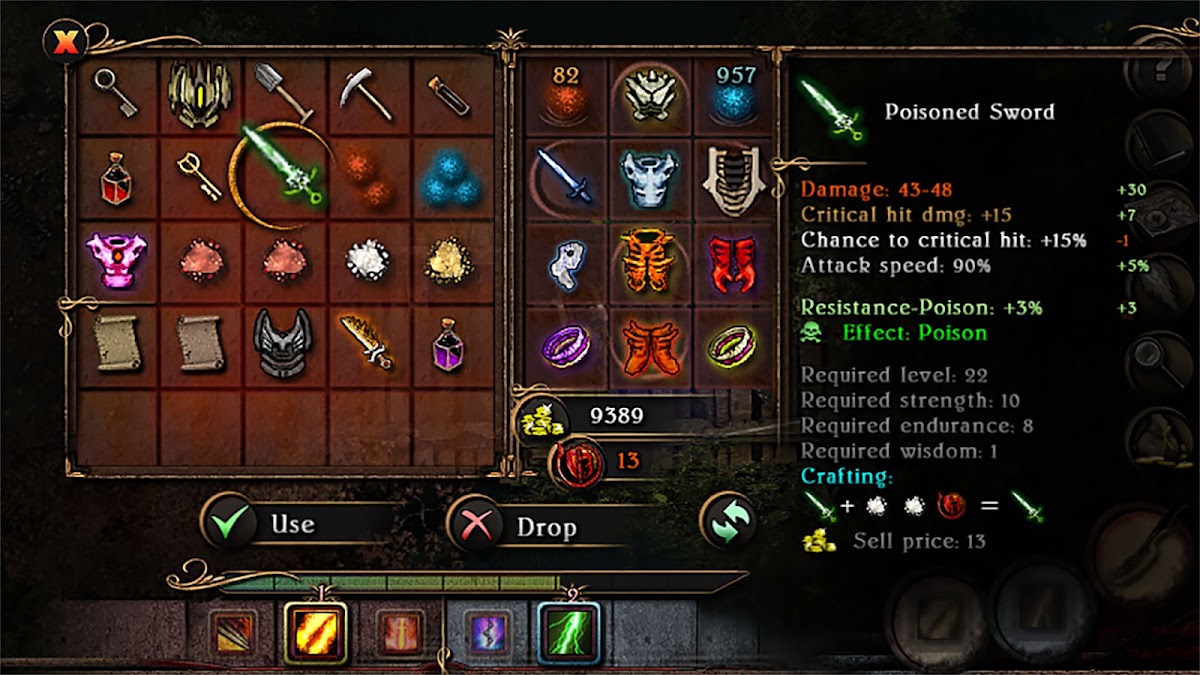
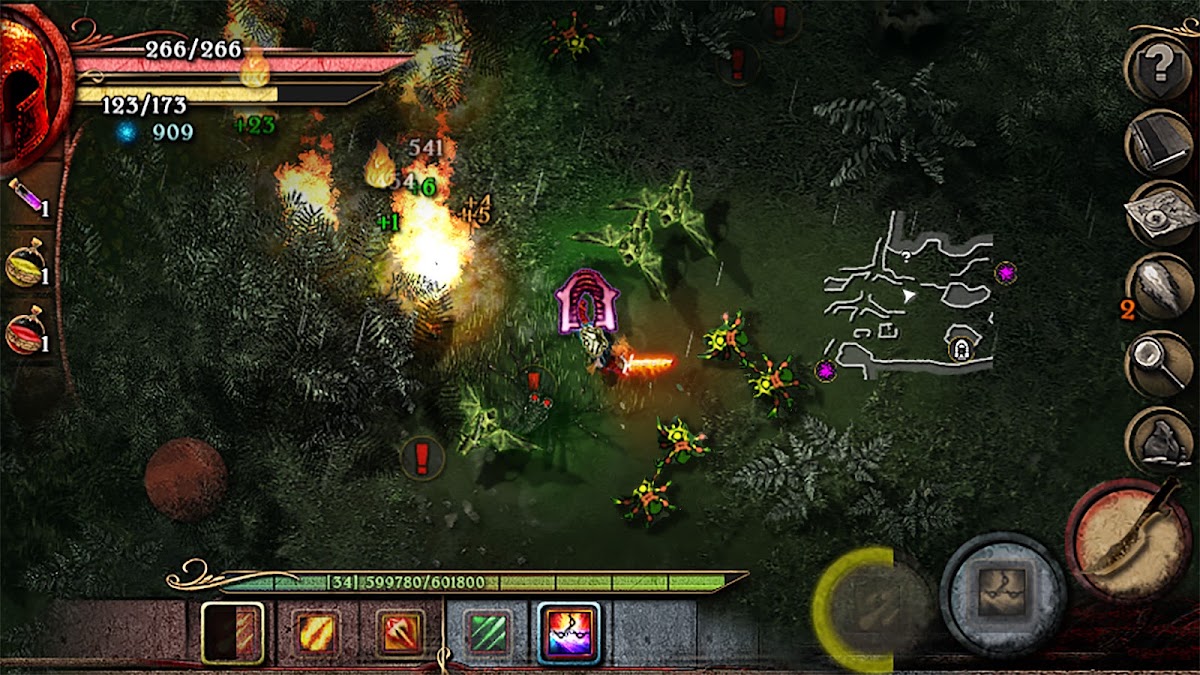
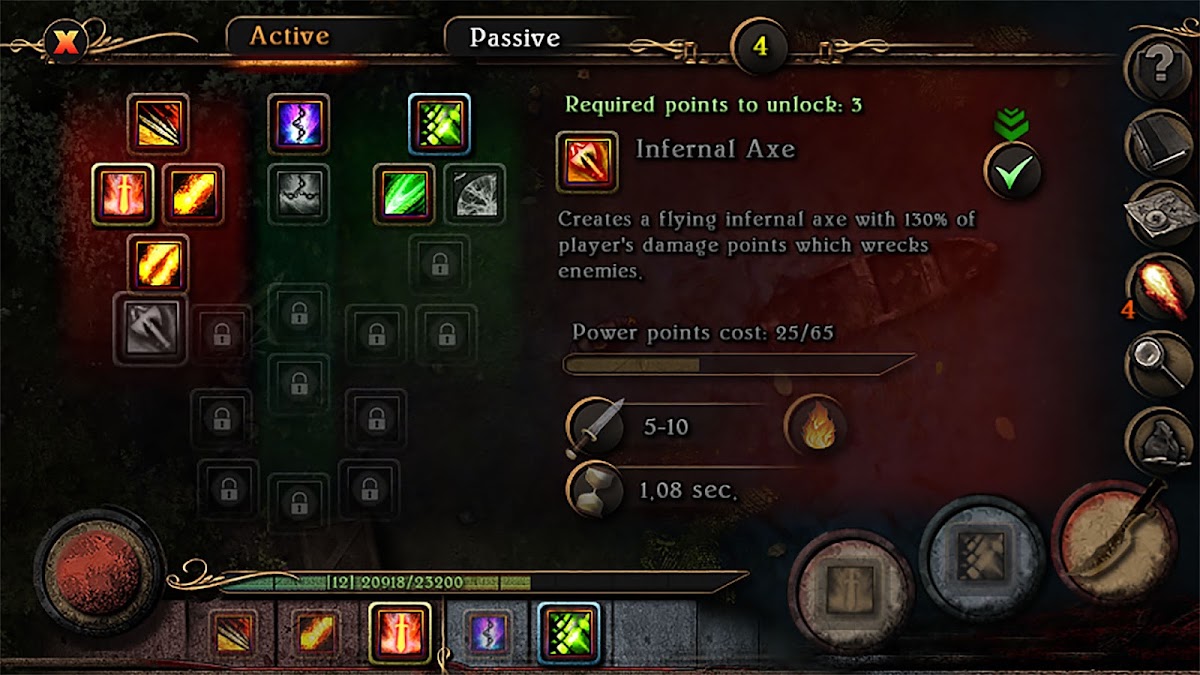
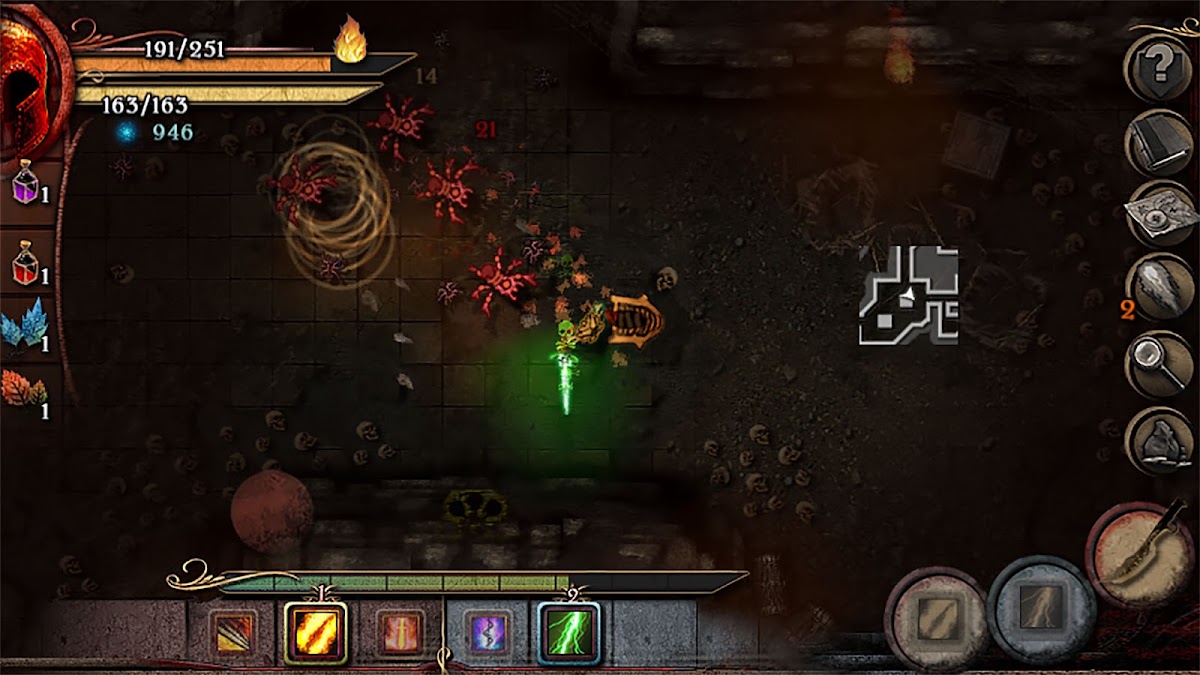
Almora Darkosen rewards preparing for the area you’re about to enter. You develop combat abilities, collect equipment from enemies, and use materials to improve pieces you want to keep. The developer’s guide also puts emphasis on adjusting your equipment to suit the enemies you’ll face.
Pick Almora if you want exploration and preparation to carry as much weight as loot farming. The gear you bring can shape how you approach an unfamiliar area before you’ve picked up a single new item.
12. 9th Dawn III — best for open-world dungeon crawling and collecting
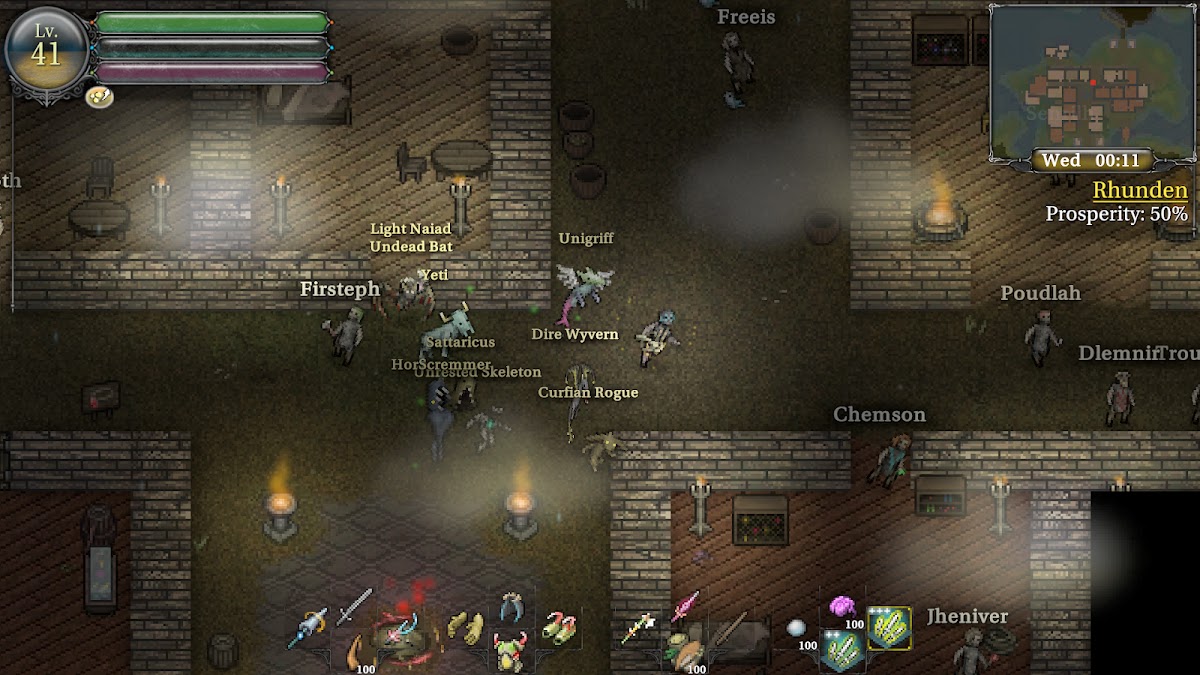
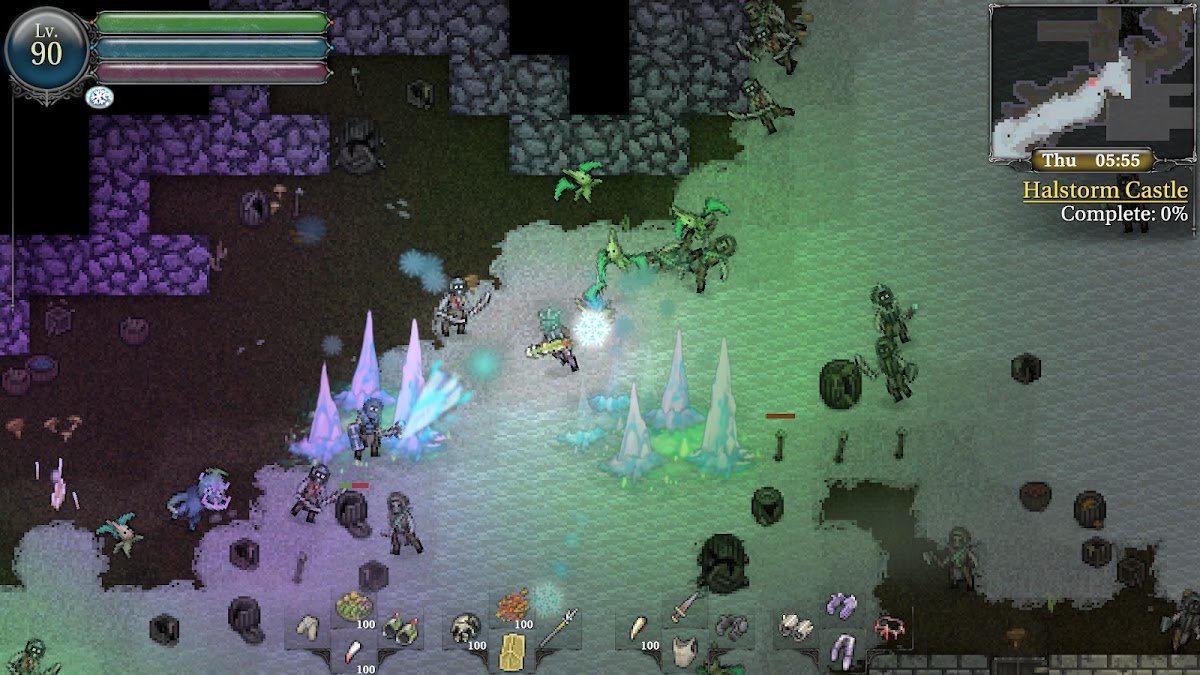
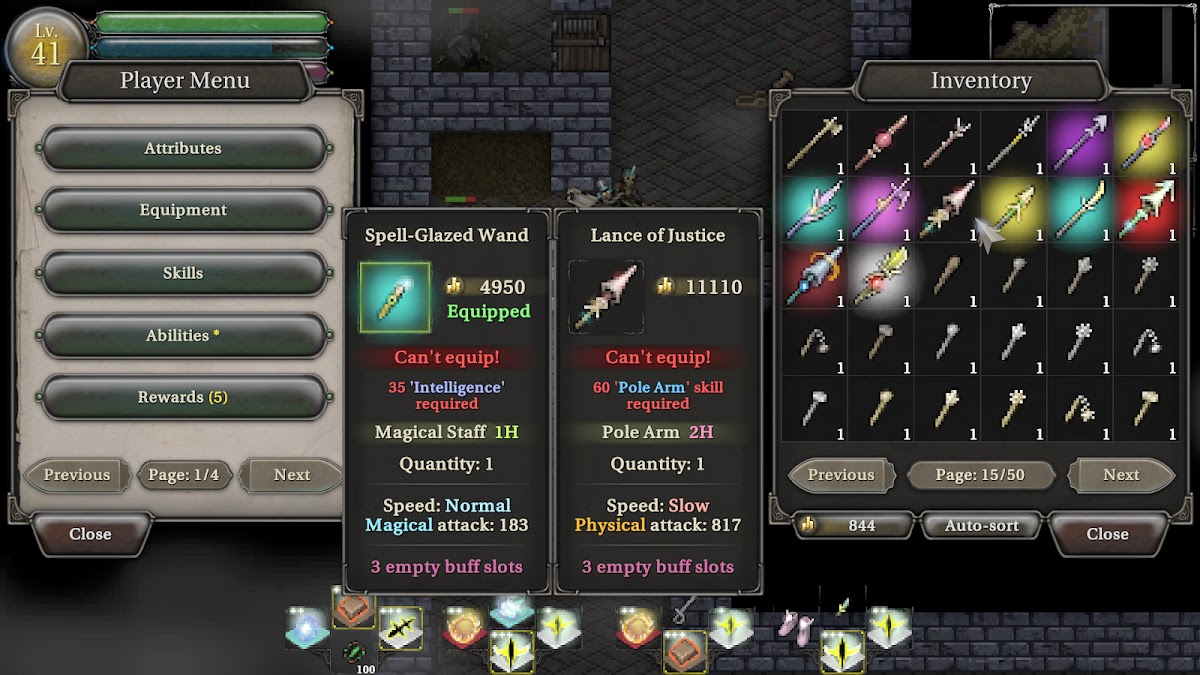
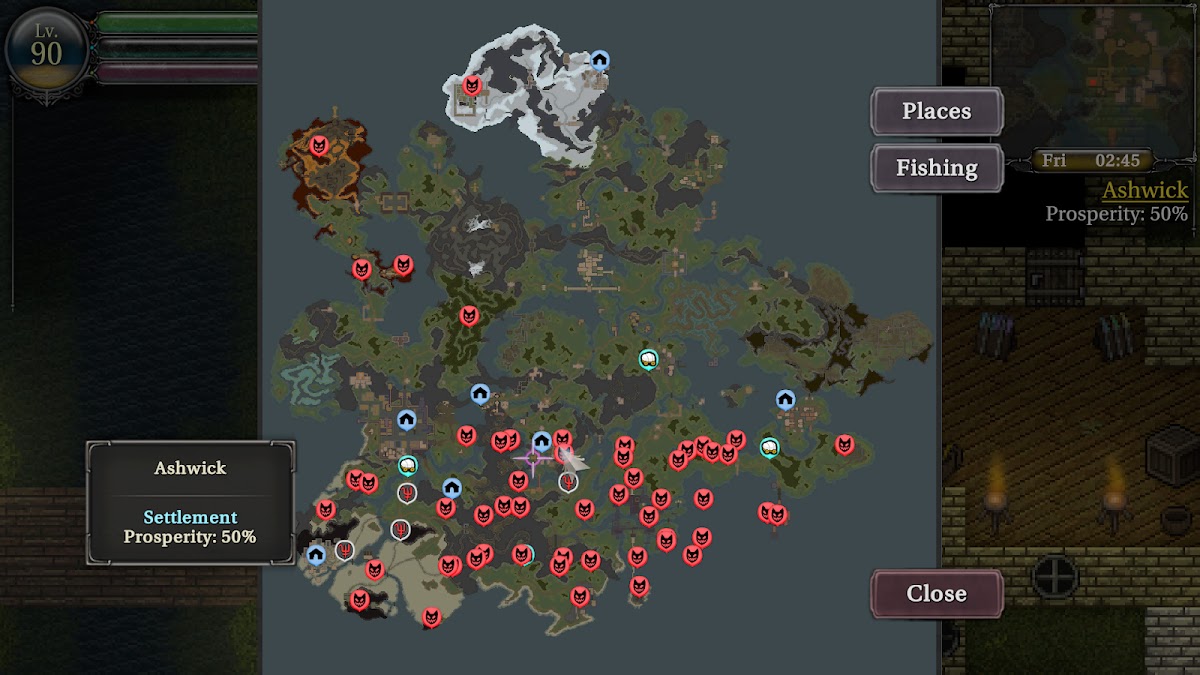
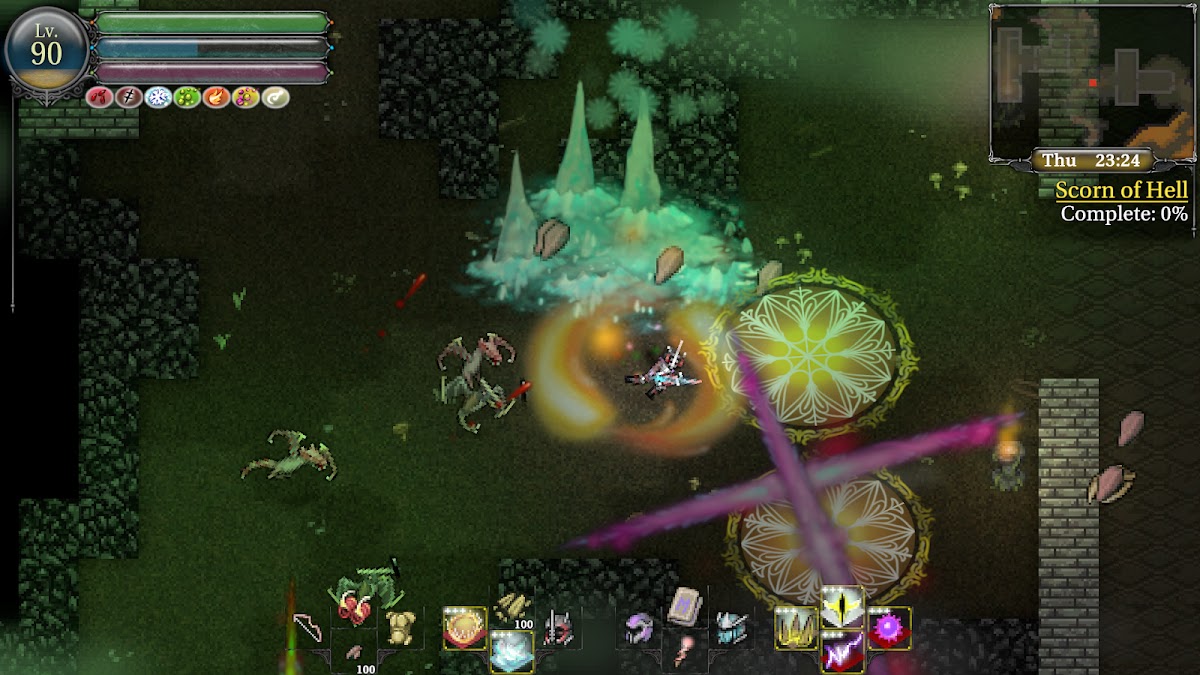
9th Dawn III gives you an ability tree alongside trainable combat and crafting skills. Its open world is full of dungeons, where you can collect weapons, armor, treasures, and materials. You can also recruit monsters, adding another way to change how you handle encounters.
This is a good pick if you want your character to grow in several directions. You might go into a dungeon for a gear upgrade, come out with crafting materials, and decide to spend the next session developing an entirely different skill.
13. Epic Conquest 2 — best for character masteries and crafted equipment
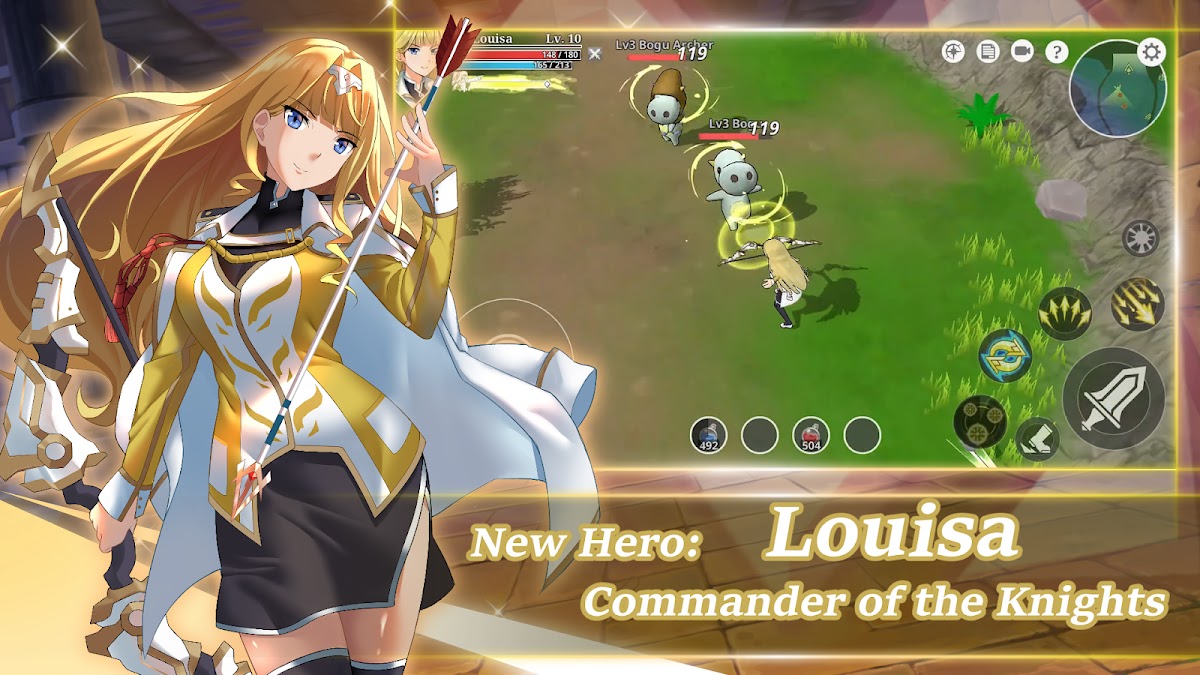
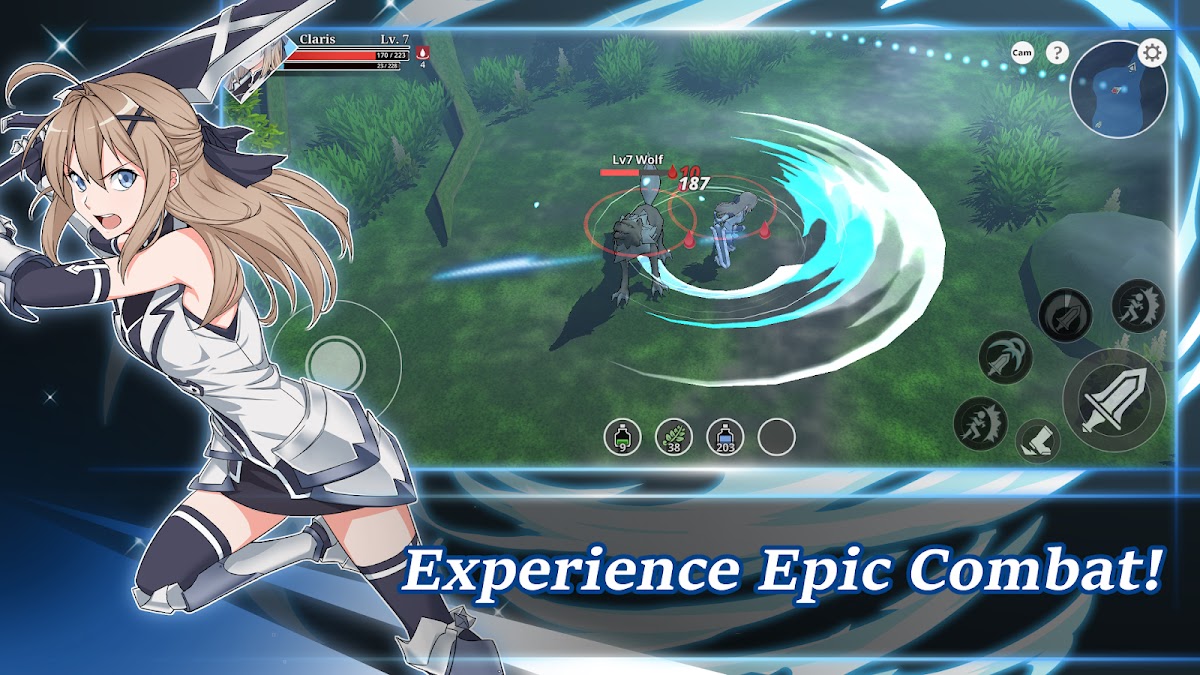
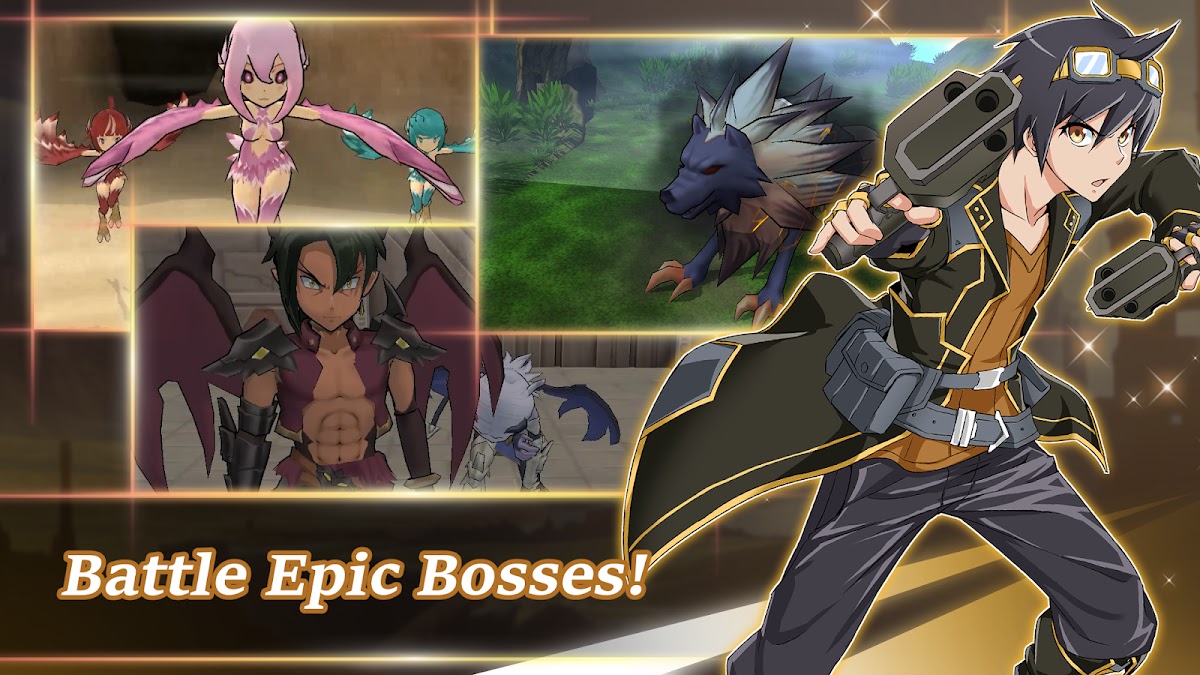
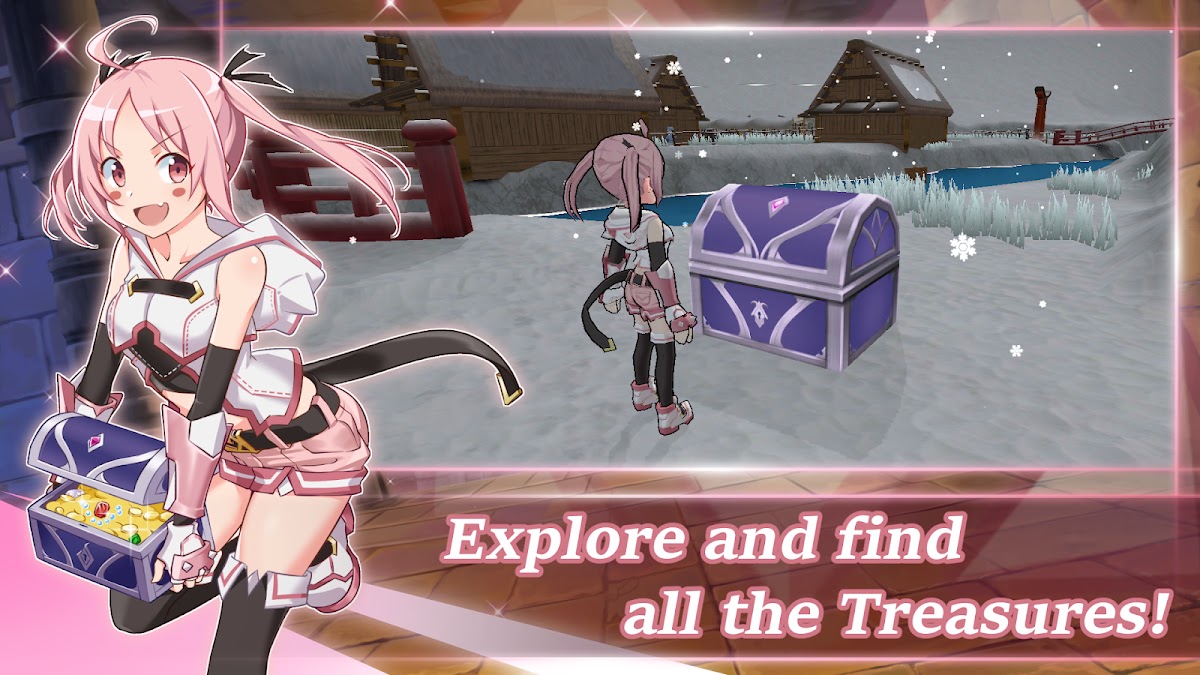
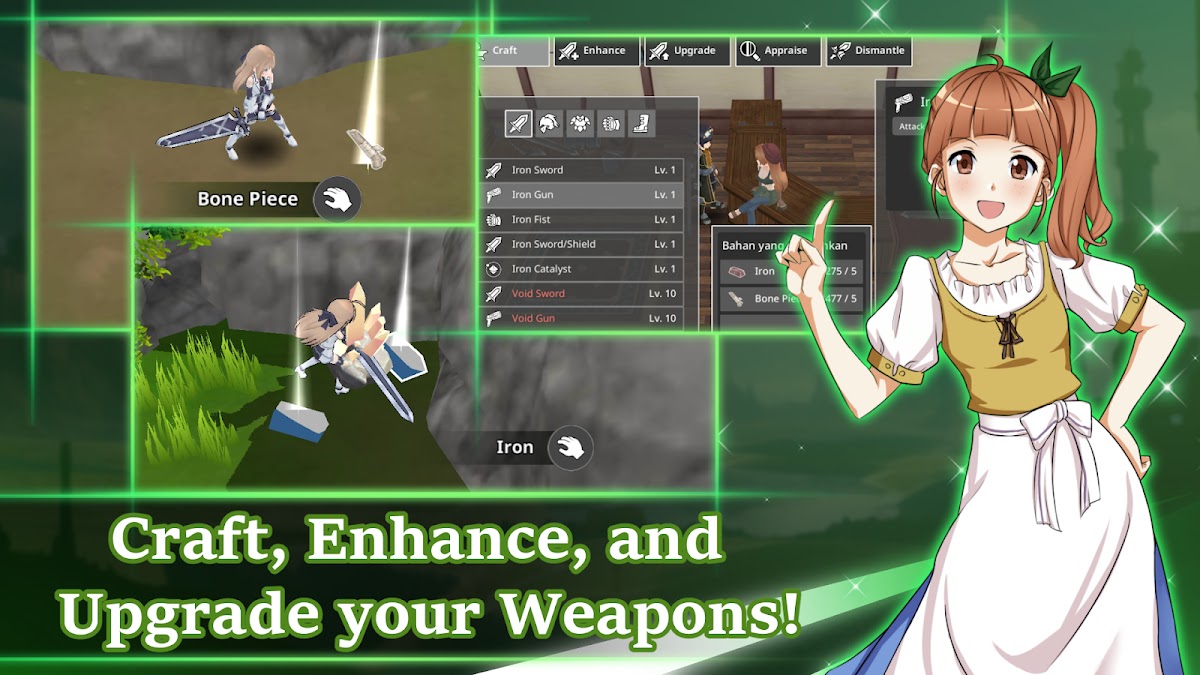

Epic Conquest 2 gives each character a set of skills and masteries, with attributes you can distribute to support the build. Exploration turns up resources, and the blacksmith lets you craft, enhance, and upgrade equipment. Part of gear progression is deciding which piece deserves the materials you’ve collected.
Choose it if you want a single-player action RPG with a story and a clear link between exploration and equipment upgrades. Its mastery system is easier to approach than the sprawling progression in some dedicated loot grinders.
14. Inotia 4 — best for building a party
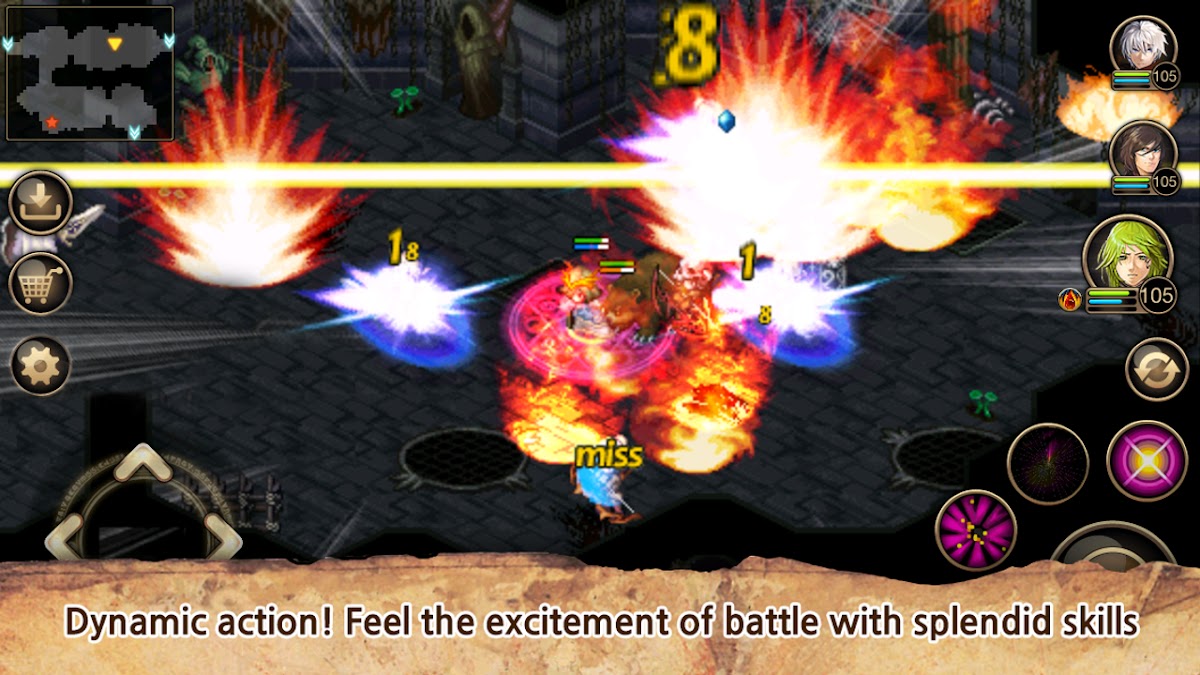
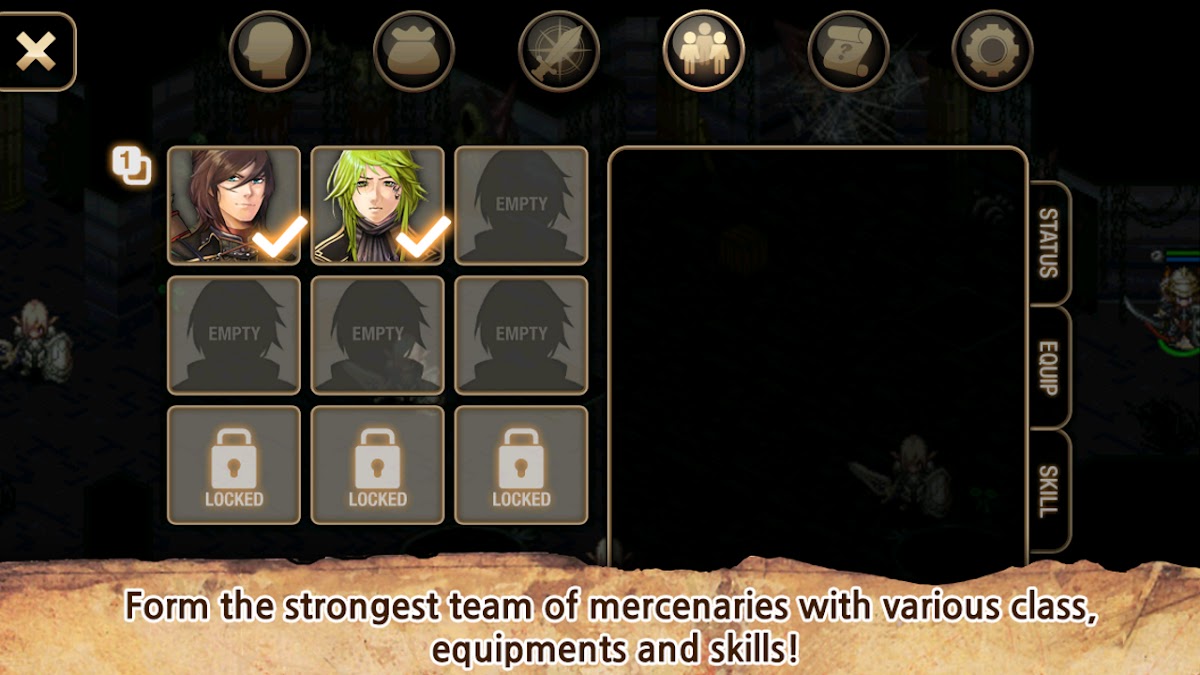
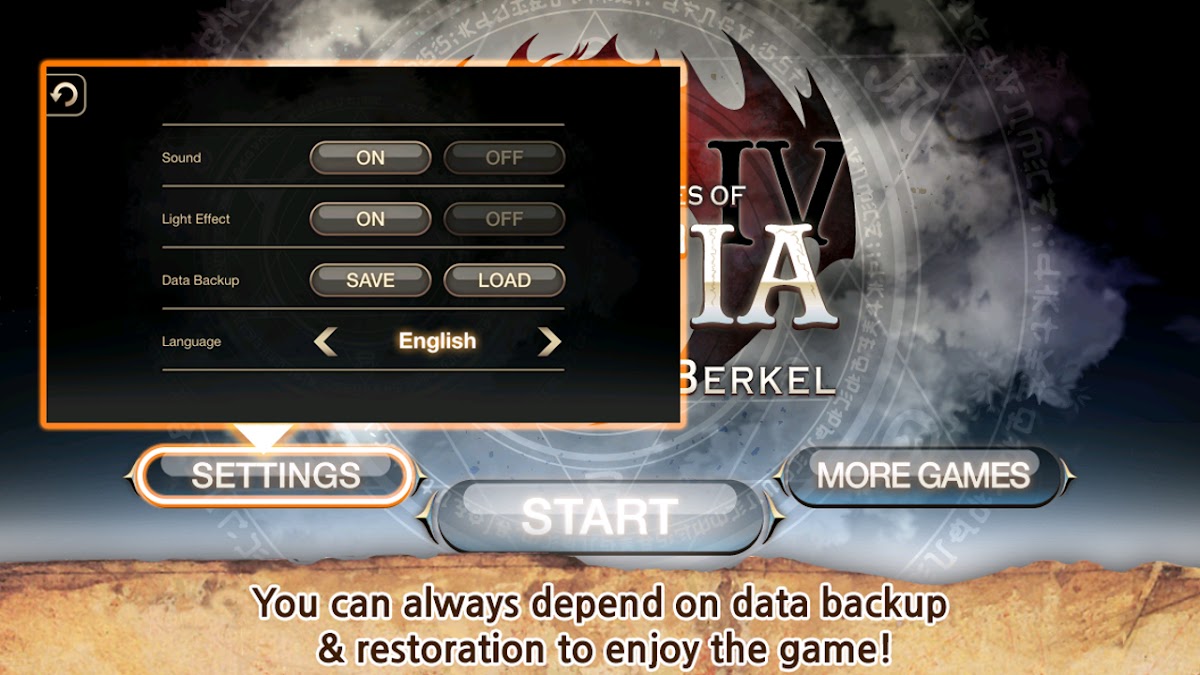
Inotia 4 lets you combine class skills with the abilities of recruited mercenaries. That gives gear a party-wide purpose. An upgrade for a companion can matter more than another improvement for your main character if the companion fills a role the team needs.
It suits players who want an older mobile action RPG with a story and party management. On iPhone, search for Inotia 4 PLUS.
15. ZENONIA® 5 — best for classic class-based action RPG combat
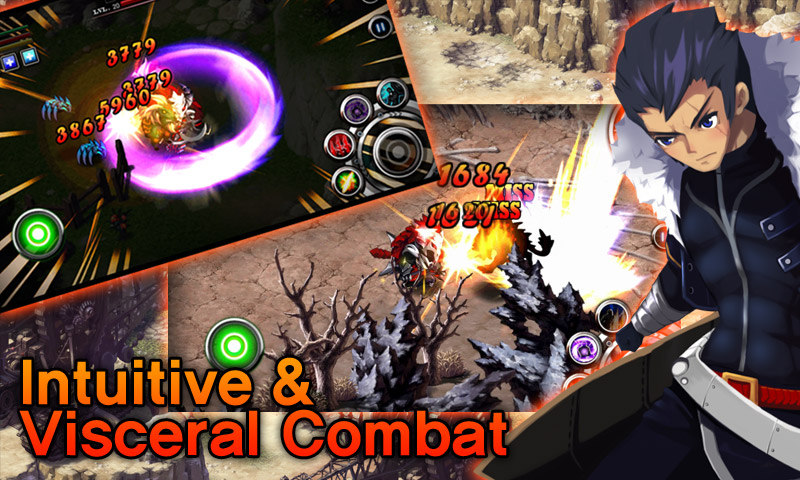
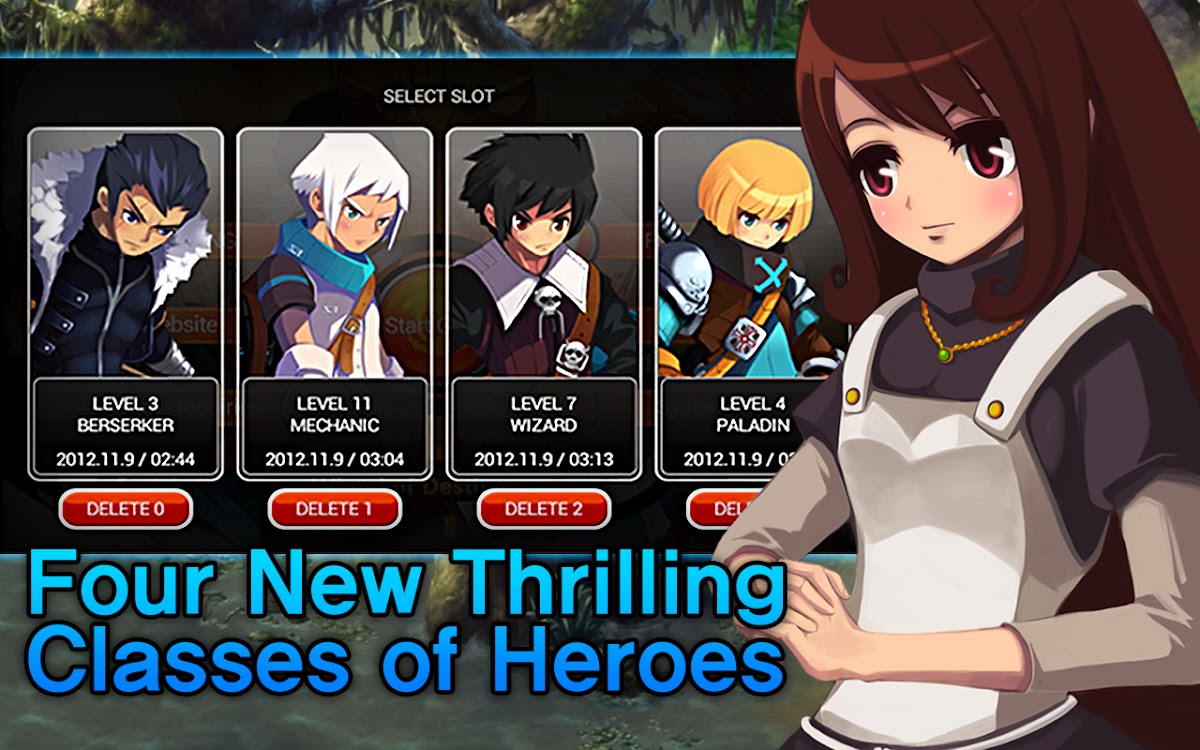
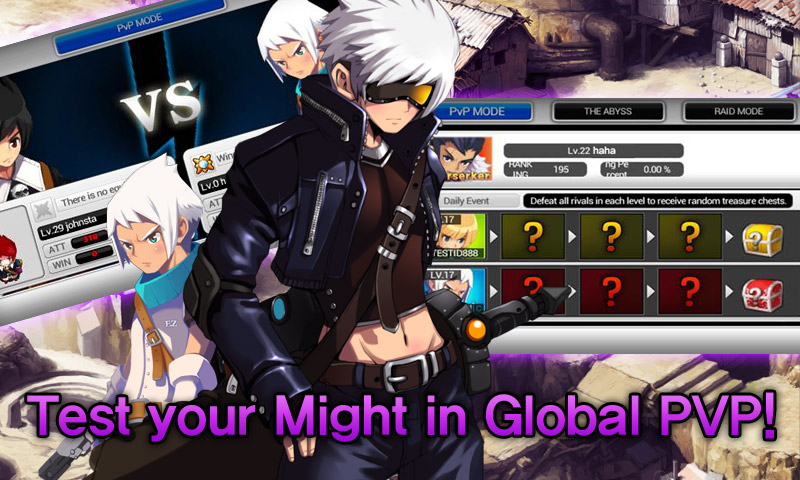
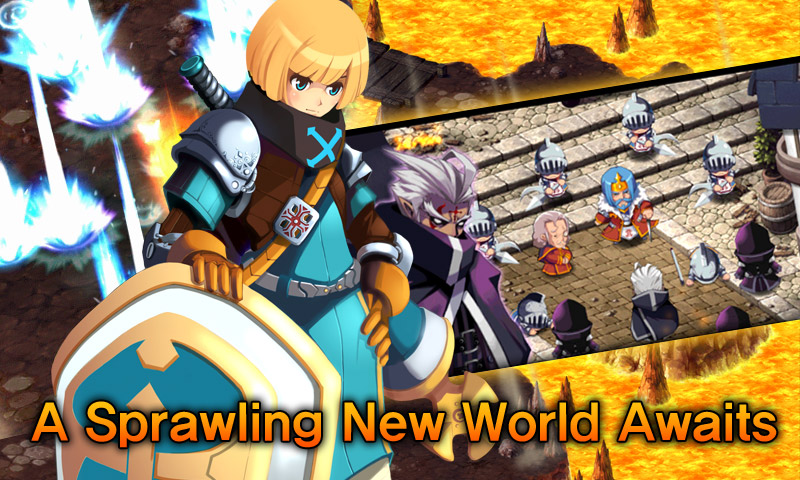
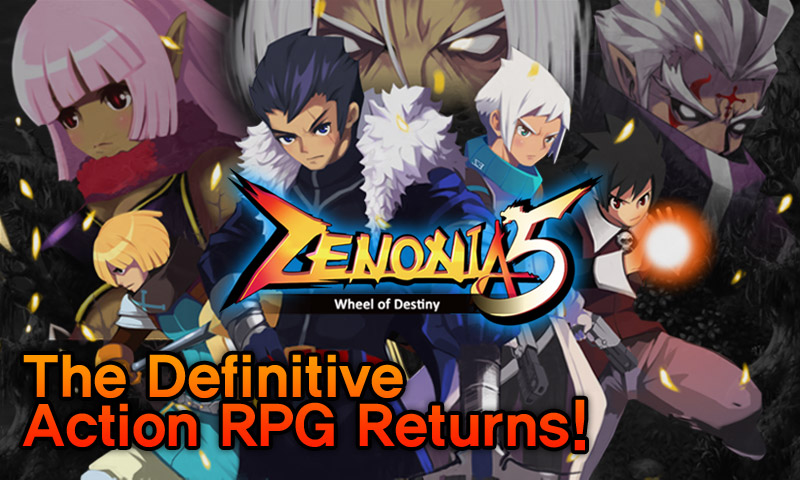
ZENONIA 5 offers four classes: Berserker, Mechanic, Wizard, and Paladin. Each has its own abilities and skill chart. The choice between a melee Berserker and a ranged Mechanic changes which attacks you use and what you want from your equipment.
It’s a good pick if you want a classic mobile RPG built around choosing a class and improving it over a campaign. Check device compatibility in the store before installing, especially if you’re returning to the game on a newer phone.
16. Pascal’s Wager — best for Soulslike combat and trophy builds
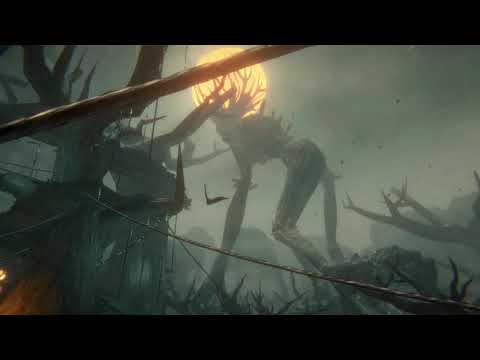
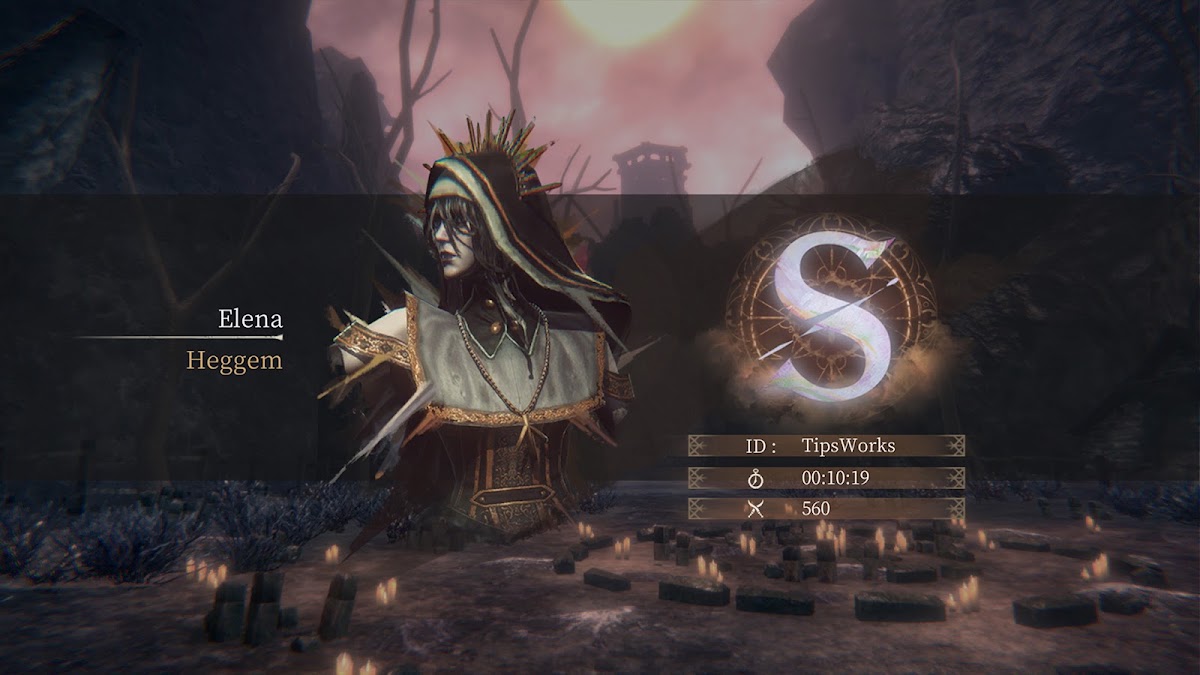
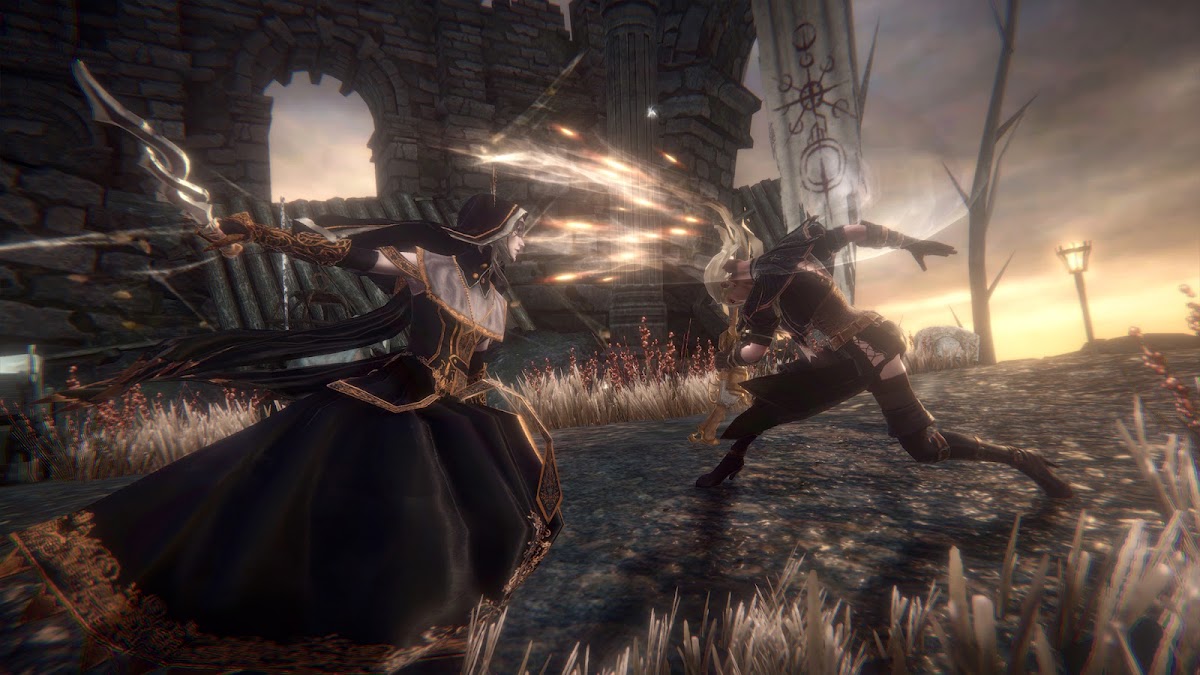
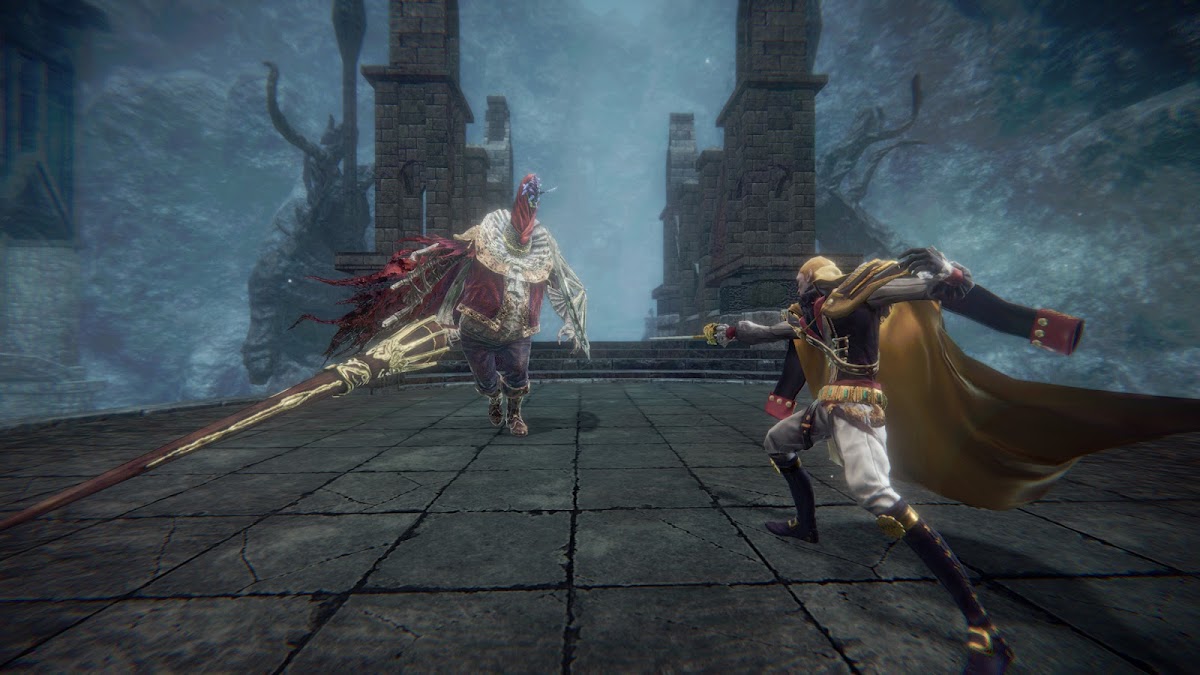
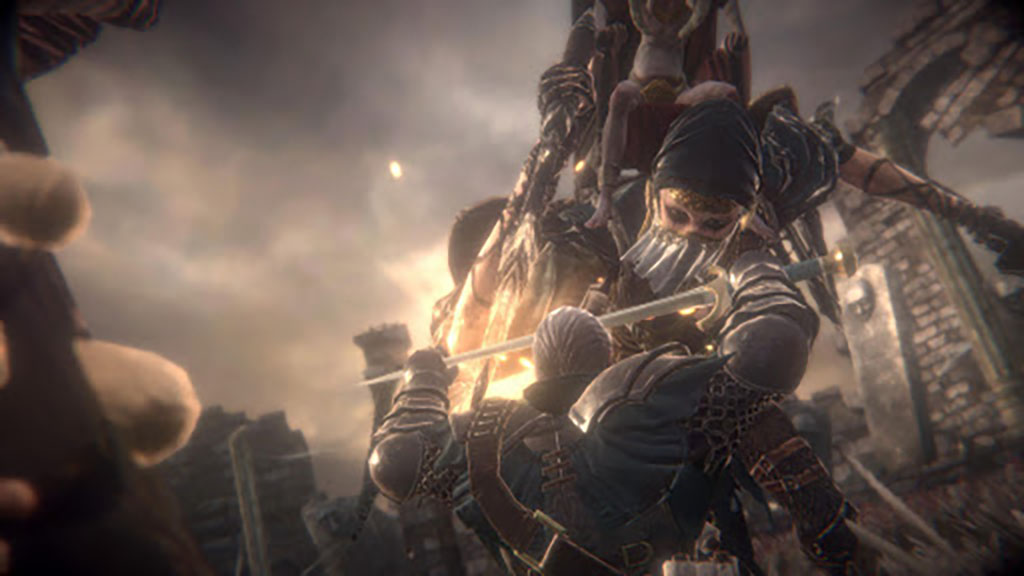
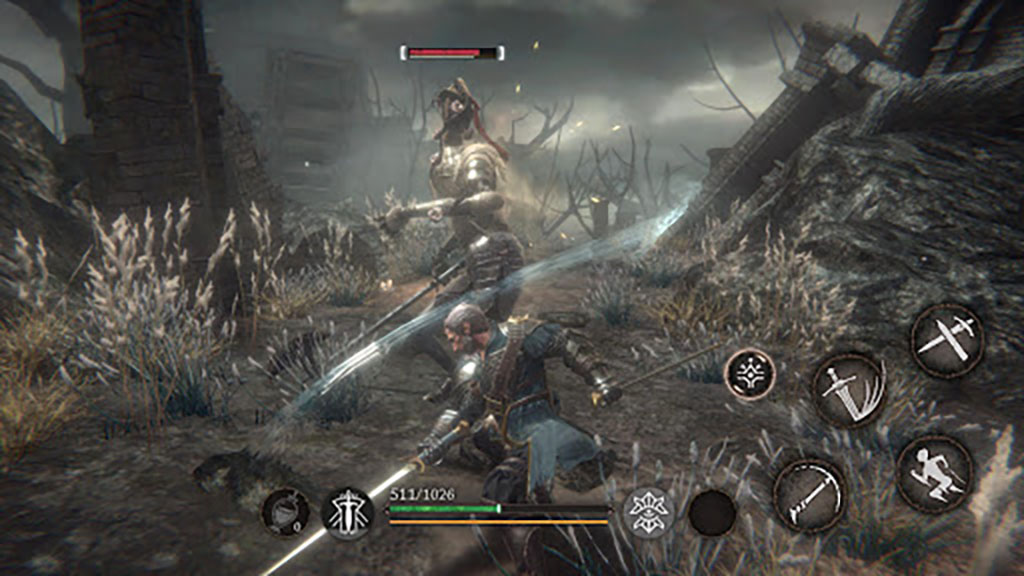
Character talents unlock attacks, special moves, and other bonuses. Equipment customization revolves around trophies, which you can find or craft and equip for effects that support your playstyle. That puts the emphasis on which trophy you bring into a difficult fight.
Choose Pascal’s Wager if you want deliberate combat and meaningful preparation for bosses. It’s the Soulslike option in a list that otherwise leans toward faster dungeon clearing and repeated gear farming.
17. Albion Online — best for gear-based builds and full-loot PvP
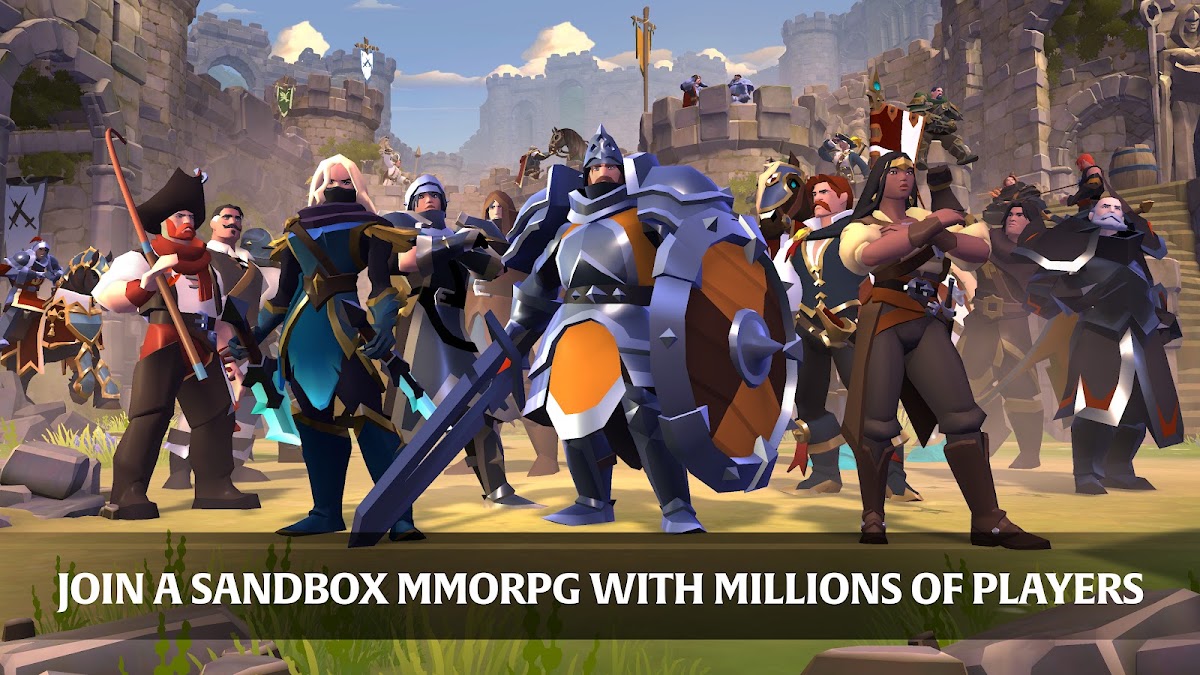
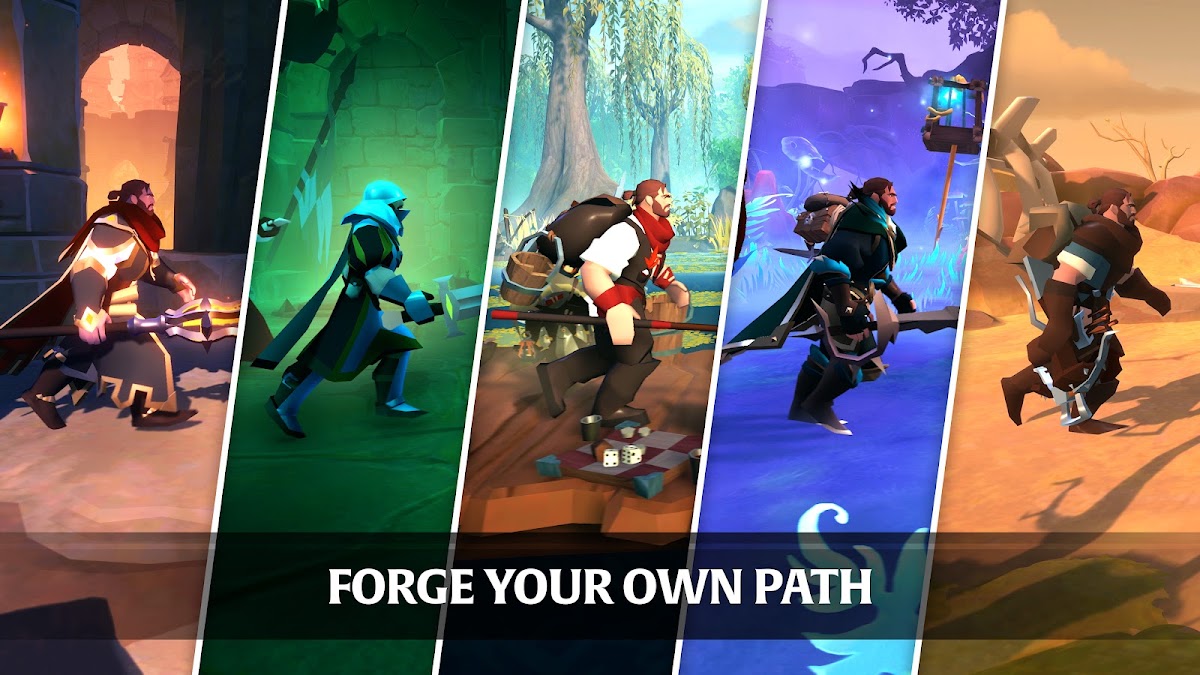
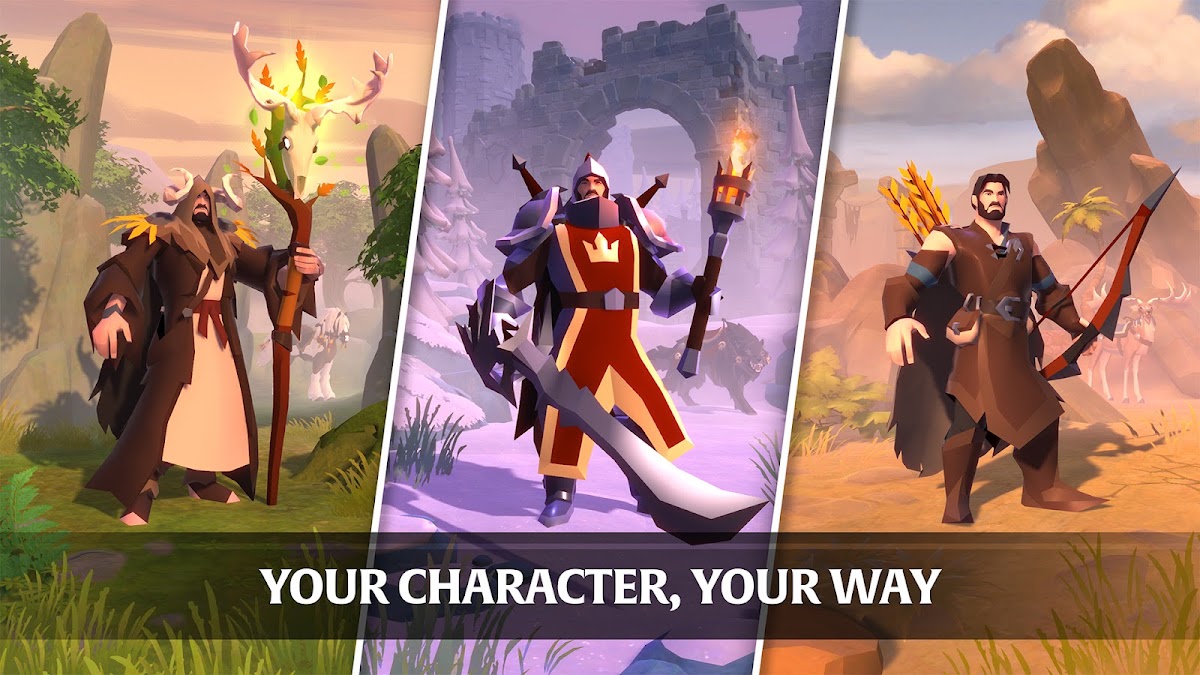
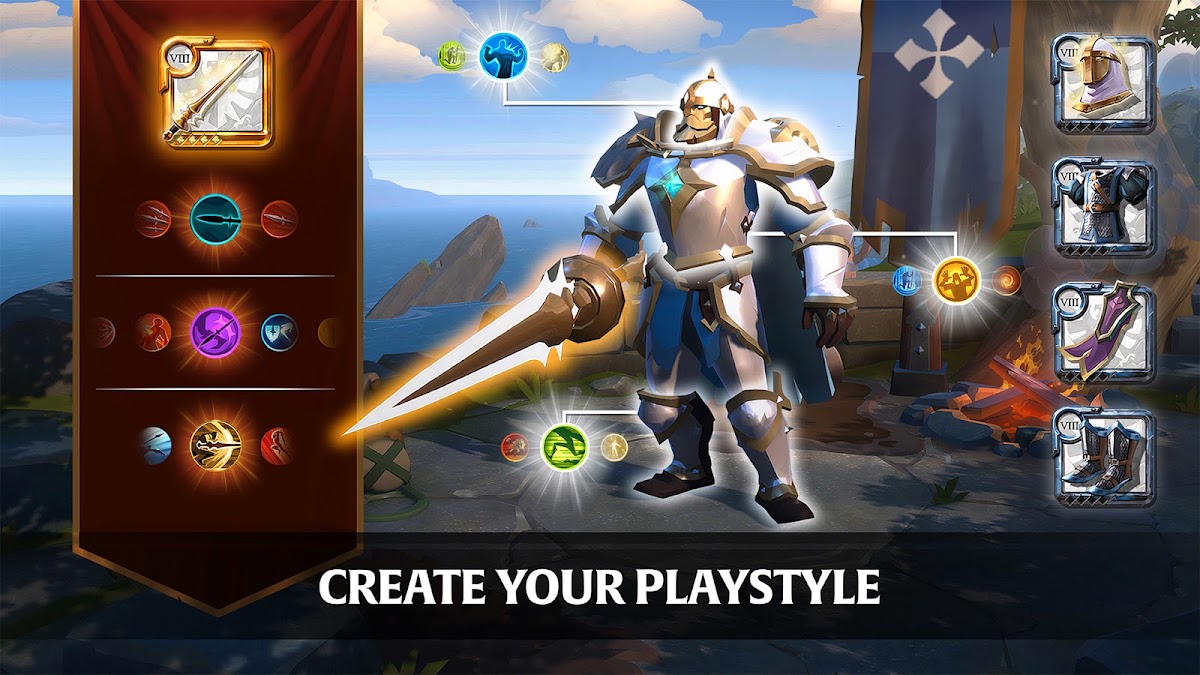
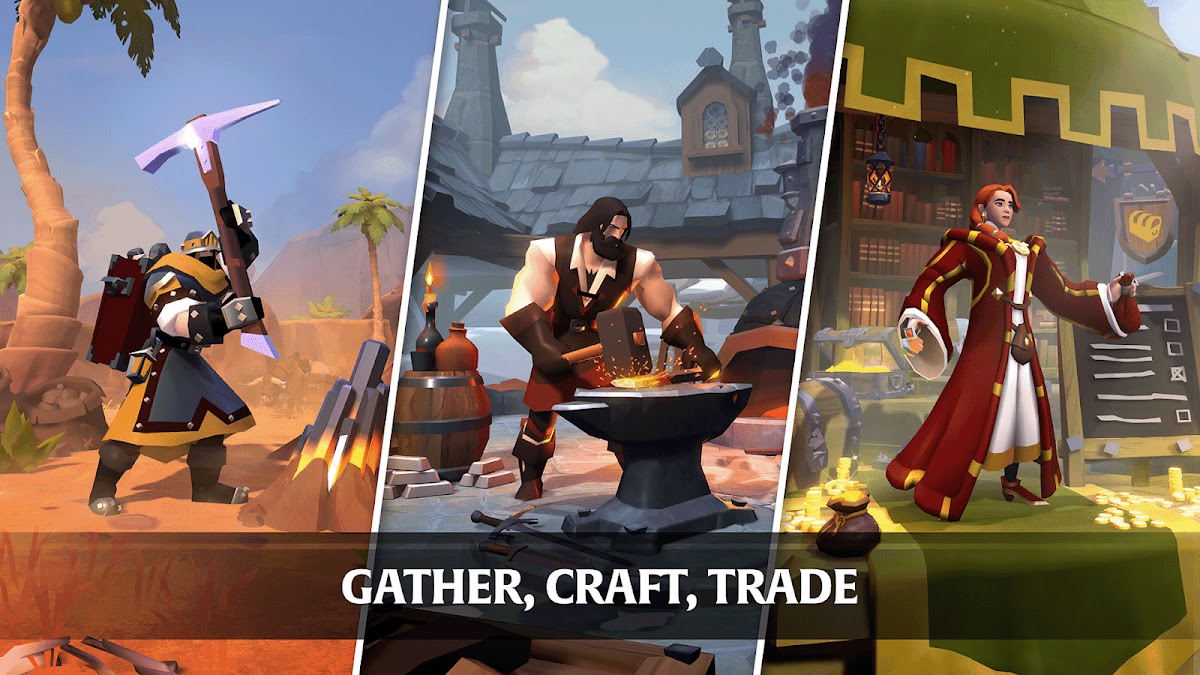
The Destiny Board tracks progression, while the gear you equip determines your combat abilities. Swap weapon types and you can change your role without creating a new character. Advancing in a weapon line gives you a reason to specialize, even though you can explore other options on the same character.
Dungeon rewards are one part of the gear economy. In designated full-loot PvP zones, entering with expensive equipment also means risking it. Choose Albion if you want builds that fit different group roles and a gear hunt where deciding what to bring carries real stakes.
18. Dungeon Quest — best for randomized gear and repeatable dungeon floors

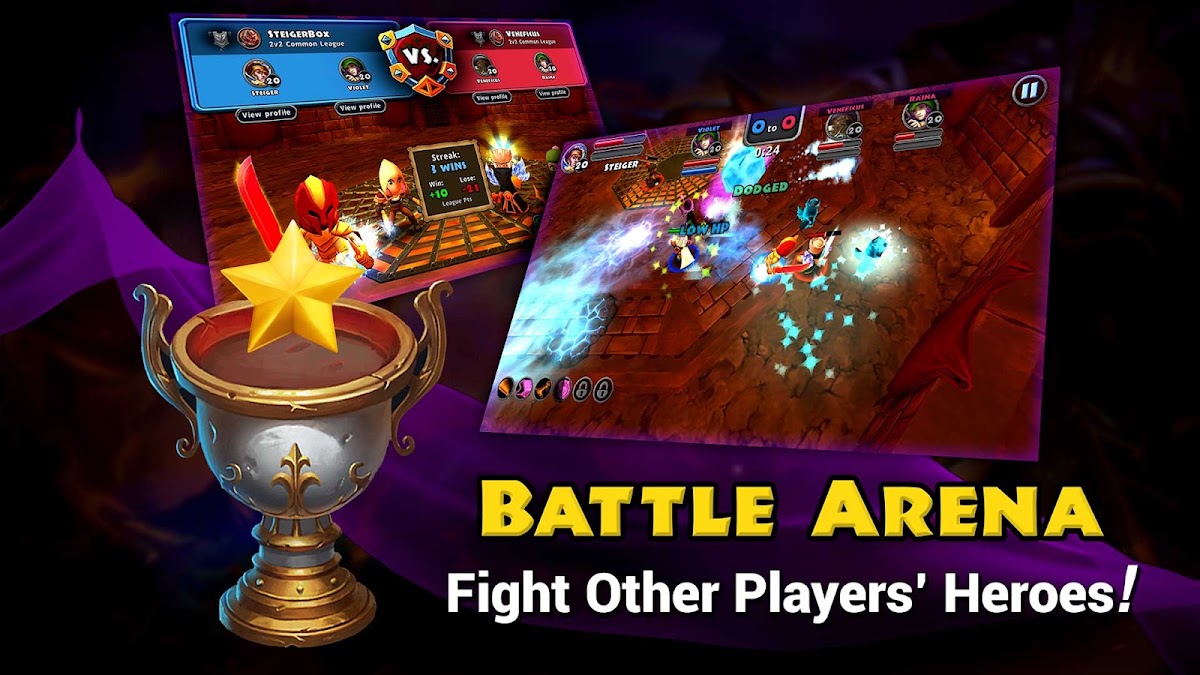
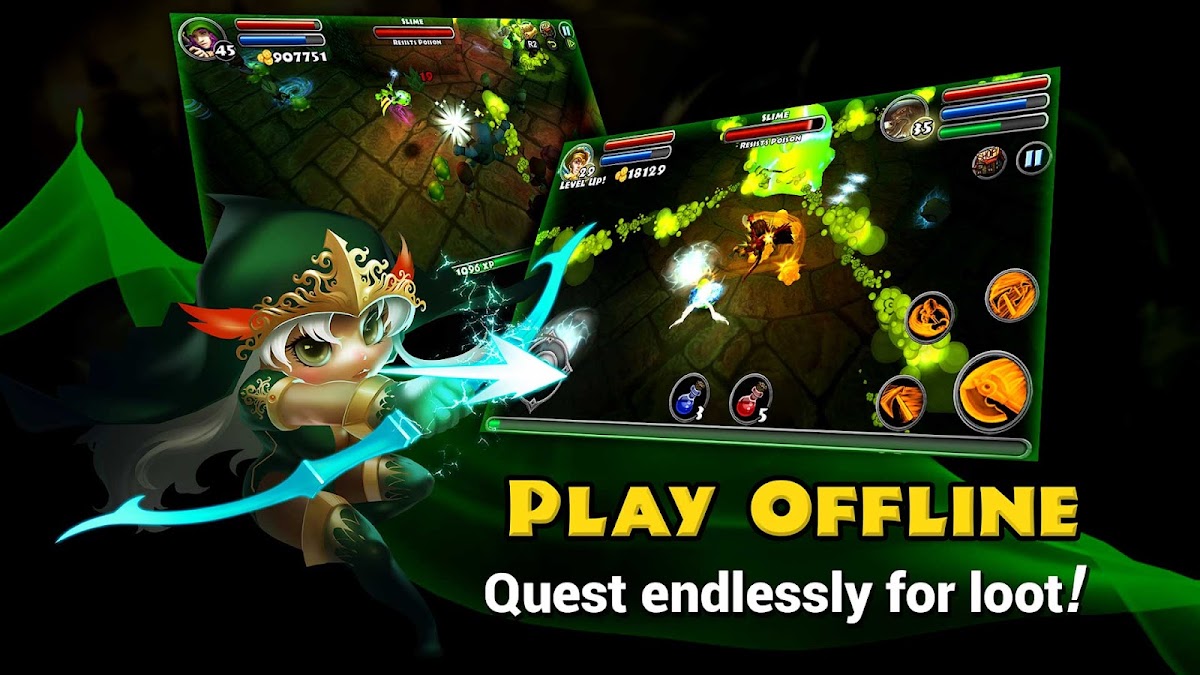
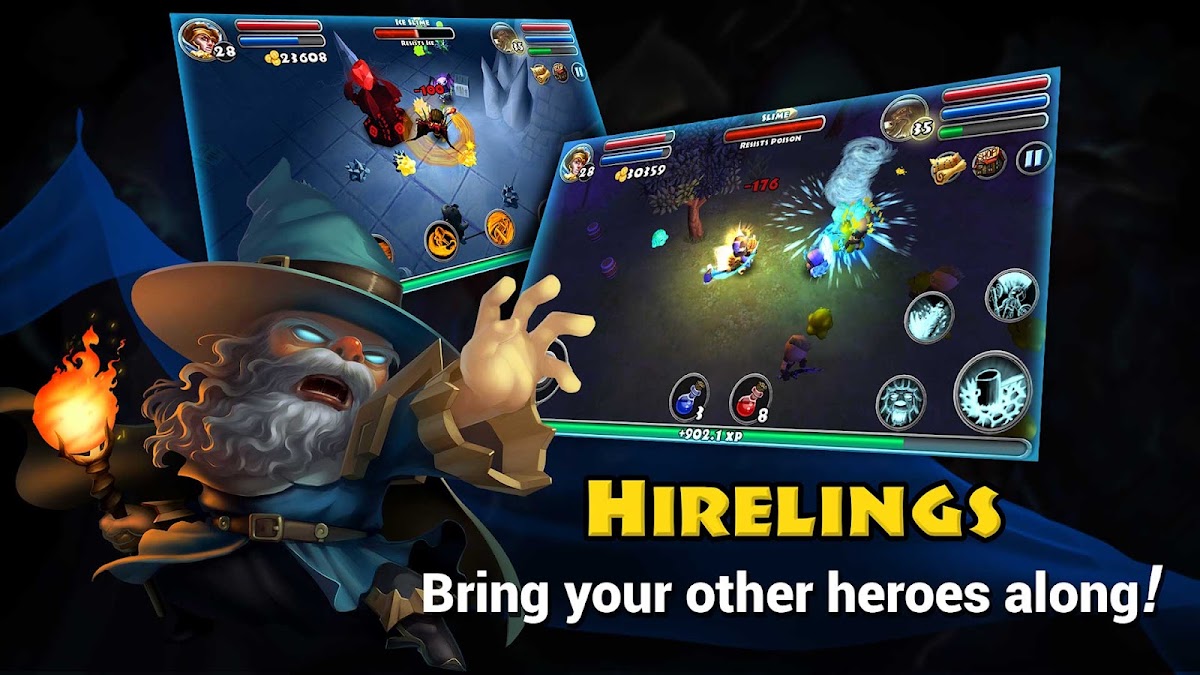
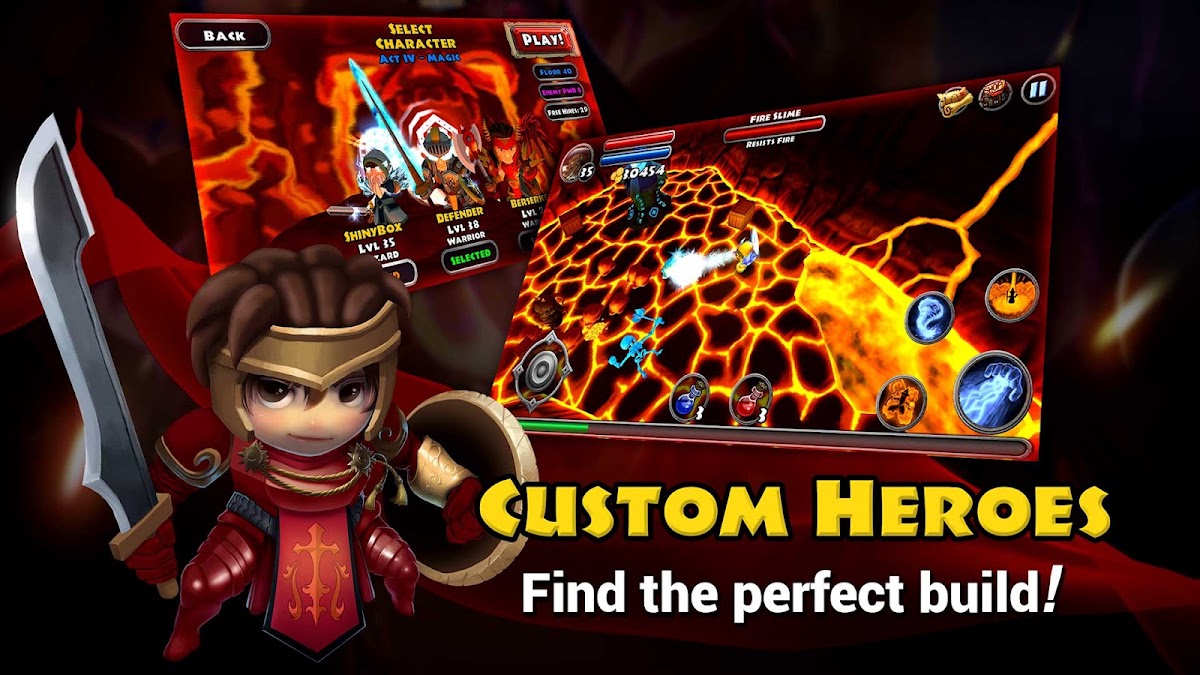
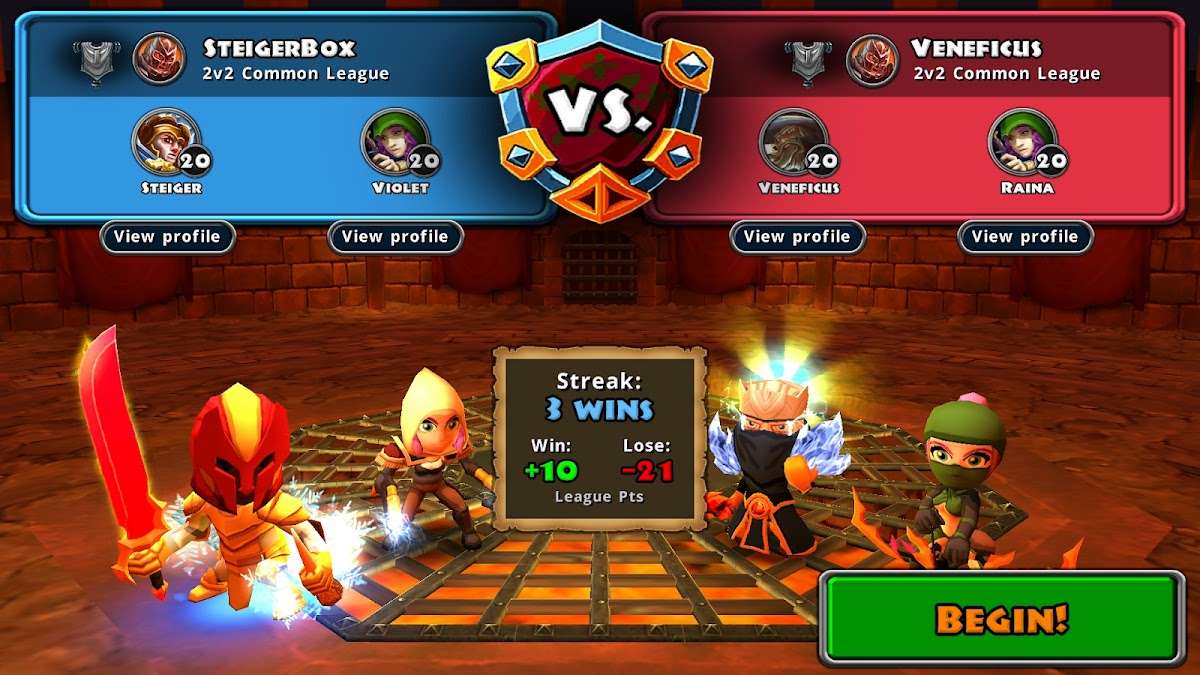

Shiny Box’s Dungeon Quest makes item farming the main reason to keep clearing floors. Heroic Skills give you points to invest in abilities, and equipment talents add another way to improve your setup. Randomized items keep the gear hunt going as the enemies get tougher.
It’s a strong choice when you want to see how far a build can go in repeatable dungeon runs. Search for Dungeon Quest by Shiny Box Games to find the right listing.