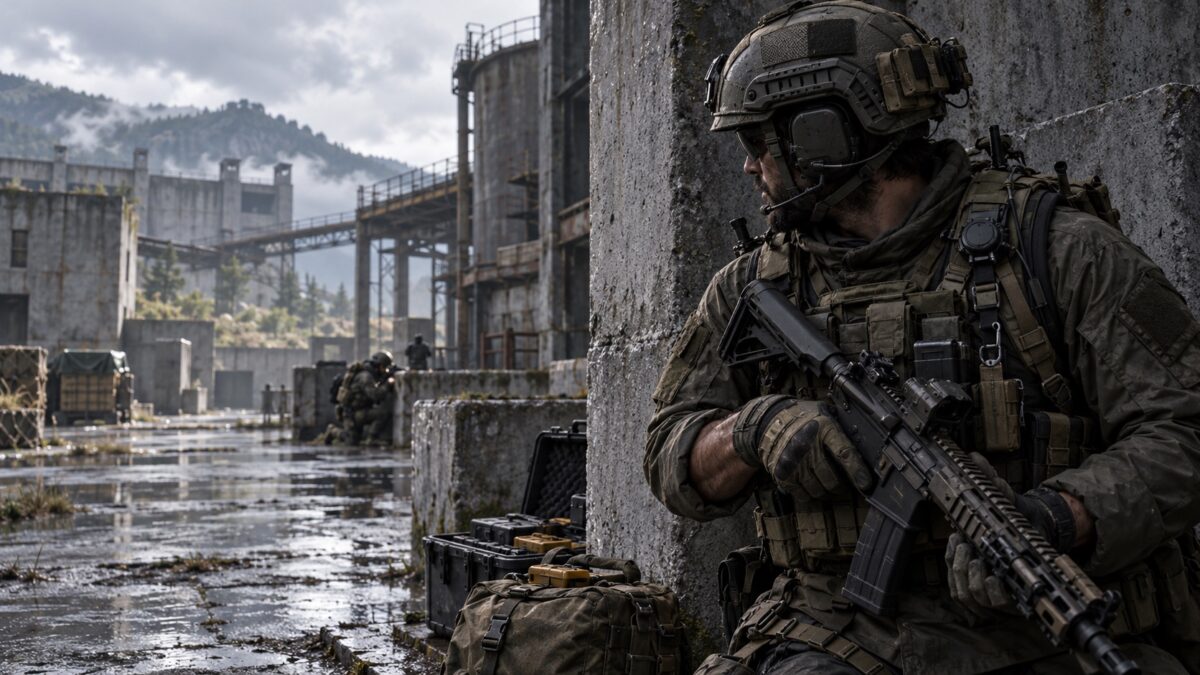
A five-minute team match, a battle royale with friends, and an extraction raid put very different demands on a player. One rewards quick respawns and map knowledge. Another asks you to survive a shrinking battlefield. The third makes you decide whether the loot in your backpack is worth another fight.
This guide compares 15 popular mobile shooters for Android and iOS, including Call of Duty: Mobile, PUBG MOBILE, Standoff 2, Arena Breakout, and Delta Force. The focus is on how they play, what keeps you coming back, and which trade-offs matter before downloading.
All 15 have Android and iPhone versions, although regional availability, device requirements, and publisher editions vary. “Popular” refers to their established reach and download history; the order below is an editorial selection, not a ranking of current active players or a performance benchmark.
Popular Mobile Shooters: Quick Comparison
| Game | Main format | A good starting point for | Main consideration |
| Call of Duty: Mobile | Multiplayer FPS and battle royale | Switching between several competitive formats | Maps and optional resources can add substantial downloads |
| PUBG MOBILE | Battle royale; Metro Royale extraction mode | Squad survival, positioning, and looting | Match commitment and regional editions |
| Free Fire | Battle royale and squad combat | Shorter survival matches and accessible controls | Character abilities affect tactics |
| Blood Strike | Hero-based battle royale | Fast movement and aggressive squad play | Abilities matter alongside aim |
| Standoff 2 | Tactical competitive FPS | Round-based team play and weapon control | Map knowledge and coordination take practice |
| Critical Ops | Tactical competitive FPS | Defuse matches and skill-focused competition | A mistake can end your round |
| Arena Breakout | Tactical extraction FPS | Detailed loadouts and high-risk raids | Equipment loss and inventory management |
| Delta Force | Extraction FPS and large-scale warfare | Choosing between raids and broader battles | The two formats have different objectives |
| Lost Light | Survival extraction shooter | Weapon customization and shelter progression | More preparation between firefights |
| Combat Master Mobile FPS | Fast multiplayer FPS and battle royale | Movement, quick reactions, and direct combat | Speed raises the learning curve |
| Modern Strike Online | Multiplayer FPS | Team battles with equipment progression | Upgrades and progression deserve attention |
| World War Heroes | WWII multiplayer FPS | Historical weapons and objective-based matches | Equipment development is part of the experience |
| Modern Combat 5 | Campaign and multiplayer FPS | A military campaign alongside online play | The campaign requires an internet connection |
| Guns of Boom | Accessible team FPS | Short matches and simpler controls | Equipment builds influence your approach |
| SHADOWGUN LEGENDS | Sci-fi looter shooter | Missions, co-op, raids, and gear collection | Online progression is central |
1. Call of Duty: Mobile — A Versatile Starting Point
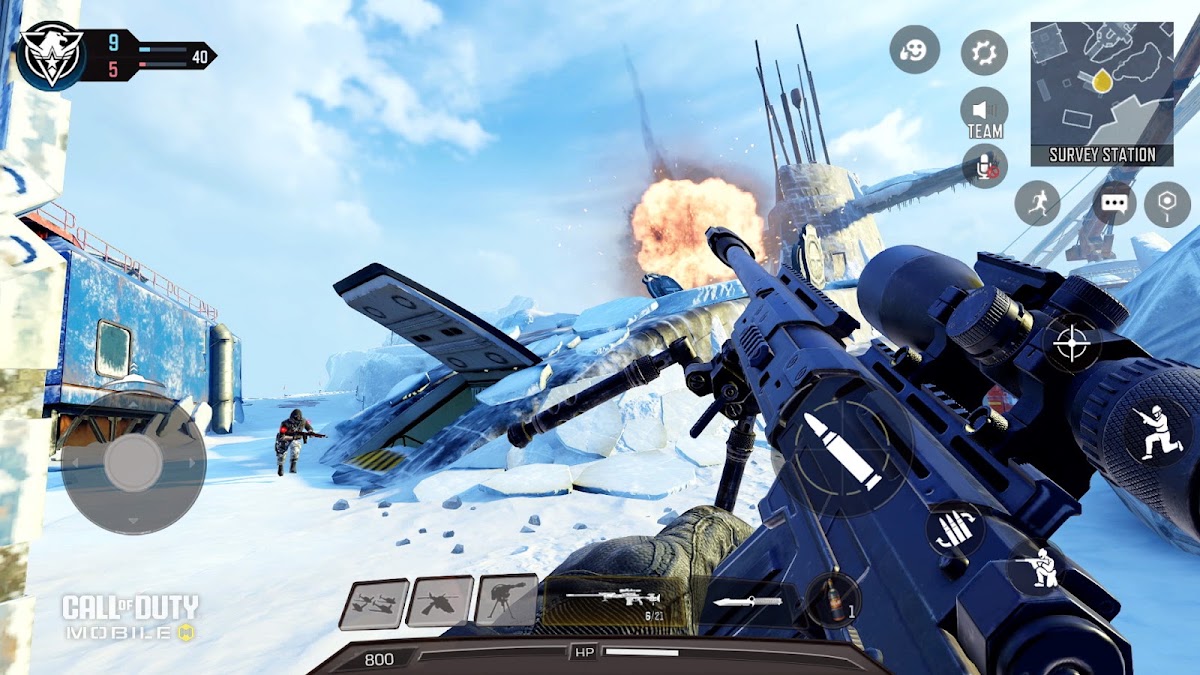
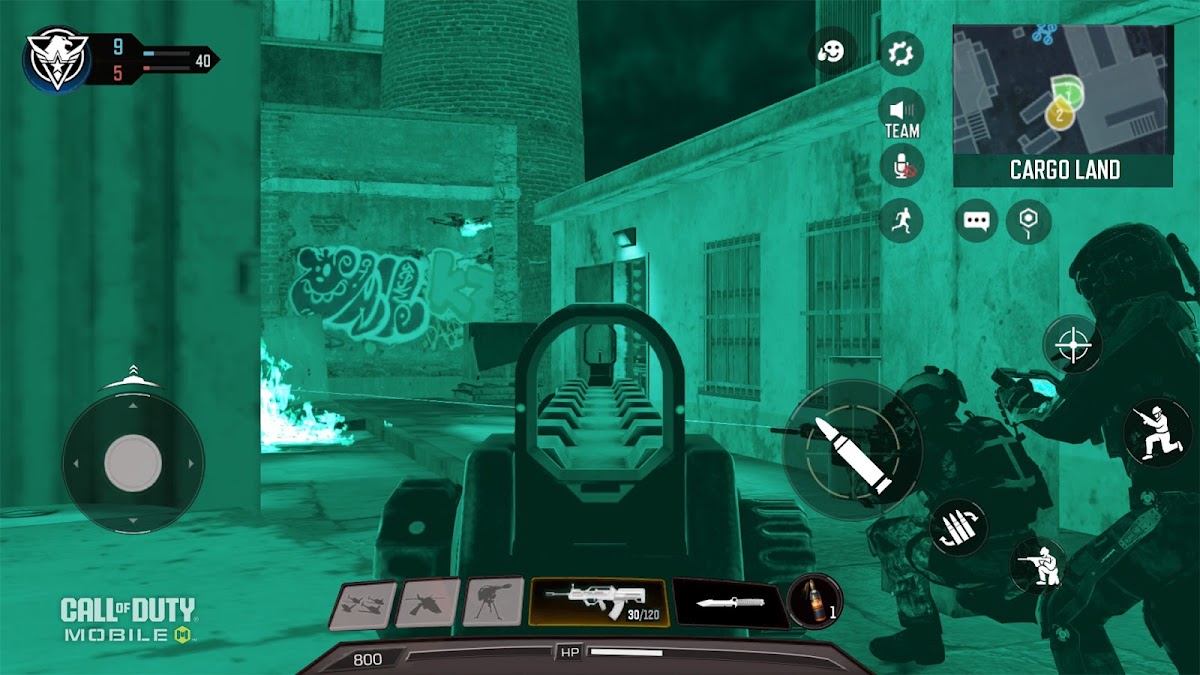
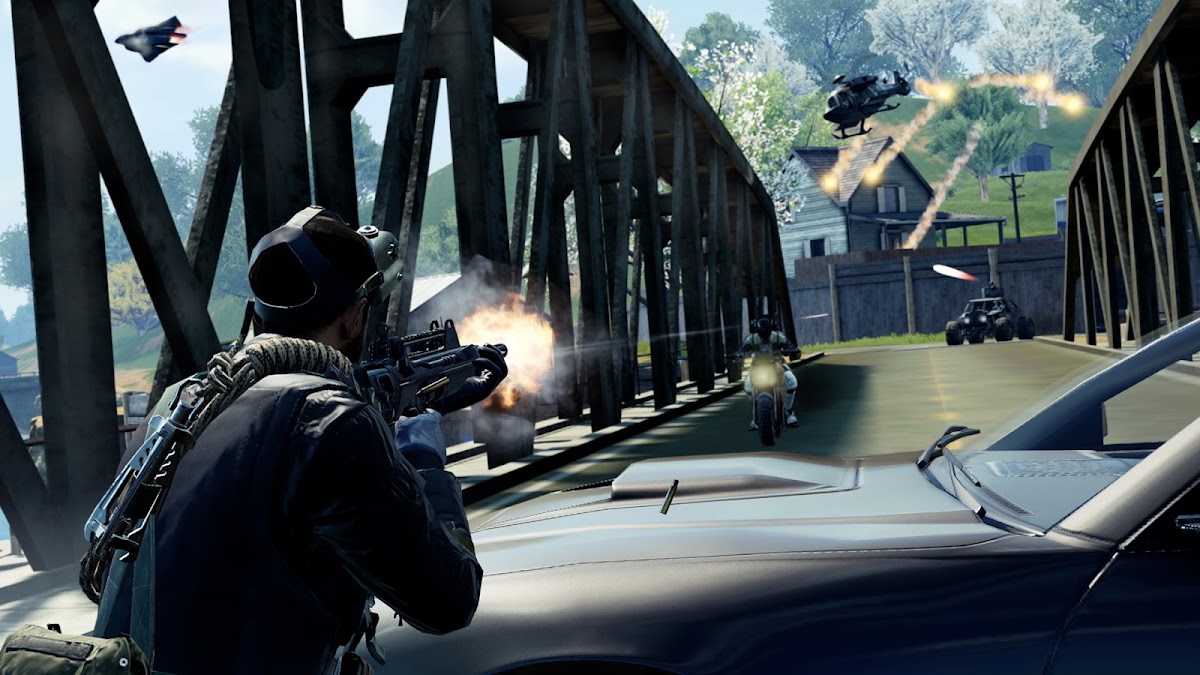
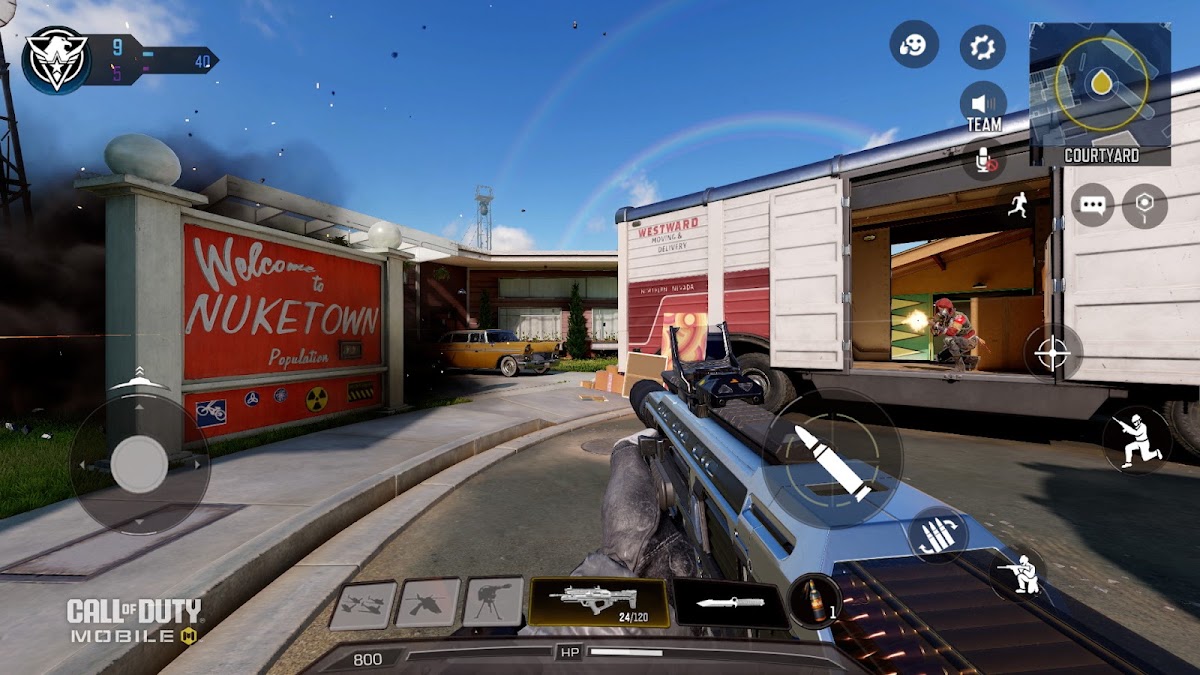
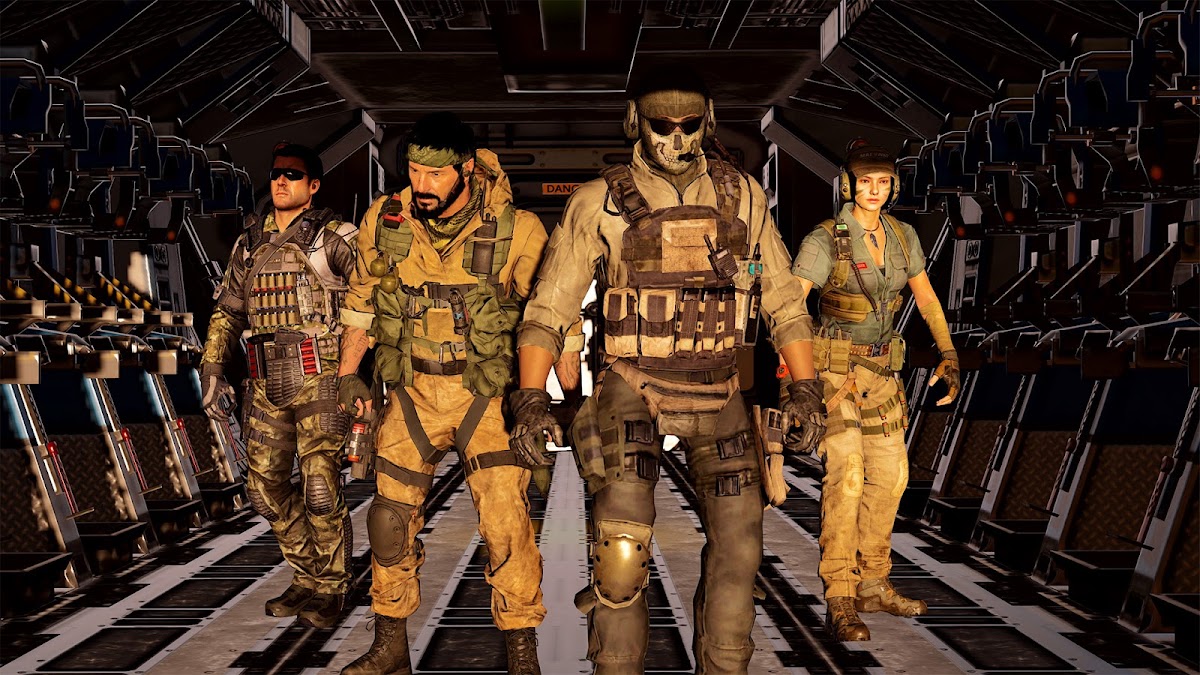
Call of Duty: Mobile suits players who want several types of shooting in one app. Its multiplayer maps and modes support short, repeatable matches, while battle royale offers a different rhythm built around survival and movement across a larger battlefield.
The appeal is flexibility. You can practice a weapon in familiar multiplayer environments, play objectives with friends, or switch formats when the same routine becomes tiring. Learning a few maps and one comfortable loadout is usually more useful than constantly changing everything.
The main practical consideration is content management. The initial installation does not necessarily include every map, visual resource, or optional download. Check the in-game download manager before planning a long session away from Wi-Fi.
Choose it for: varied multiplayer shooting with a recognizable military setting.
2. PUBG MOBILE — Squad Survival and Positioning


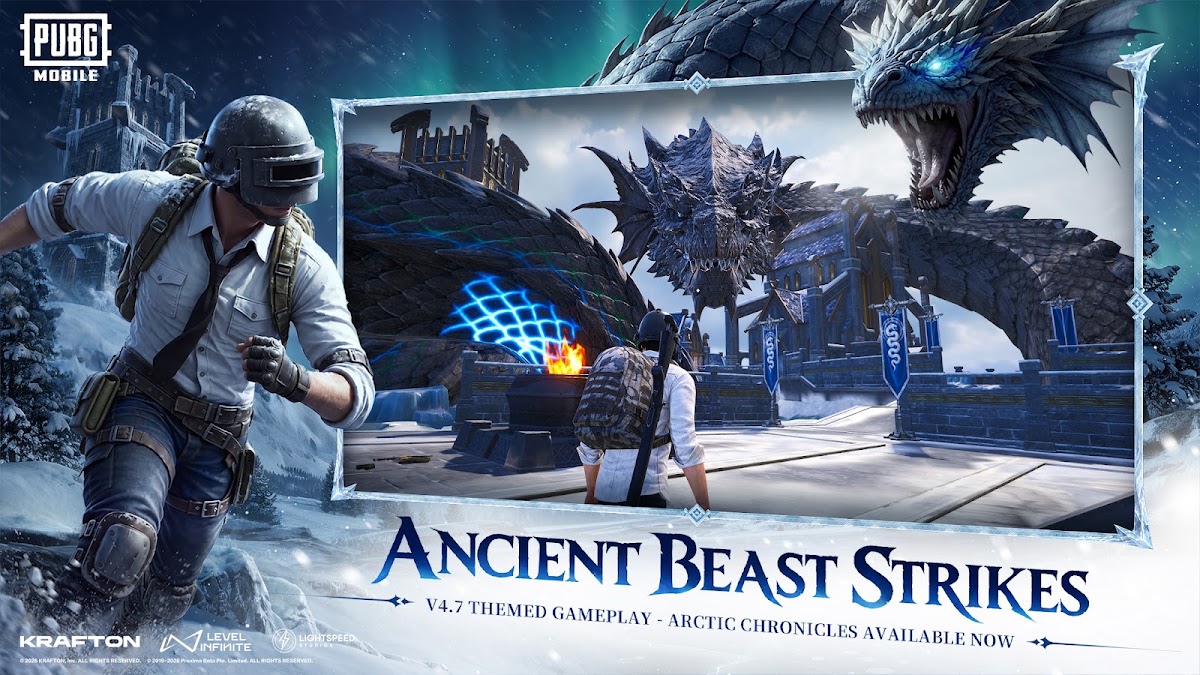
PUBG MOBILE is a strong option when you enjoy the decisions between firefights. Landing location, equipment searches, rotations, and the approach to the next safe area can shape a match before you pull the trigger.
Its battle royale format rewards patience as well as aim. A squad that communicates and reaches a useful position can avoid fights that a less organized team is forced to take. That makes it appealing when you want a shared match with a beginning, buildup, and tense final stretch.
PUBG MOBILE also includes Metro Royale, an extraction-focused mode. Treat it separately from standard battle royale: its looting and evacuation objectives change the reason you enter a fight.
Choose it for: squad survival, route planning, and battles where positioning matters.
3. Free Fire — A More Compact Battle Royale
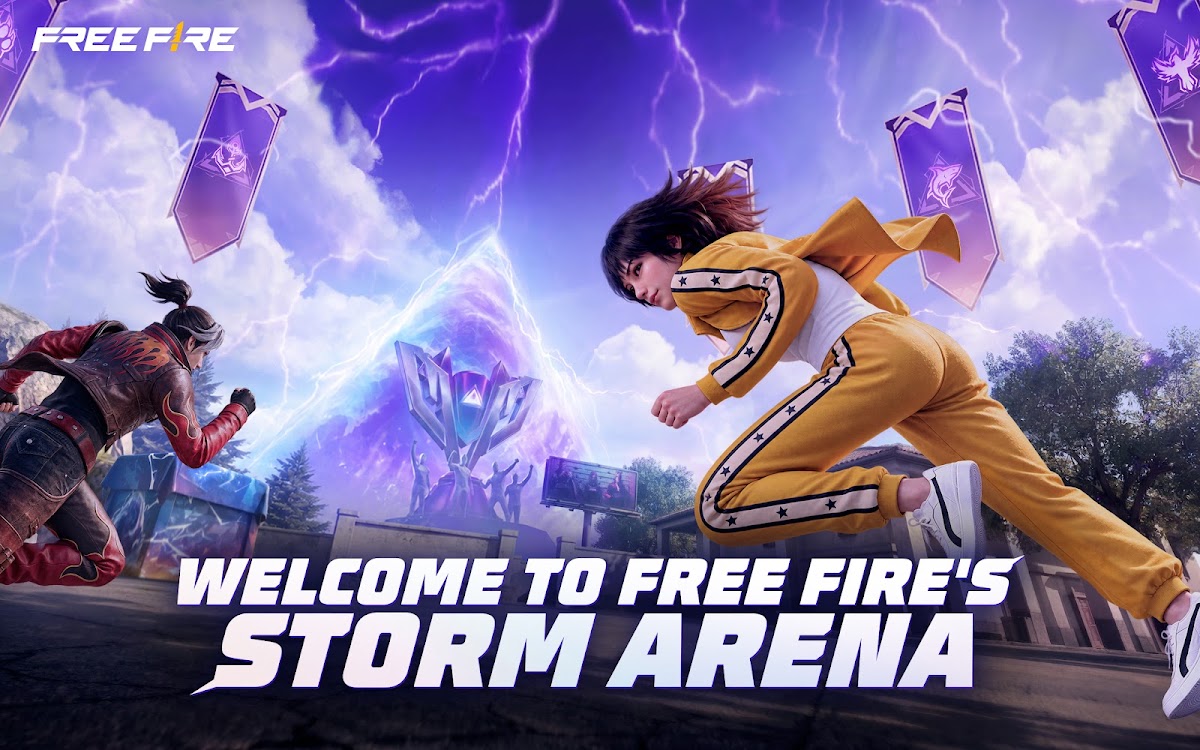
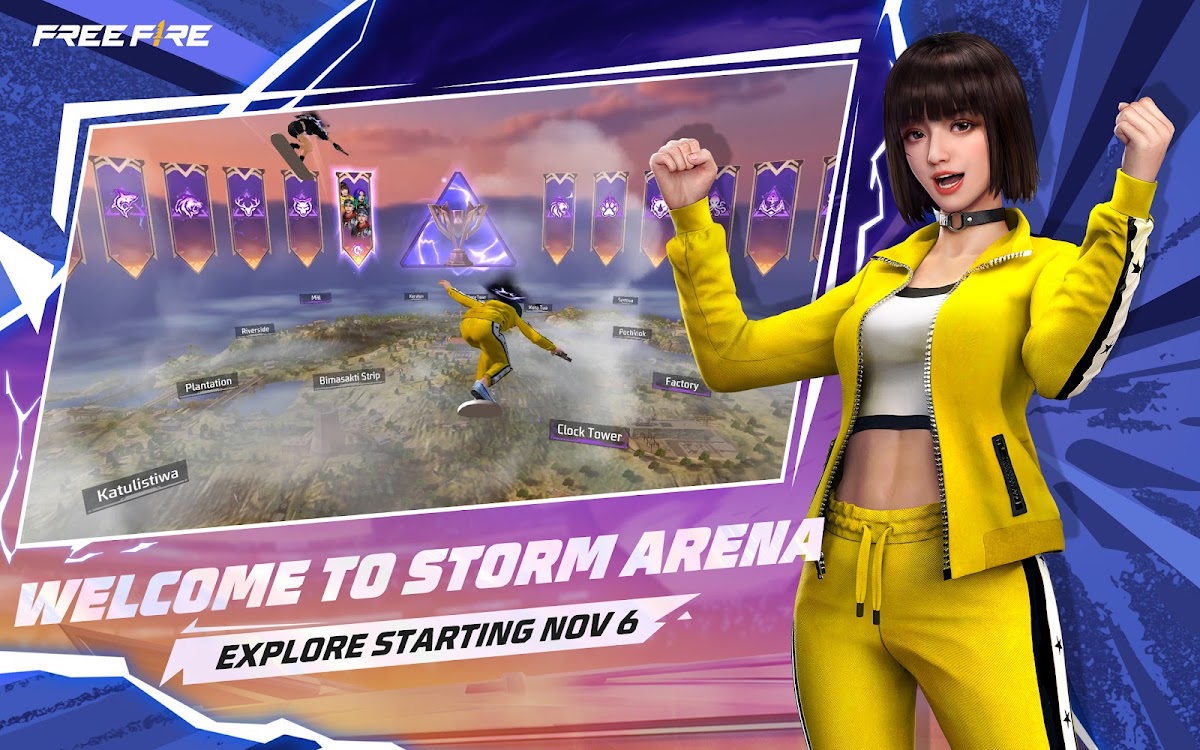
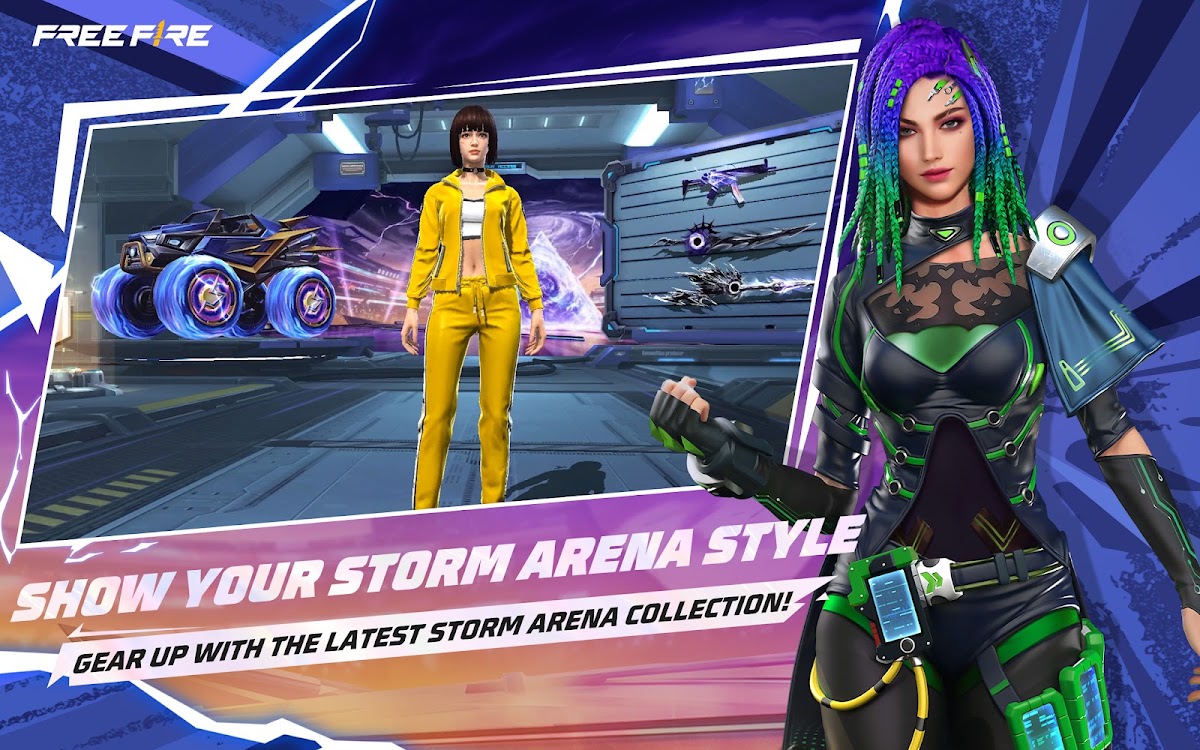
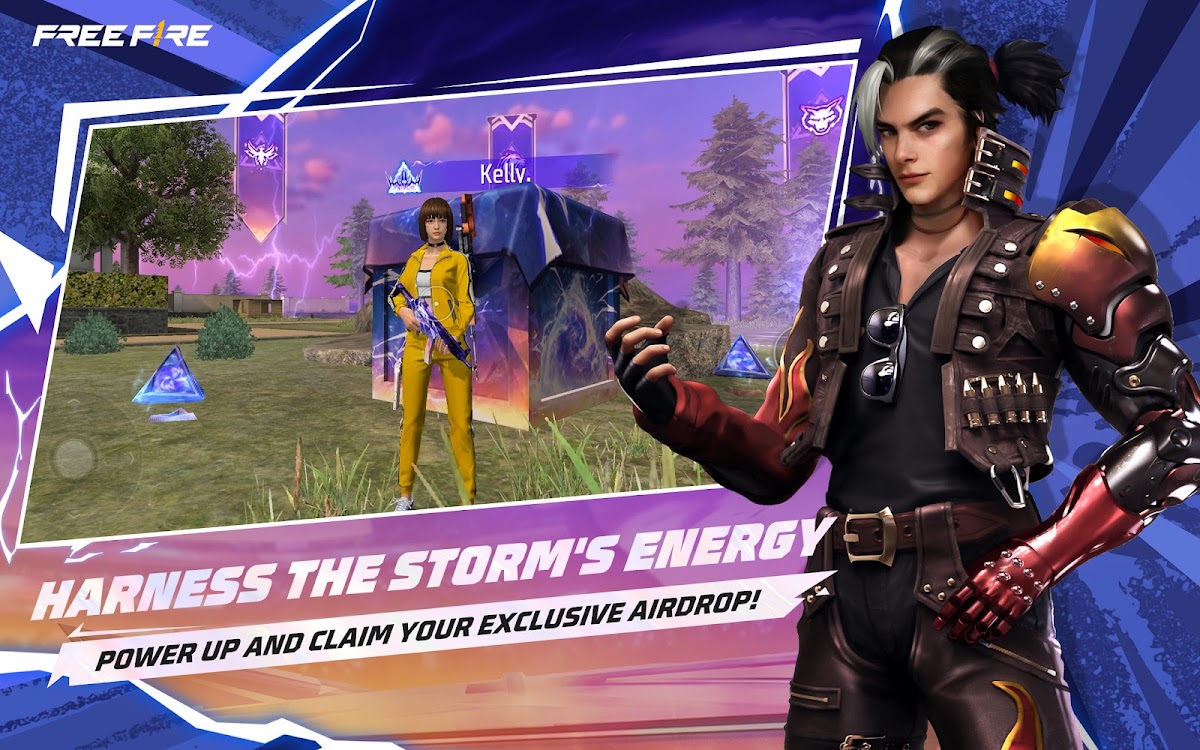
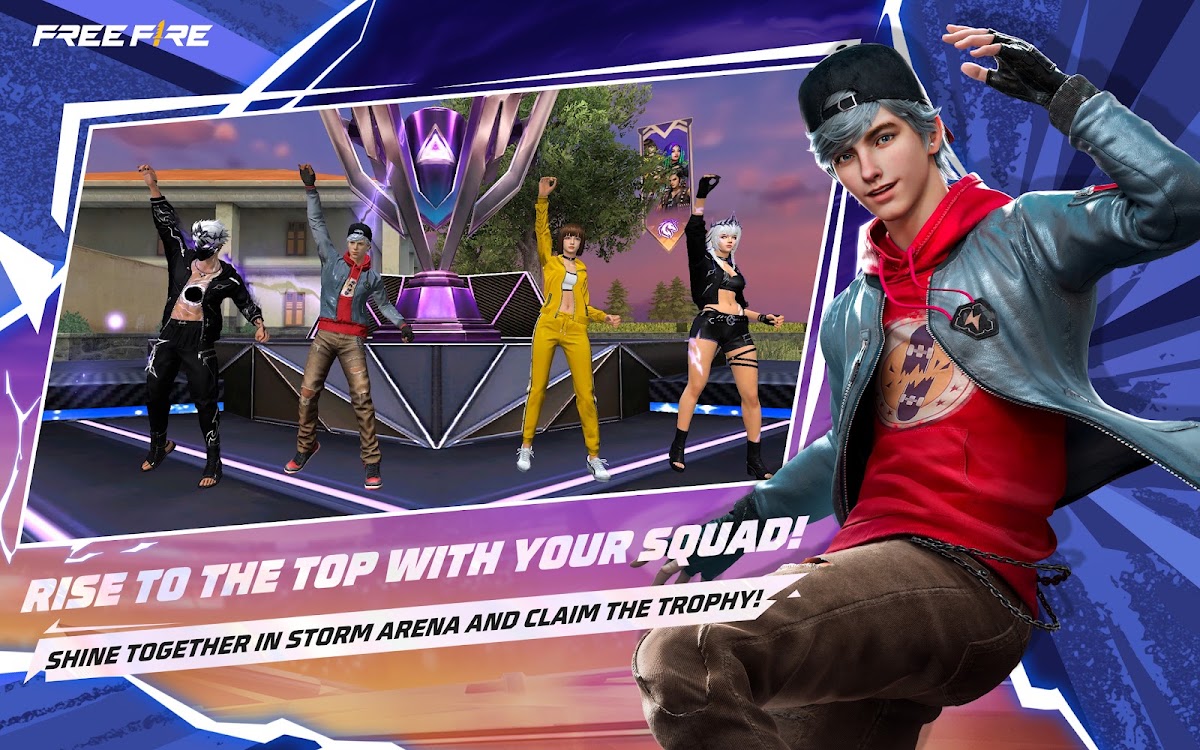

Free Fire offers battle royale shooting in a format designed around relatively short matches. It is a useful starting point if you like gathering equipment and surviving against other players but prefer a smaller time commitment.
Characters and their abilities add another layer to team composition. Choosing when to push, recover, or support a teammate matters alongside weapon choice. Players seeking a purely equipment-and-aim-driven experience should take that ability system into account.
Free Fire and Free Fire MAX are related editions, so confirm which one you are installing. Device requirements and availability can differ. Start by learning one control layout and a manageable set of weapons before investing heavily in character or equipment choices.
Choose it for: compact survival matches and approachable squad shooting.
4. Blood Strike — Battle Royale with Faster Movement

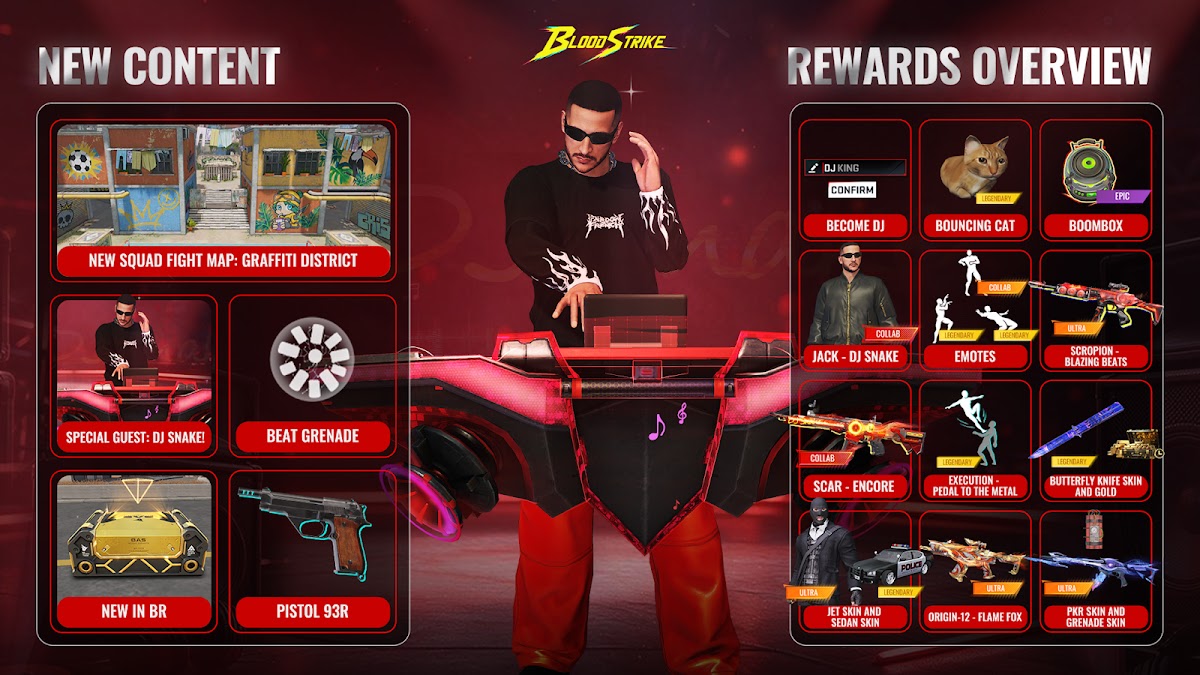
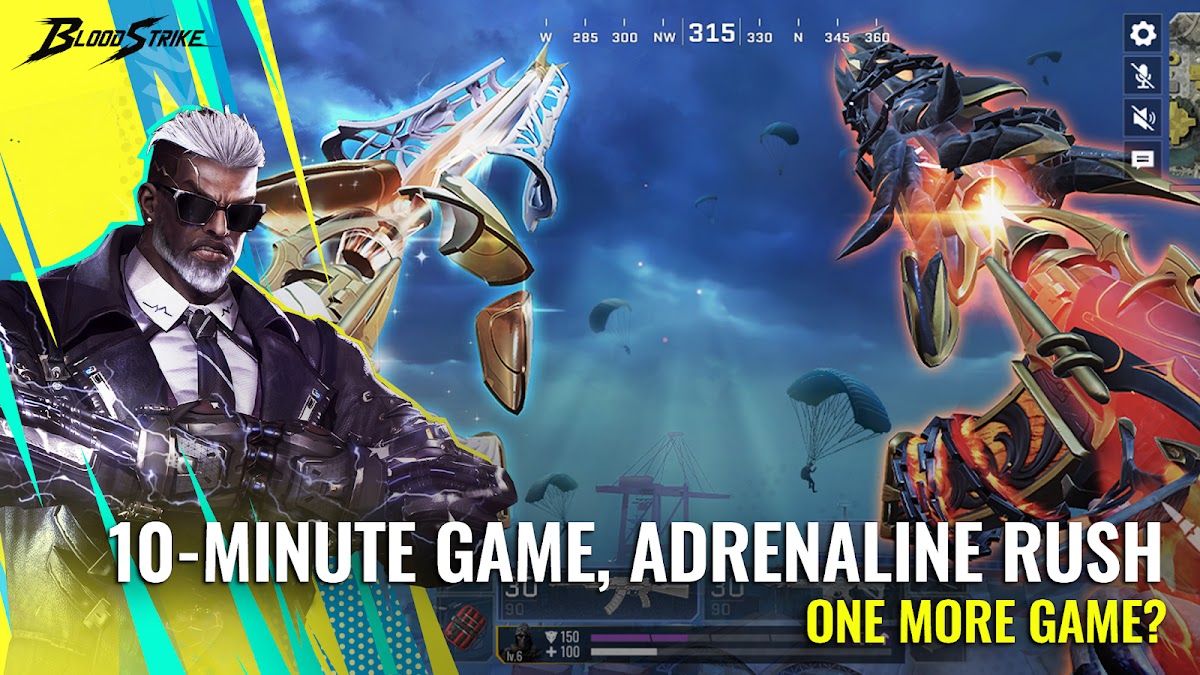
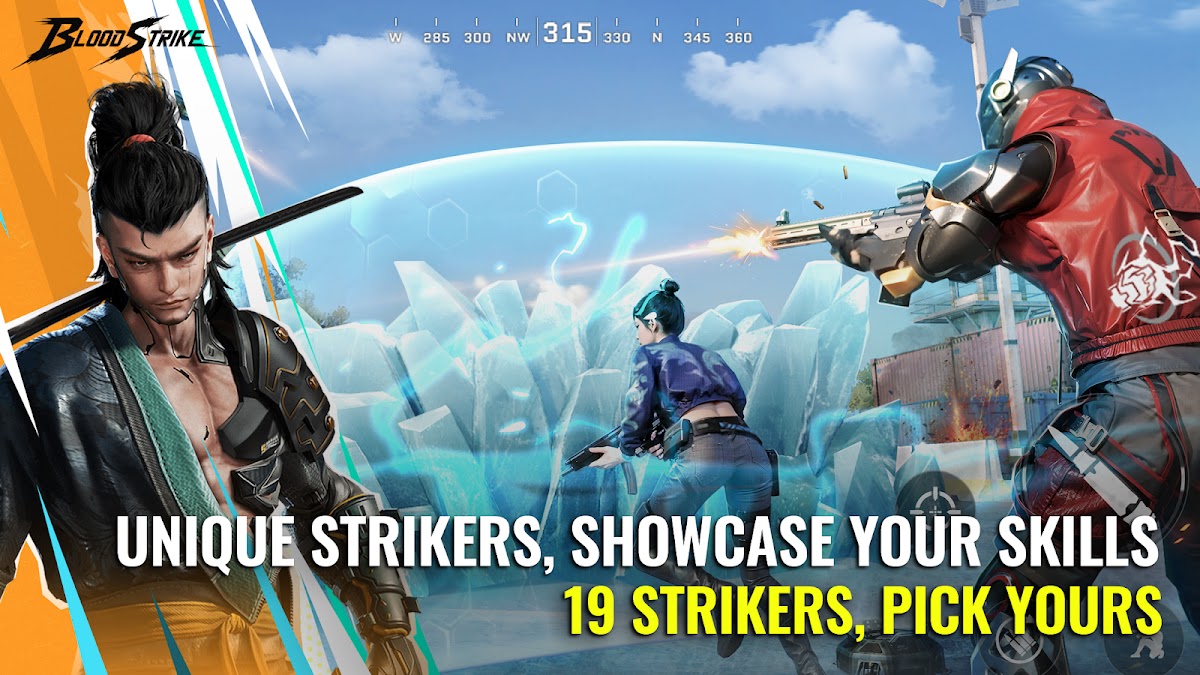
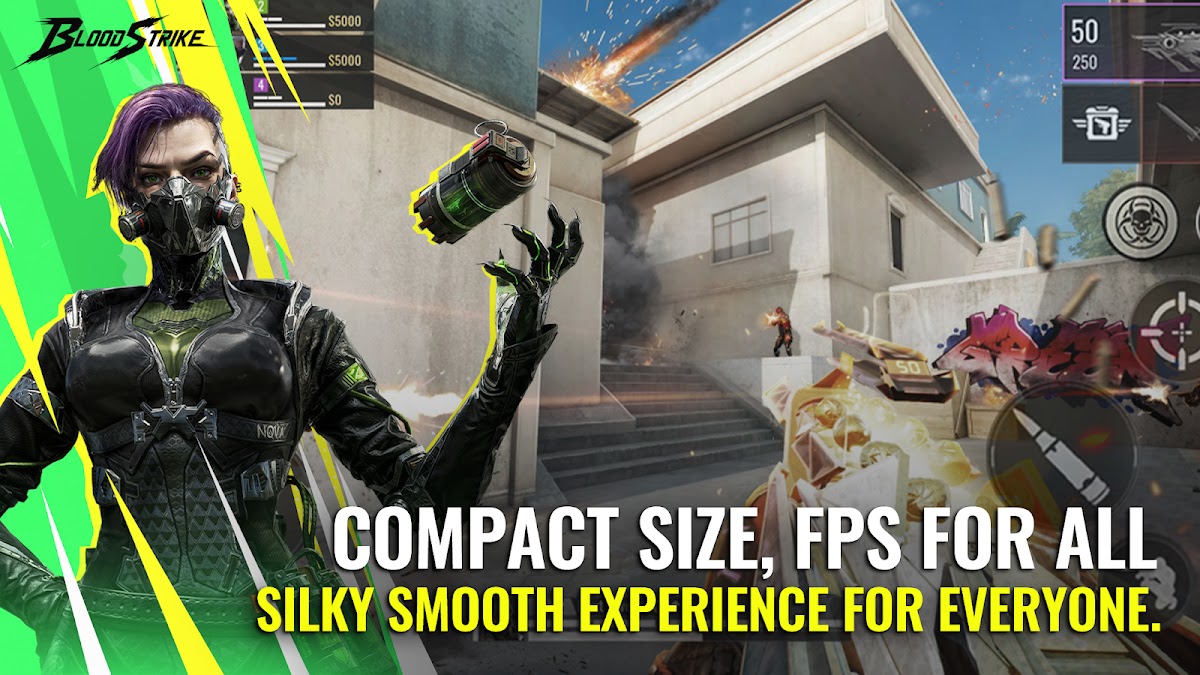

Blood Strike combines battle royale with characters who bring distinct abilities to a squad. It is worth considering if you prefer active movement and frequent pressure over spending most of a session cautiously searching buildings.
The game’s identity comes from combining gunplay with character skills. A useful ability can help a team take space or respond to an opponent, but it does not remove the need to track targets and coordinate movement.
Compared with a methodical extraction shooter, the emphasis is more immediate: enter the fight, use your tools, and react quickly. Players who enjoy aggressive squad play are more likely to appreciate that pace than those looking for slow reconnaissance and equipment-risk decisions.
Choose it for: mobile battle royale with energetic movement and hero abilities.
5. Standoff 2 — Tactical Rounds and Weapon Control
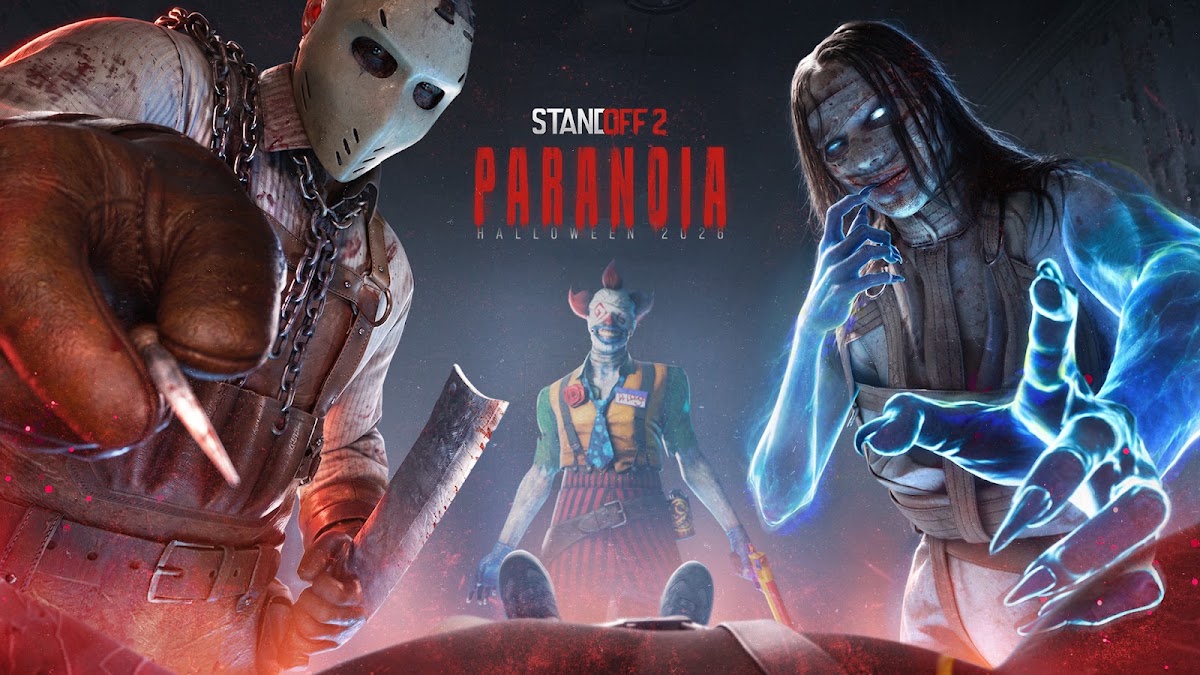
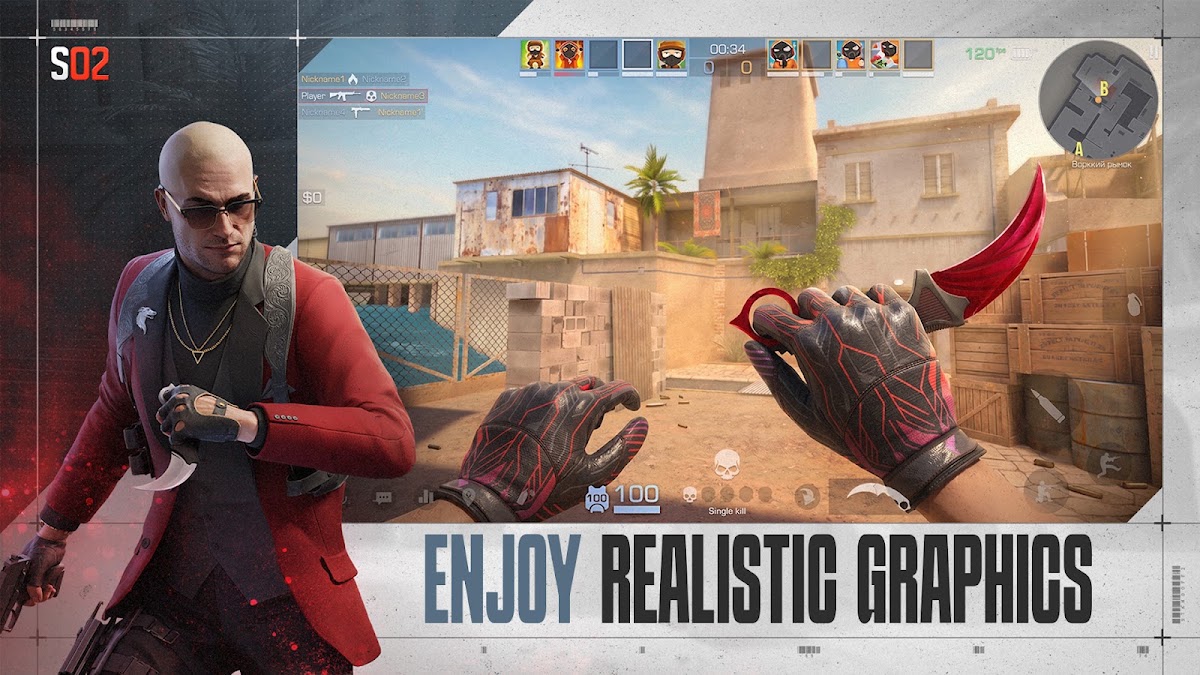
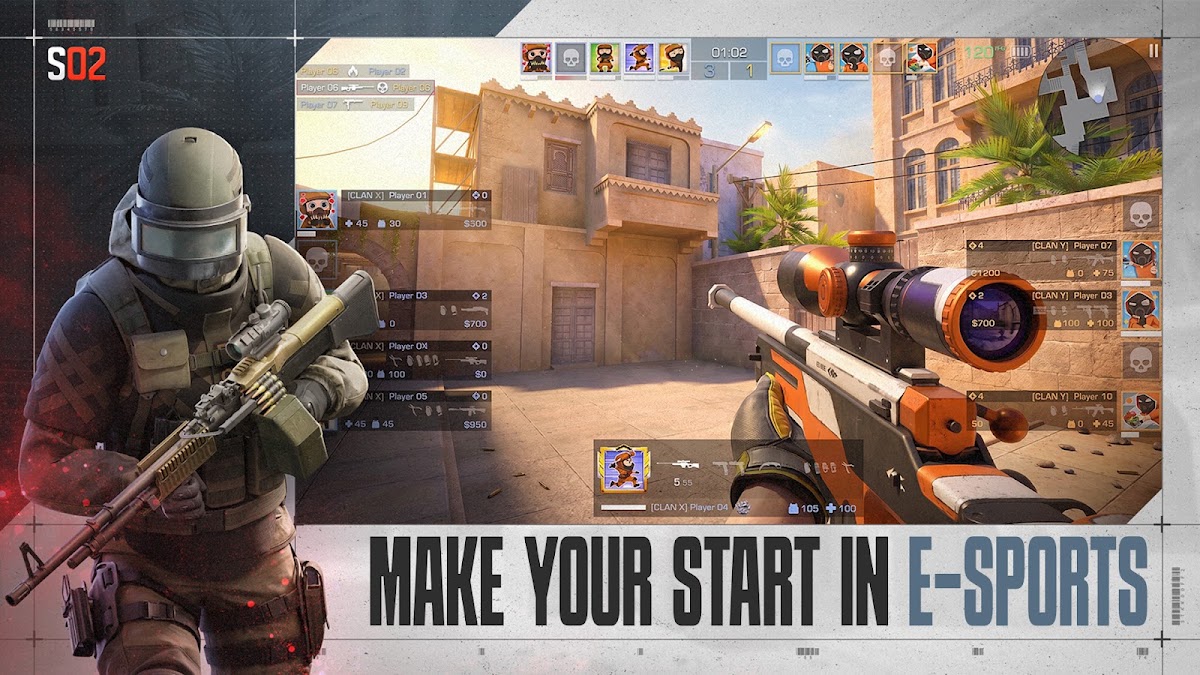
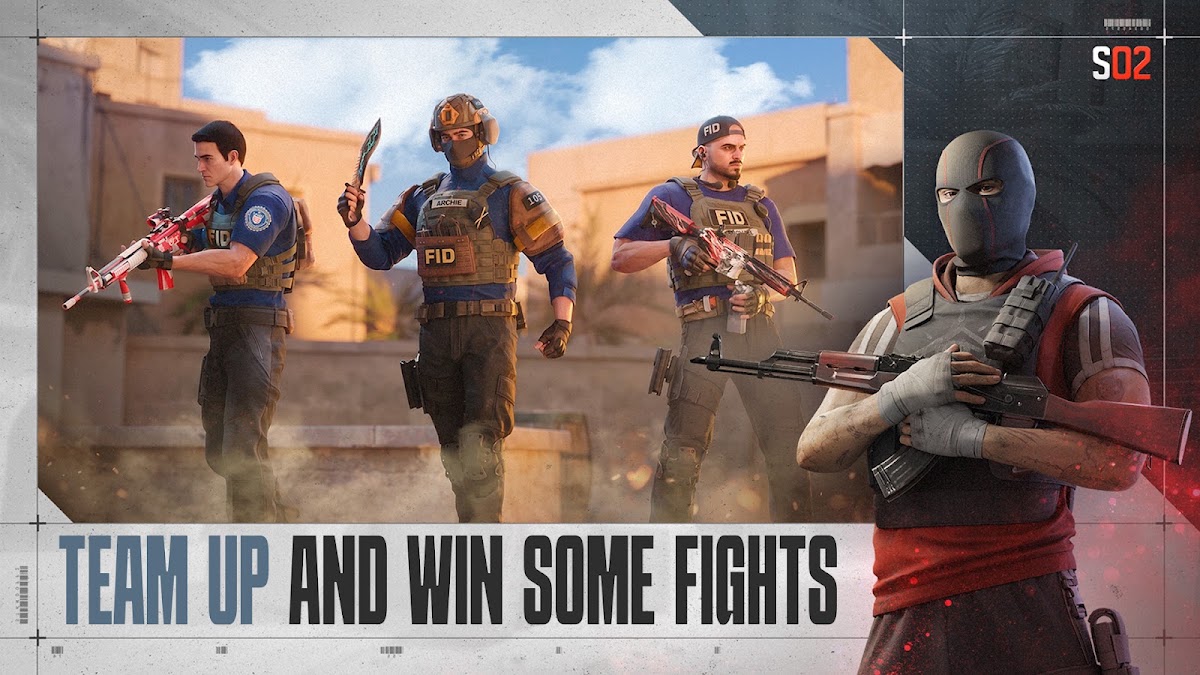
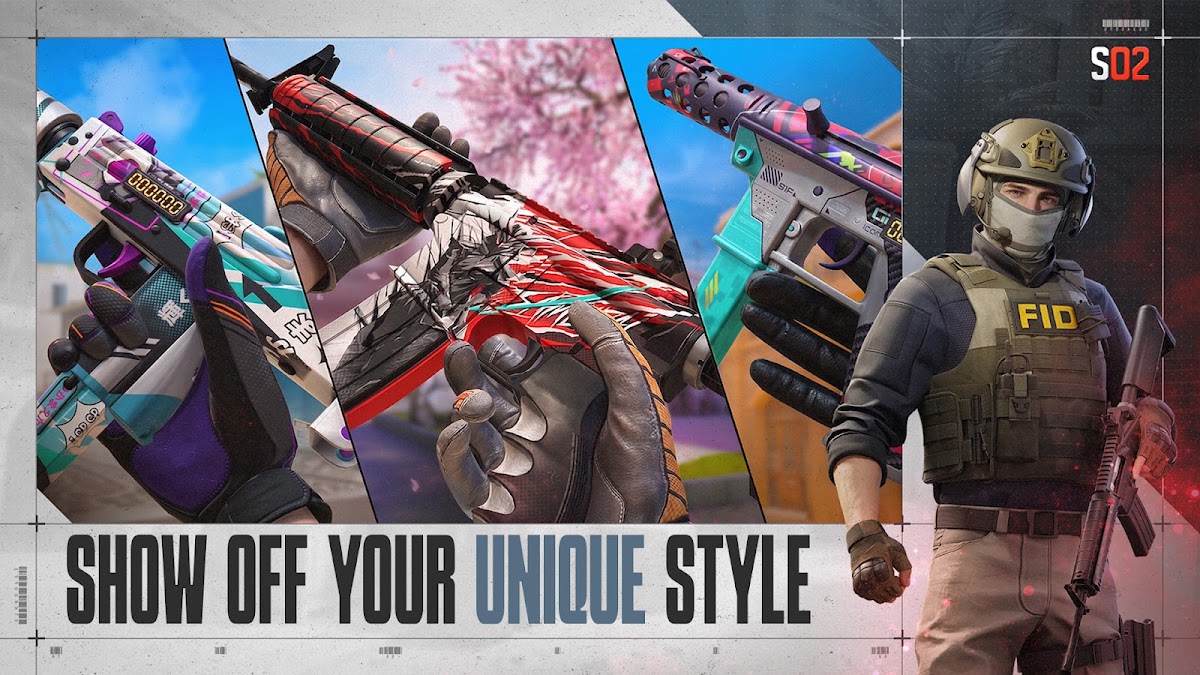
Standoff 2 is a clear choice for players interested in competitive tactical shooting. Its appeal lies in learning maps, controlling weapons, and understanding how a team should approach an objective.
Improvement comes from repeatable details: holding a useful angle, checking the right corner, or moving with a teammate instead of entering alone. A familiar map can remain interesting because the other team changes how it uses the same routes.
Expect a learning curve. Players who know common positions and timings have an advantage that a different weapon skin cannot replace. Spend early sessions learning the map and practicing controlled fire rather than judging the game only by your first results.
Choose it for: competitive FPS matches built around teamwork and mechanical practice.
6. Critical Ops — Defuse Matches and Clear Competitive Stakes
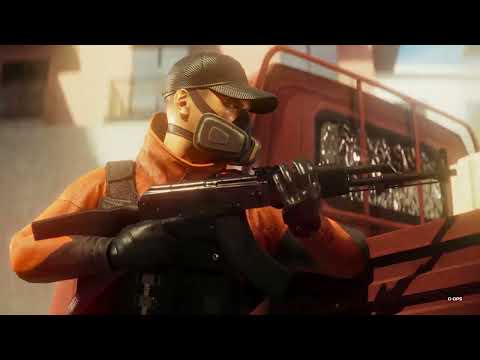
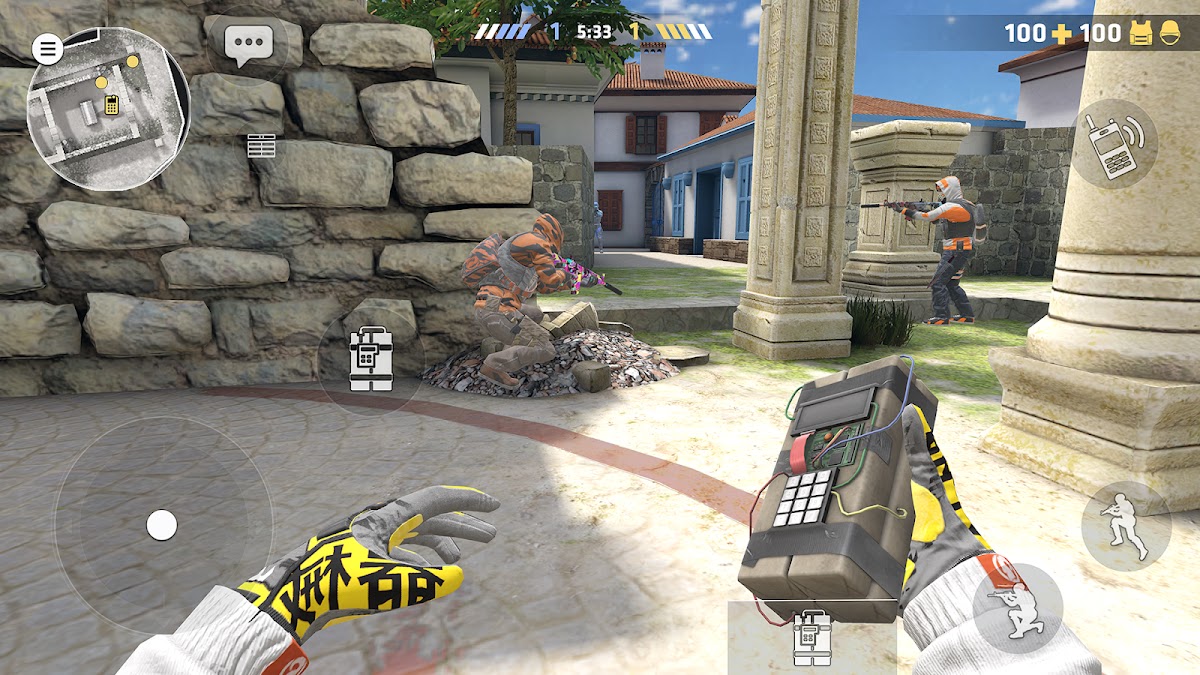
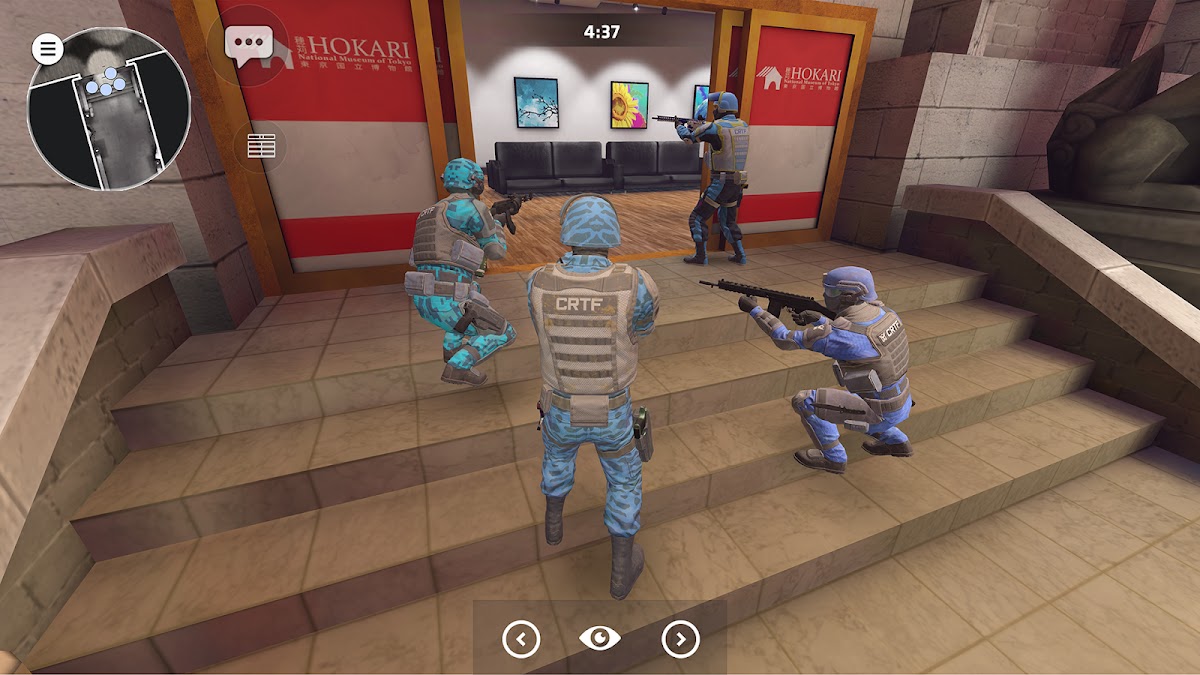
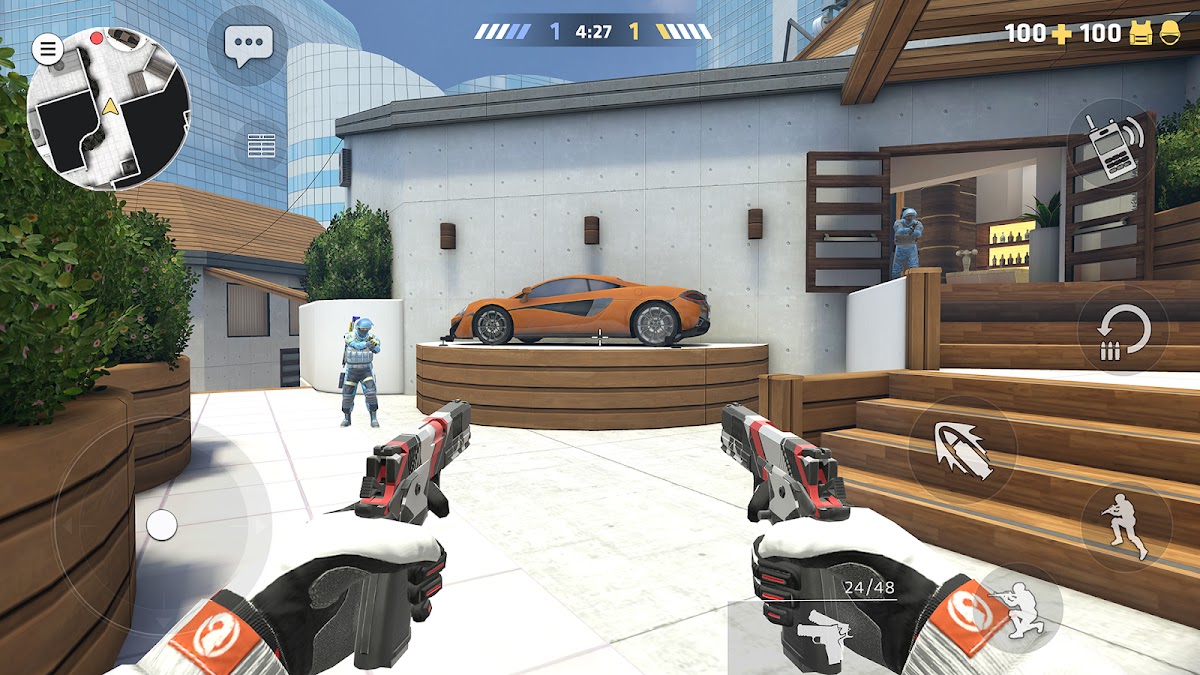
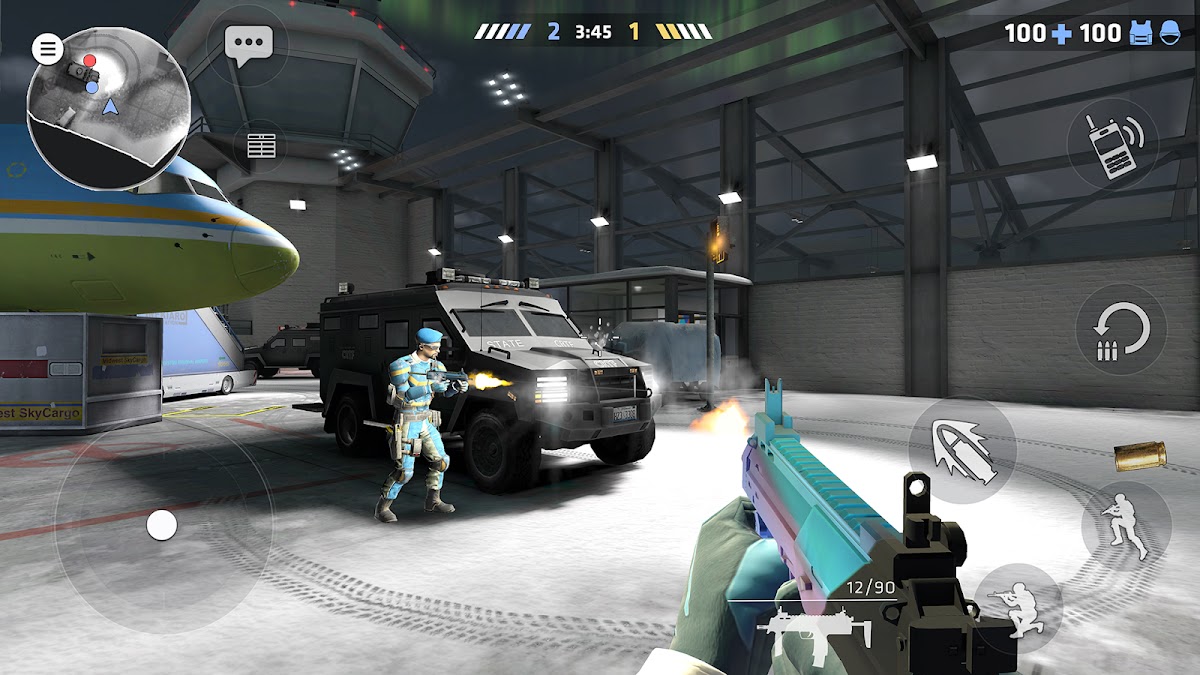
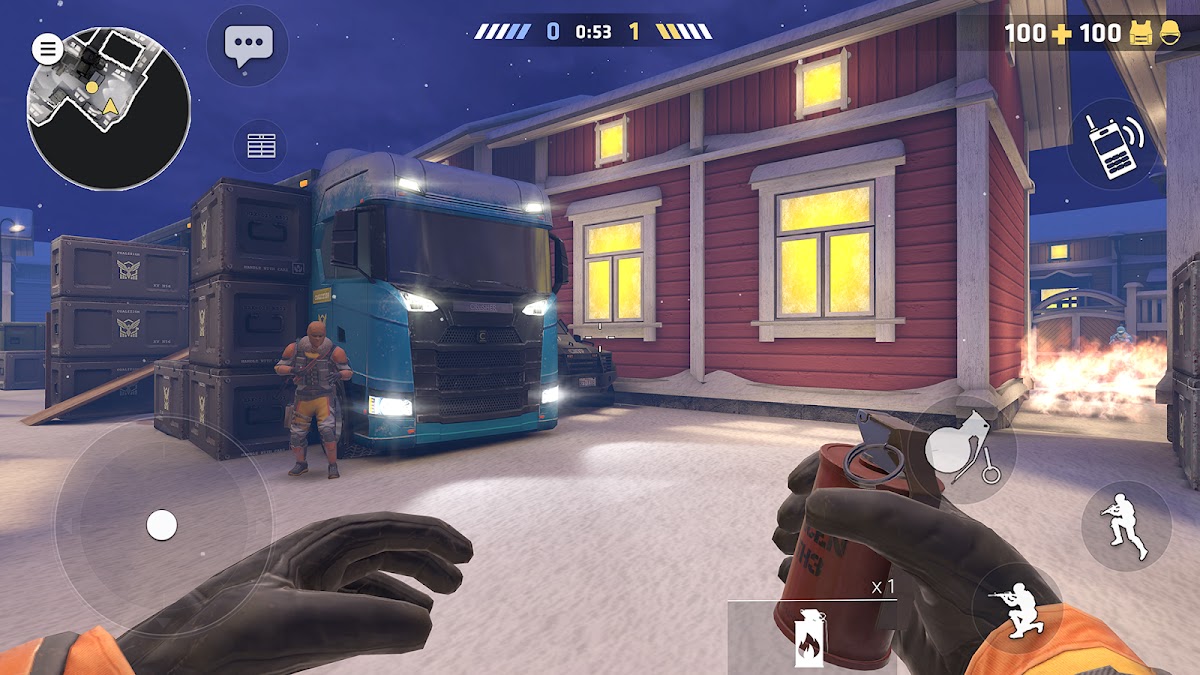
Critical Ops emphasizes tactical multiplayer, including ranked Defuse matches, quick games, and custom rooms. In its round-based format, staying alive and helping the team complete the objective can matter more than chasing an extra elimination.
That makes information valuable. An opponent’s location, a route left unguarded, or a teammate’s position can determine the next decision. It suits players who enjoy improving through coordination and understanding the map.
The developer describes its purchases as cosmetic rather than competitive upgrades. Even so, the reason to choose Critical Ops is the match structure: a focused alternative for players who want tactical rounds without building their experience around persistent combat-stat progression.
Choose it for: skill-focused competition and organized team play.
7. Arena Breakout — Extraction Raids with Equipment at Stake
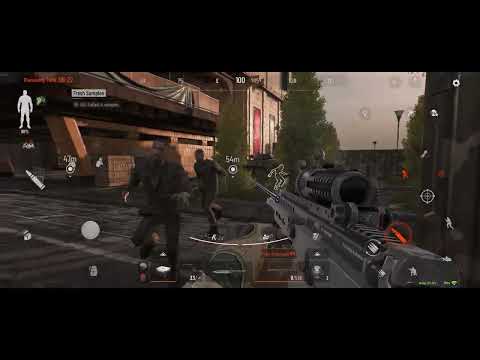
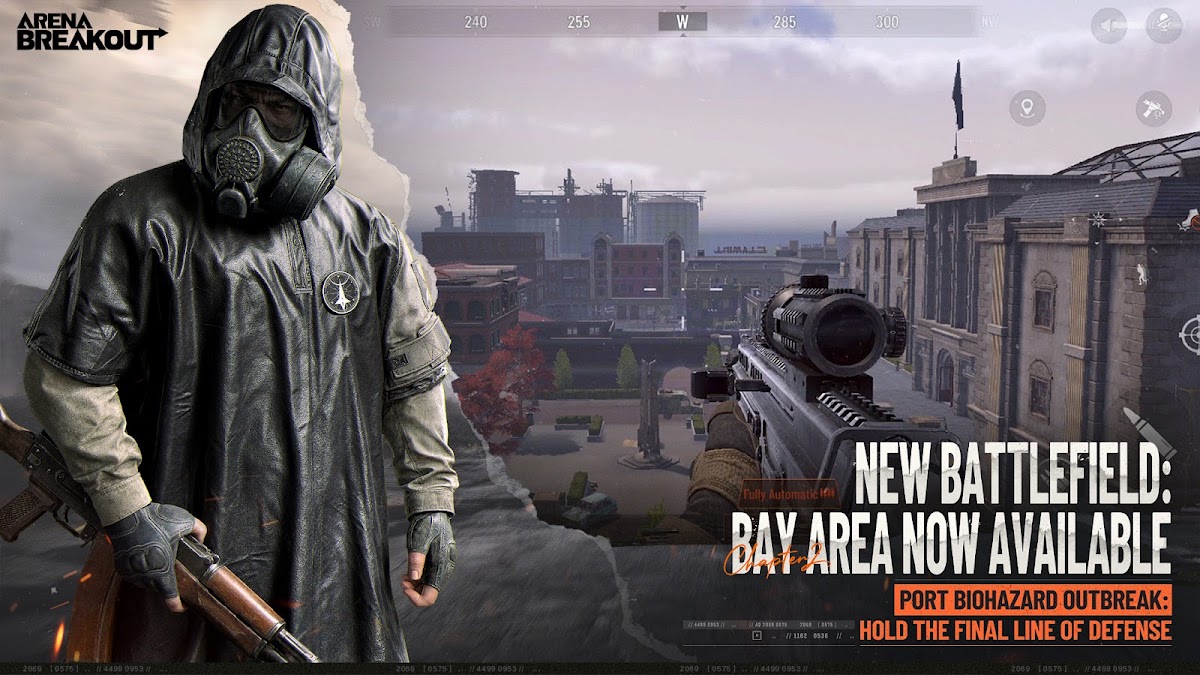
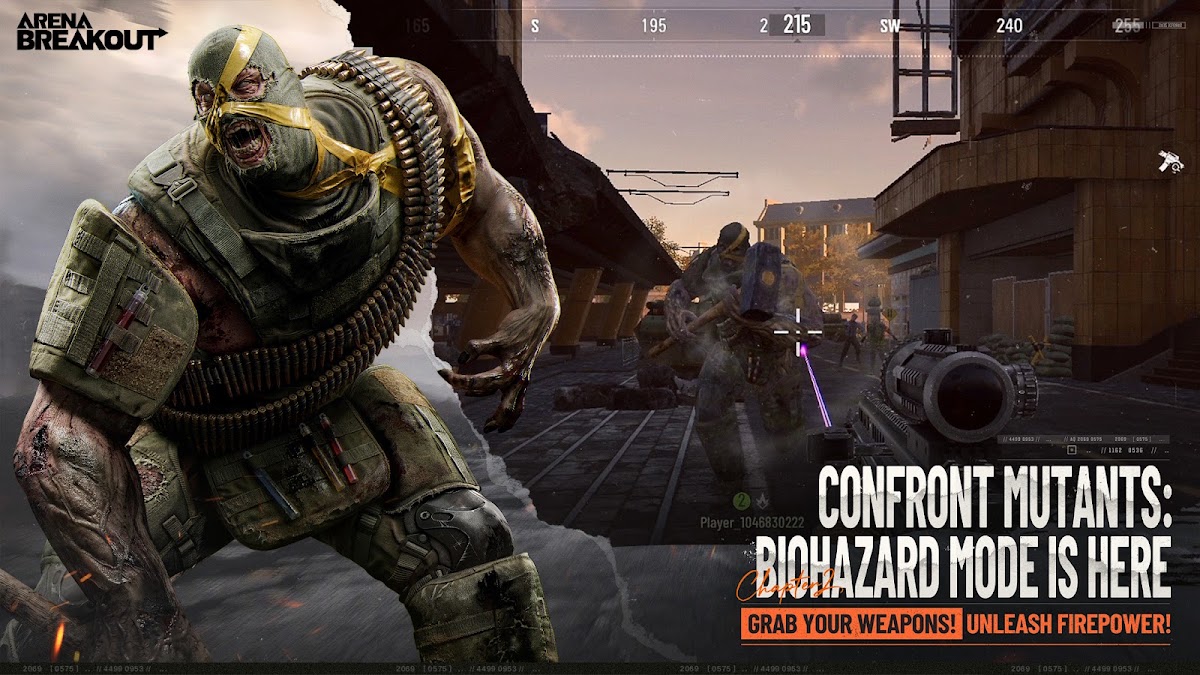
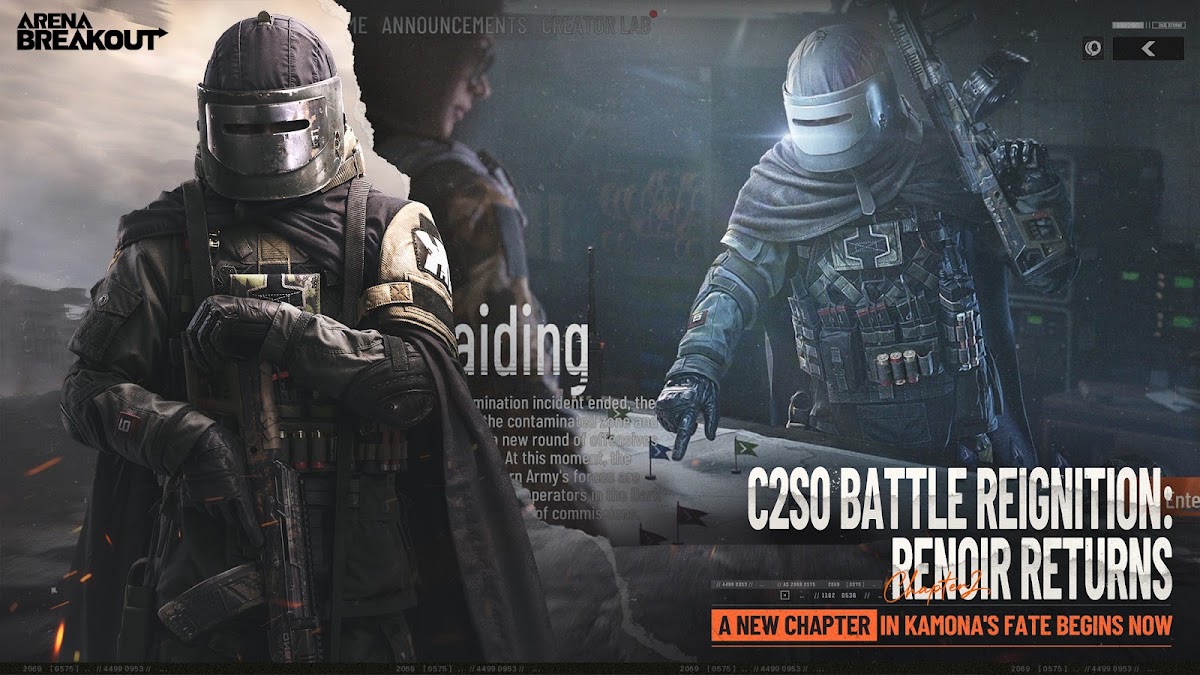
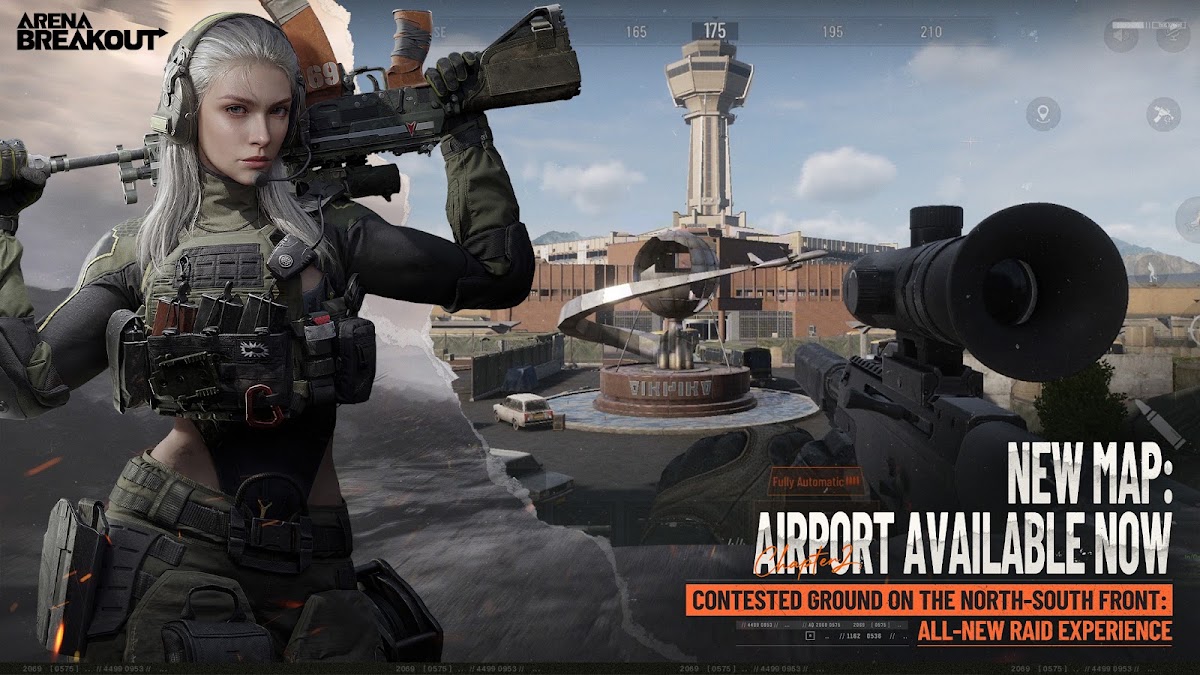
Arena Breakout is one of the clearest fits for players specifically seeking an extraction shooter on mobile. You prepare equipment, enter a dangerous area, collect valuables, and try to leave successfully.
Winning a firefight is only part of a successful raid. You still need to manage supplies, assess your condition, and reach an exit. The possibility of losing equipment gives ordinary decisions more weight: another building might contain something valuable, but searching it can jeopardize everything already collected.
It is a demanding introduction to mobile shooting. Start with affordable loadouts and learn the map before risking equipment you cannot easily replace. Understanding when to avoid combat is part of the genre.
Choose it for: preparation, tactical looting, and high-risk evacuation.
8. Delta Force — Extraction and Large-Scale Warfare
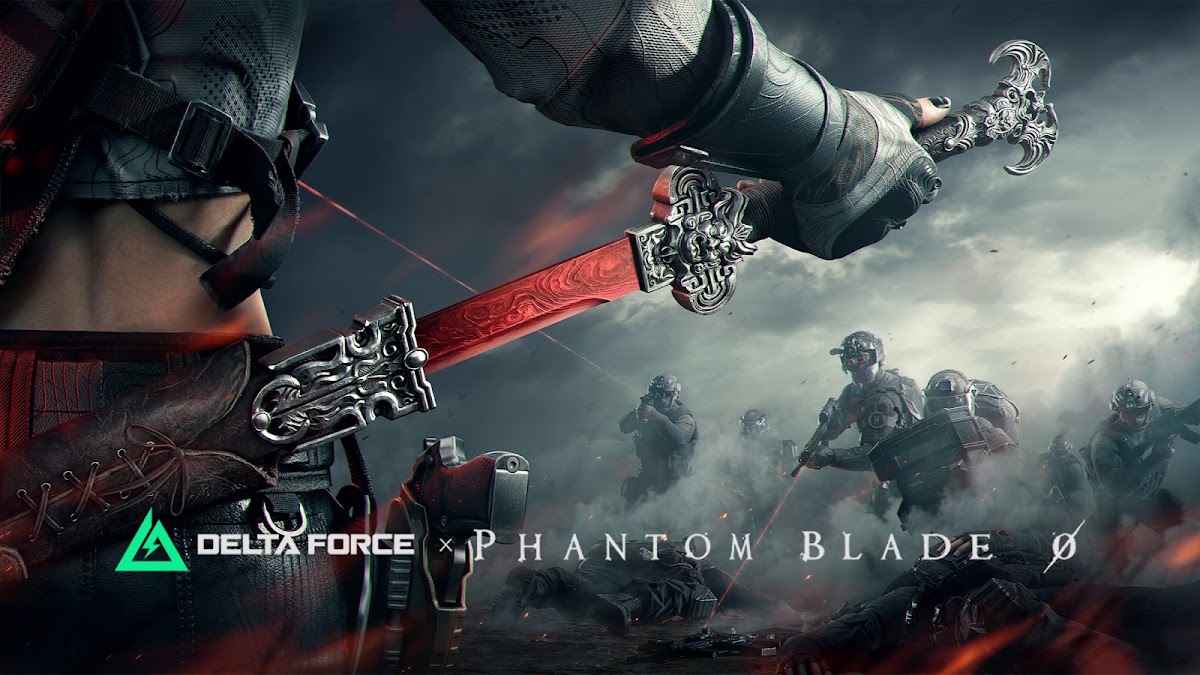
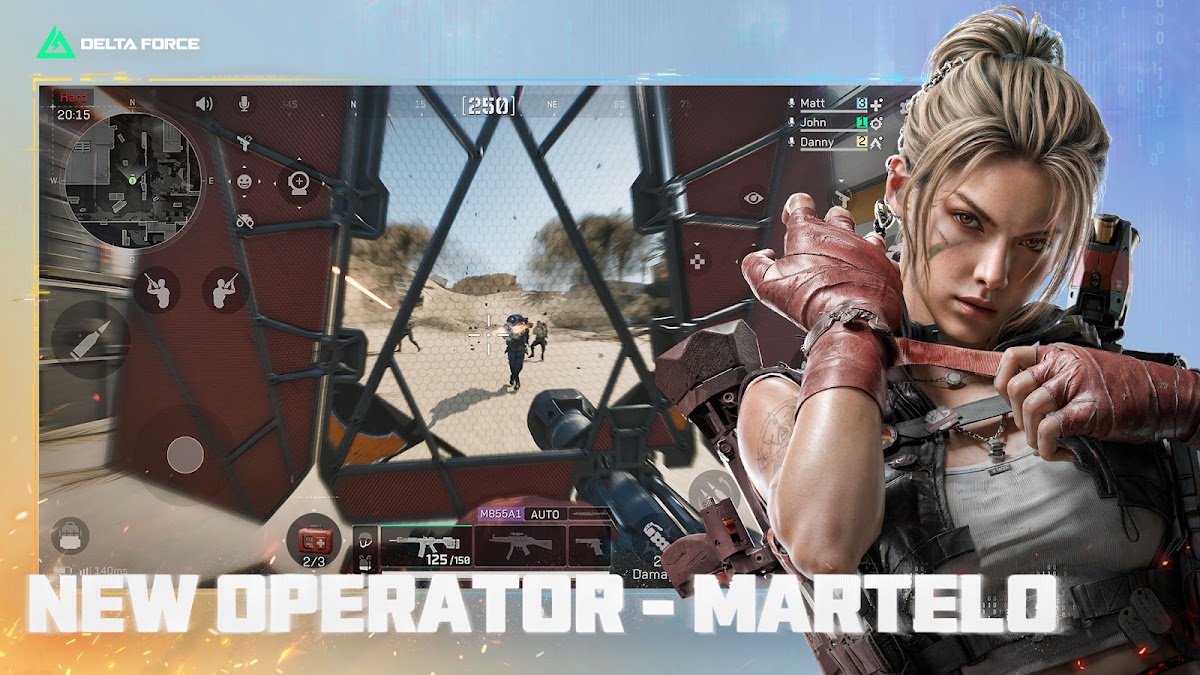
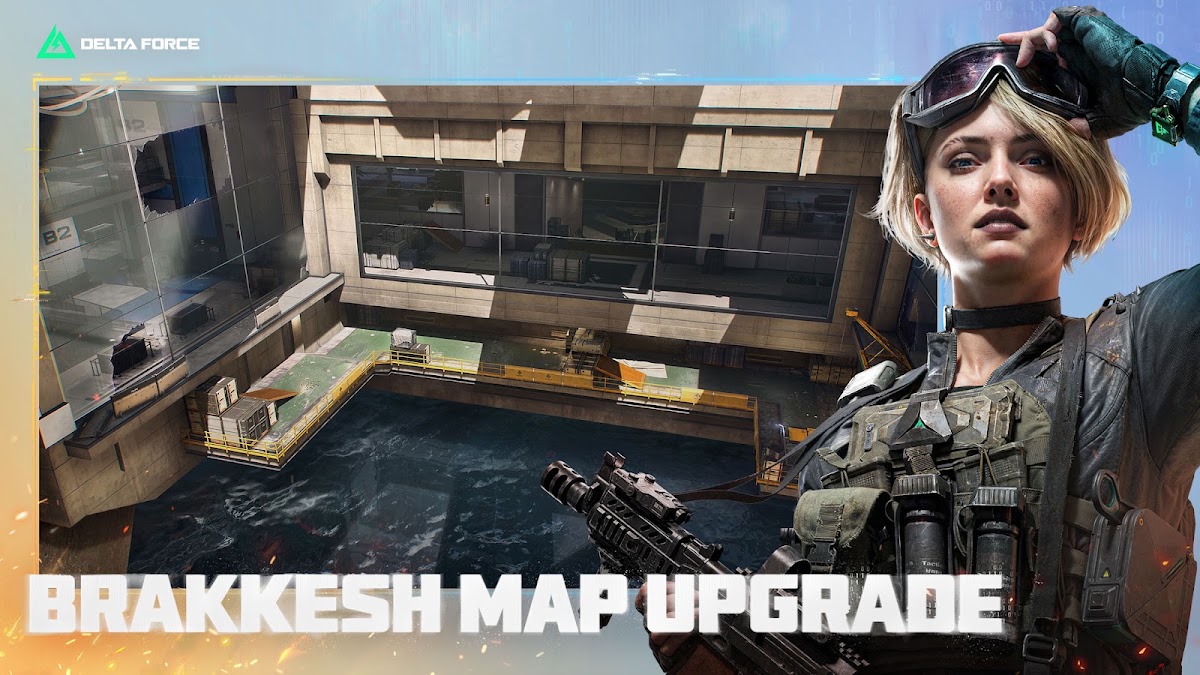
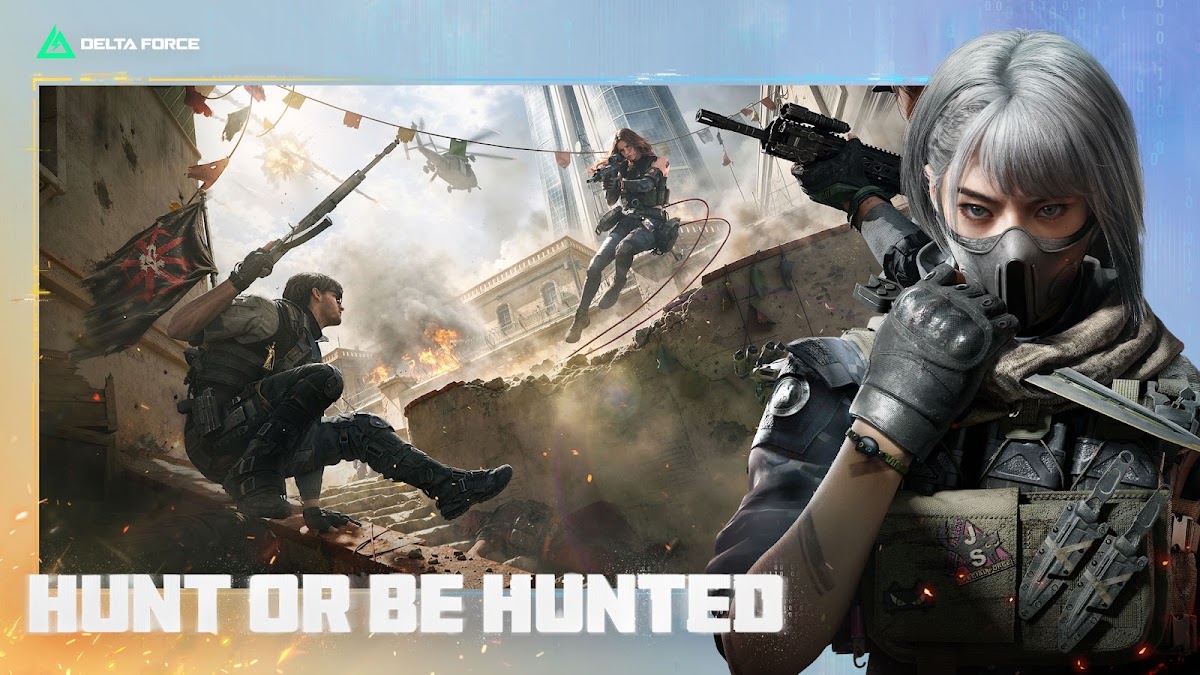
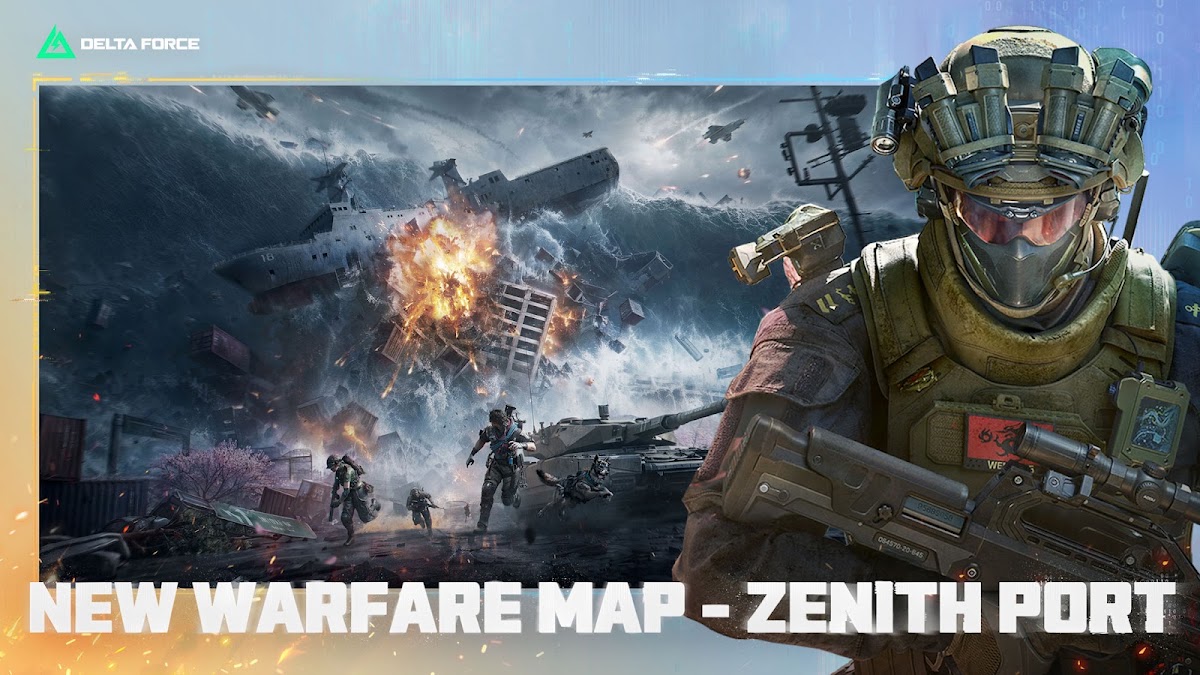
Delta Force offers two distinct reasons to install it: operator-based extraction missions and larger warfare battles. Choose the format that matches your mood rather than assuming both have the same objectives.
Extraction runs involve rival squads, AI enemies, valuable items, and decisions about leaving safely. Warfare expands the focus toward broader team engagements and combined-arms combat. Operator gadgets add another layer to squad roles.
The attraction is that range, but it also increases the amount there is to learn. A weapon setup or habit that works in one format may not be the right answer in the other. For an extraction-first experience, spend your early sessions learning raid preparation and exit conditions.
Choose it for: access to both tactical raids and broader military battles.
9. Lost Light — Survival Systems and Shelter Progression
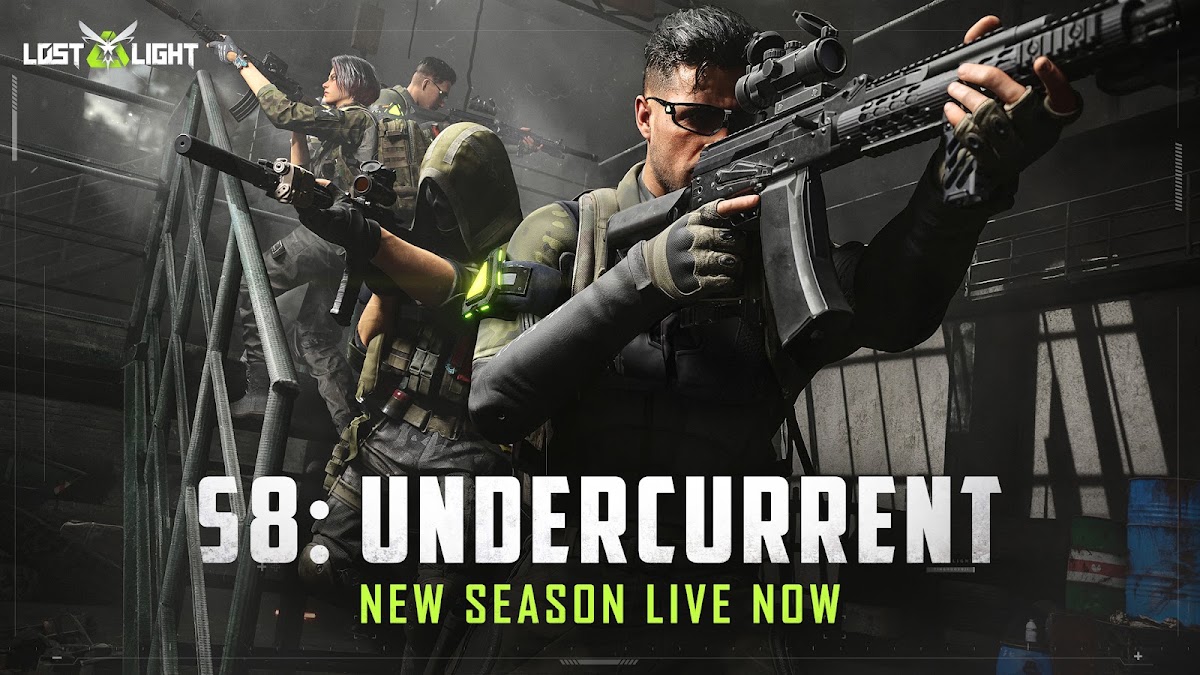
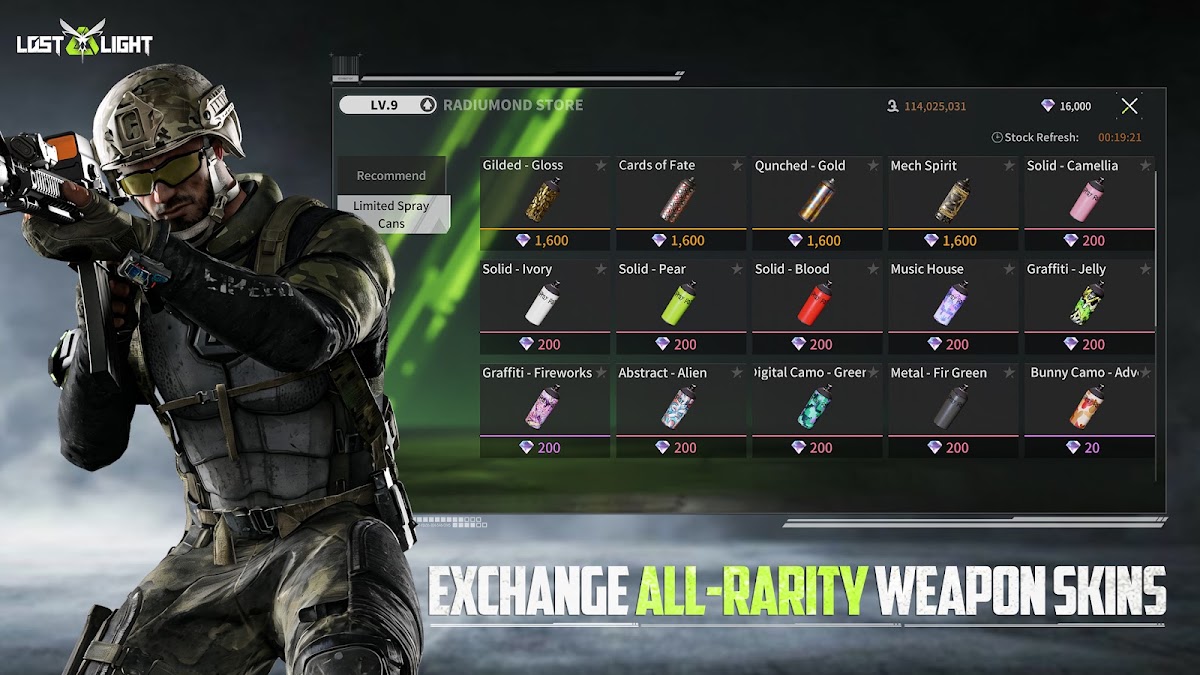
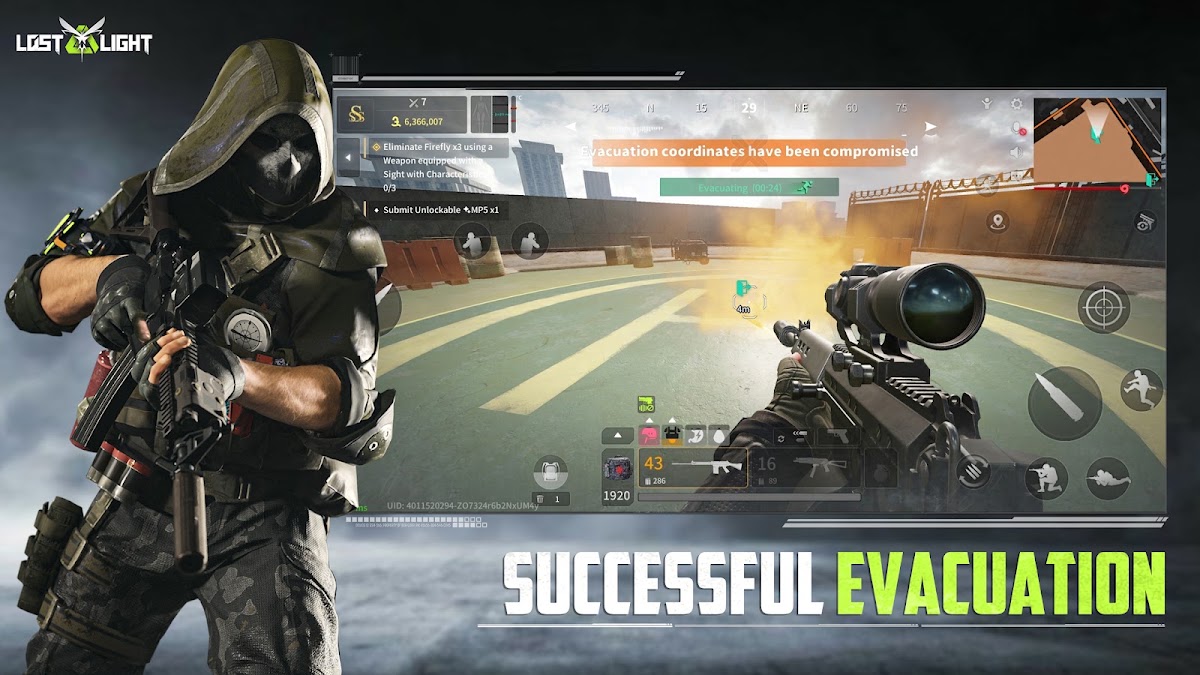
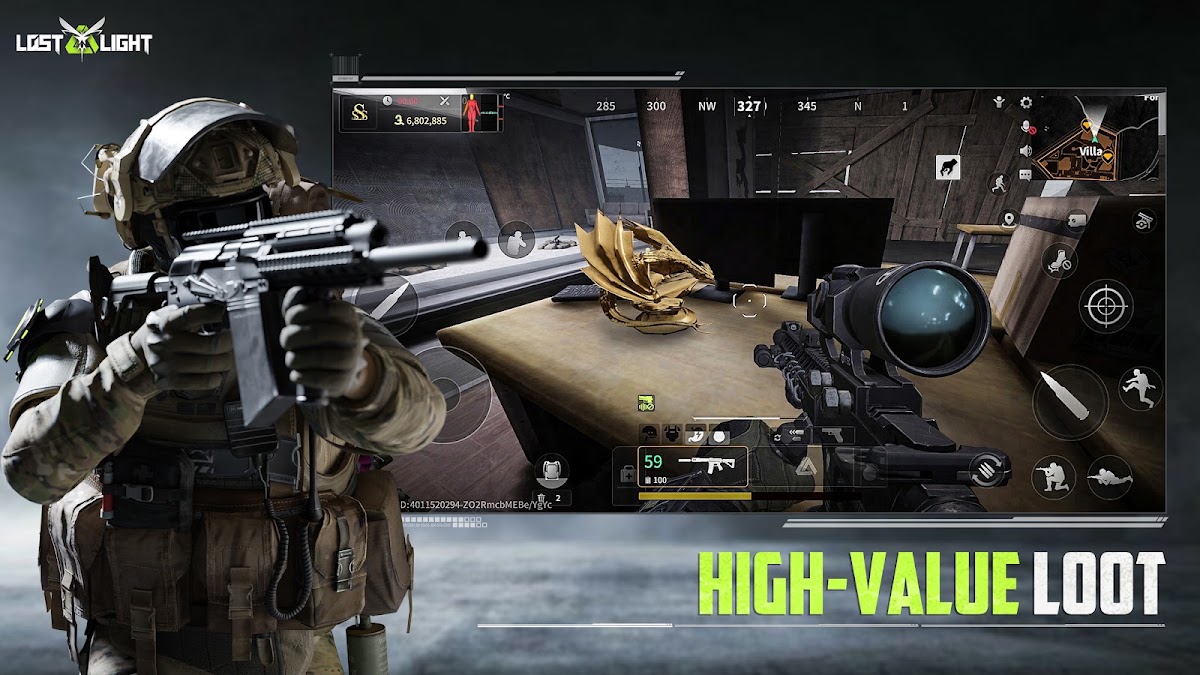
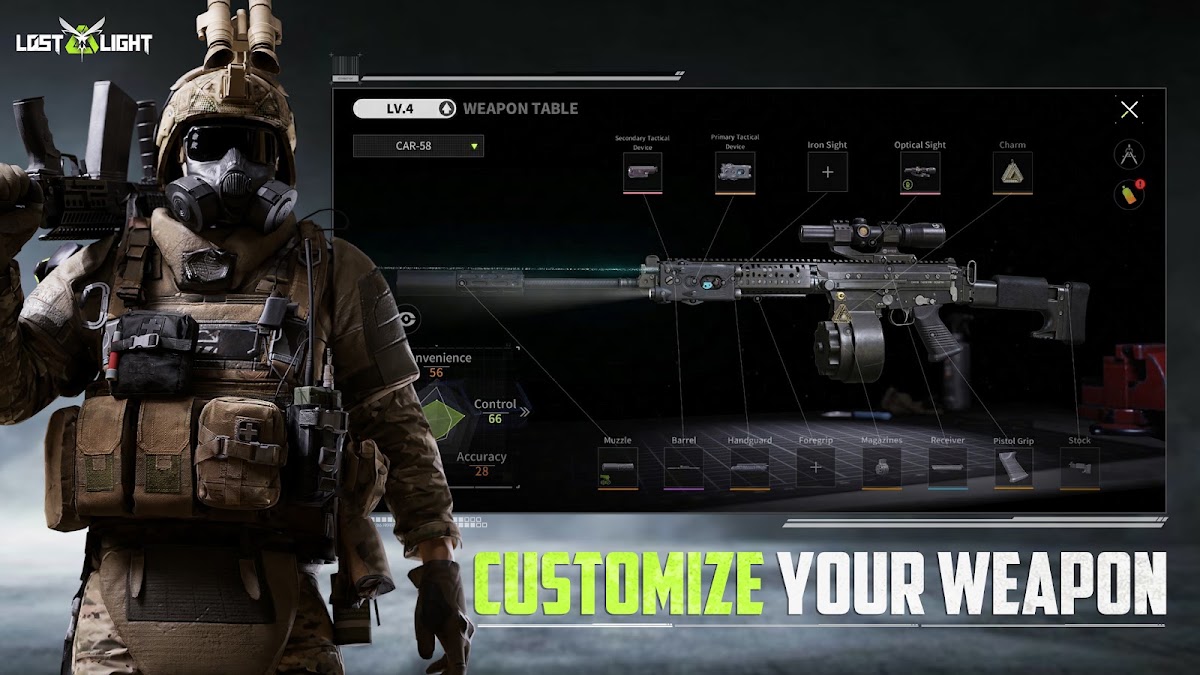
Lost Light connects dangerous expeditions with equipment development outside combat. Weapon modification, supplies, shelter systems, and scavenged materials give you reasons to think beyond the next elimination.
It suits players who enjoy preparing for a raid almost as much as playing one. Recovering useful resources can matter even when you do not win every encounter. Progress becomes a cycle of gathering, improving, and choosing what to risk next.
Its survival elements also add management between fights. If you want immediate, uninterrupted shooting, Combat Master or a short multiplayer mode may be a better starting point. If you enjoy inventory decisions and building a stronger setup over time, Lost Light is more relevant.
Choose it for: extraction-style survival with detailed weapon and equipment progression.
10. Combat Master Mobile FPS — Movement and Immediate Action
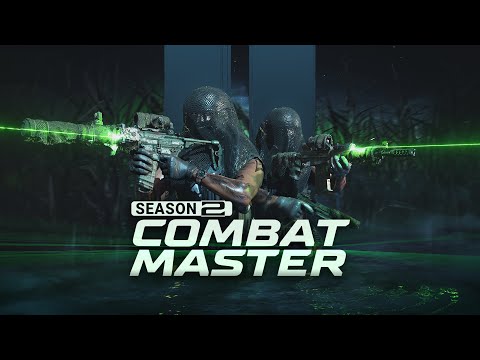
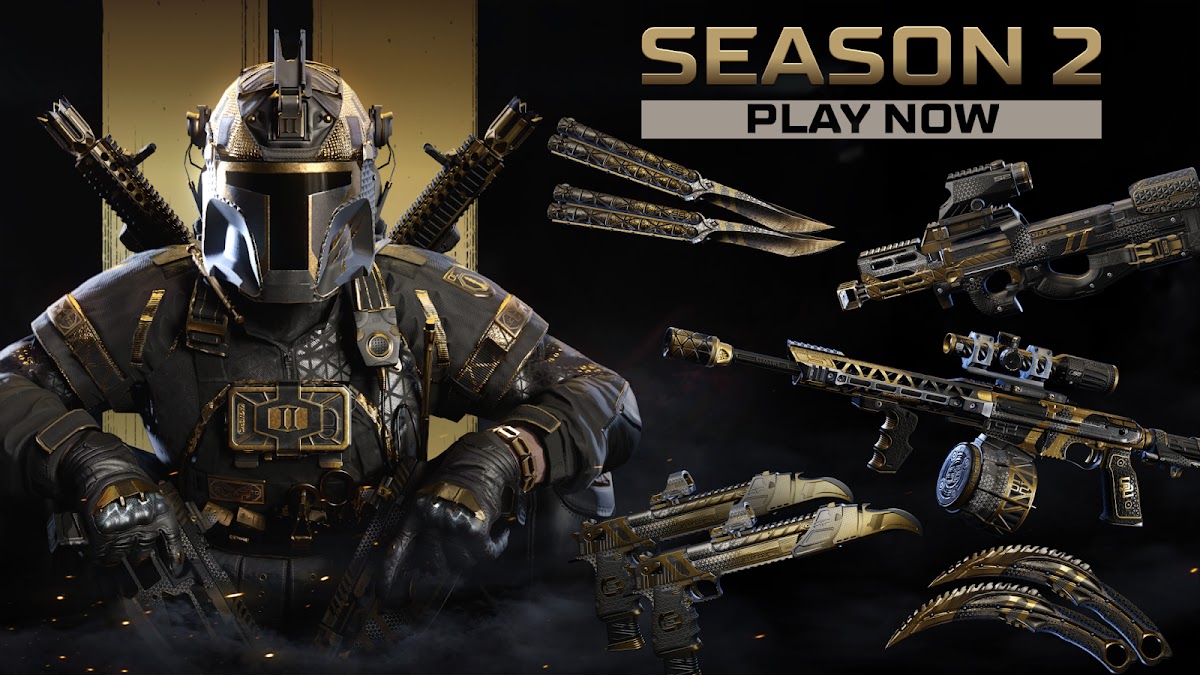
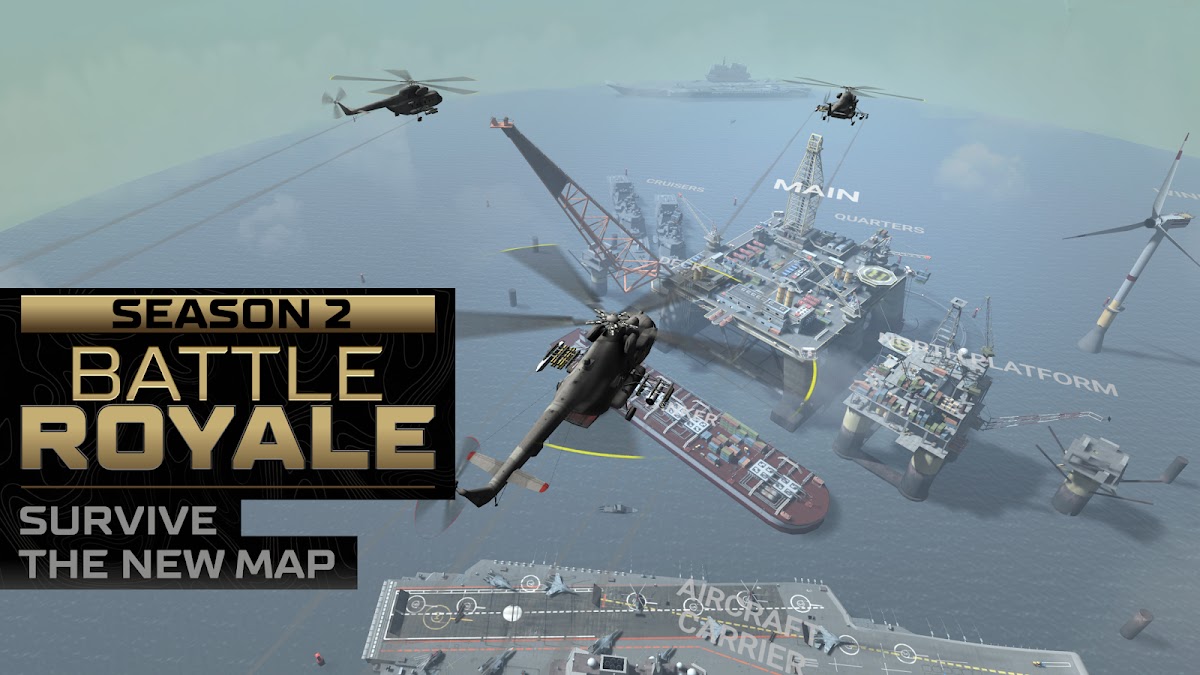
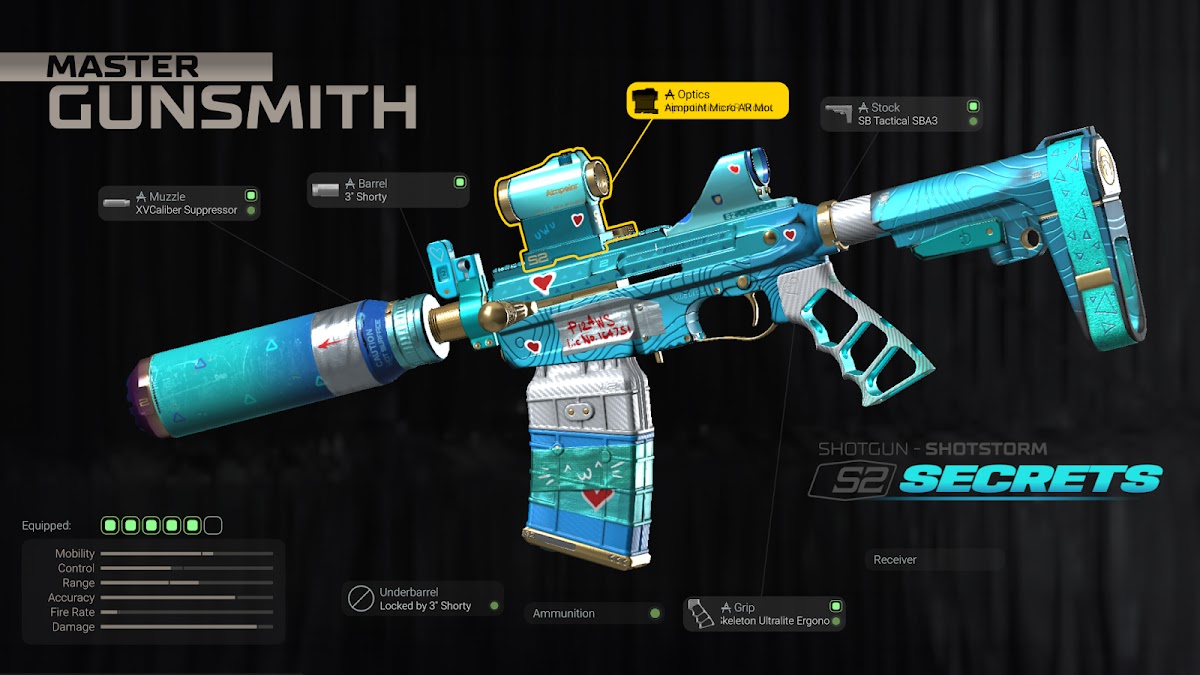
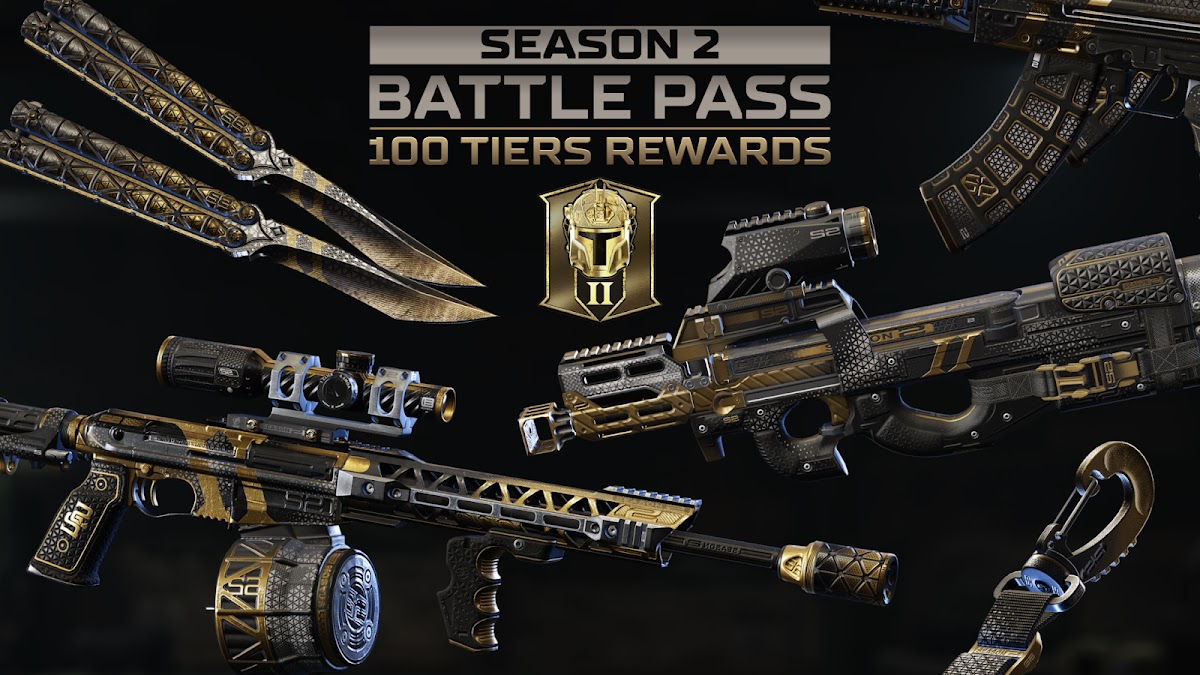
Combat Master puts fast movement and responsive gunplay near the center of its identity. Its multiplayer FPS and battle royale offering appeals to players who want to move quickly through a fight rather than spend most of a session managing a stash.
That speed has consequences for the controls. A layout that makes it difficult to aim while moving can become a bigger obstacle than weapon choice. Adjust sensitivity and button placement before deciding whether the pace suits you.
The developer offers graphics and performance settings for different devices, but smoothness still depends on your hardware. Evaluate it during sustained play, not only during the first minute after launching.
Choose it for: quick reactions, movement practice, and direct multiplayer combat.
11. Modern Strike Online — Team Battles with Equipment Development
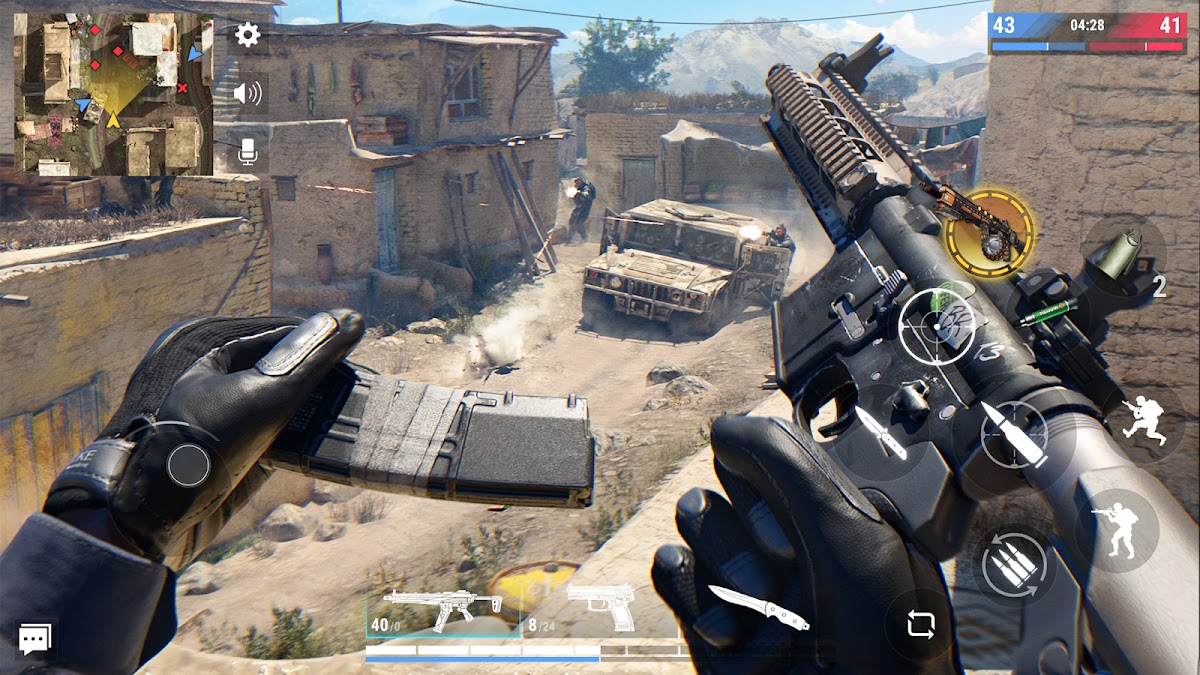
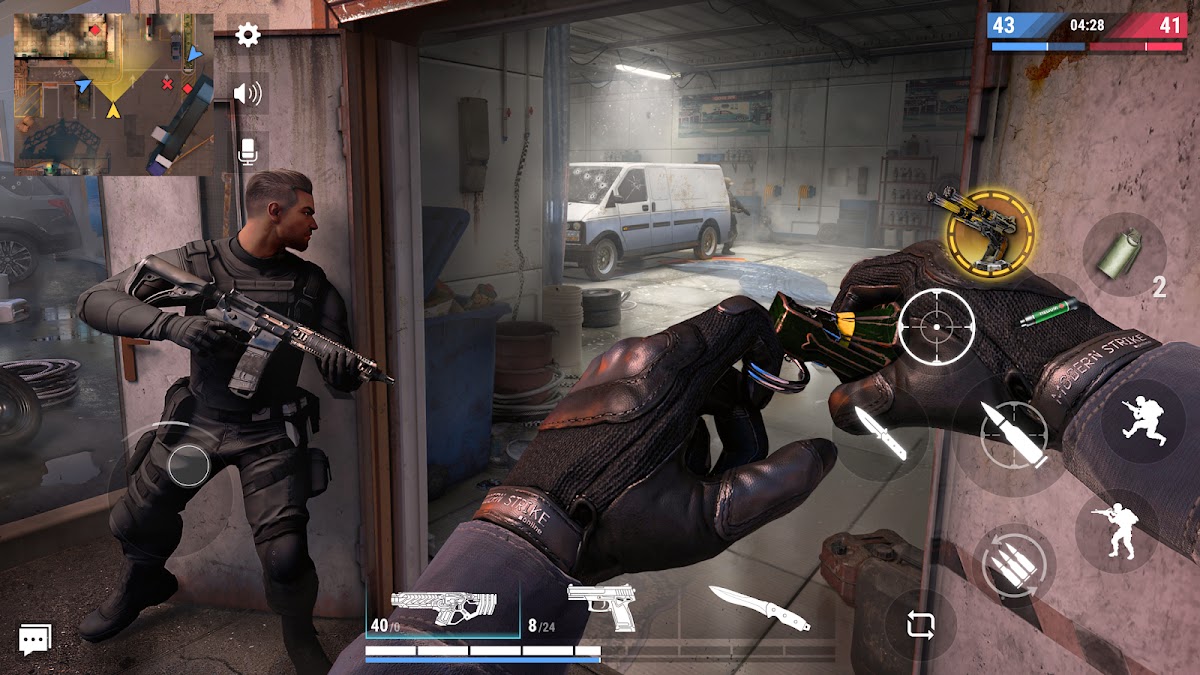
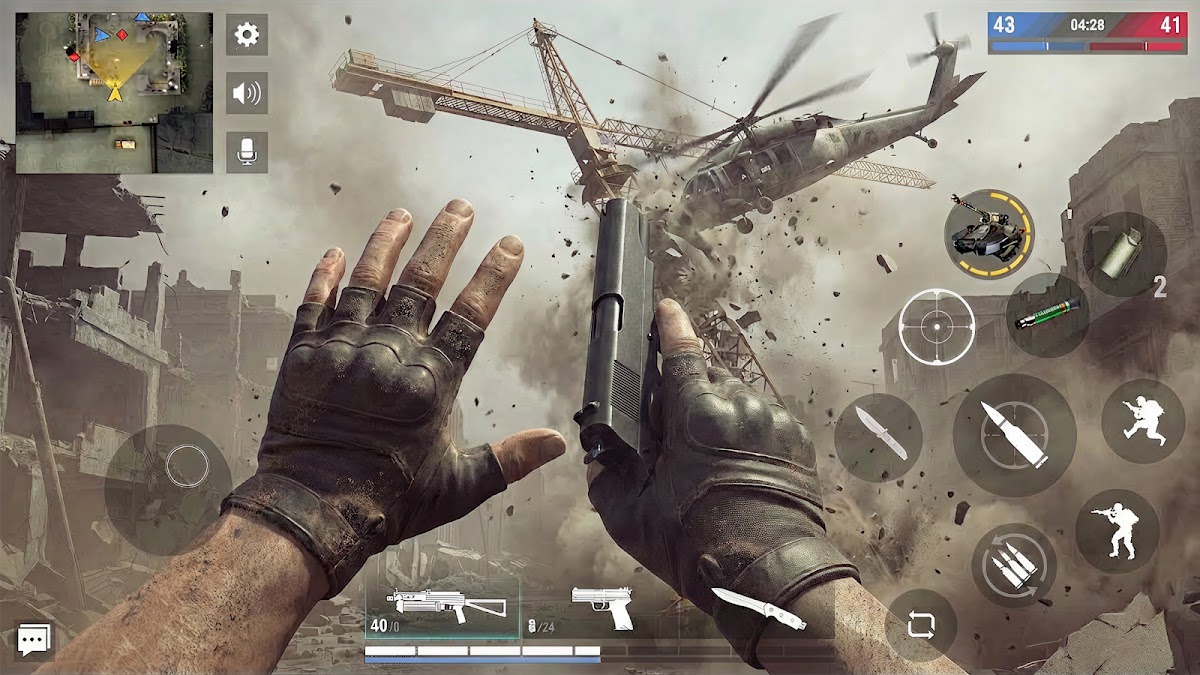
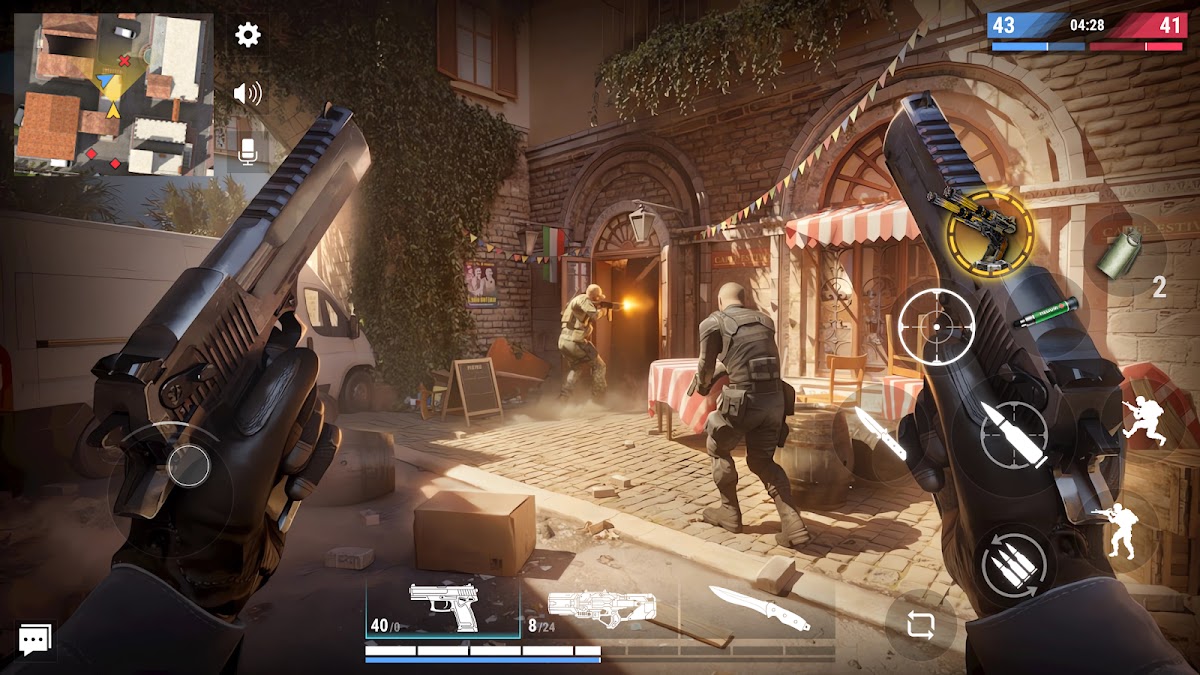
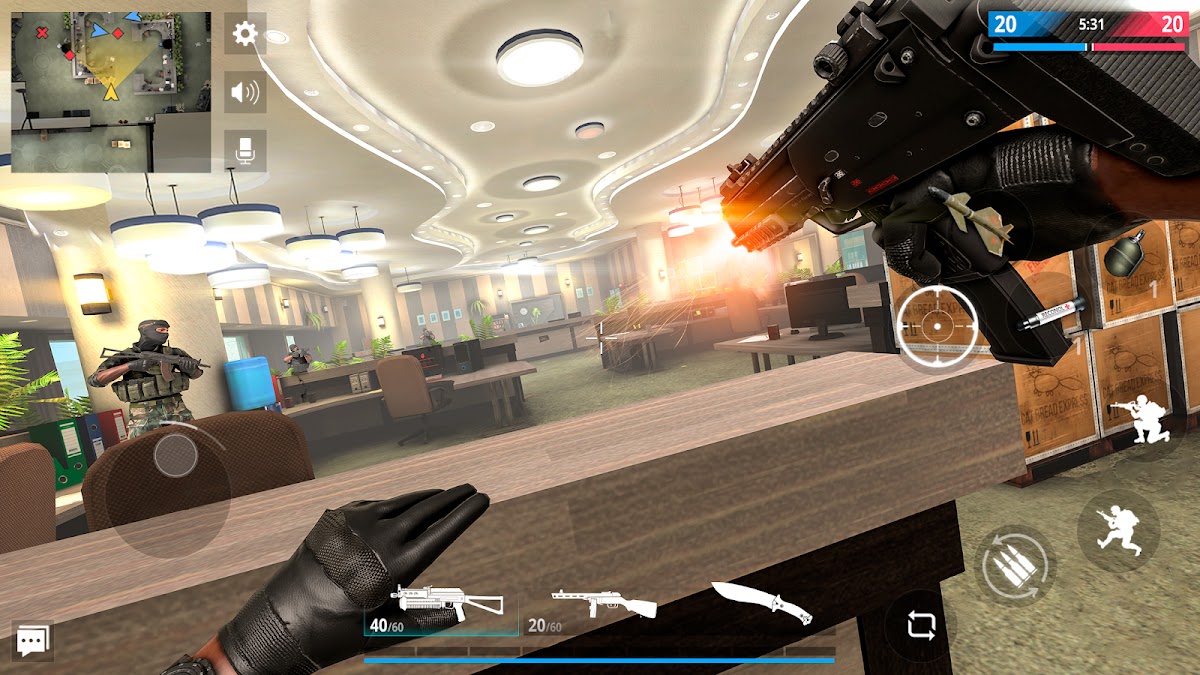
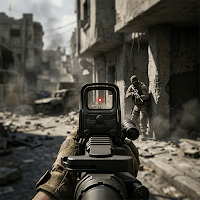
Modern Strike Online combines multiplayer FPS matches with character and equipment progression. Its selection of modes and maps gives players repeated opportunities to develop a preferred fighting style.
The important distinction is the role of progression. Before committing to a long grind, look at how weapons, upgrades, and equipment affect the experience at your current level. Players who like steadily developing a combat setup may find that appealing; those seeking a stricter competitive format should compare it with Critical Ops and Standoff 2.
It is a reasonable candidate for players who want recognizable modern military gunplay alongside systems that continue between matches.
Choose it for: team shooting with persistent equipment development.
12. World War Heroes — WWII Weapons and Team Objectives

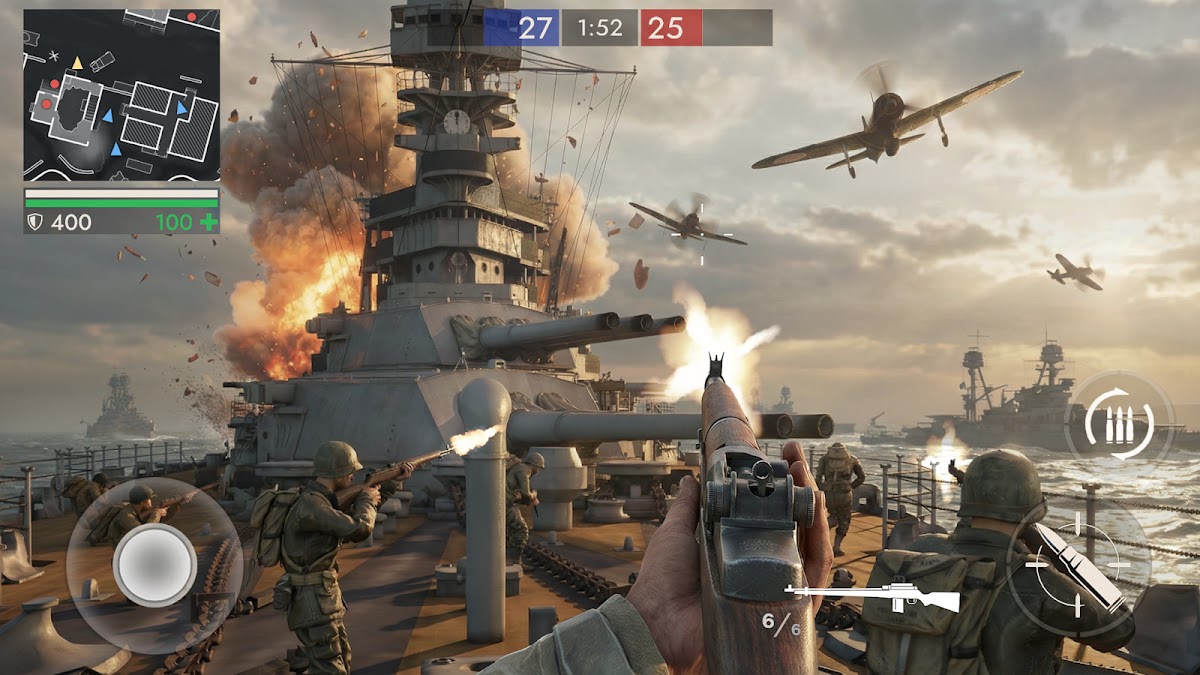
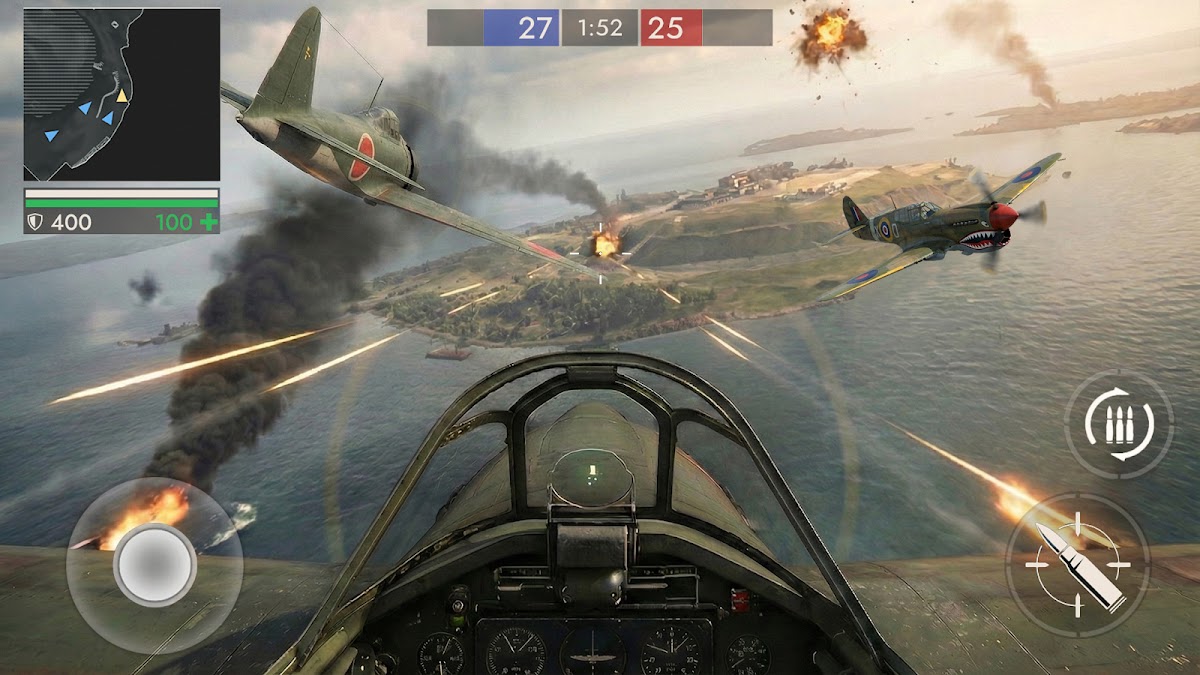
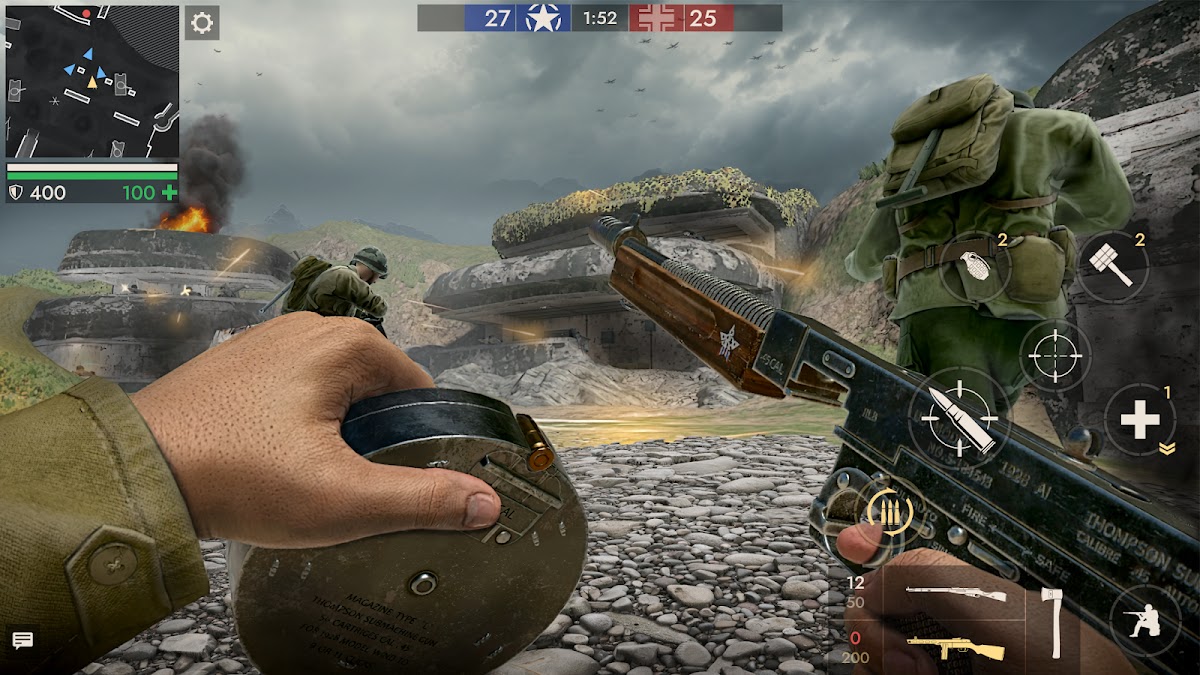
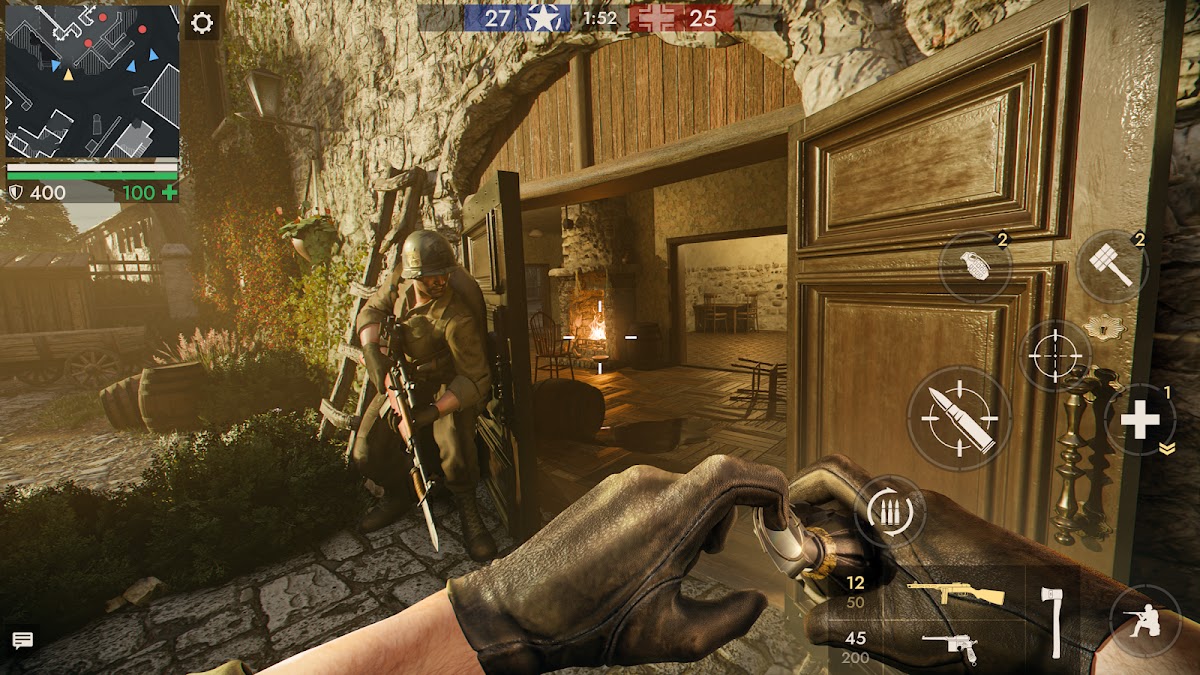
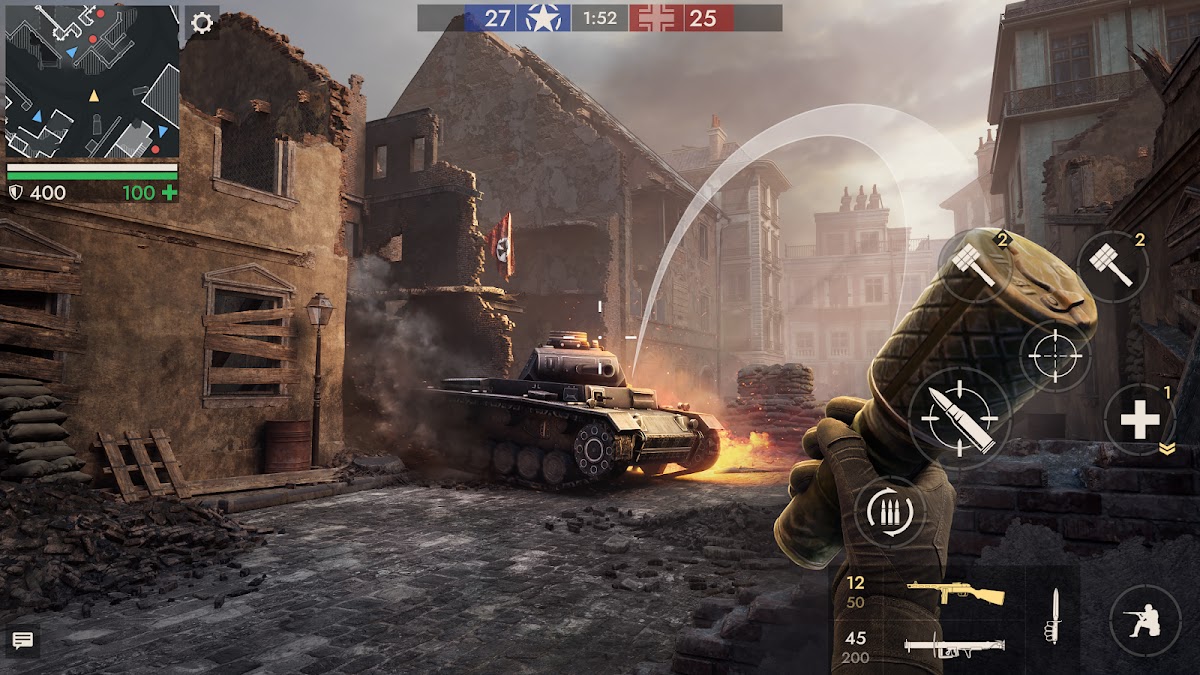

World War Heroes changes the setting from modern tactical equipment to Second World War-inspired battles. Historical weapons, recognizable military environments, and usable tanks give it a different flavor from contemporary FPS games.
Its multiplayer modes include team fighting and objective-based formats such as point capture and capture the flag. That creates choices beyond simply searching for the next opponent: defending a position or moving with teammates can be the more useful action.
Equipment development remains part of the game, so consider how much progression you want alongside the battles. Choose it primarily for its setting and mode selection, rather than expecting a detailed historical simulation.
Choose it for: WWII-themed multiplayer with infantry combat and vehicles.
13. Modern Combat 5 — A Campaign Alongside Multiplayer
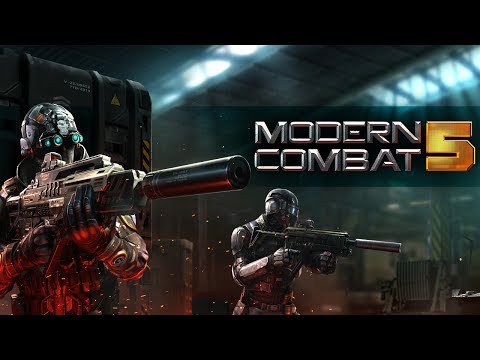
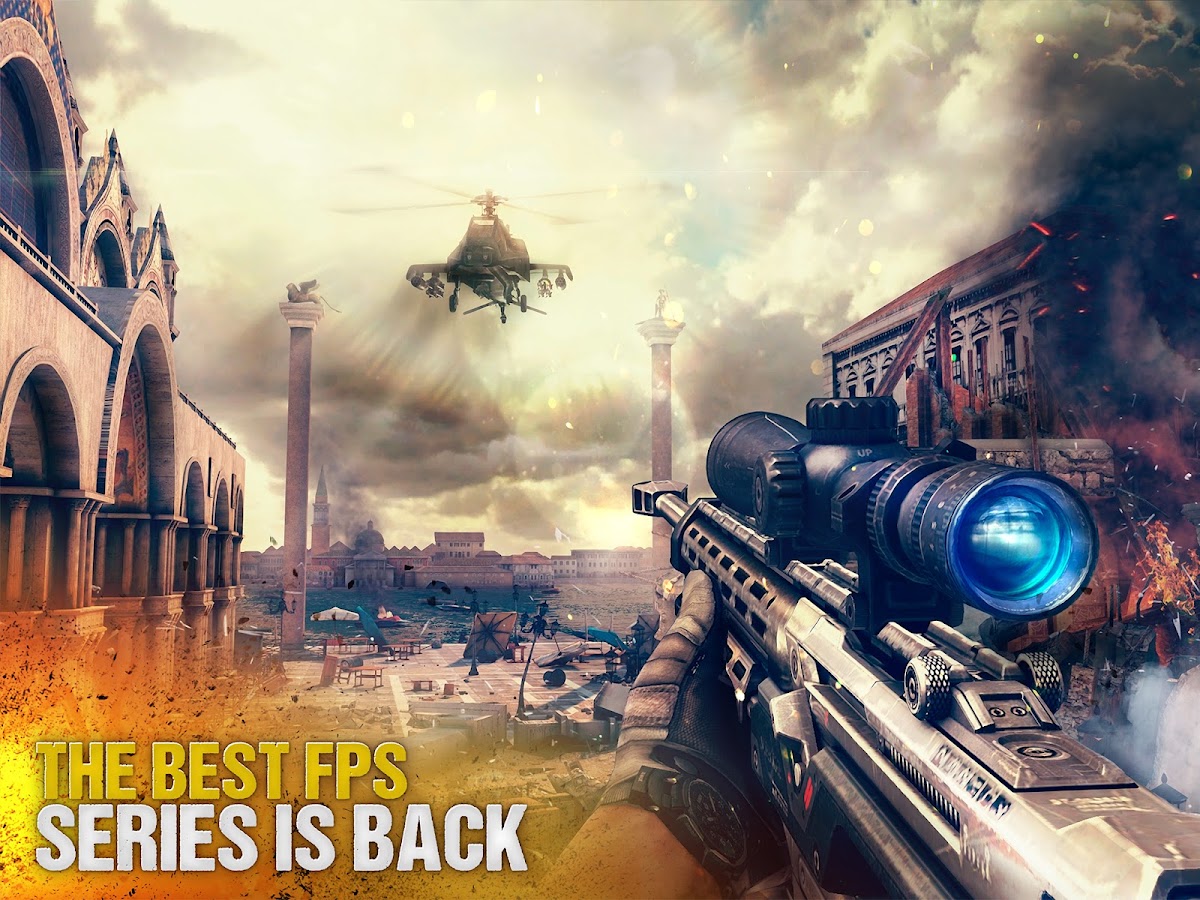
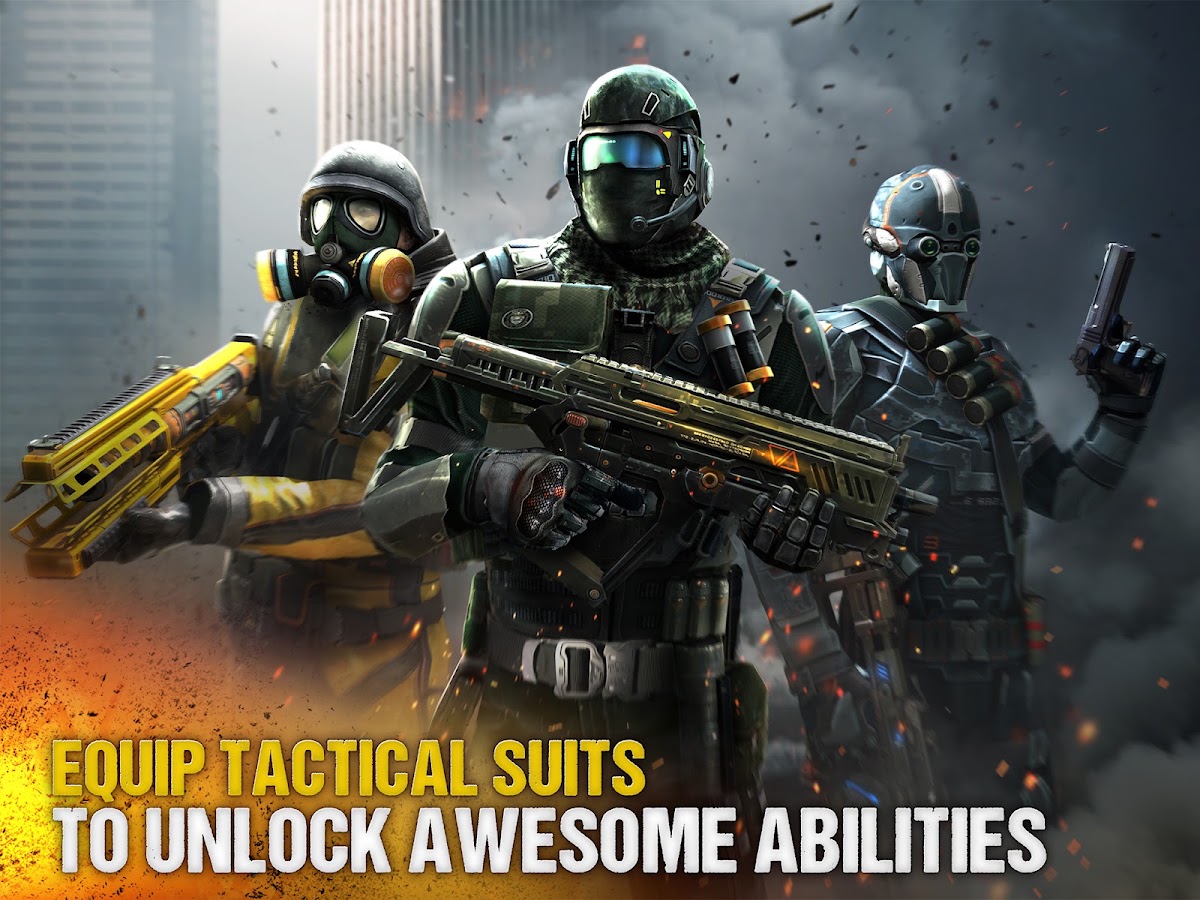
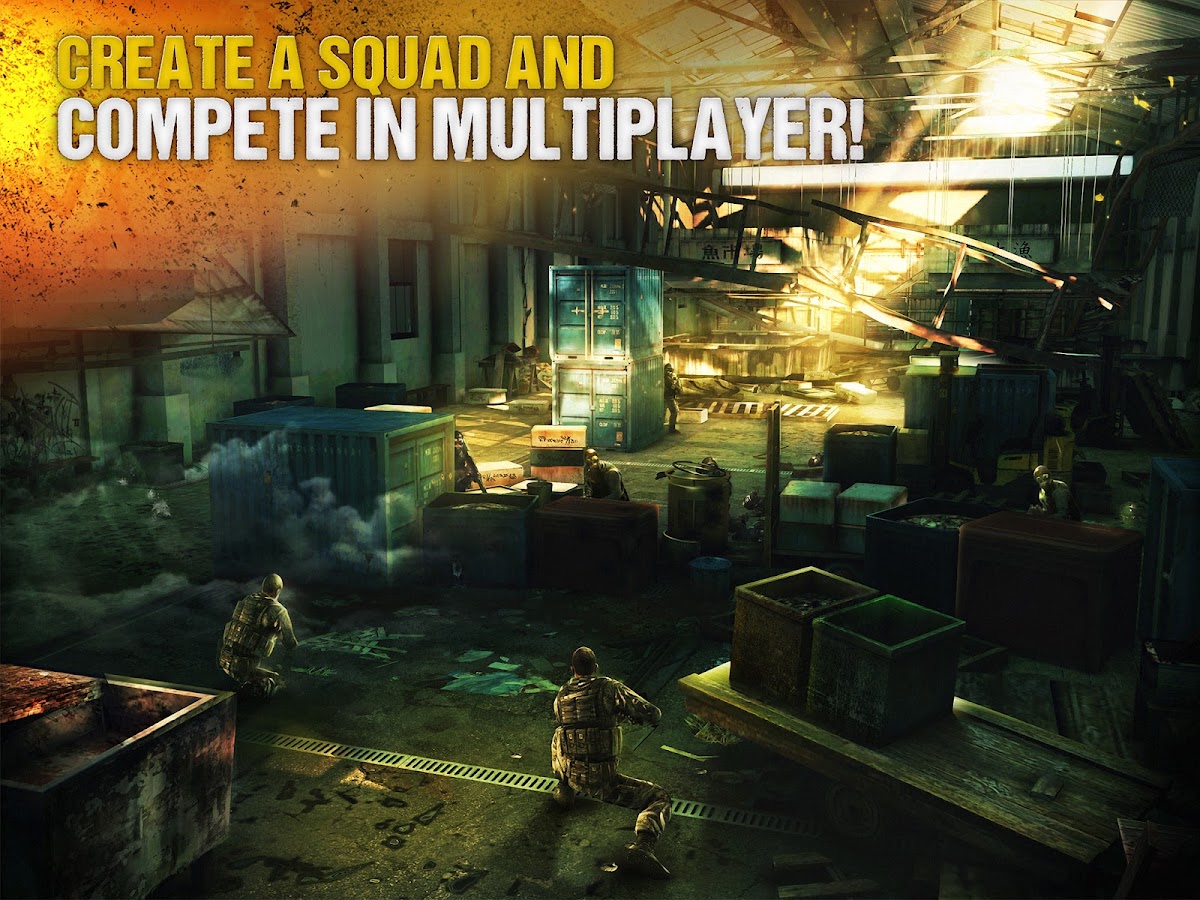
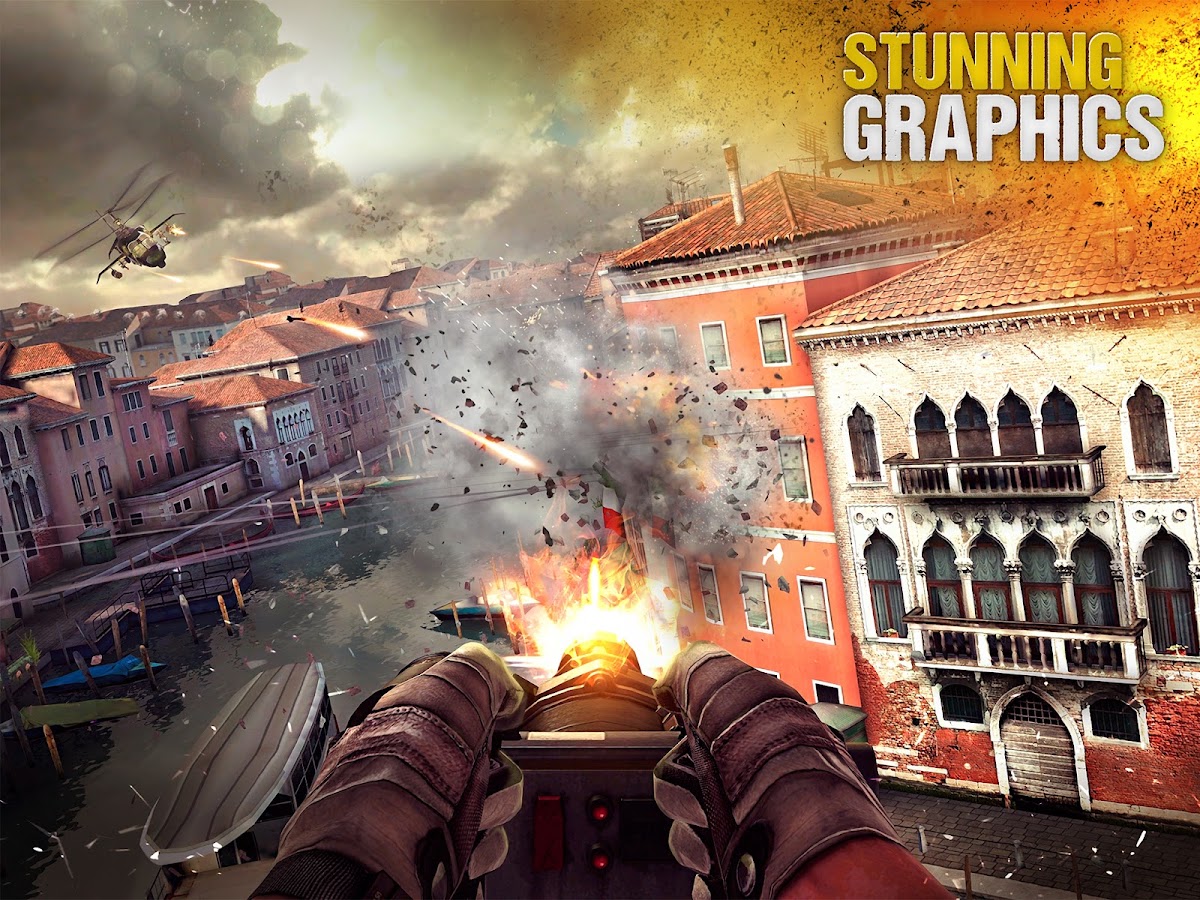
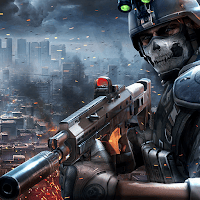
Modern Combat 5 is useful for players who want a military FPS with structured solo missions as well as online competition. Its campaign gives you objectives and locations to work through, while multiplayer provides a separate reason to return.
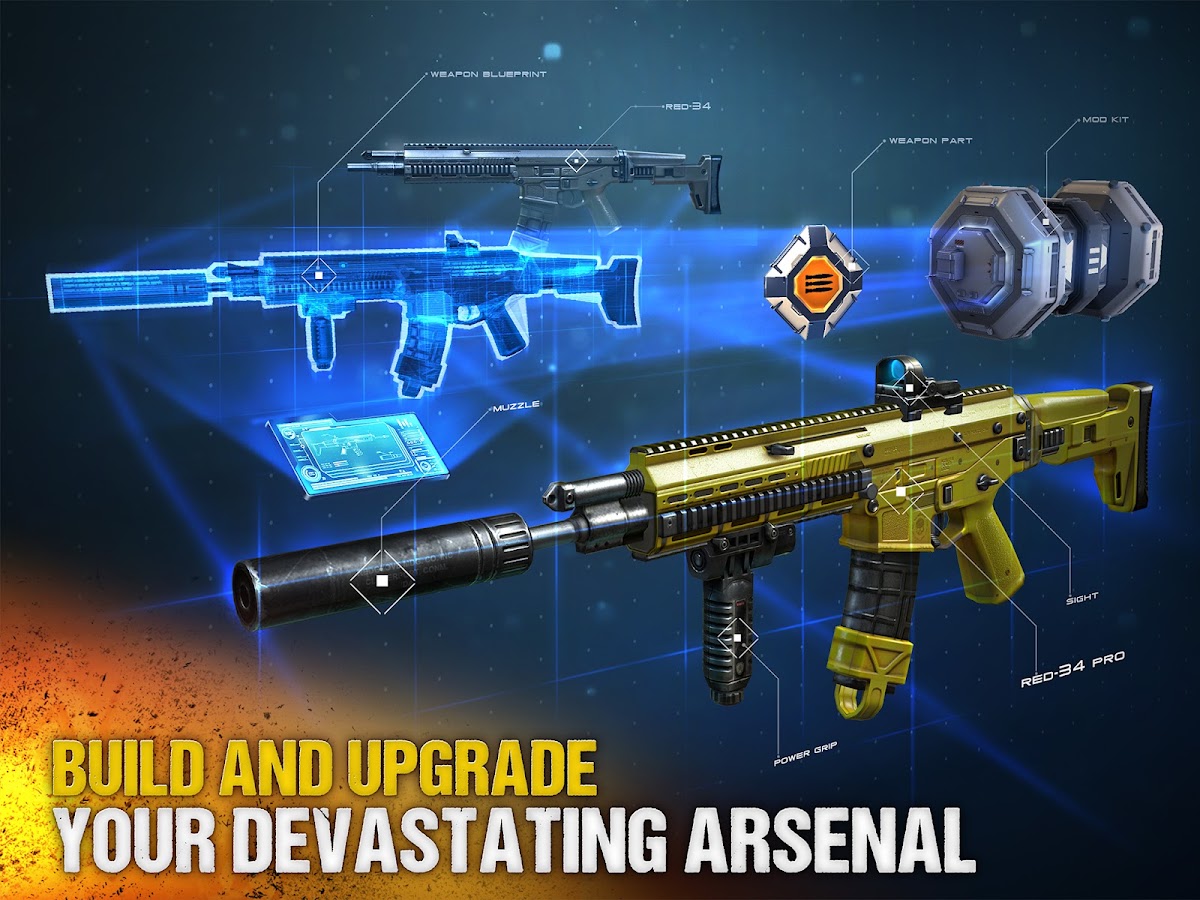
Character classes, weapons, and progression connect the broader experience. That gives it a different rhythm from games focused exclusively on ranked rounds or battle royale.
The key limitation is easy to miss: the campaign requires an internet connection. “Single-player” describes who you are playing with, not whether the app works offline.
Choose it for: a conventional military campaign with additional multiplayer modes.
14. Guns of Boom — Short Matches and Simpler Controls
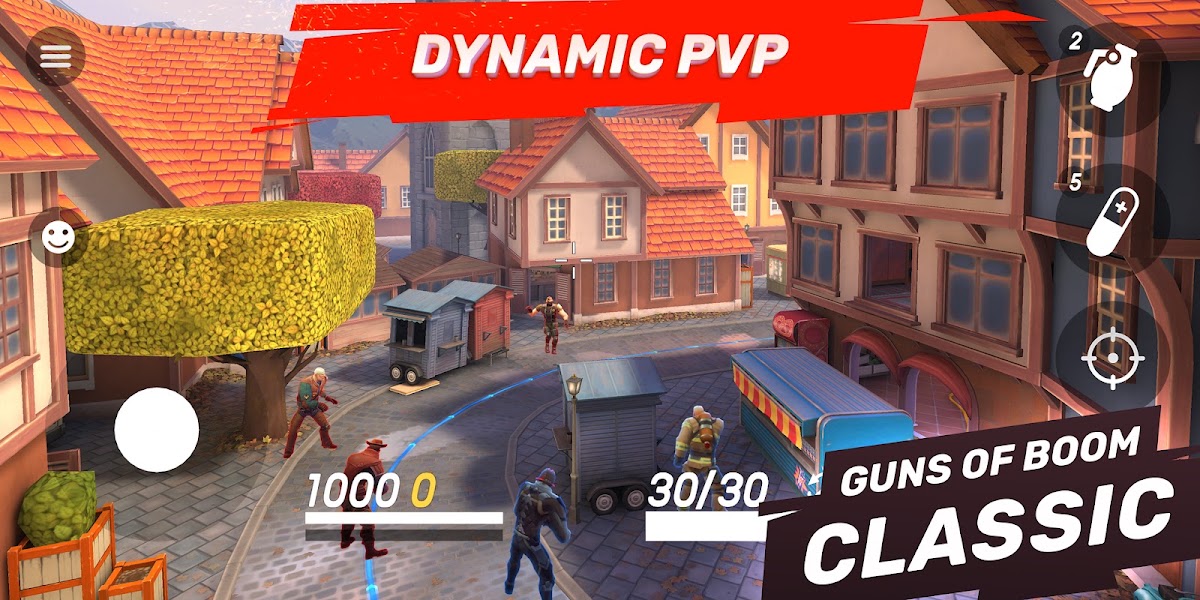
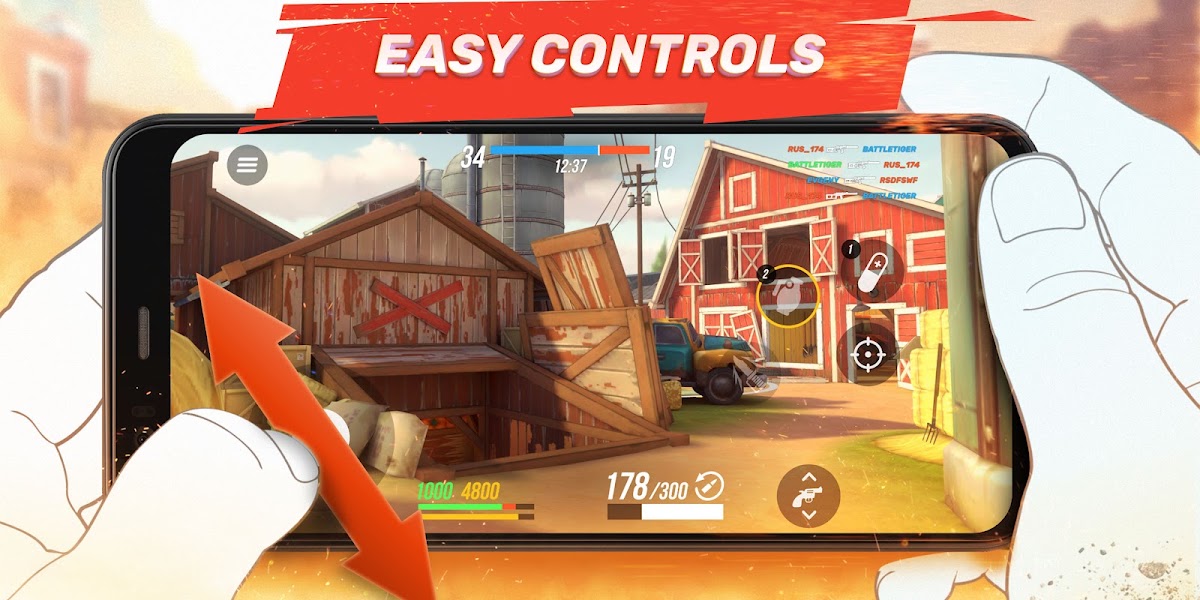
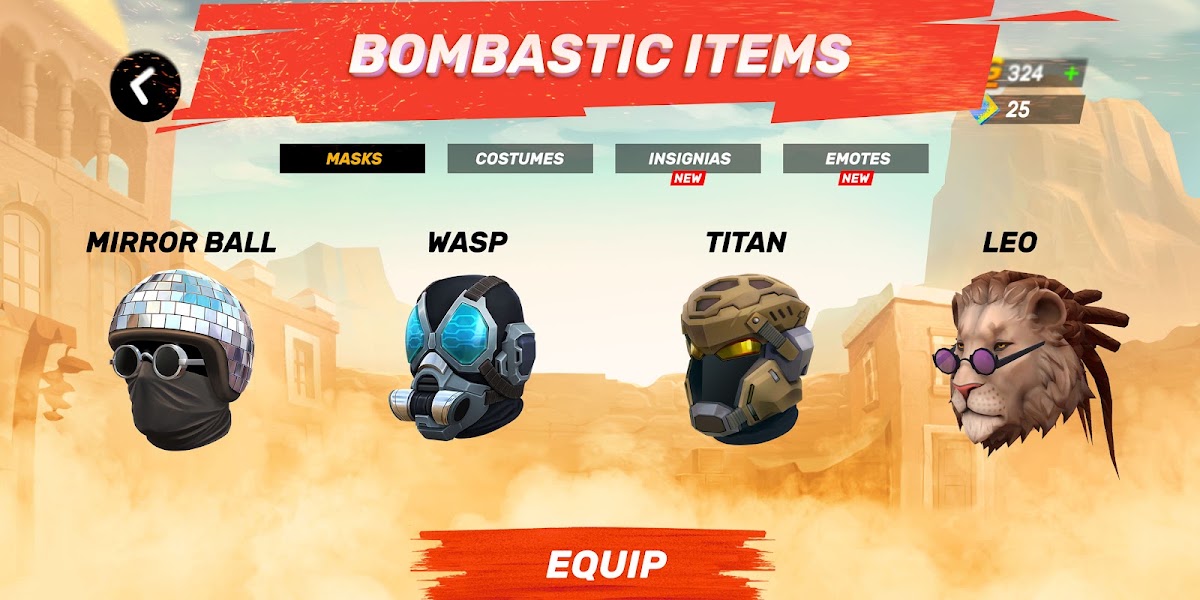
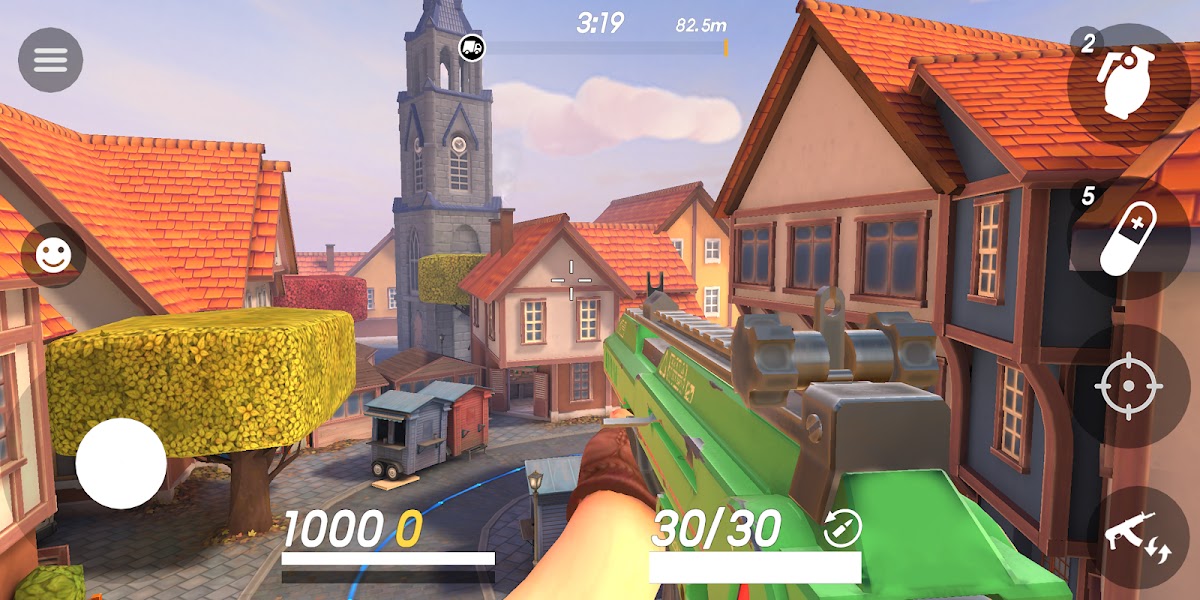
Guns of Boom focuses on accessible team shooting, colorful presentation, and relatively short matches. It is worth considering if a dense tactical interface is stopping you from enjoying mobile FPS games.
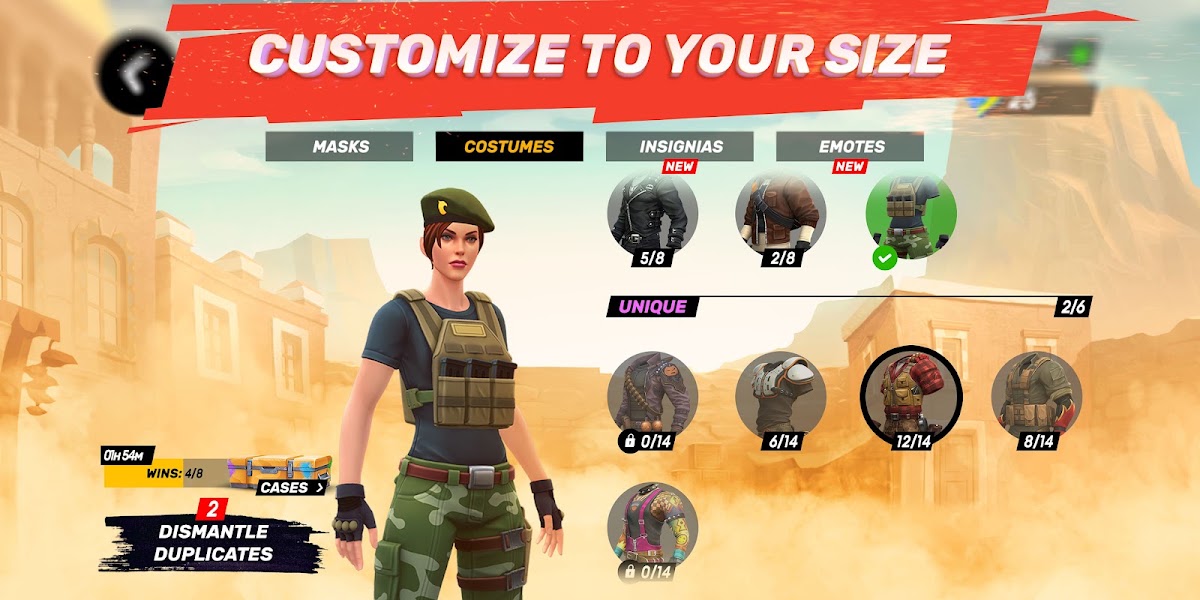
The simpler entry point still leaves room for positioning, map knowledge, and coordination. Equipment perks and builds let you shape how your character plays, adding progression outside the immediate match.
It is a better fit for short competitive sessions than for players specifically seeking detailed military simulation. As with any established online game, check matchmaking in your region and at your usual playing time before committing to a long progression path.
Choose it for: approachable multiplayer shooting and brief team matches.
15. SHADOWGUN LEGENDS — Co-Op Missions and Collectible Gear
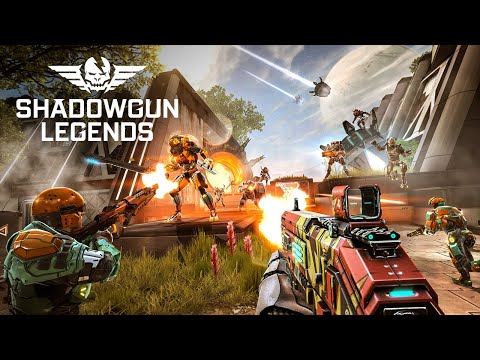
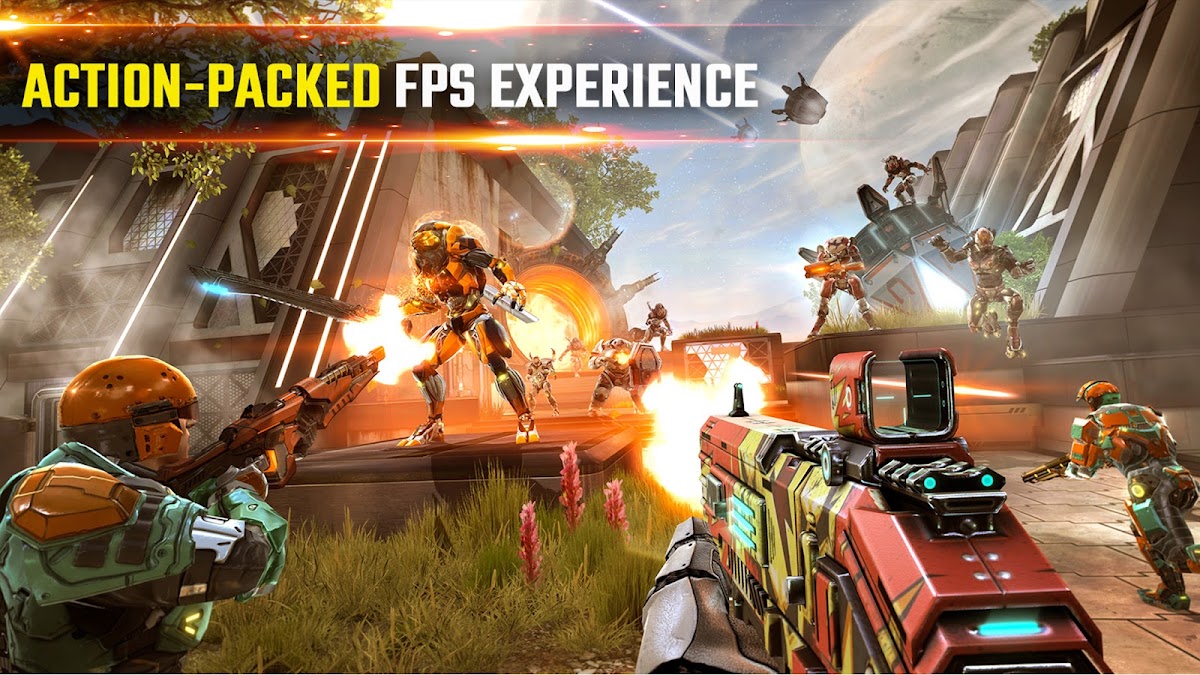
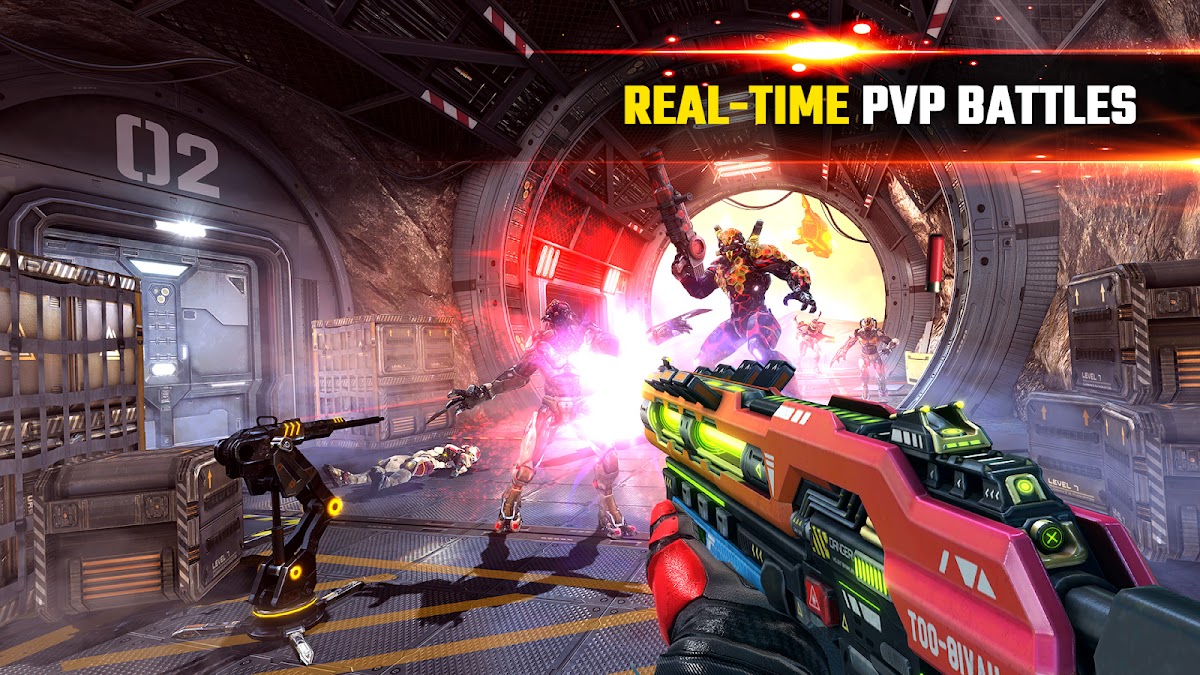
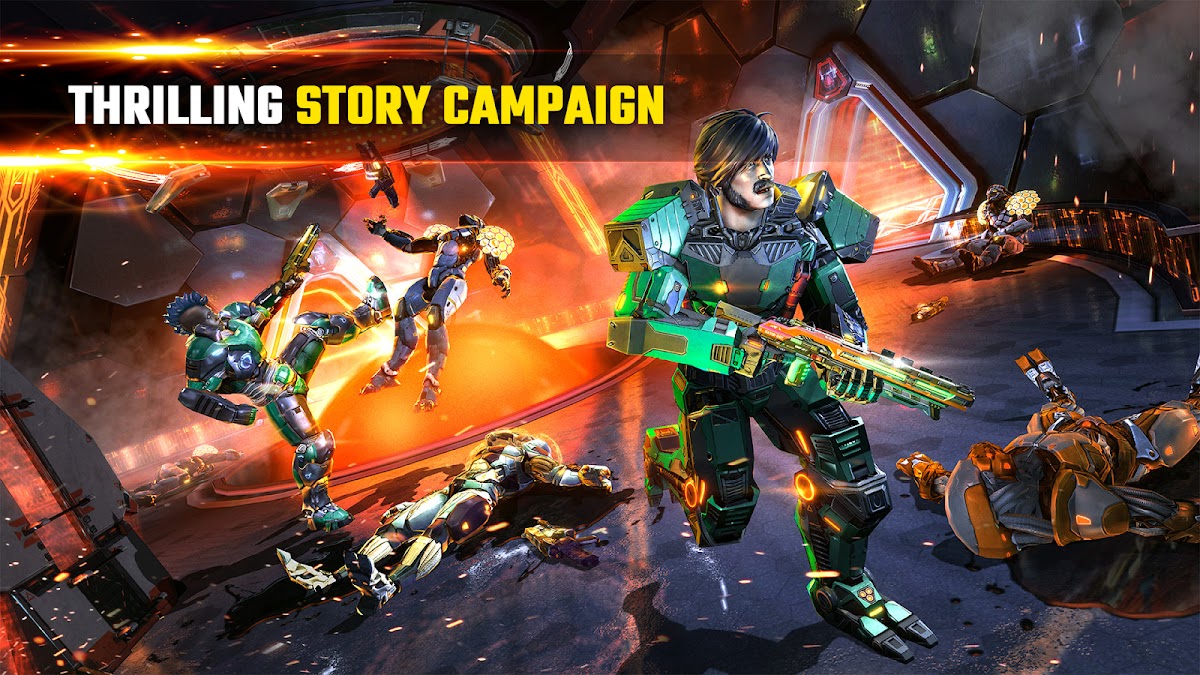
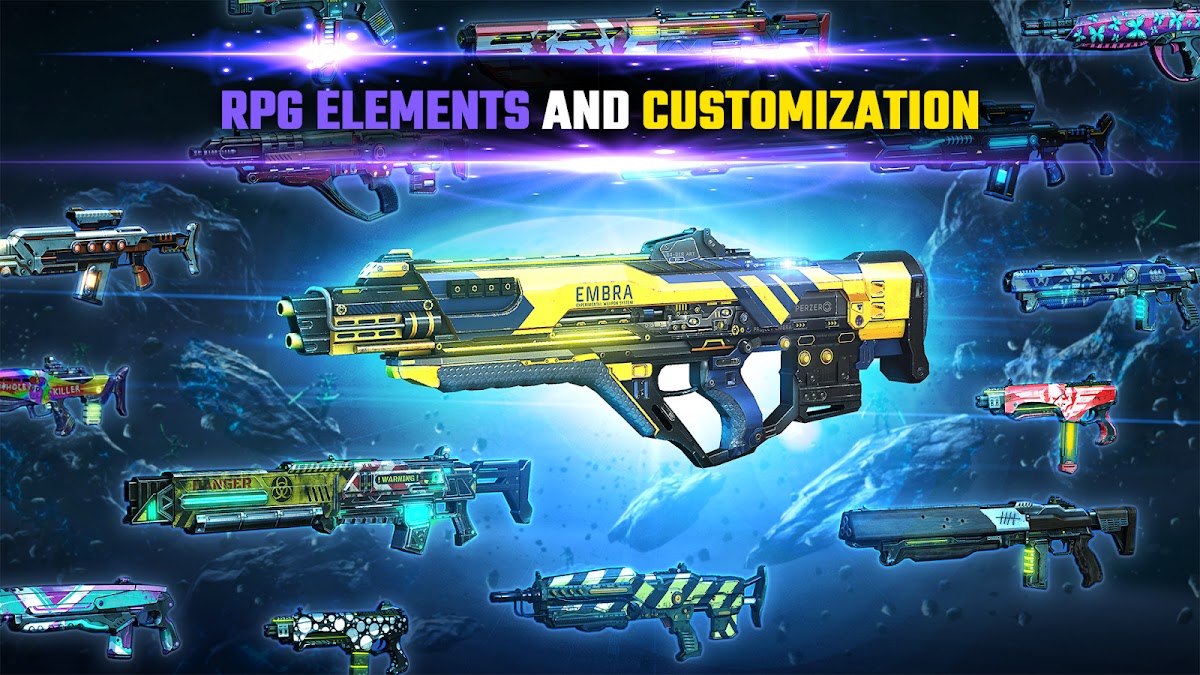
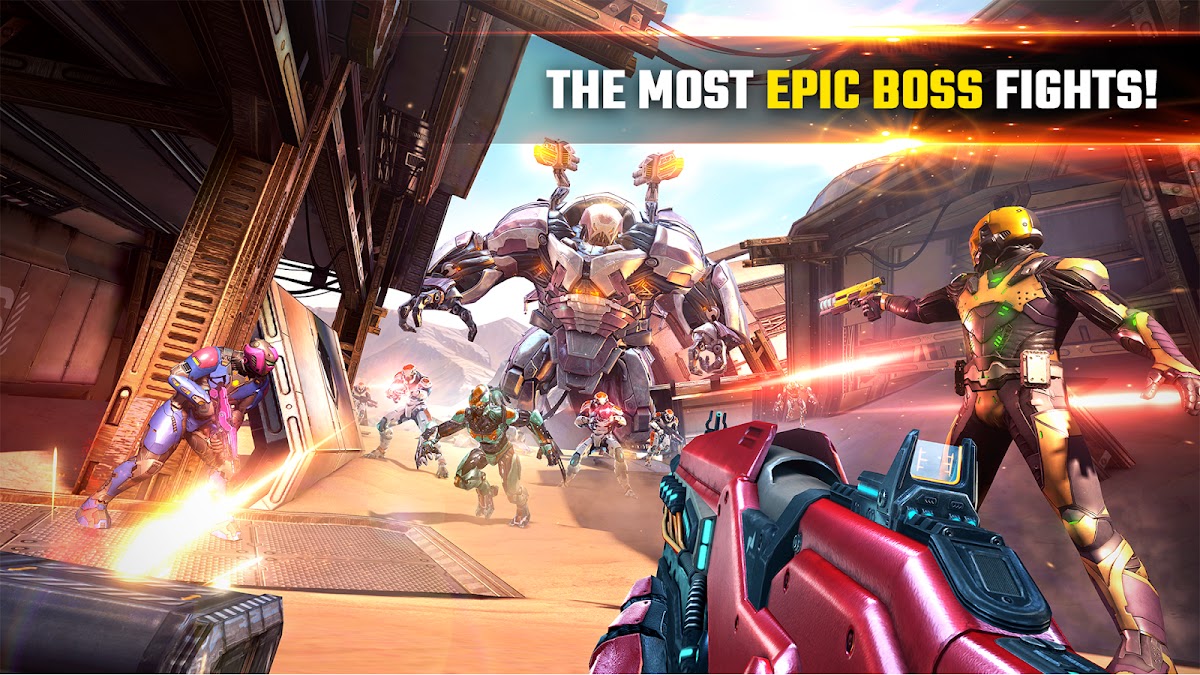
SHADOWGUN LEGENDS is the looter-shooter option in this selection. Its science-fiction setting supports story missions, cooperative activities, raids, dungeons, and PvP, with equipment collection connecting those activities.
The appeal is continuing to develop a character. A mission can be worthwhile because it advances the story or improves your gear, even when you are not interested in competitive rankings. That makes it a stronger fit for progression-focused players than a shooter built only around isolated matches.
It is not a conventional extraction game: collecting equipment and completing raids do not automatically create the same risk-and-evacuation structure. Choose it for cooperative shooting and loot progression.
Choose it for: sci-fi missions, co-op activities, and building a character over time.
FPS, Battle Royale, or Extraction: Which Should You Choose?
These labels describe different things. FPS means first-person shooter: it tells you about the camera and shooting perspective. Battle royale and extraction describe match structures. A game can be both an FPS and a battle royale, or both an FPS and an extraction shooter.
| Format | What you are trying to do | What usually drives improvement |
| Team multiplayer FPS | Win rounds, score eliminations, or complete objectives | Aim, map knowledge, positioning, and teamwork |
| Battle royale | Survive against other players as the playable area changes | Landing choices, looting, rotations, and squad decisions |
| Extraction shooter | Leave a raid with valuable equipment or completed objectives | Preparation, risk management, map knowledge, and knowing when to leave |
| Looter shooter | Complete activities and develop a stronger character or build | Equipment combinations, progression, and activity knowledge |
For a broad first download, start with Call of Duty: Mobile. For tactical rounds, compare Standoff 2 and Critical Ops. For survival matches, consider PUBG MOBILE, Free Fire, or Blood Strike. For equipment-risk raids, focus on Arena Breakout, Delta Force, and Lost Light. For missions and gear collection, try SHADOWGUN LEGENDS.
What to Check Before Downloading a Mobile Shooter
Choose the same regional edition as your friends. Two apps with similar names may use different publishers, servers, or account systems. Having Android and iPhone versions does not by itself guarantee that every edition can play together.
Allow space beyond the store download. Maps, textures, voice packs, and other resources can increase the installed size. A small initial download is not a promise of a small finished installation.
Prioritize stable performance. Reduce visual effects if the frame rate becomes inconsistent. A steady image and predictable touch response matter more during aiming than maximum detail.
Separate visual customization from combat progression. Cosmetic items, character abilities, weapon upgrades, and equipment stats are different systems. Look at what affects a match before spending time developing a loadout.
Match the commitment to your schedule. A short team match, a full battle royale, and an extraction raid ask for different amounts of uninterrupted attention. Being able to launch a game quickly does not mean its main mode is suitable for a brief break.