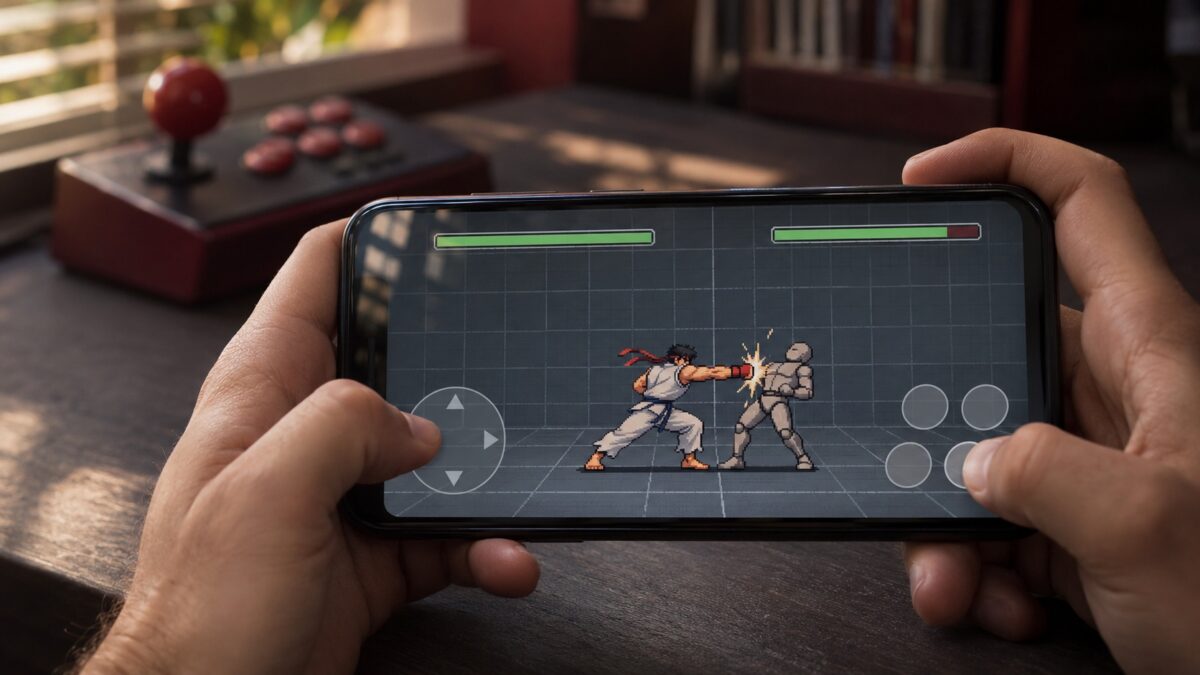
The best mobile fighting game for you depends on what you want to practice. Skullgirls is a strong choice for chaining taps, swipes, and special moves. The King of Fighters 2012 and Vita Fighters use virtual buttons, while Brawlhalla gives you room to drill weapon strings, aerial follow-ups, and offstage recoveries.
A training room lets you repeat a move on your own terms. A combo trial gives you a sequence to reproduce. A boxing gym minigame usually tests timing and improves your fighter’s stats. The table shows which kind of practice each game offers, so you can choose one that matches the skill you want to work on.
Android and iPhone fighting games compared
| Game | What you can practice |
| Skullgirls: Fighting RPG | Tap-and-swipe combos in Training |
| Shadow Fight 4: Arena | Hero-specific attacks, spacing, and follow-ups |
| Brawlhalla | Weapon combos, aerial attacks, and recovery in Training |
| Dual Souls: The Last Bearer | Attack chains in guided Combo Challenges |
| The King of Fighters 2012 | Virtual-pad inputs in Training and Challenge modes |
| Vita Fighters | Button-based attacks and specials in Training |
| Flash Party | Launchers, aerial follow-ups, and platform movement |
| The Clash of Fighters: RI | Normal attacks, specials, and combos in Practice |
| Power Rangers: Legacy Wars | Ability sequences and energy timing in Training |
| MMA – Fighting Clash 23 | Striking and grappling in Practice Mode |
| Dragon Ball Legends | Combo timing and character switches in guided lessons |
| Shadow Fight 2 | Weapon range and directional attacks in the dojo |
| Real Boxing | Punching bag, speed bag, and jump rope drills |
| Real Boxing 2 | Gym minigames and manually controlled punches in bouts |
| Wrestling Empire | Strikes, grabs, and wrestling controls |
1. Skullgirls: Fighting RPG — tap-and-swipe combos
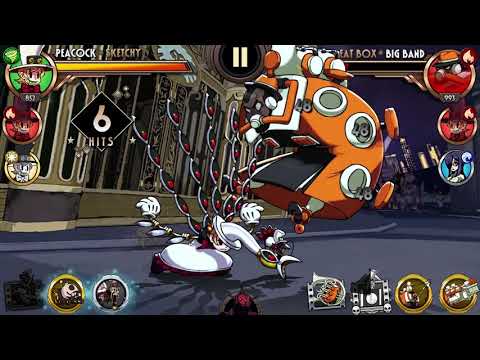
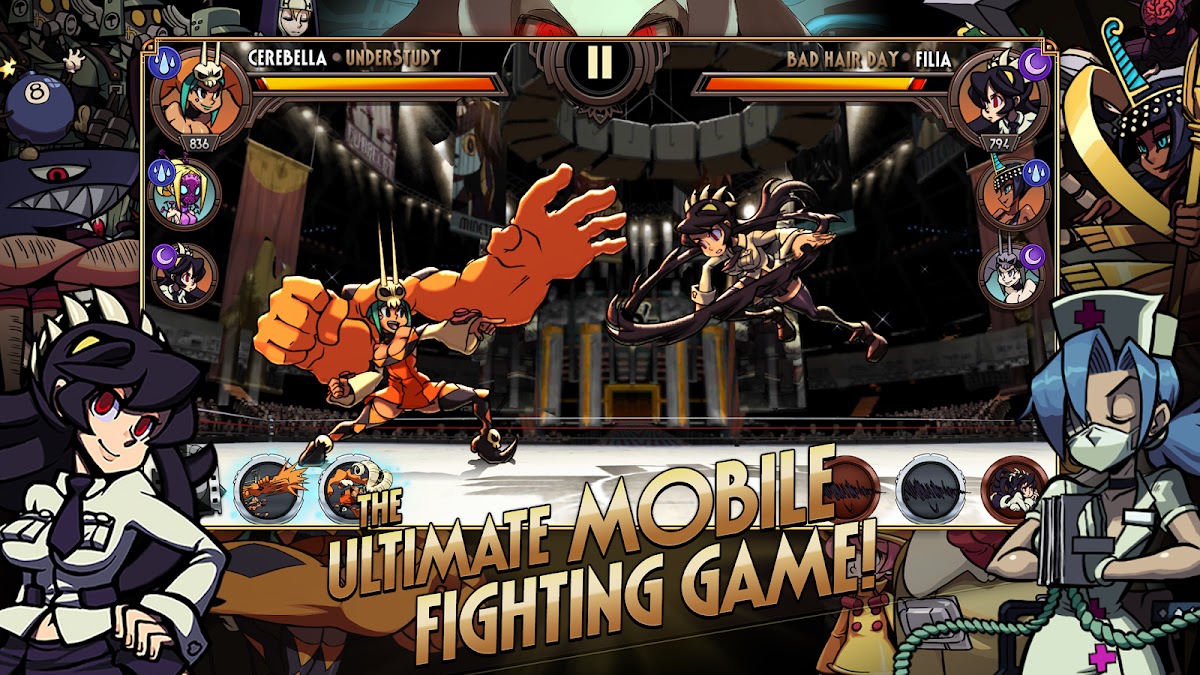
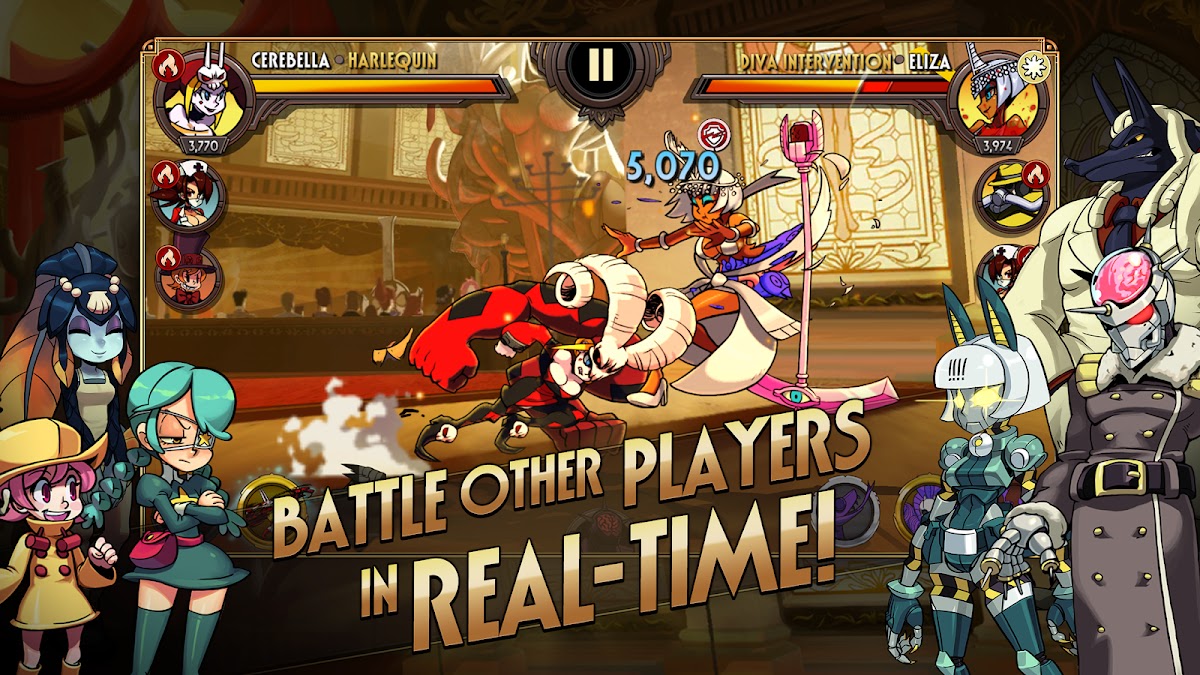
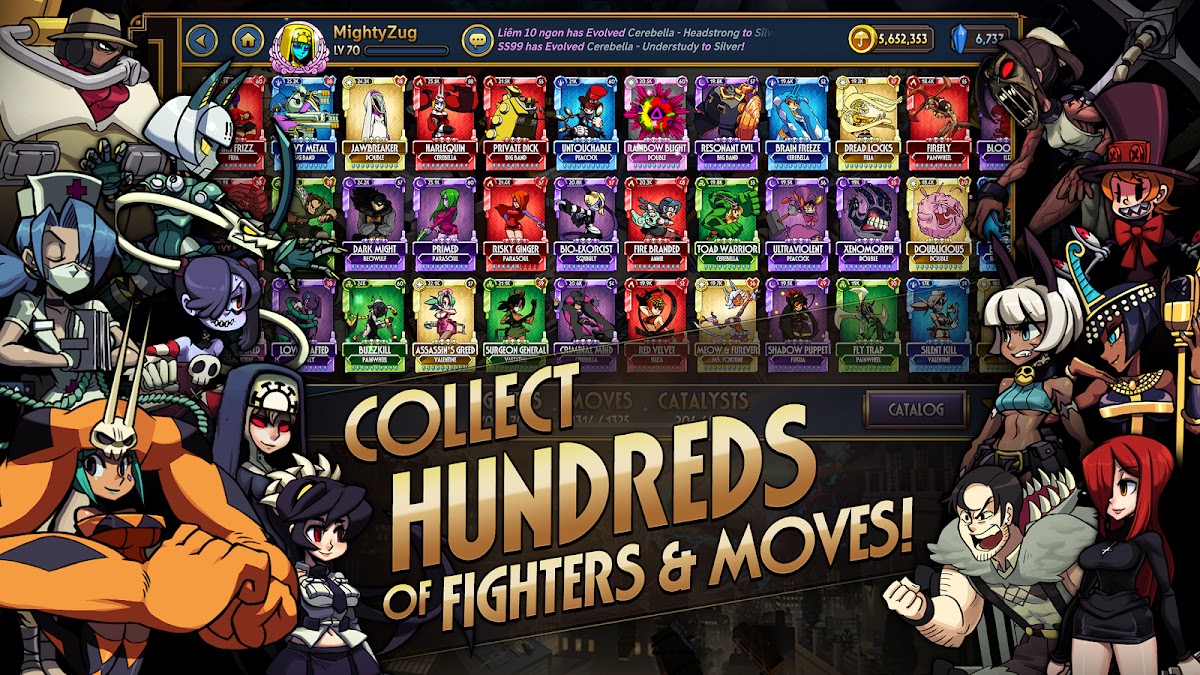
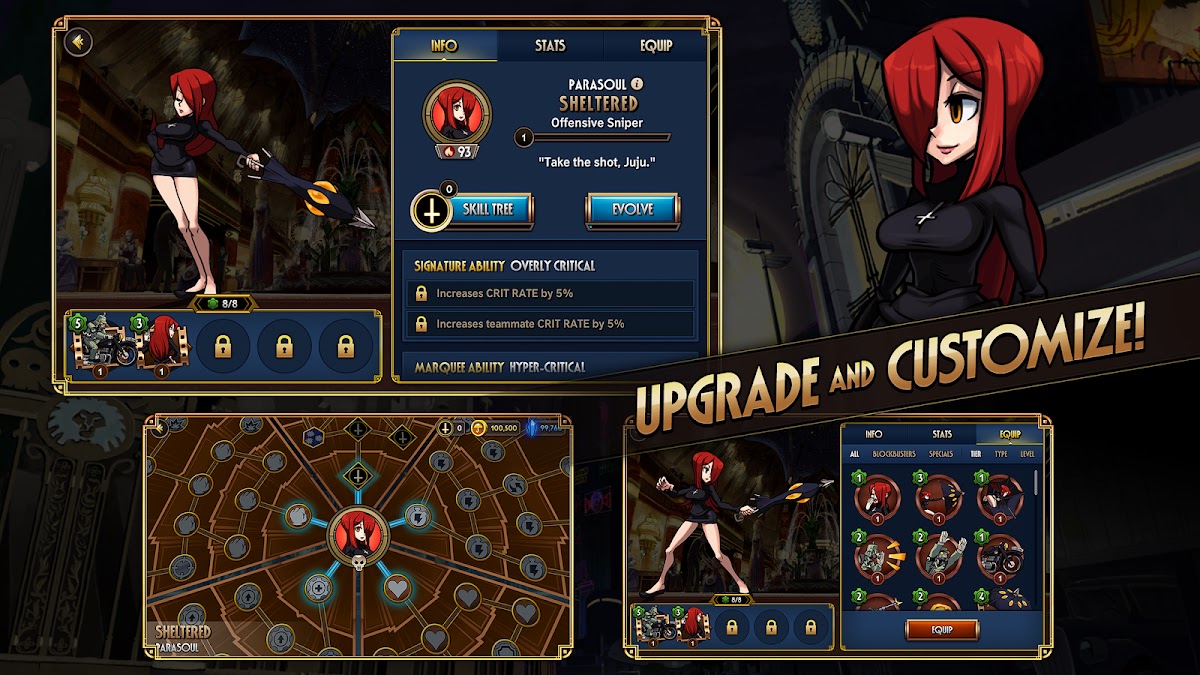
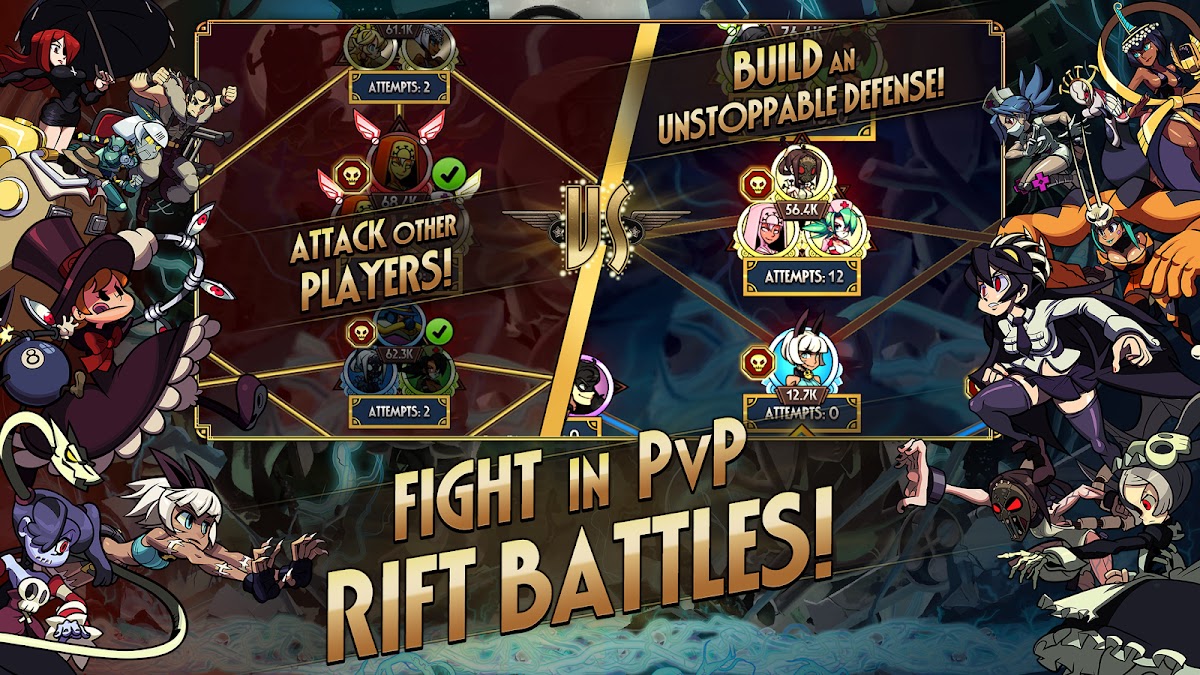

Tap through a ground string, swipe up to launch, then choose how to follow up in the air. In Training, repeat the sequence with the same fighter and see where a special move fits. Keep Fight Assist off to enter each hit yourself. Skullgirls is a strong pick if you want to learn manual combos on a touchscreen without relying on a virtual joystick.
2. Shadow Fight 4: Arena — learn one hero’s range and timing
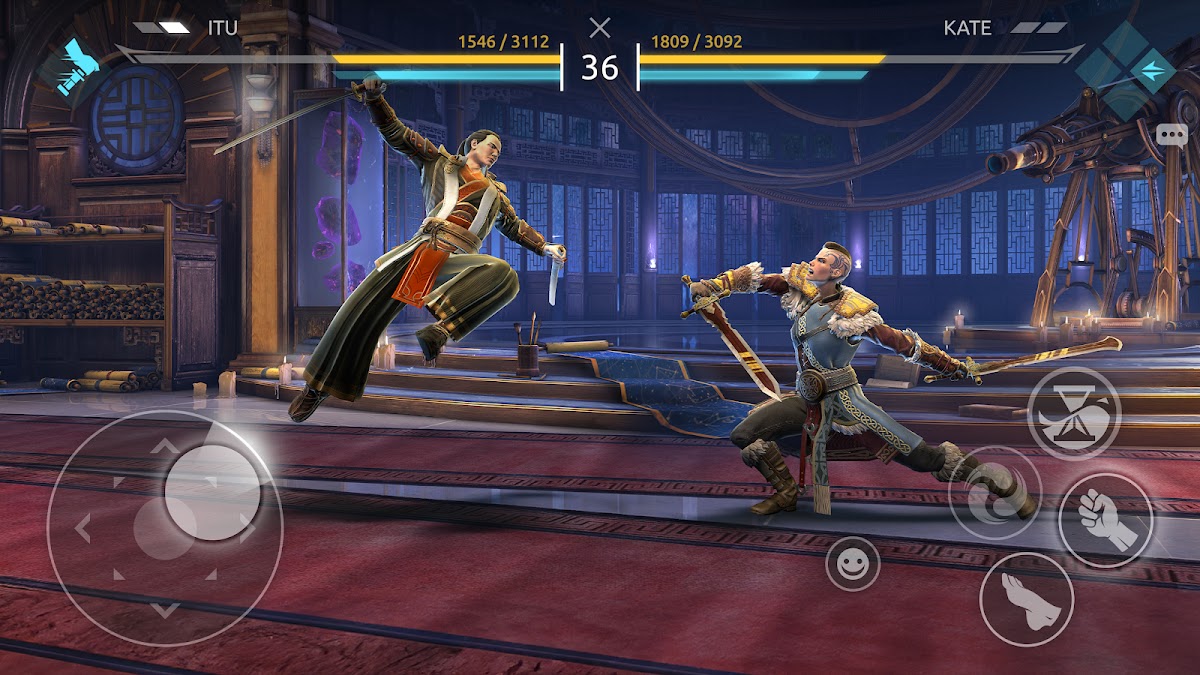
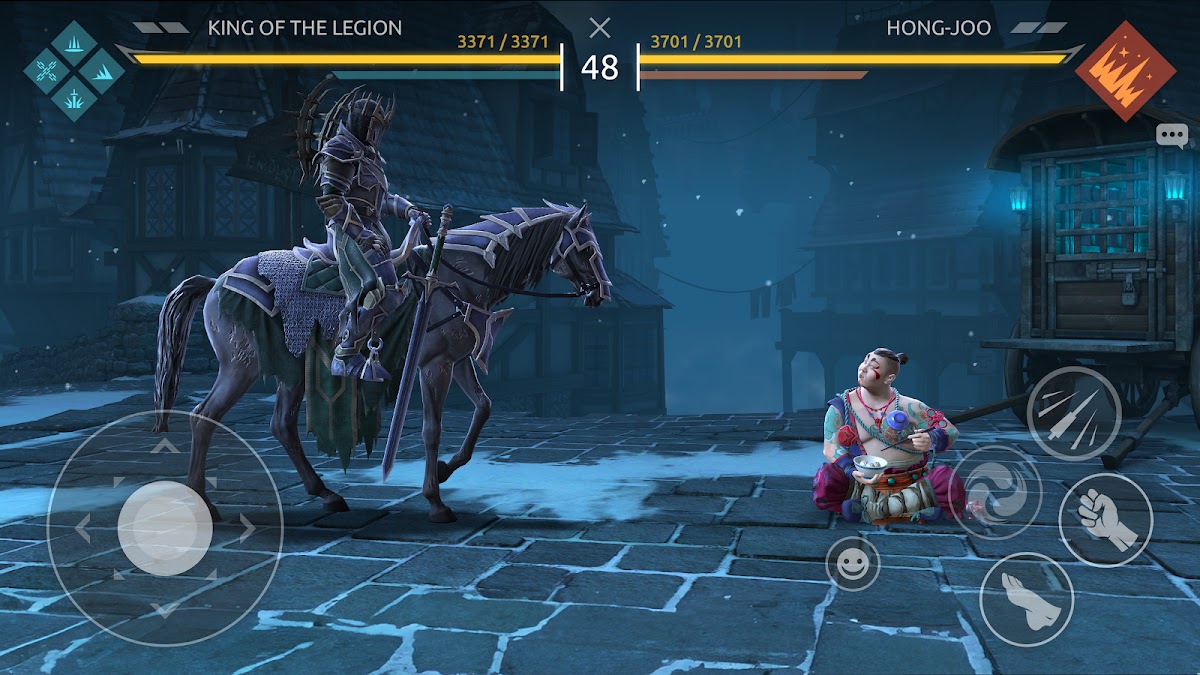
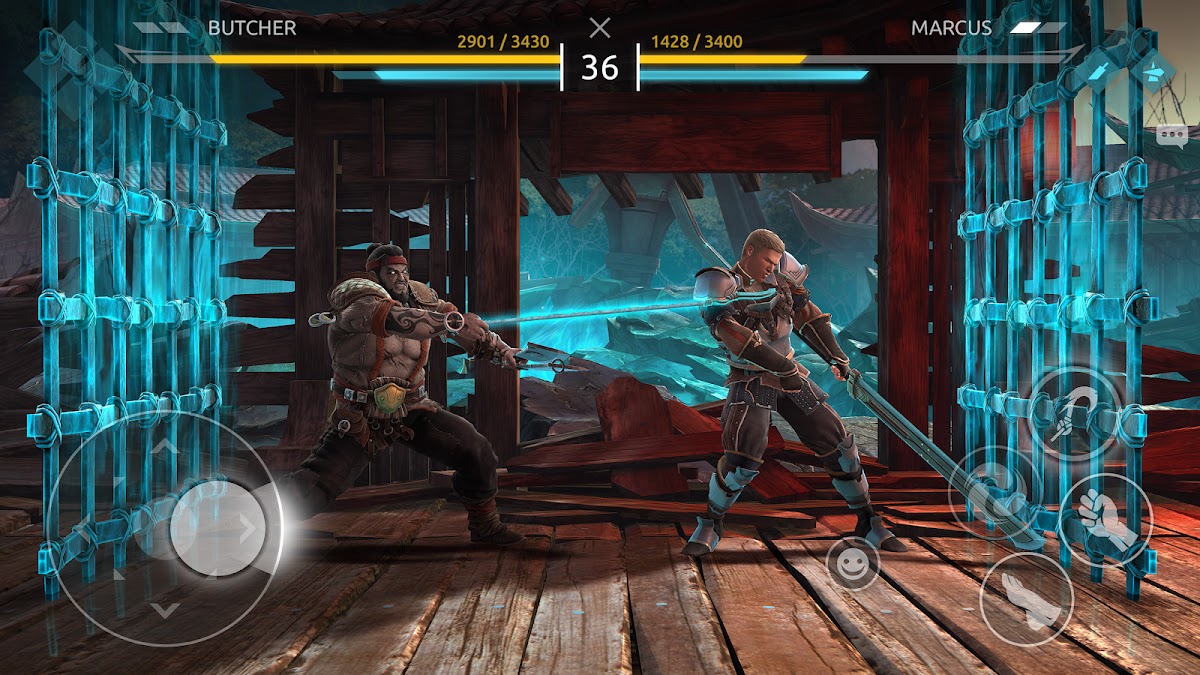
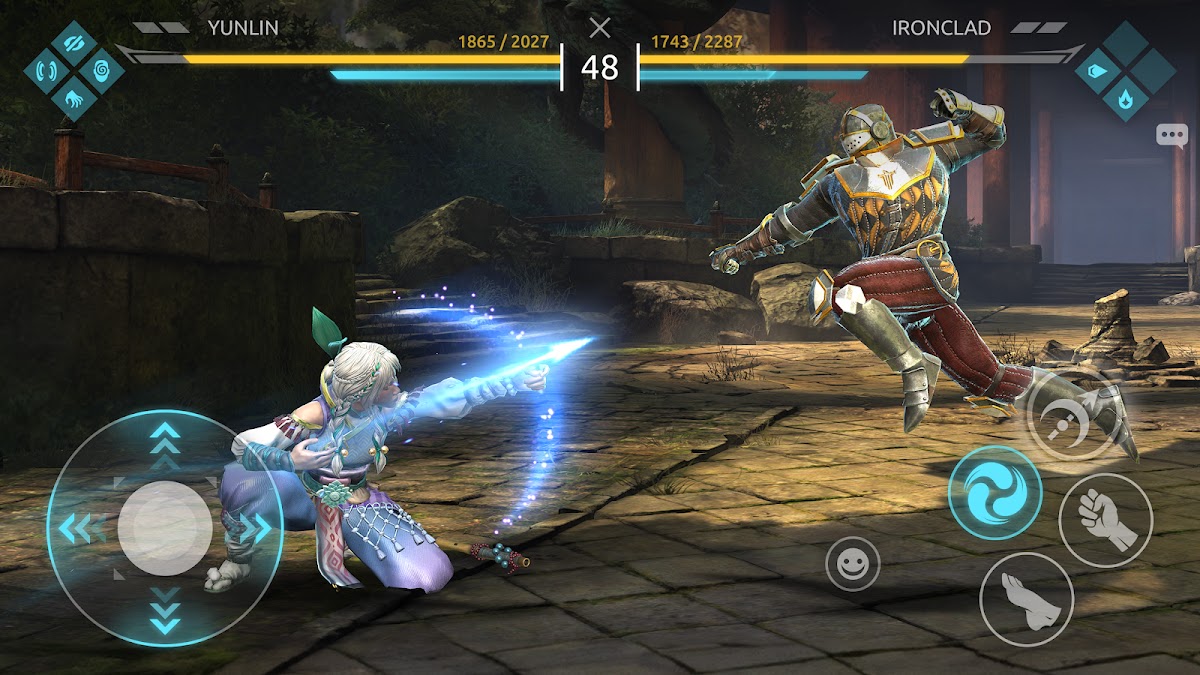
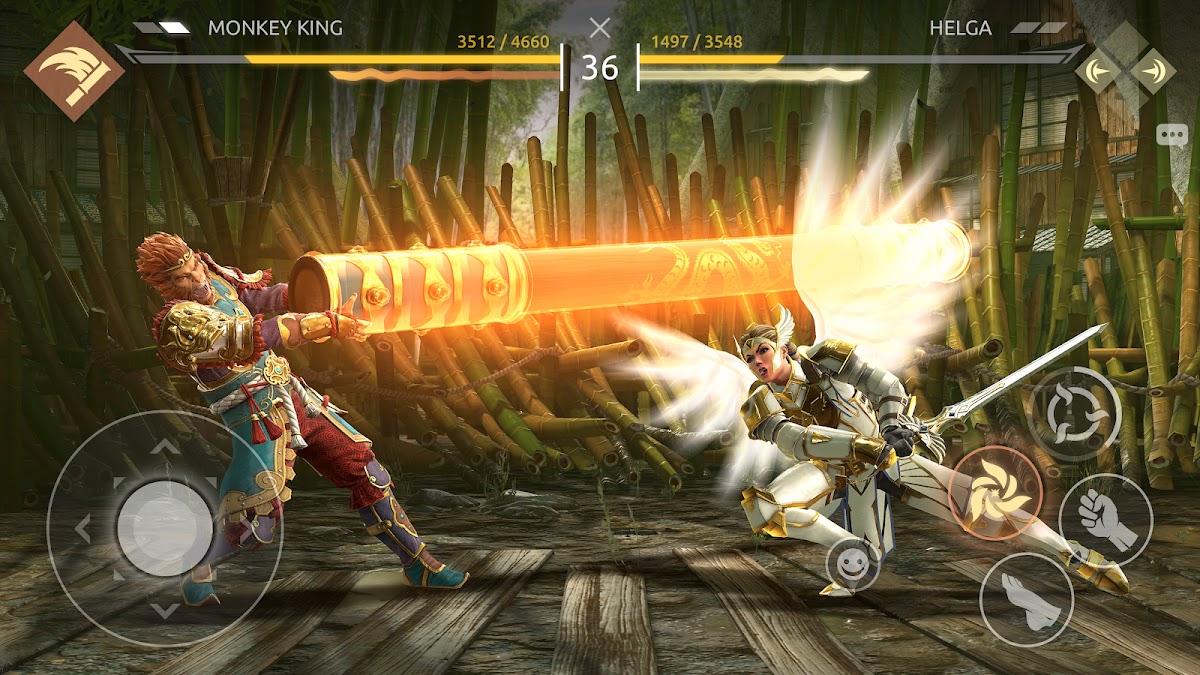
Open a hero’s details to find Training. Try an attack at close range, take a step back, and repeat it. Once you know where the first hit lands, test which follow-up still reaches. This is a useful way to prepare for PvP, especially when switching to a hero whose attacks have a different reach or rhythm.
3. Brawlhalla — weapon strings and offstage recovery
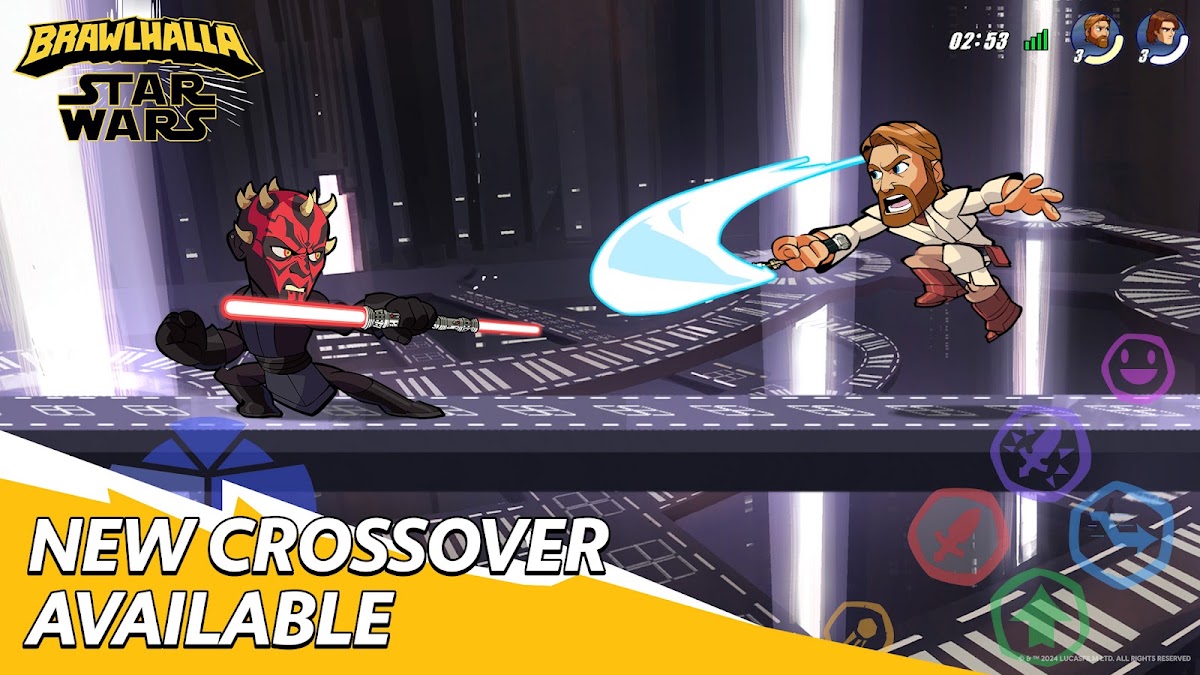
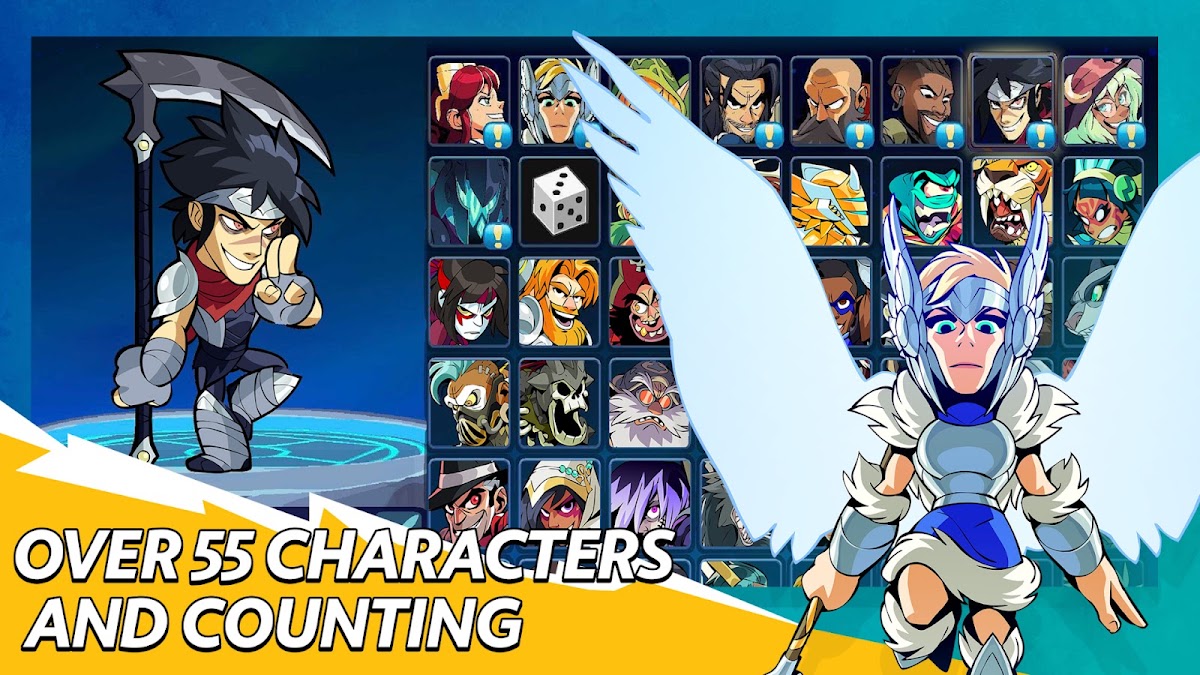
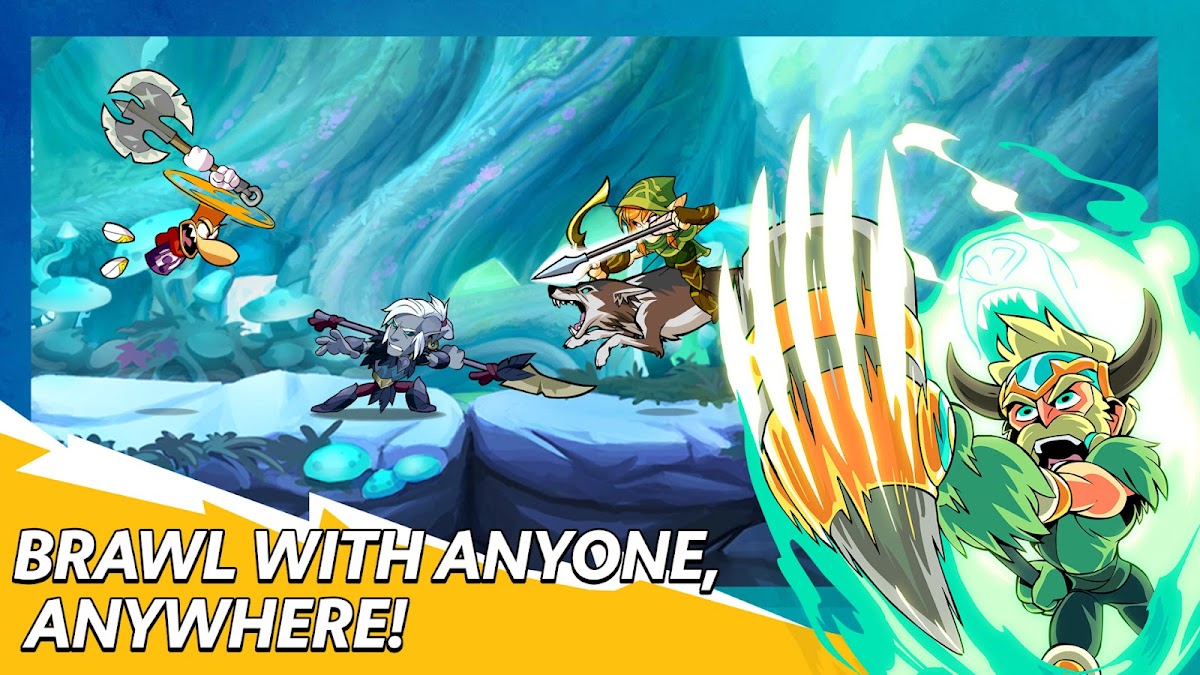
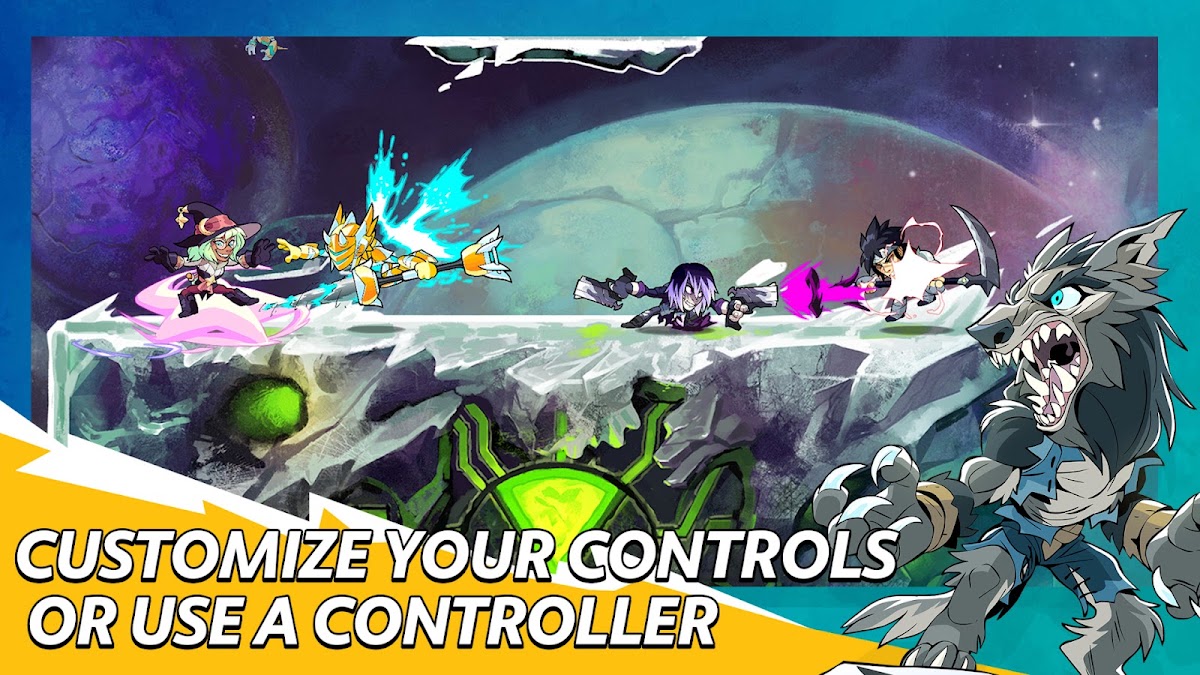
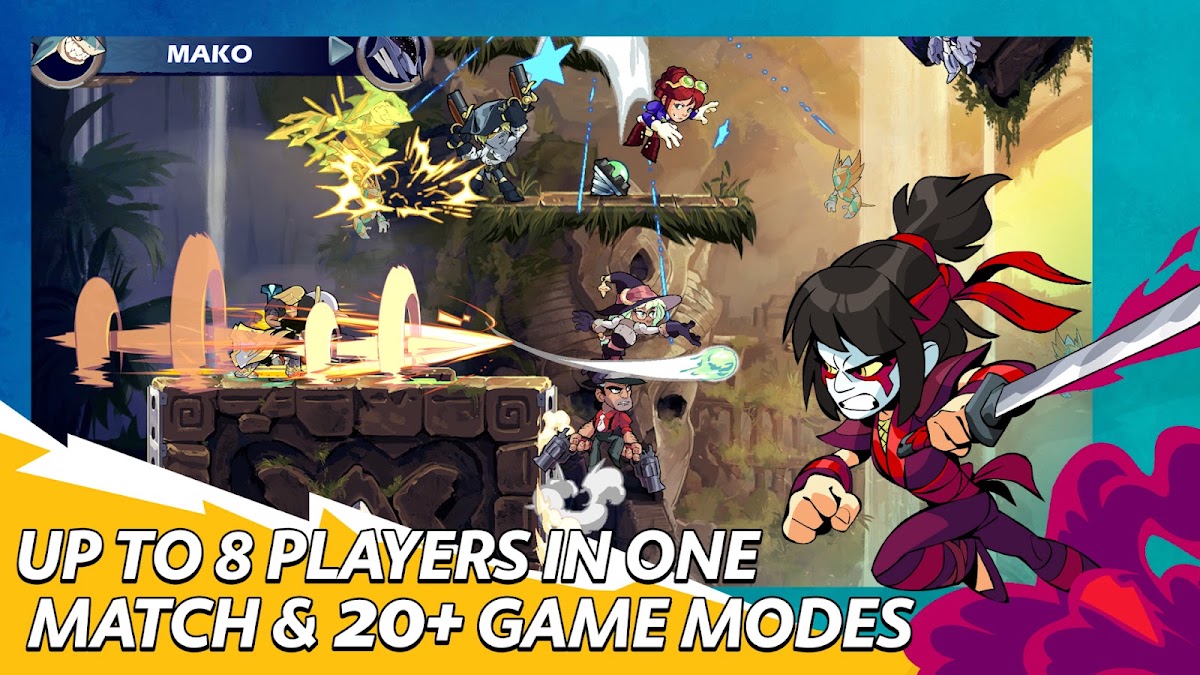
Use Training to practice what happens after the first hit. With gauntlets, for example, try following an opponent upward and check whether the next attack connects before they can dodge. Then move to the edge of the stage and practice getting back after an offstage attack. Brawlhalla is a good fit if you want to work on movement alongside combos.
4. Dual Souls: The Last Bearer — guided combo challenges

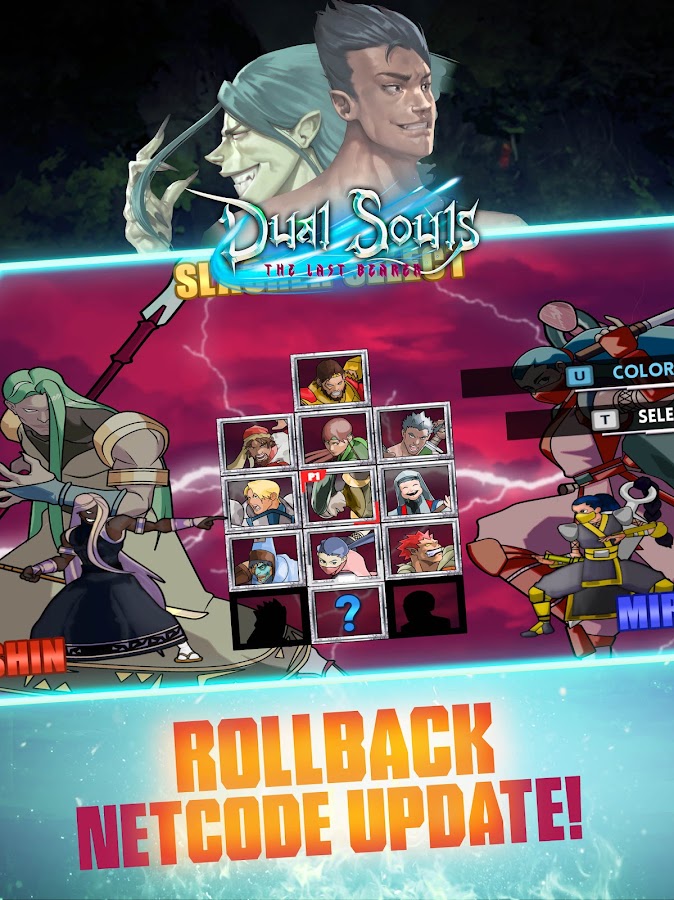
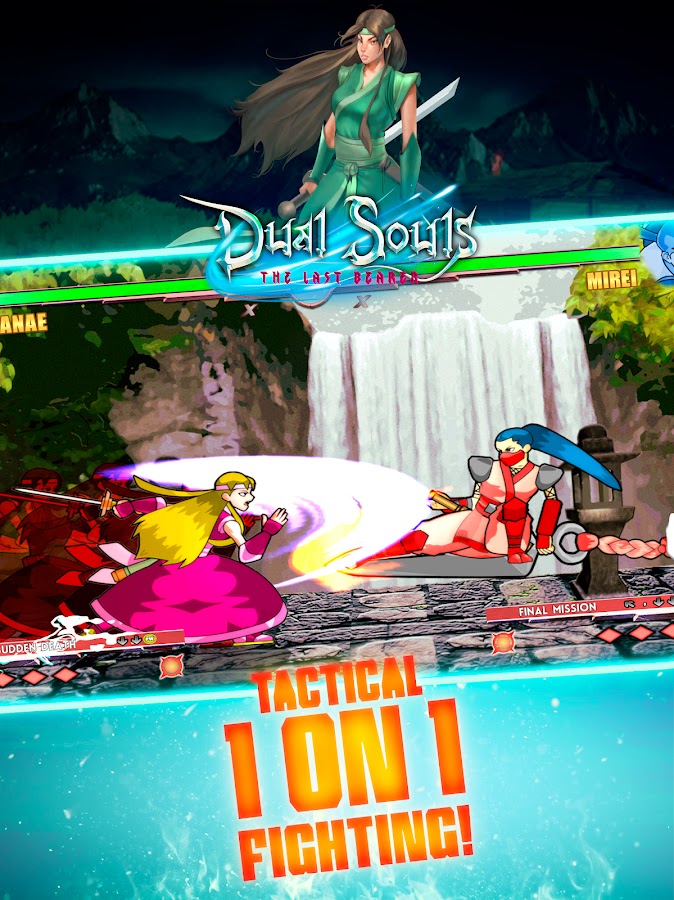
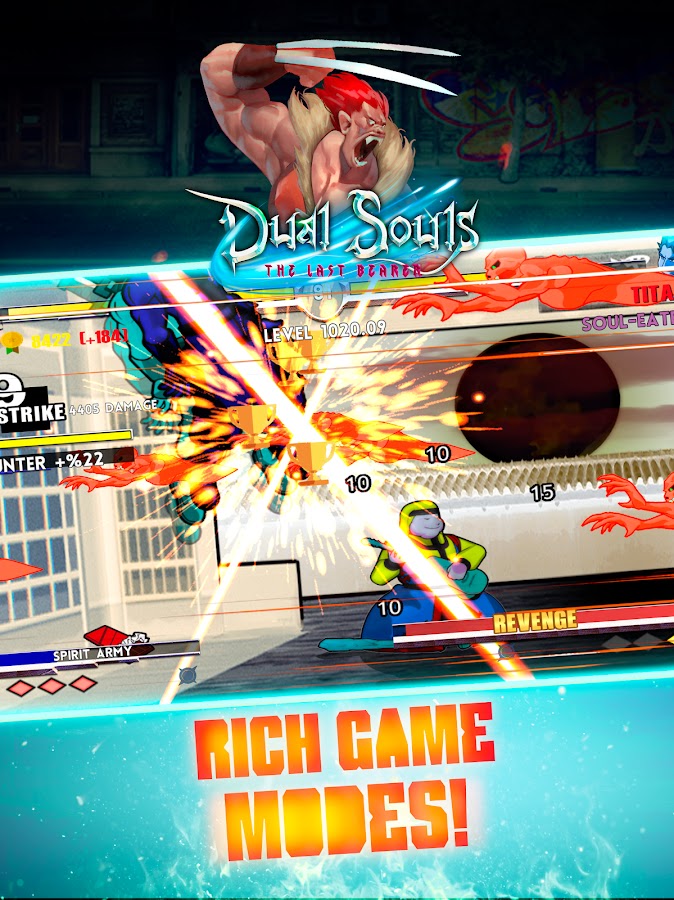
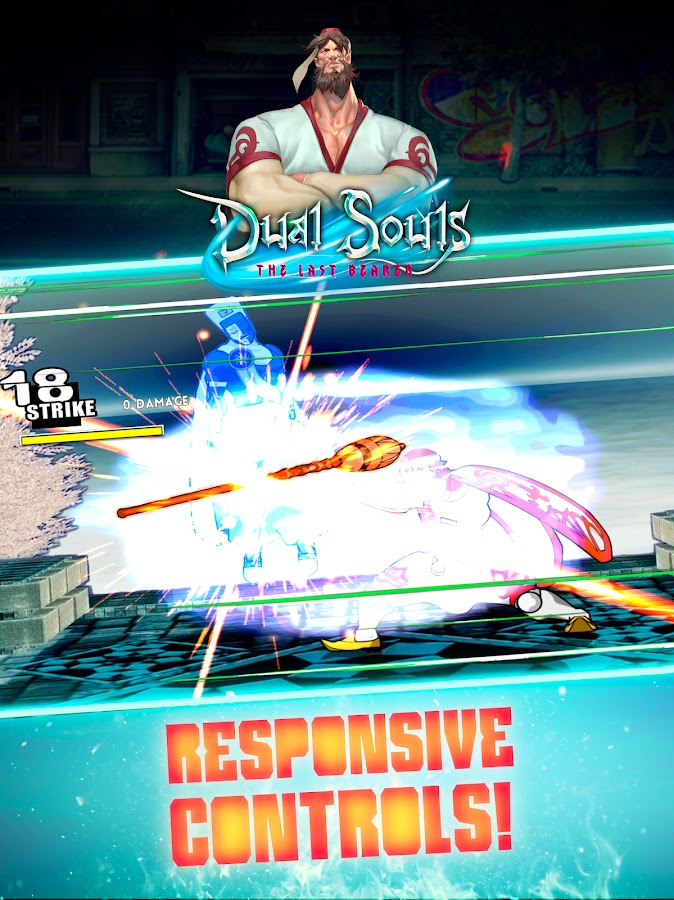
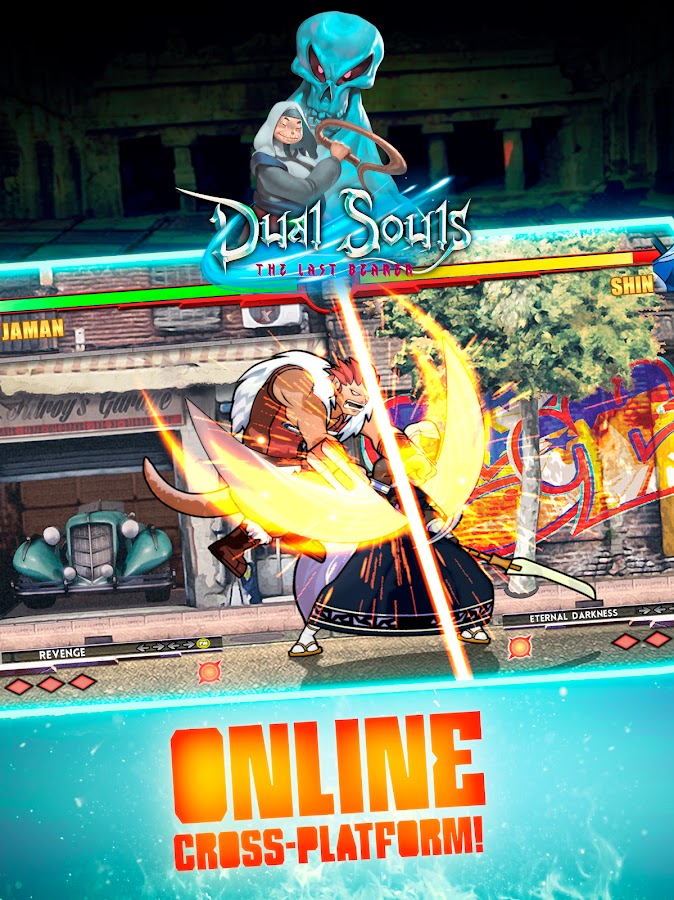

Combo Challenges give you specific sequences to reproduce. The touch layout has separate buttons for slash, heavy slash, kick, and power, and the tutorials explain how those attacks fit into the wider combat system. Once you can repeat a preset chain, try changing its final move. This is one of the clearest options for players who want structured combo trials.
5. The King of Fighters 2012 — classic inputs on a virtual pad
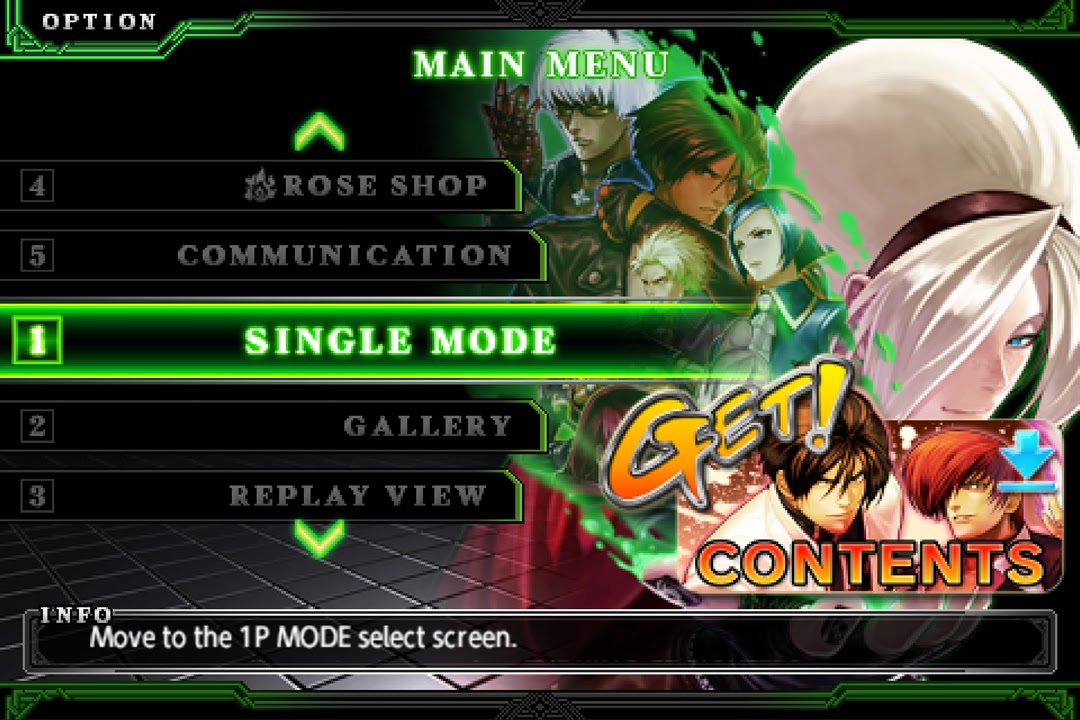
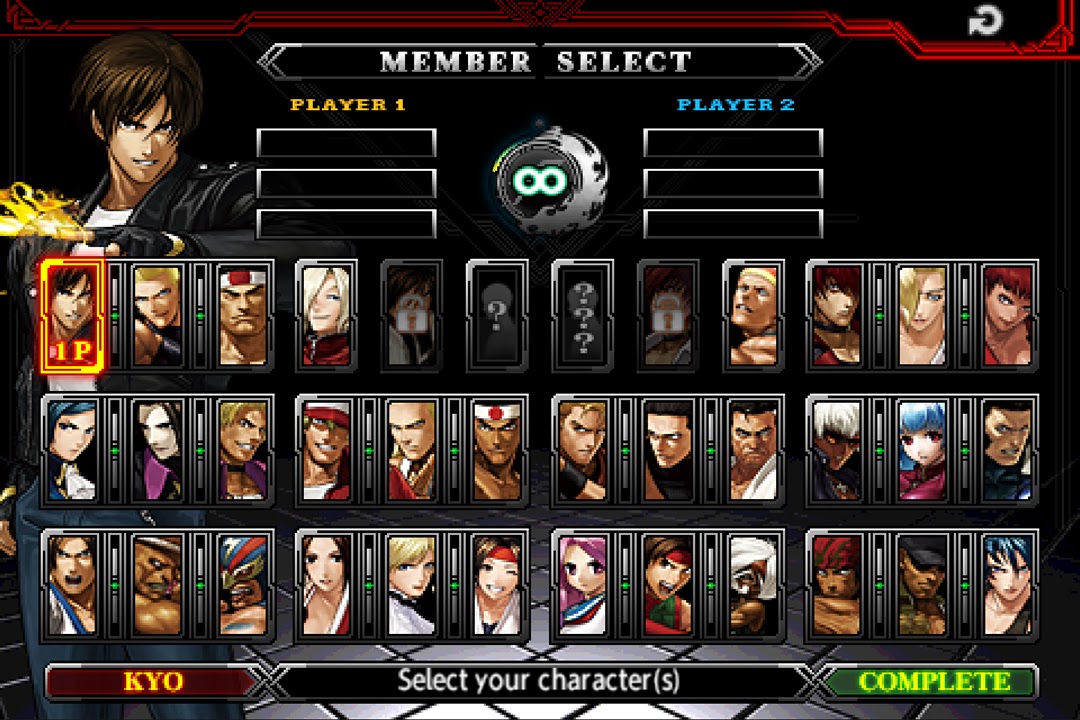
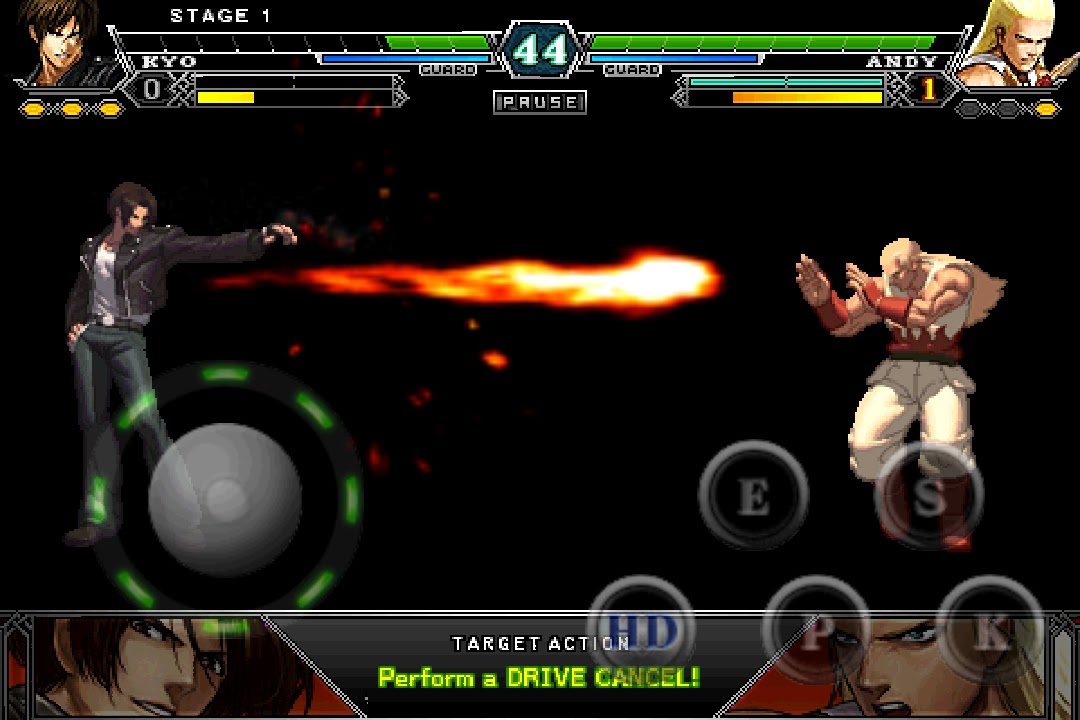
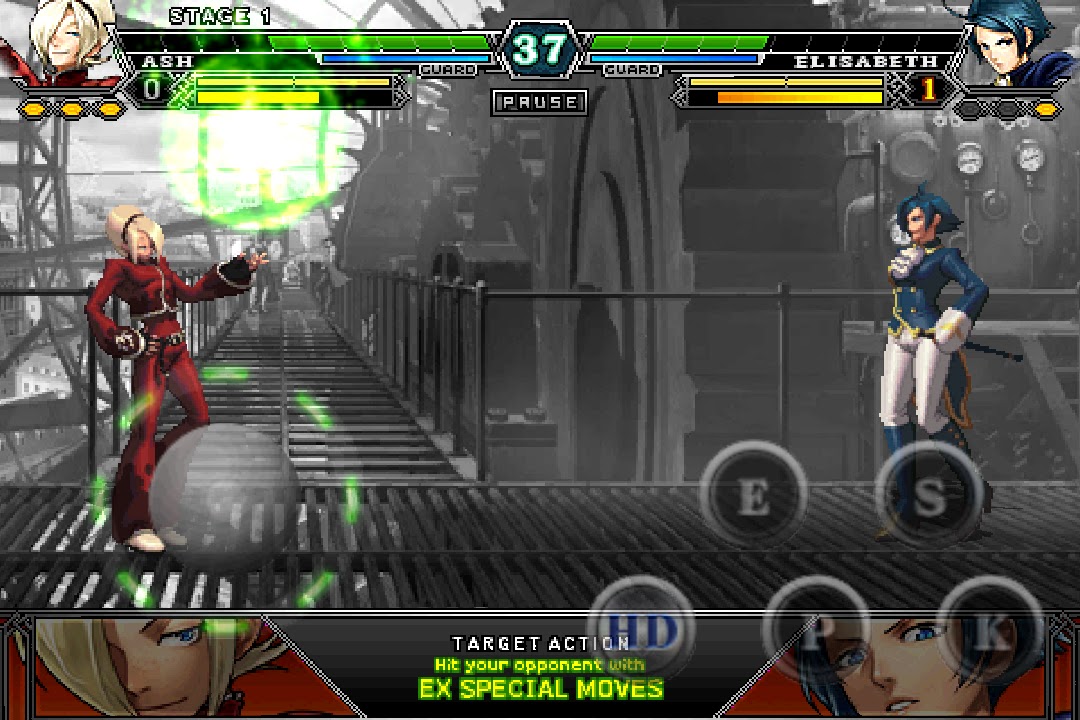
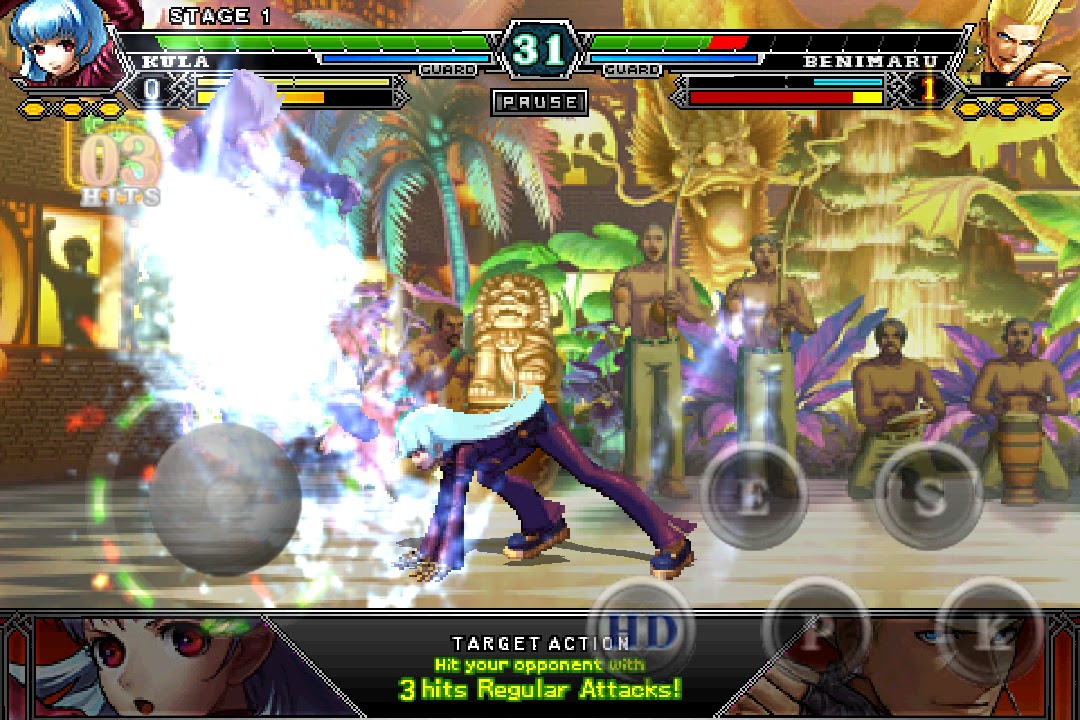

Look for THE KING OF FIGHTERS-A 2012(F) on Android and THE KING OF FIGHTERS-i 2012 on iPhone. Use Training to get comfortable with directional inputs and attack buttons, then move to Challenge for specific objectives. Start with a normal attack into a special move. A short sequence you can land reliably is more useful in a match than a long one you can only finish in practice.
6. Vita Fighters — traditional buttons on a touchscreen
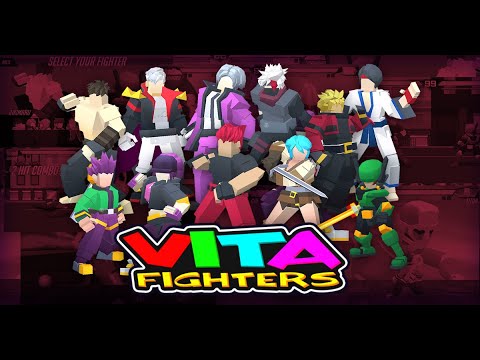
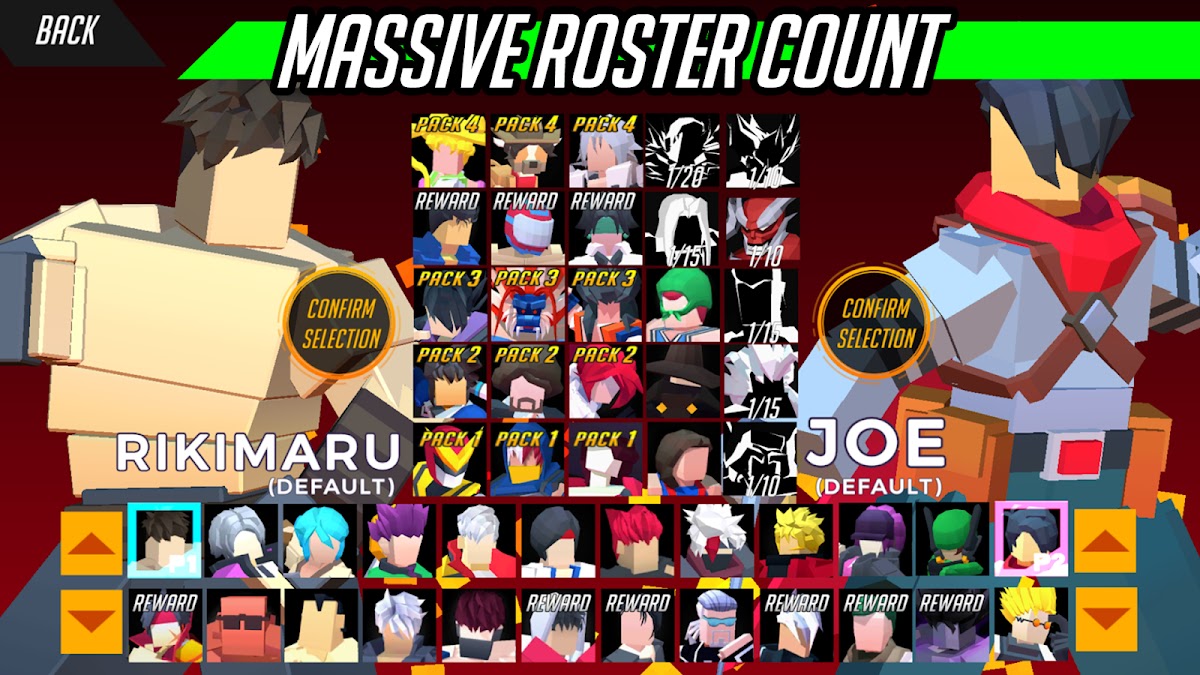
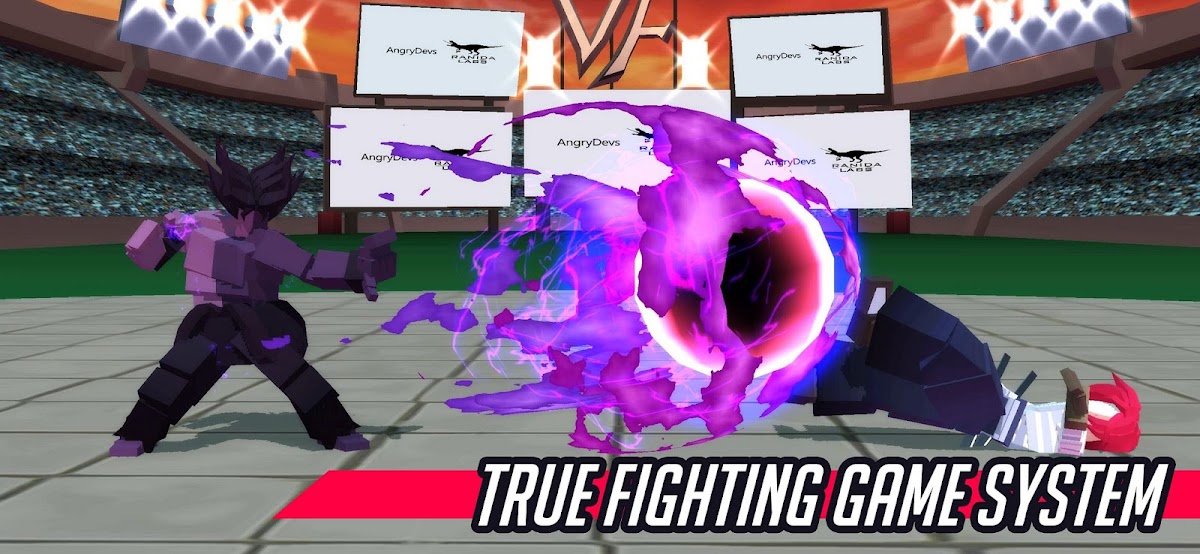
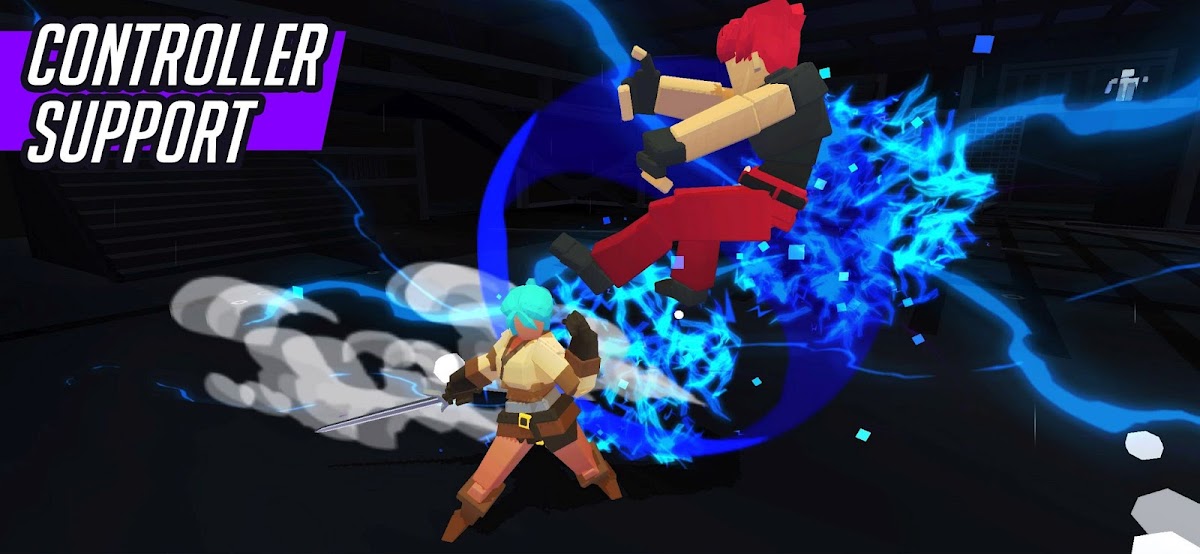
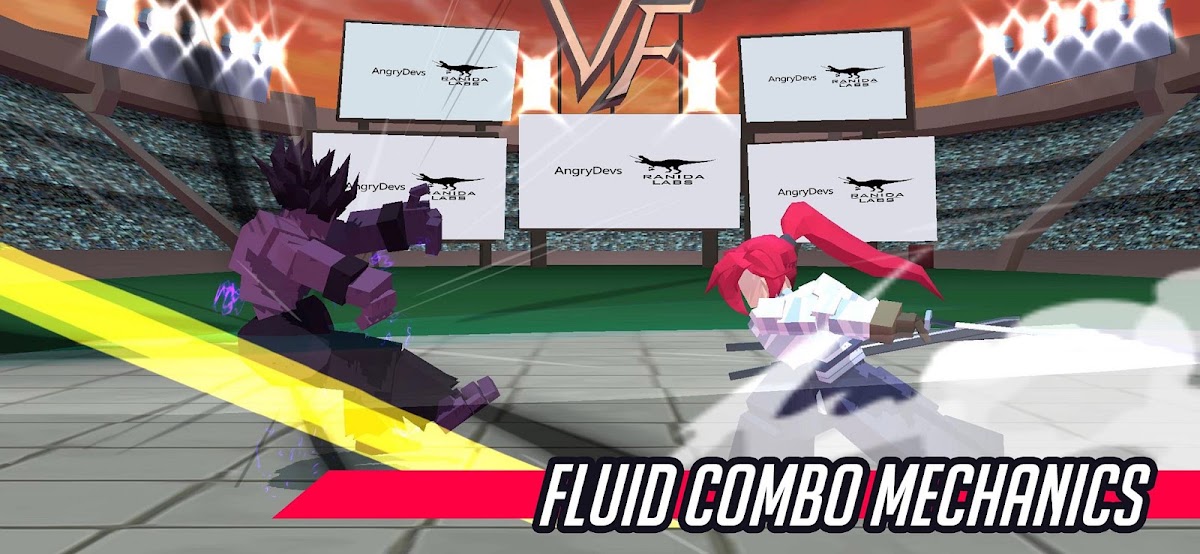
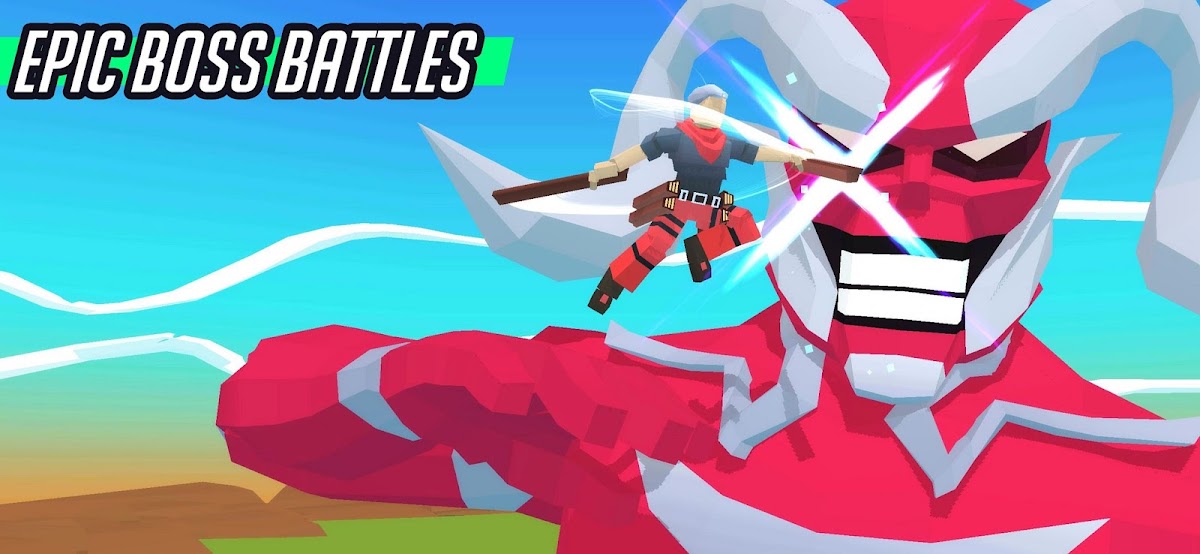
Vita Fighters uses attack buttons and also supports controllers. In Training, pick a character and repeat a special move from both sides of the screen. Then add a normal attack before it and check whether the timing changes. It’s a good choice if you prefer a traditional fighting-game layout and want to practice the same inputs on touch controls or a gamepad.
7. Flash Party — aerial follow-ups in a platform fighter

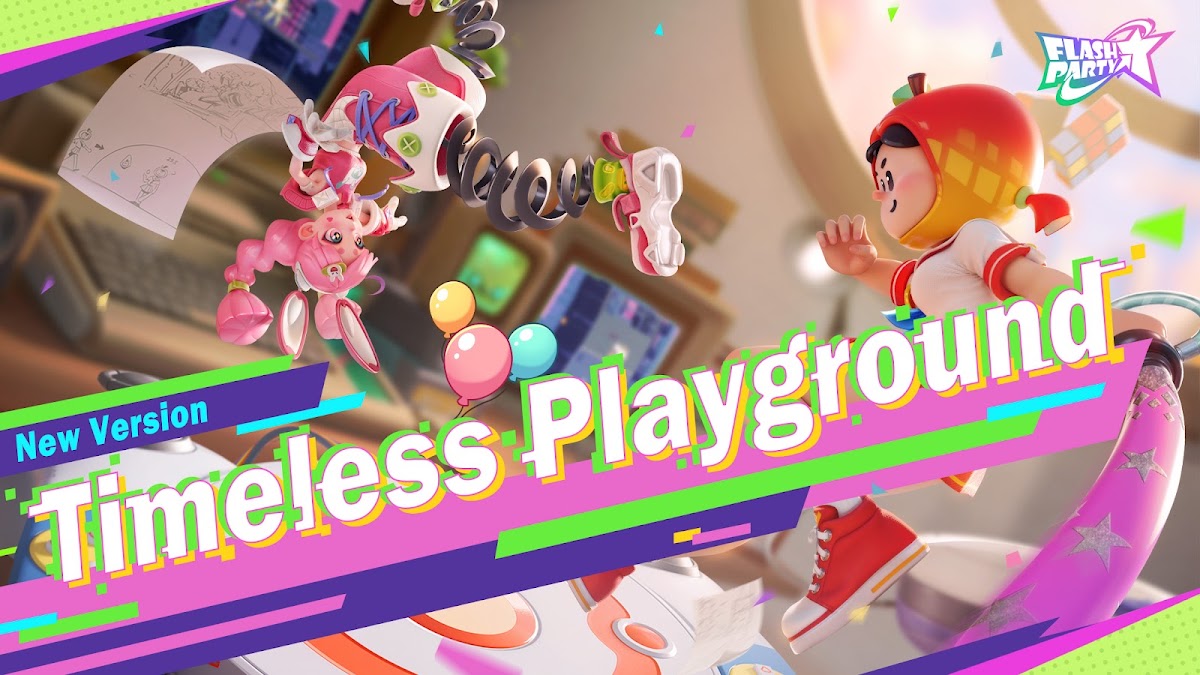
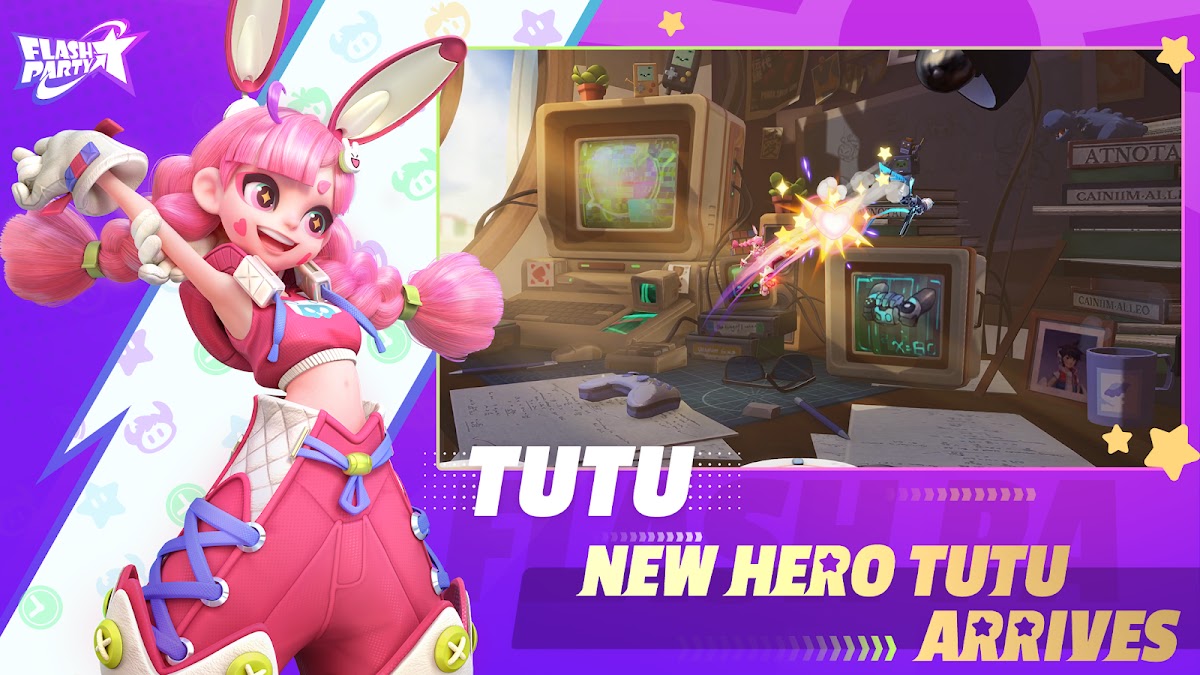
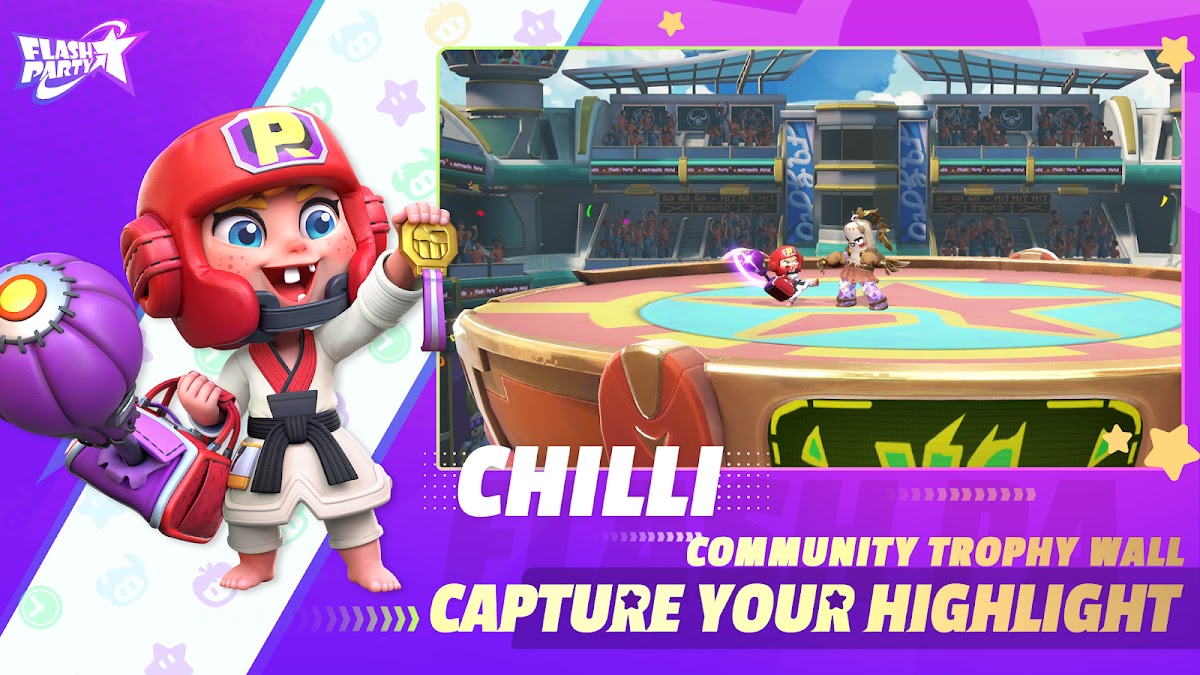
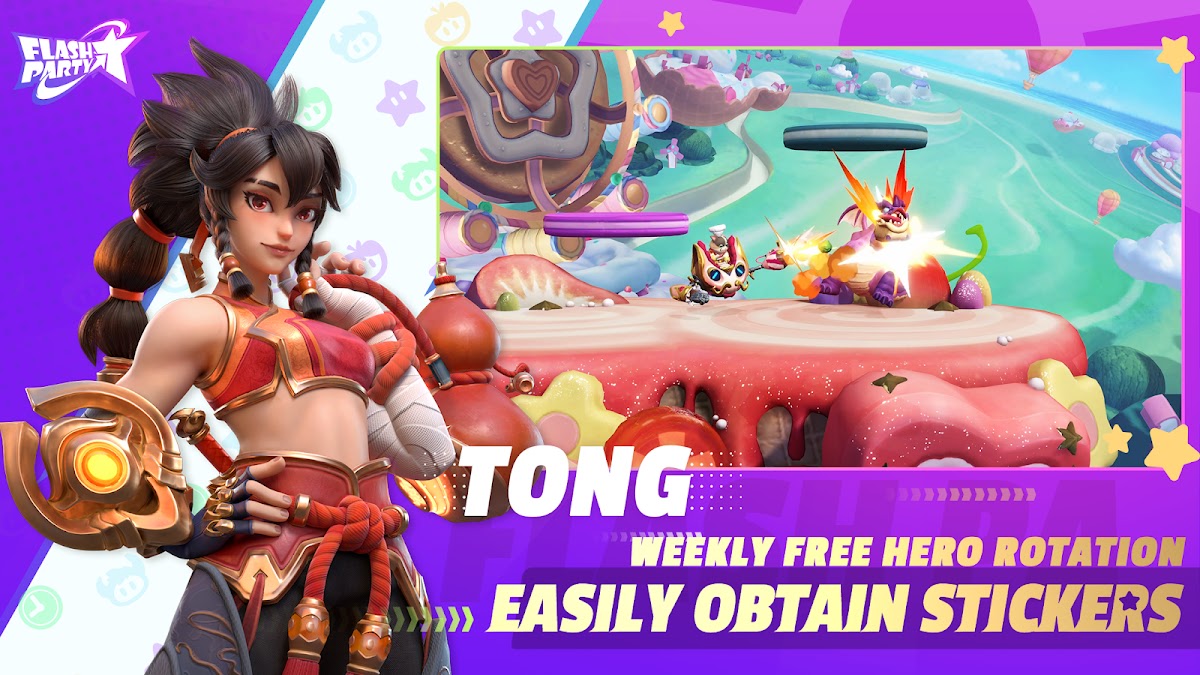
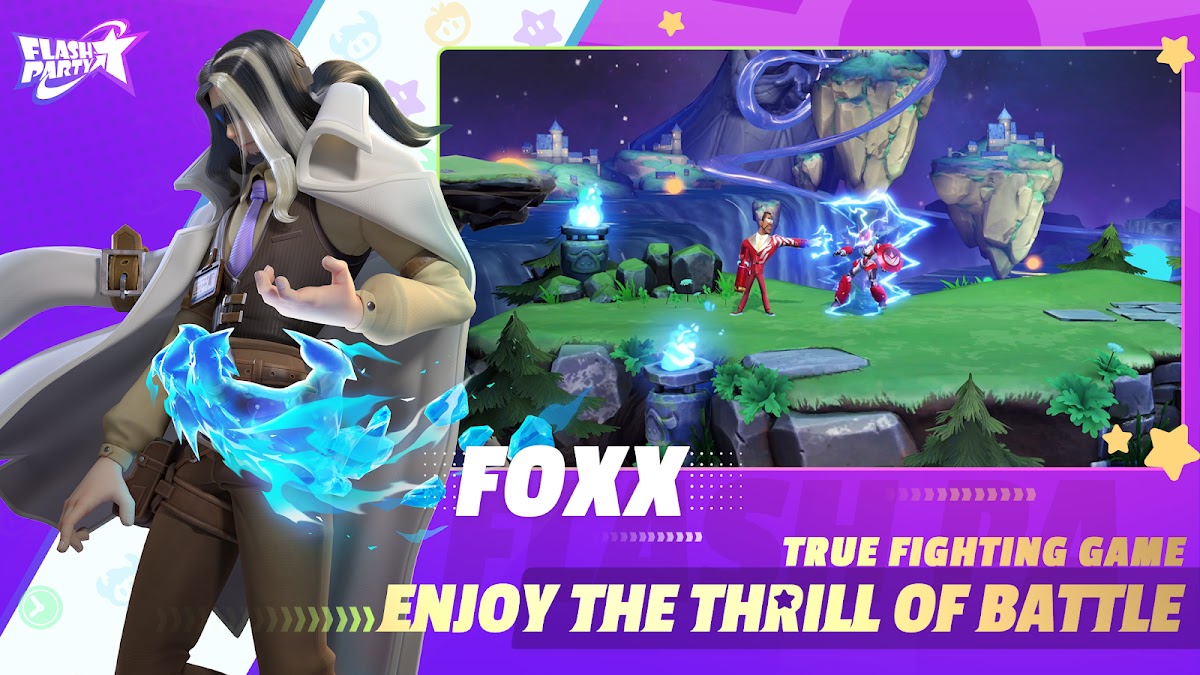

Use the training area to see how a fighter launches opponents and which aerial attacks reach them afterward. Try the same sequence at different damage levels to see how far the opponent travels. Flash Party suits players who want to practice launches, air movement, and follow-ups near the edge of a platform.
8. The Clash of Fighters: RI — straightforward move practice
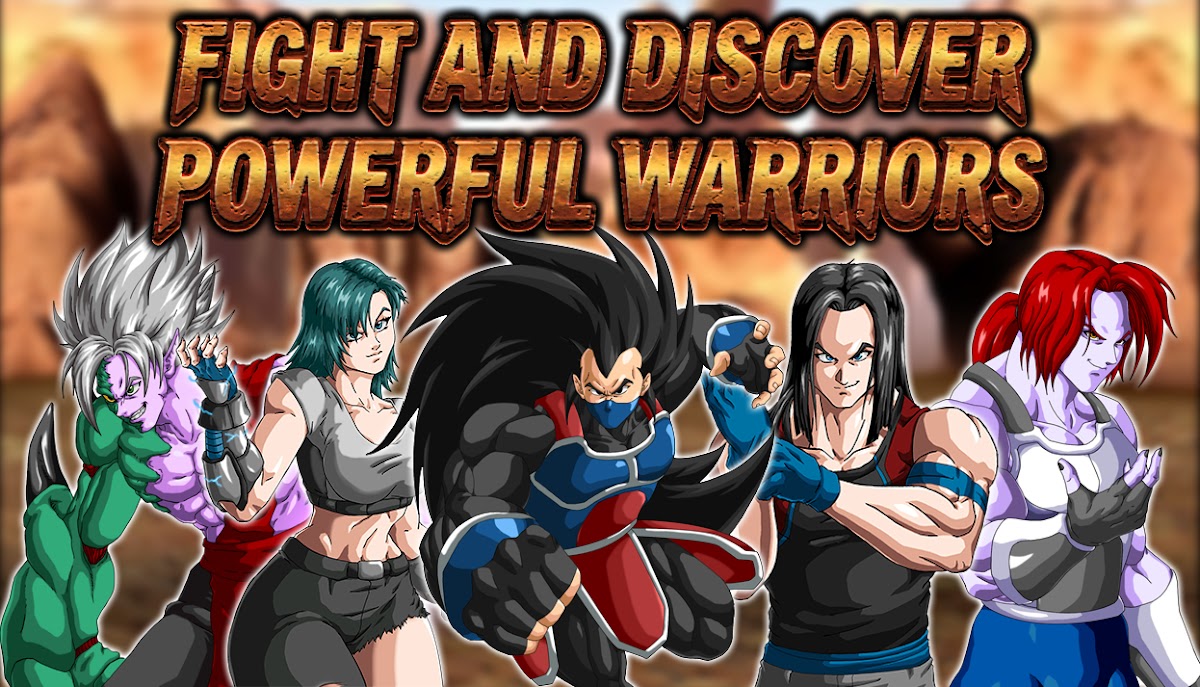
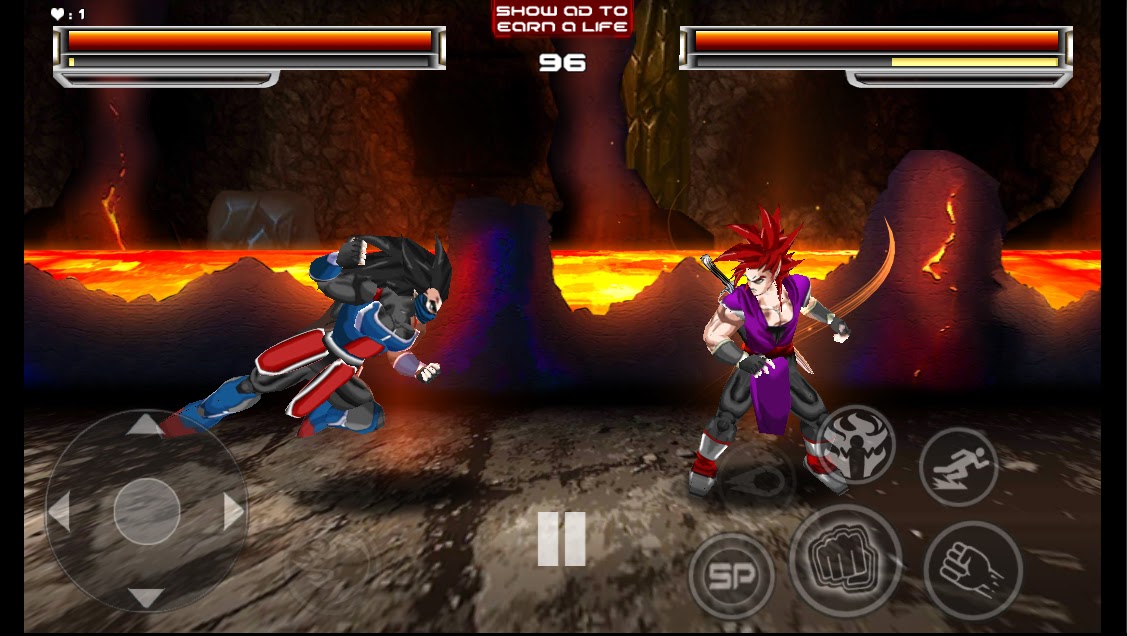
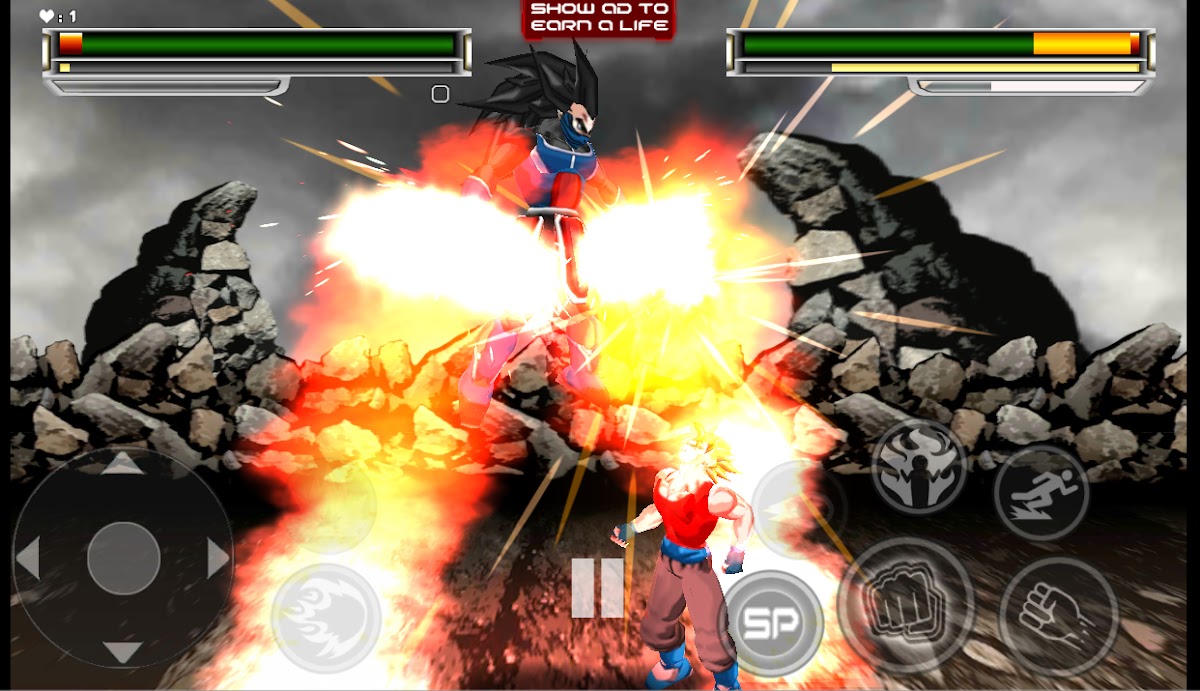
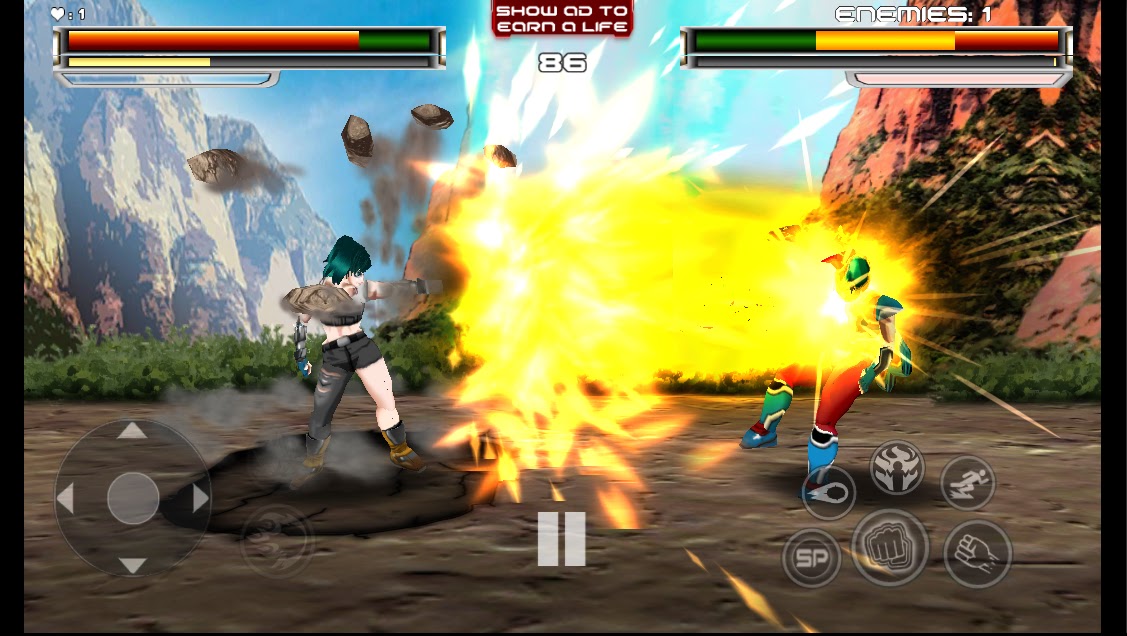
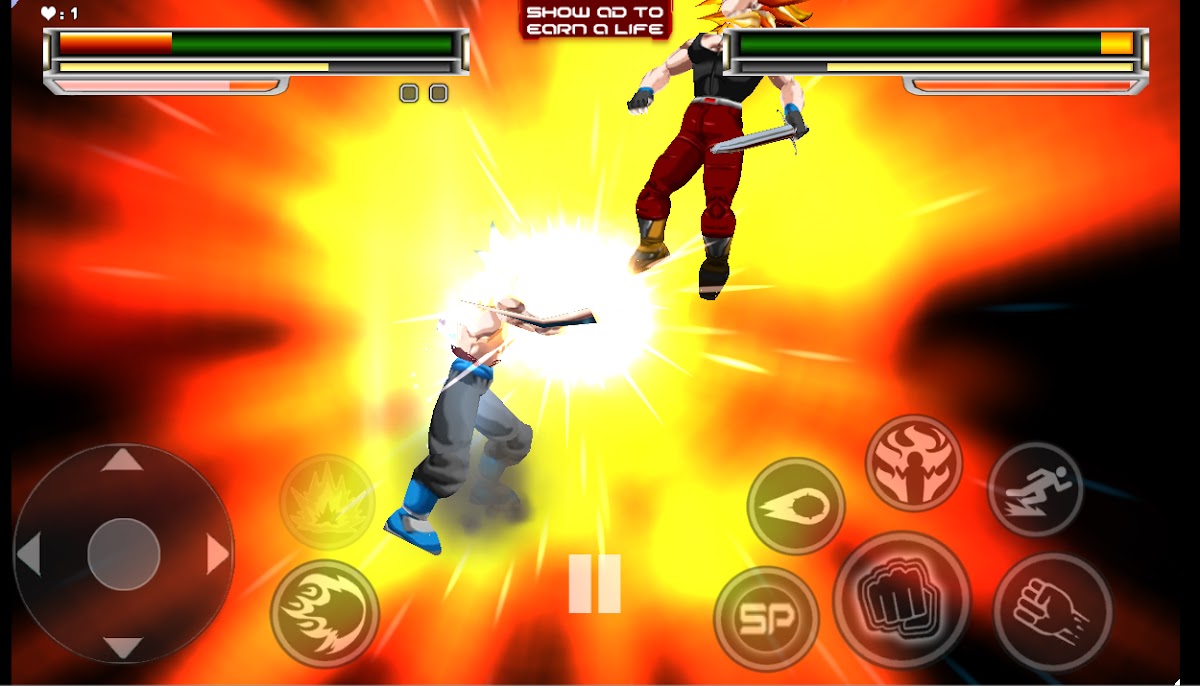
The Android edition has a Practice Mode for repeating normal attacks, specials, and combos. Pick one special and repeat it until the input feels consistent. Then see which normal attack can lead into it. Choose this if you want a simple place to drill moves before testing them in a fight.
9. Power Rangers: Legacy Wars — combos built around energy
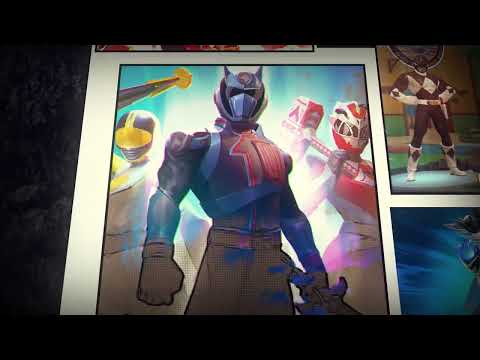
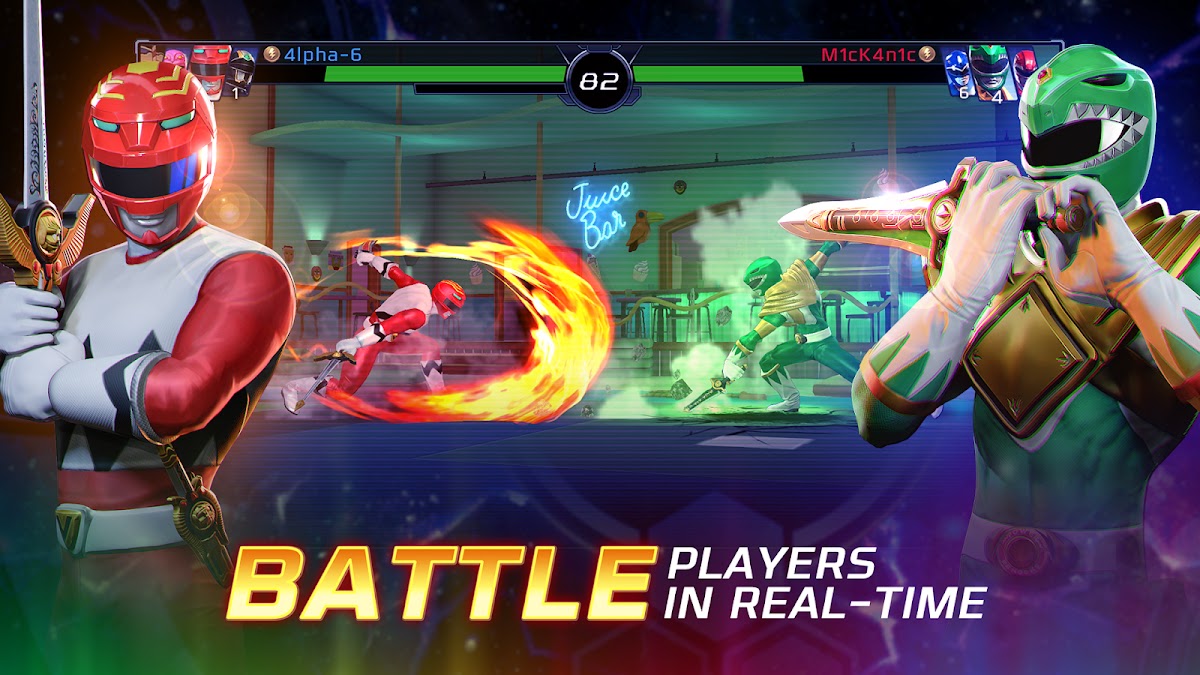
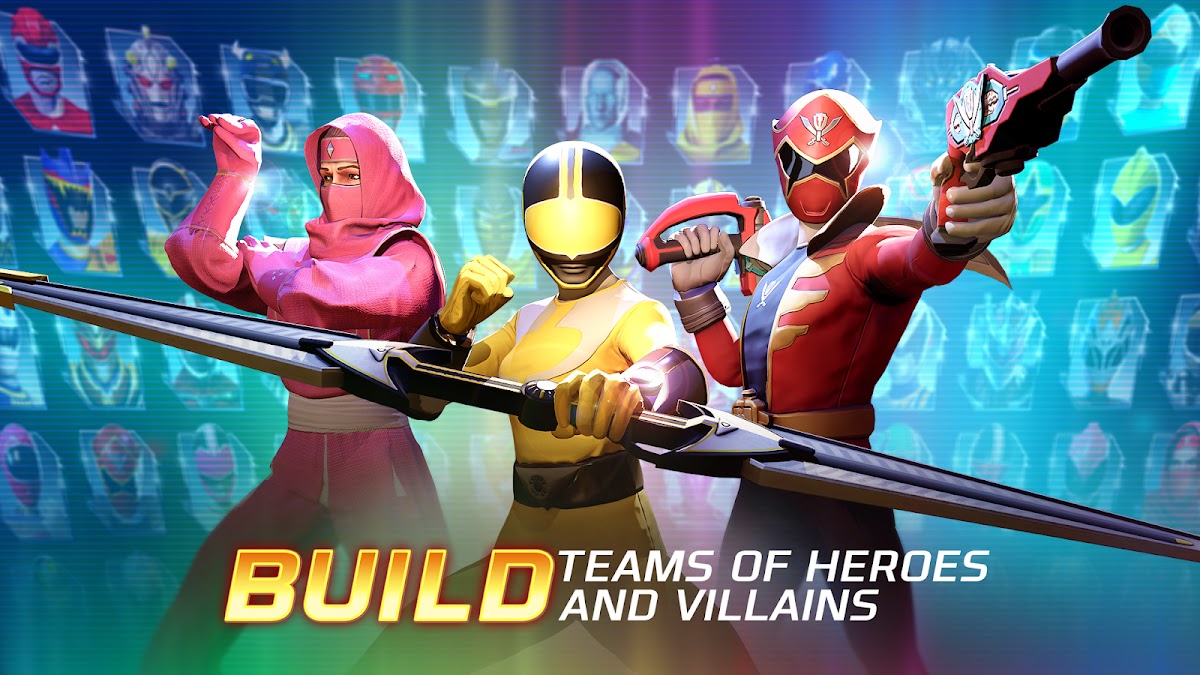
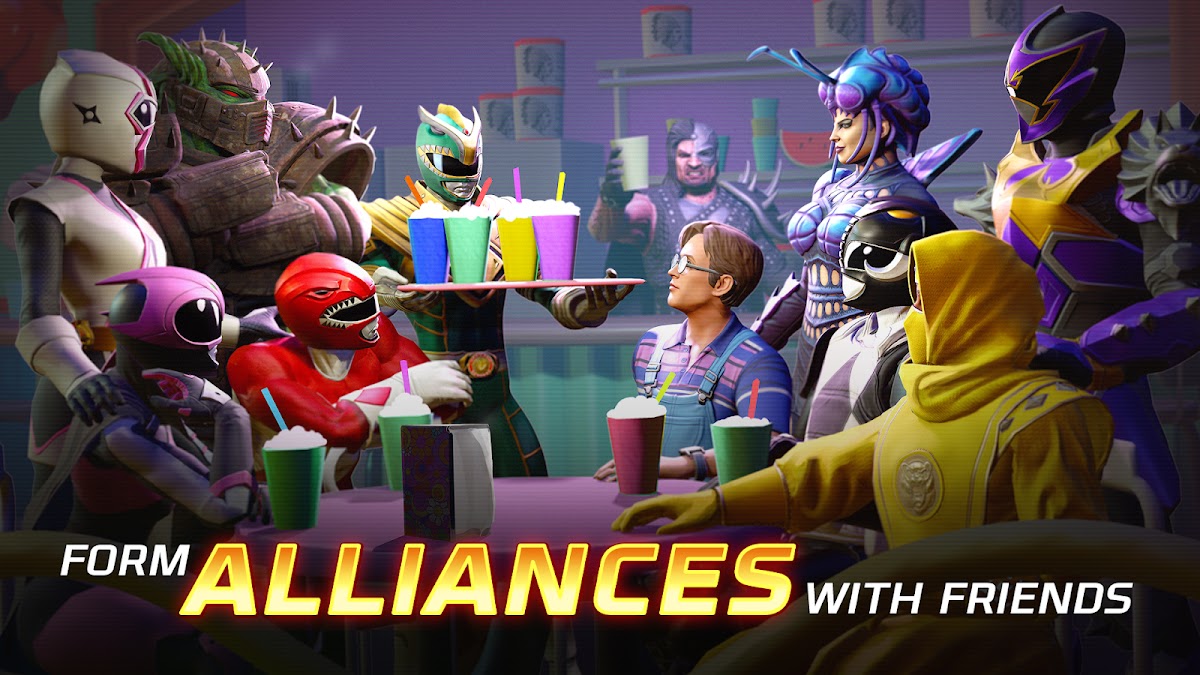
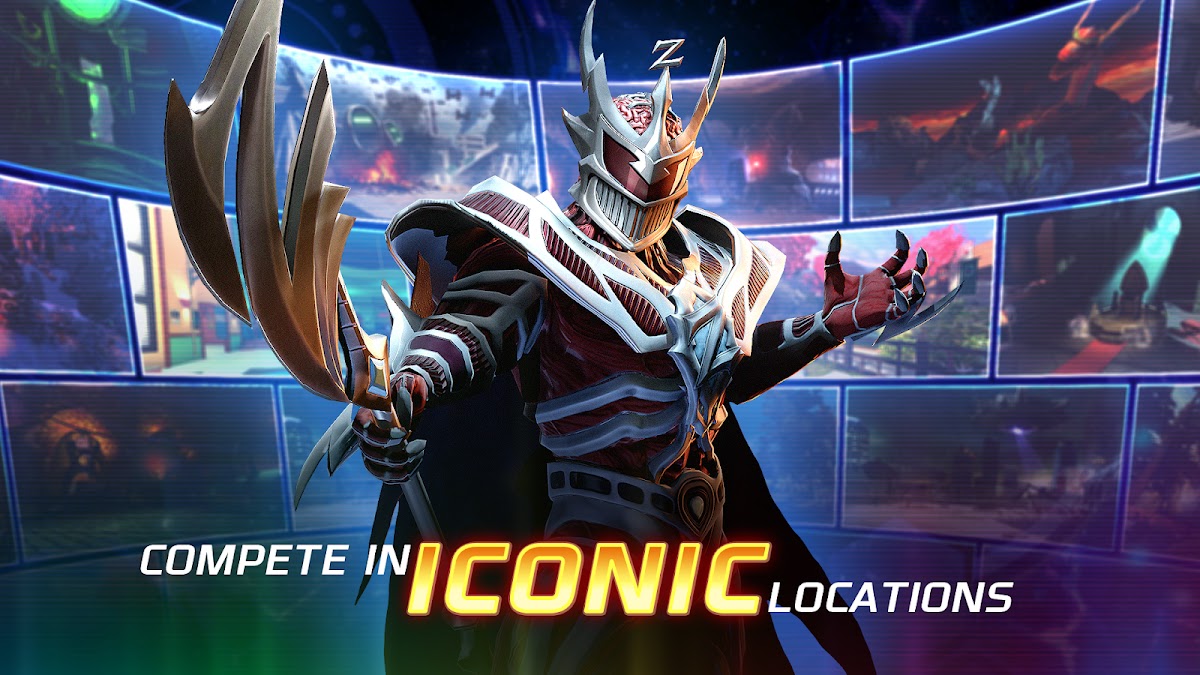
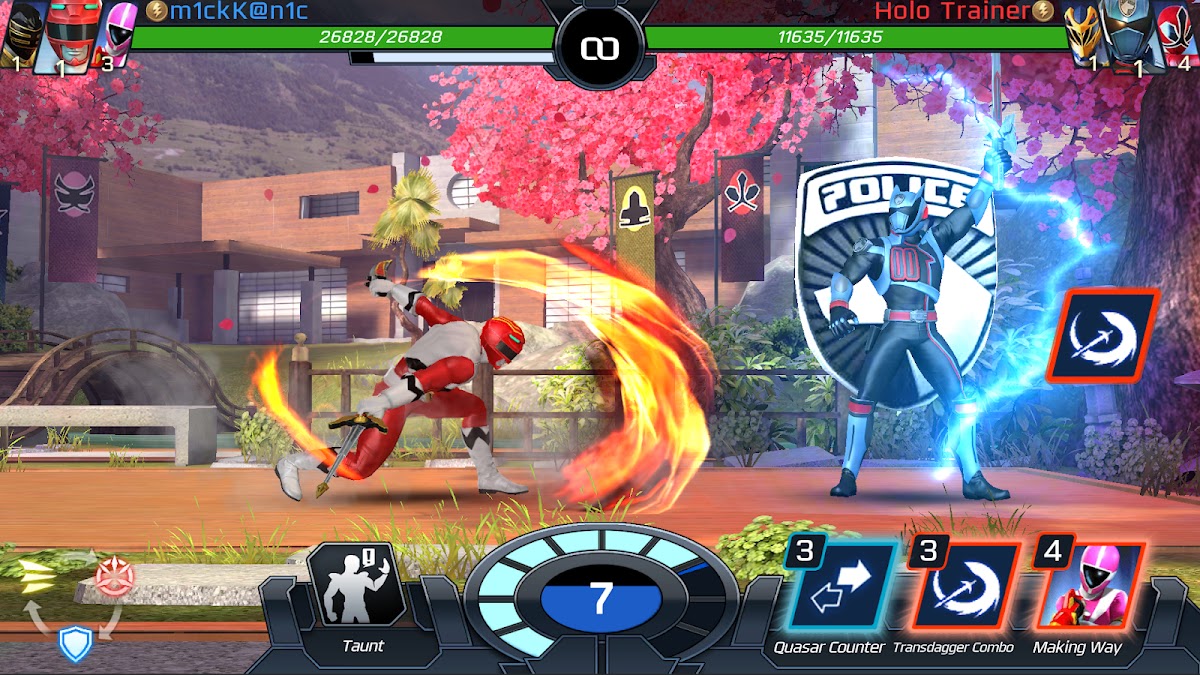
Practice linking abilities while watching their energy costs. Start with one attack and check which follow-up you can afford immediately. The main skill is deciding when to commit to the second move and when to save energy. It’s a different kind of combo practice from entering directional commands on a virtual pad.
10. MMA – Fighting Clash 23 — striking and grappling practice

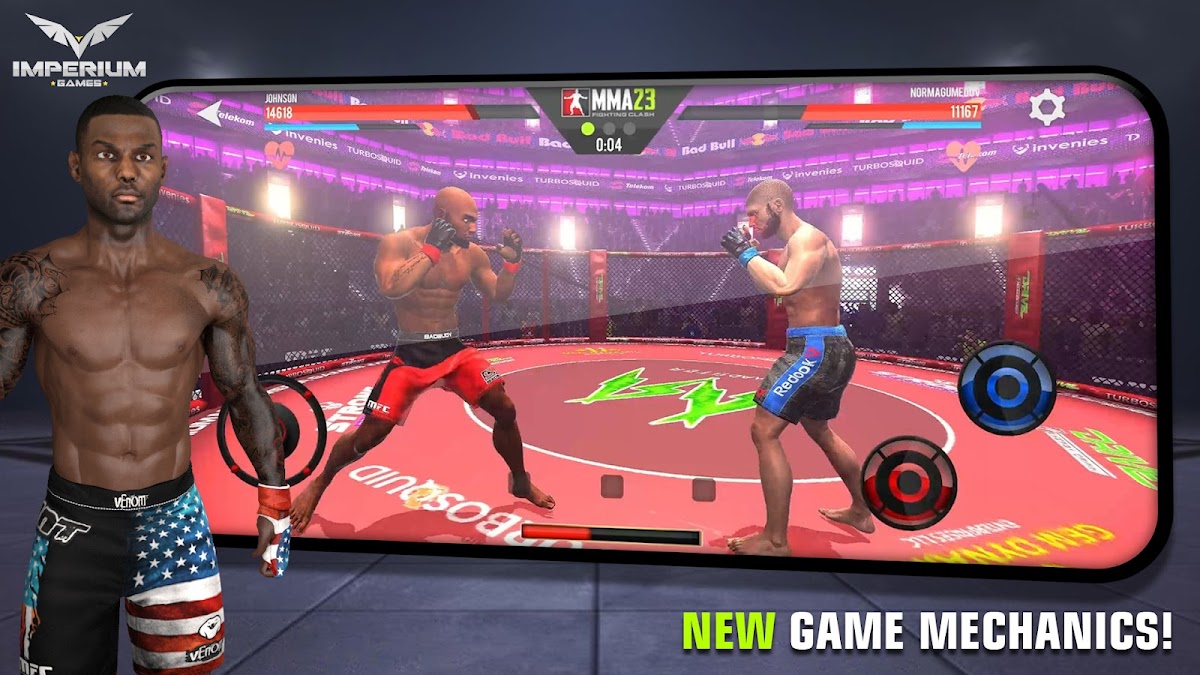
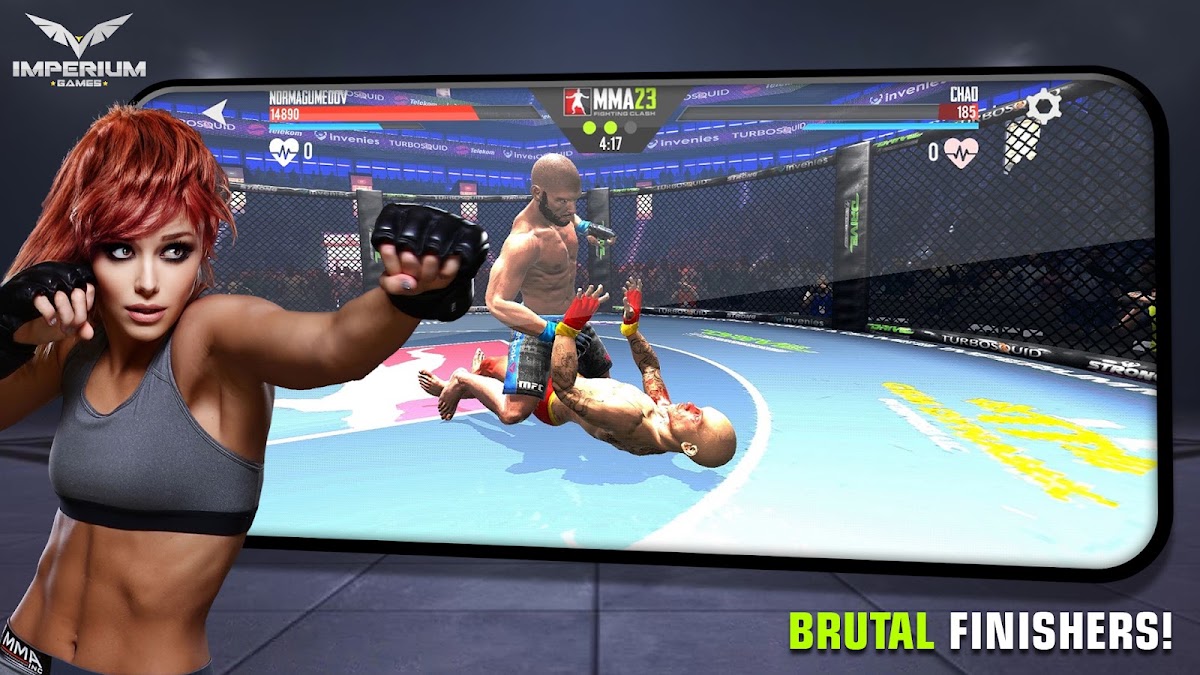
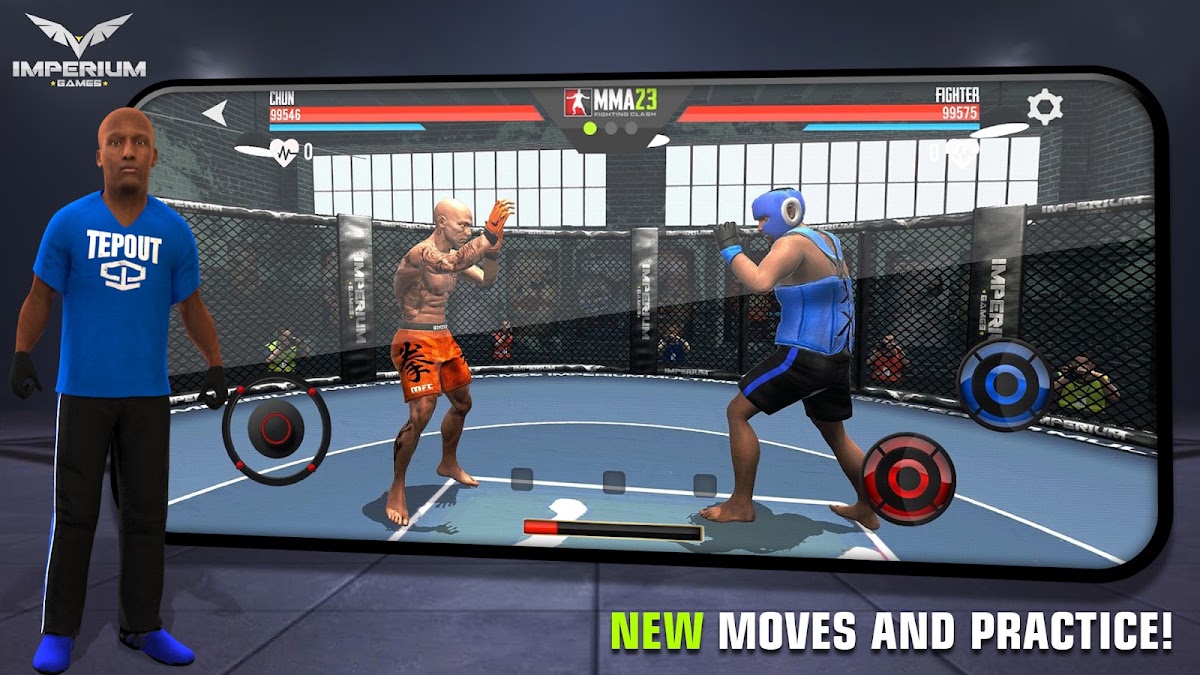
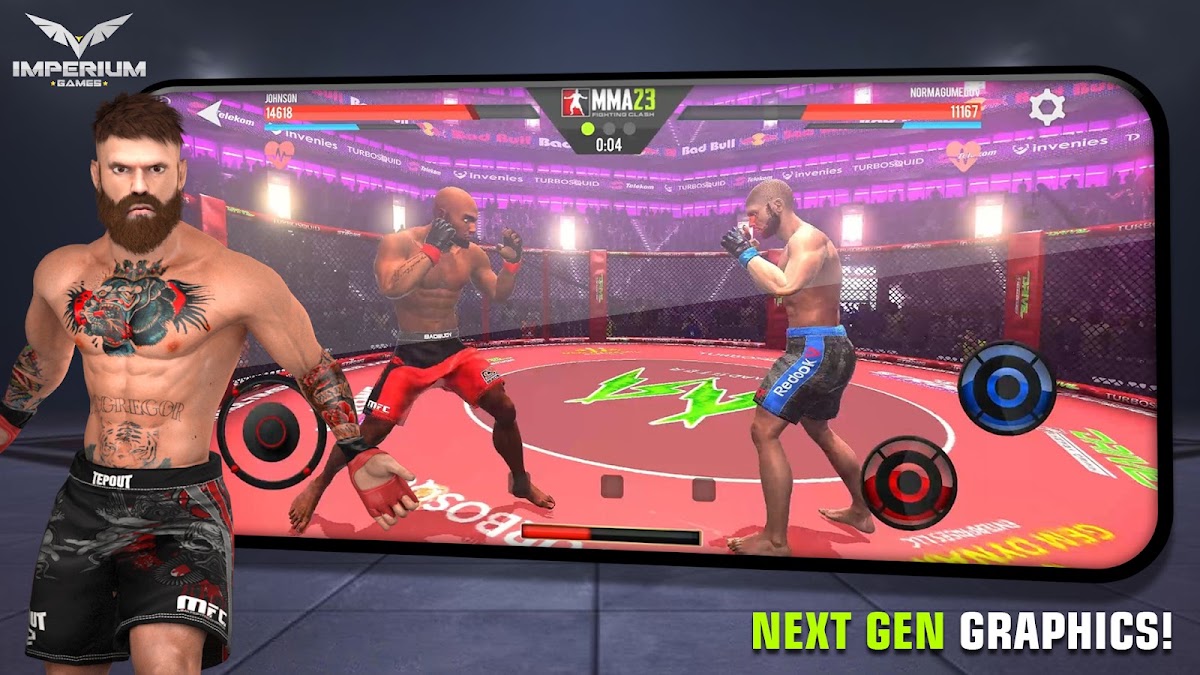
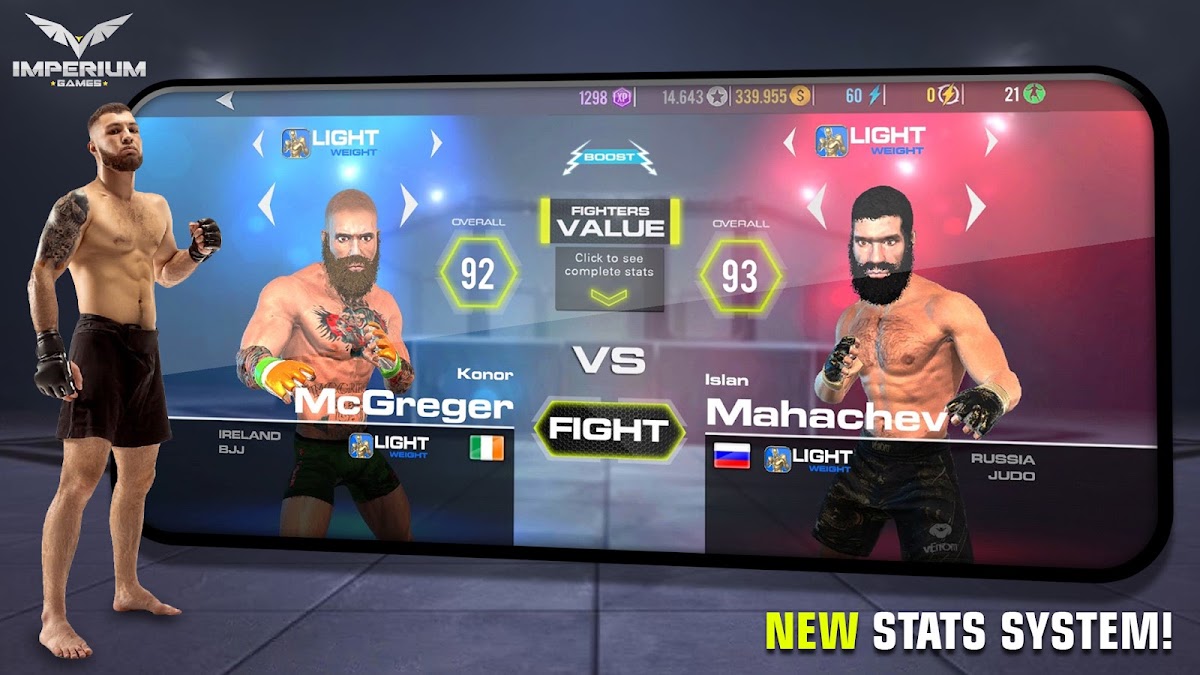

The Android edition includes a dedicated Practice Mode. Use it to get comfortable with stand-up attacks before working through takedown and ground-fighting controls. Pick this if you want to practice switching between ranges in a sports fighting game.
11. Dragon Ball Legends — combo timing with Trunks
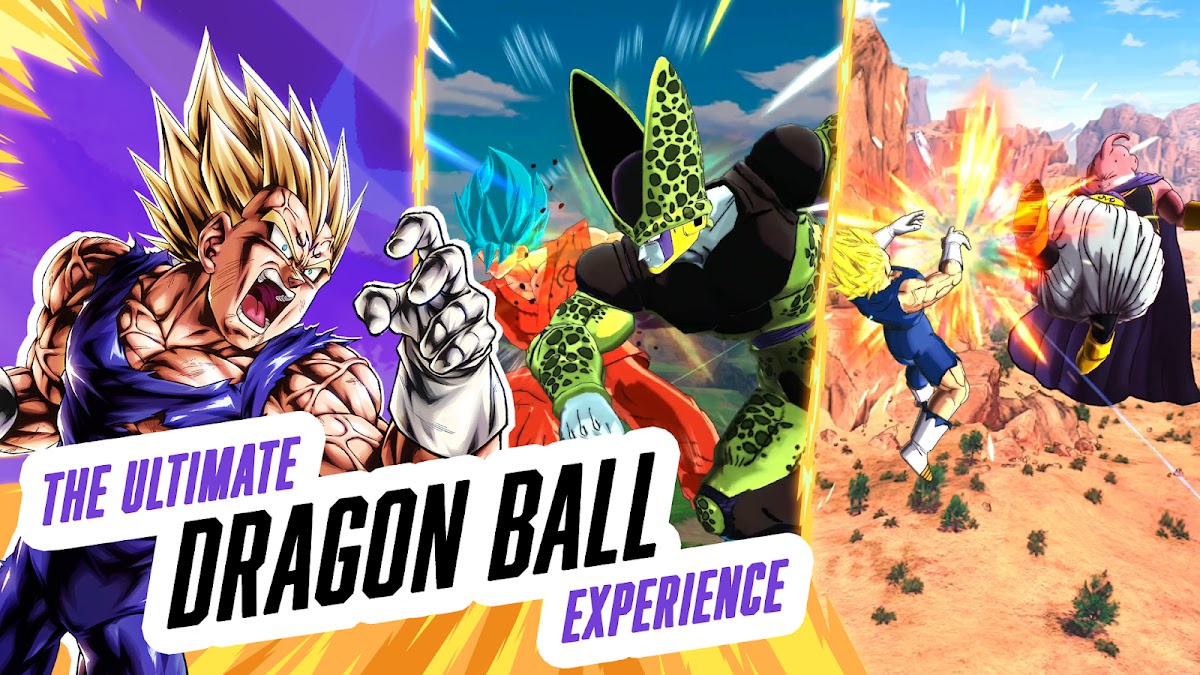
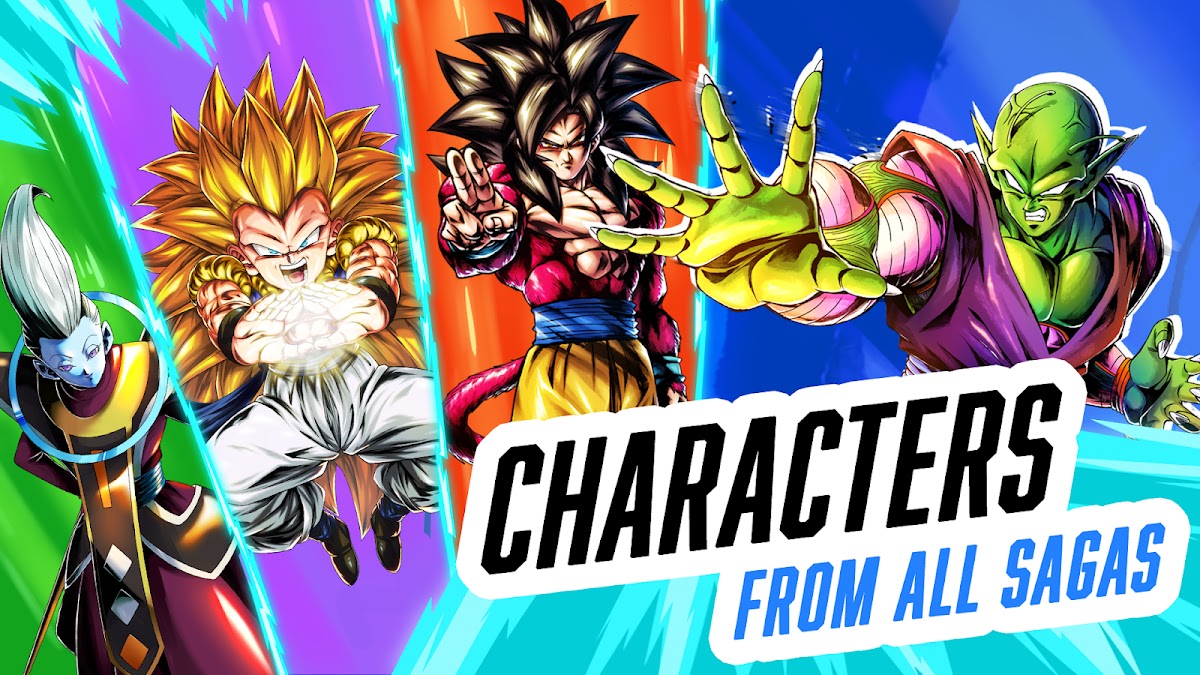
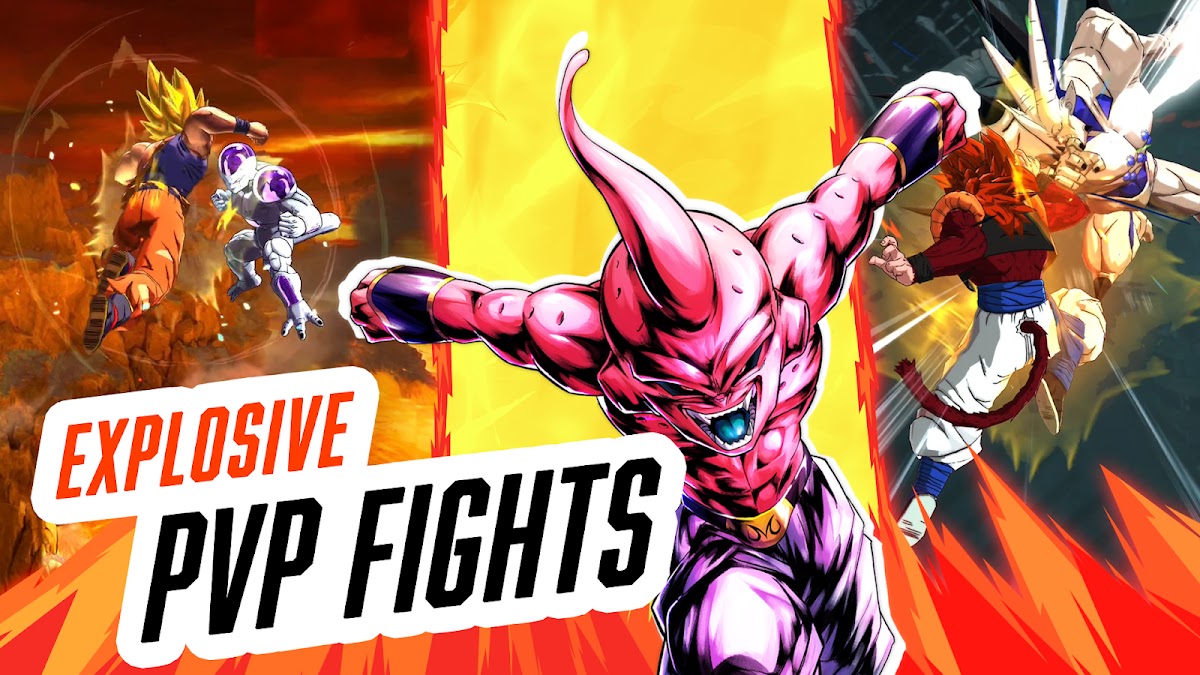
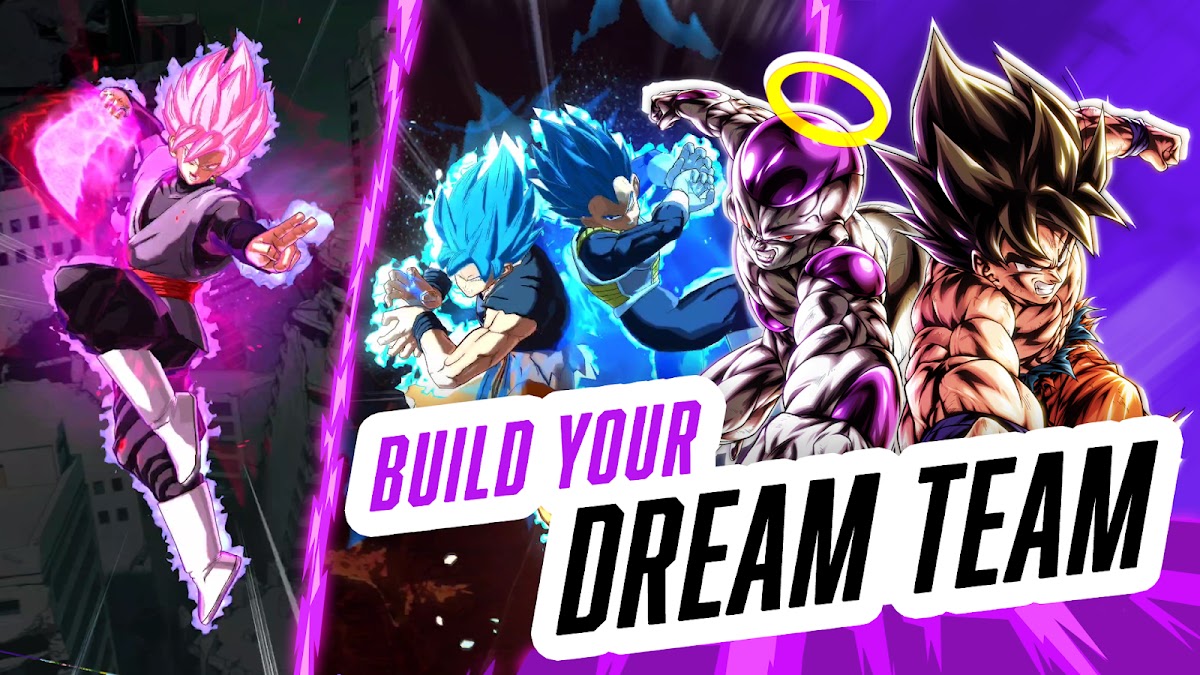


The Learn With Trunks! lessons cover combo timing, character switches, and techniques such as Rising Rush. The controls revolve around Arts Cards. What you practice is when to use the next card, move, or switch characters to keep a sequence going. The guided lessons are useful preparation for PvP.
12. Shadow Fight 2 — weapon range and timing in the dojo
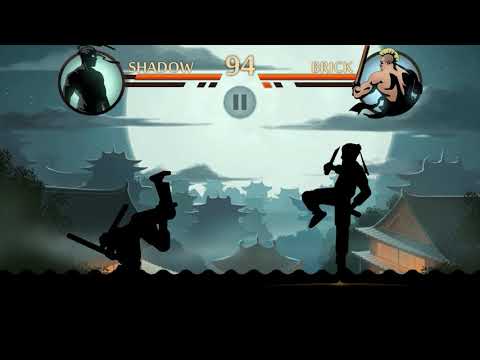
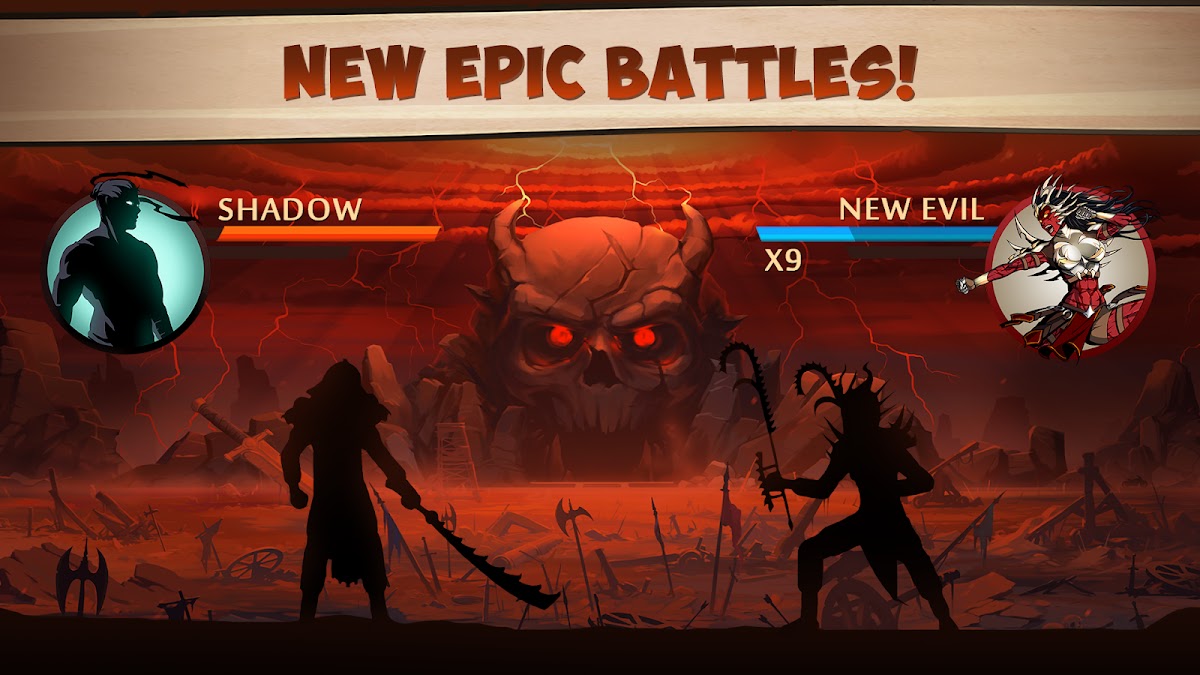
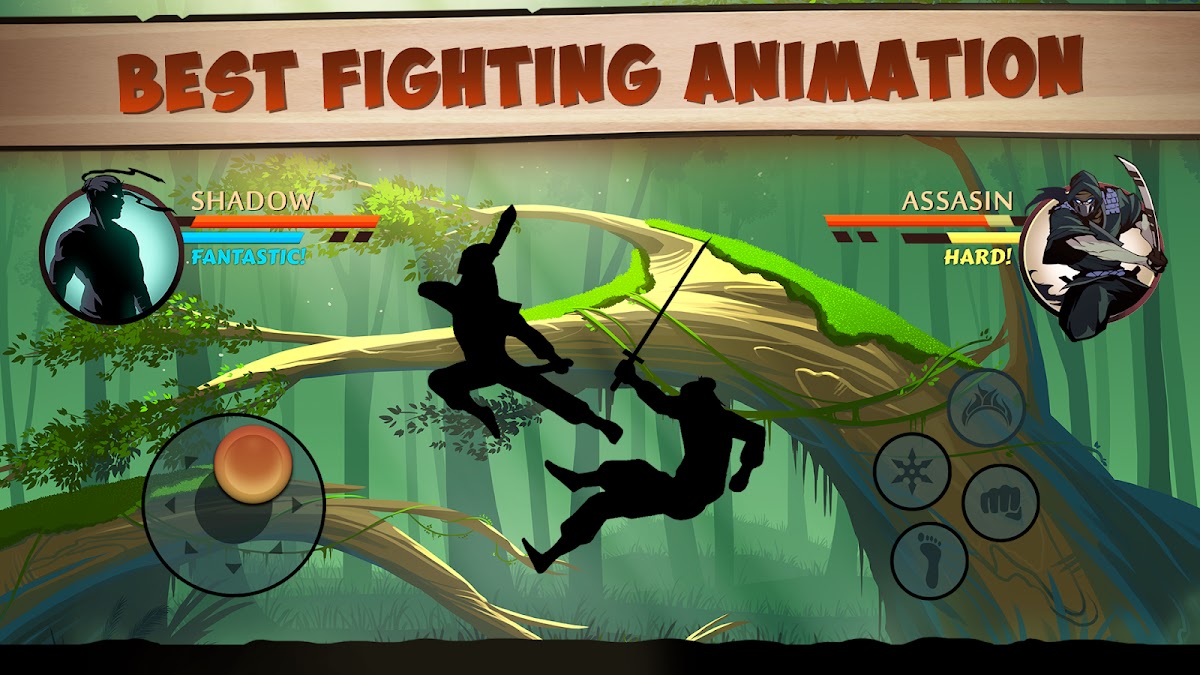
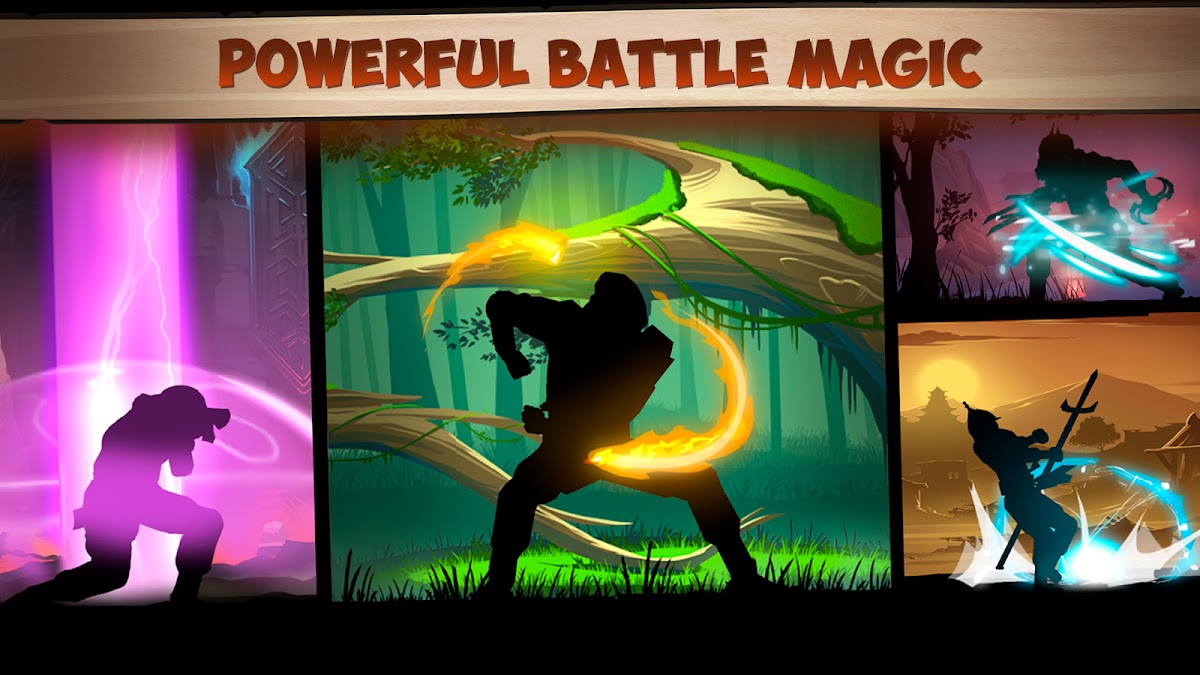
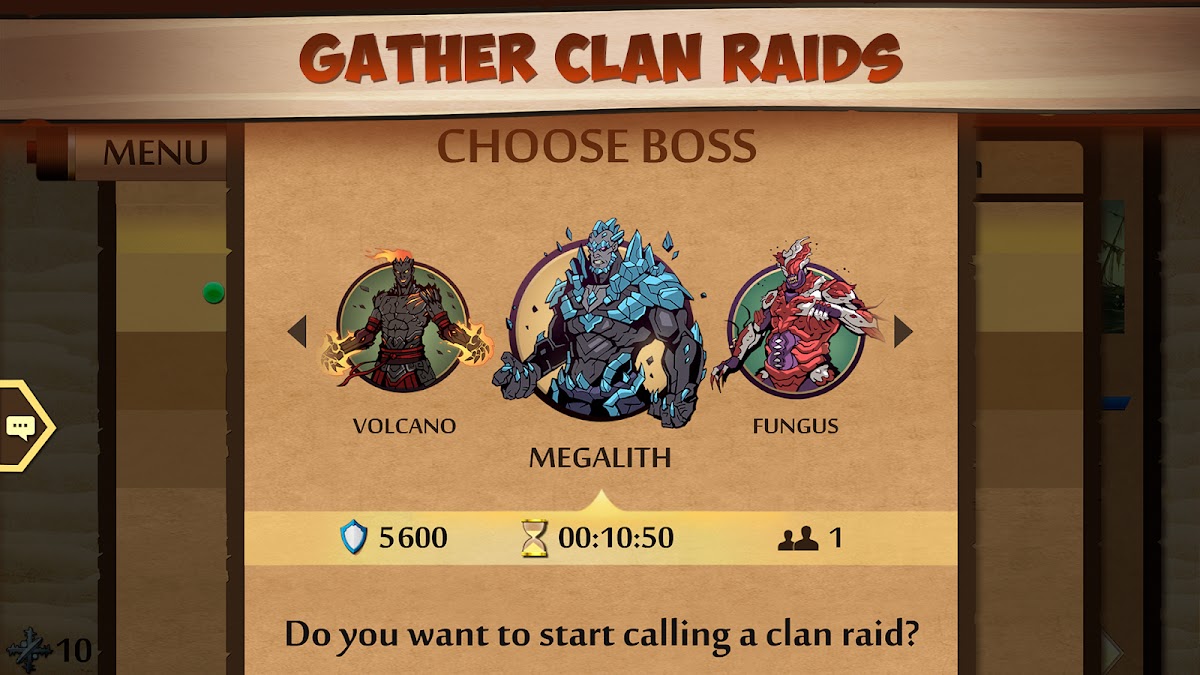
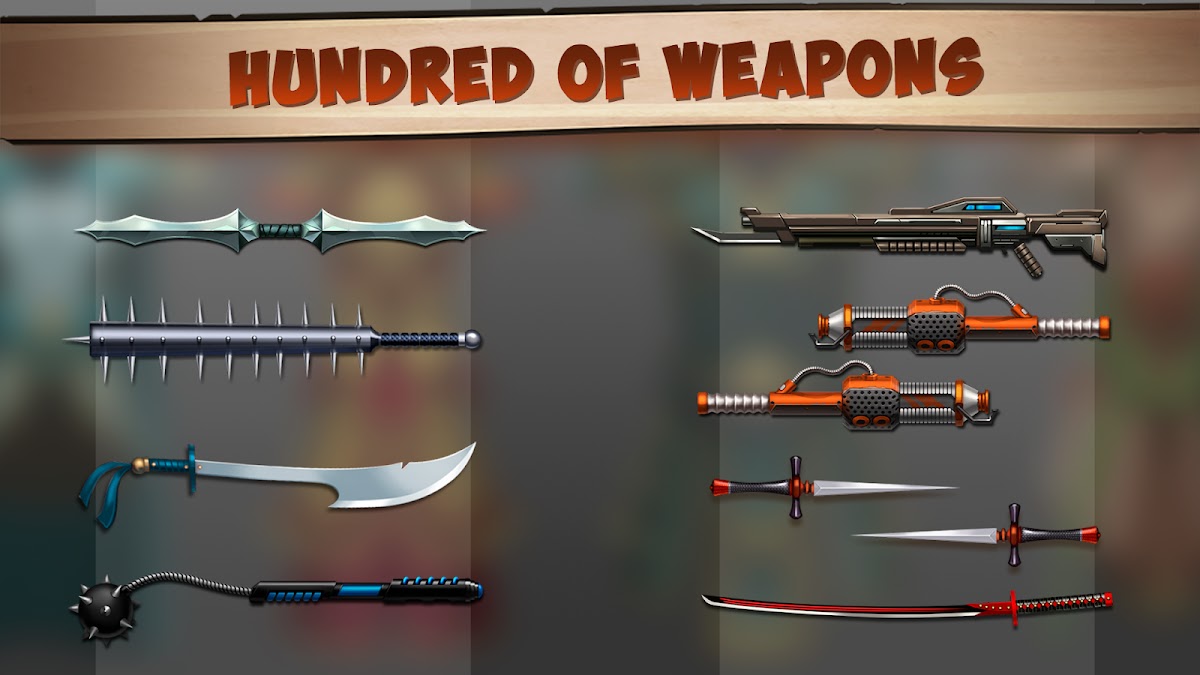
Use the dojo to get a feel for how an attack changes with your direction and weapon. Repeat the same strike from different distances before returning to story fights. This is a good fit if you want to learn how far a weapon reaches and how much time a slower swing takes.
13. Real Boxing — gym drills and manual punches
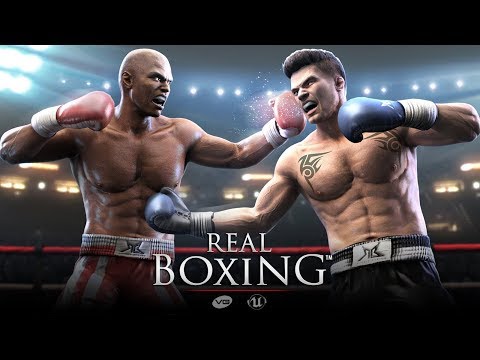
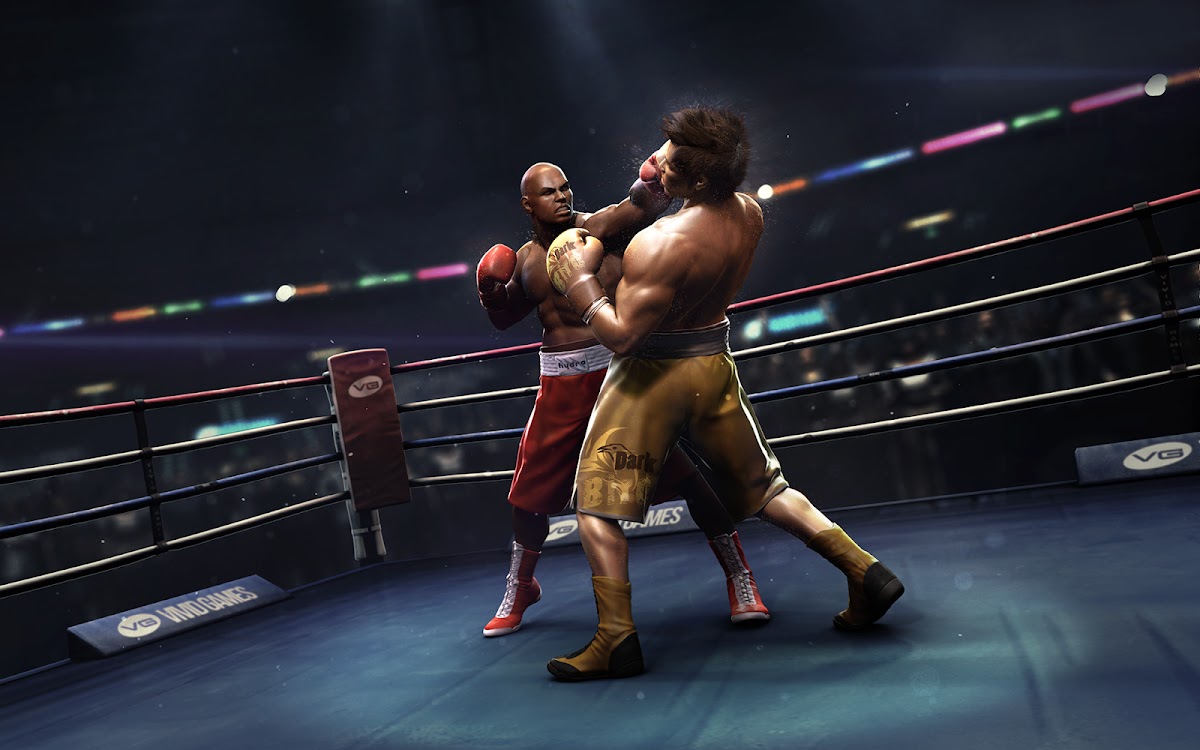

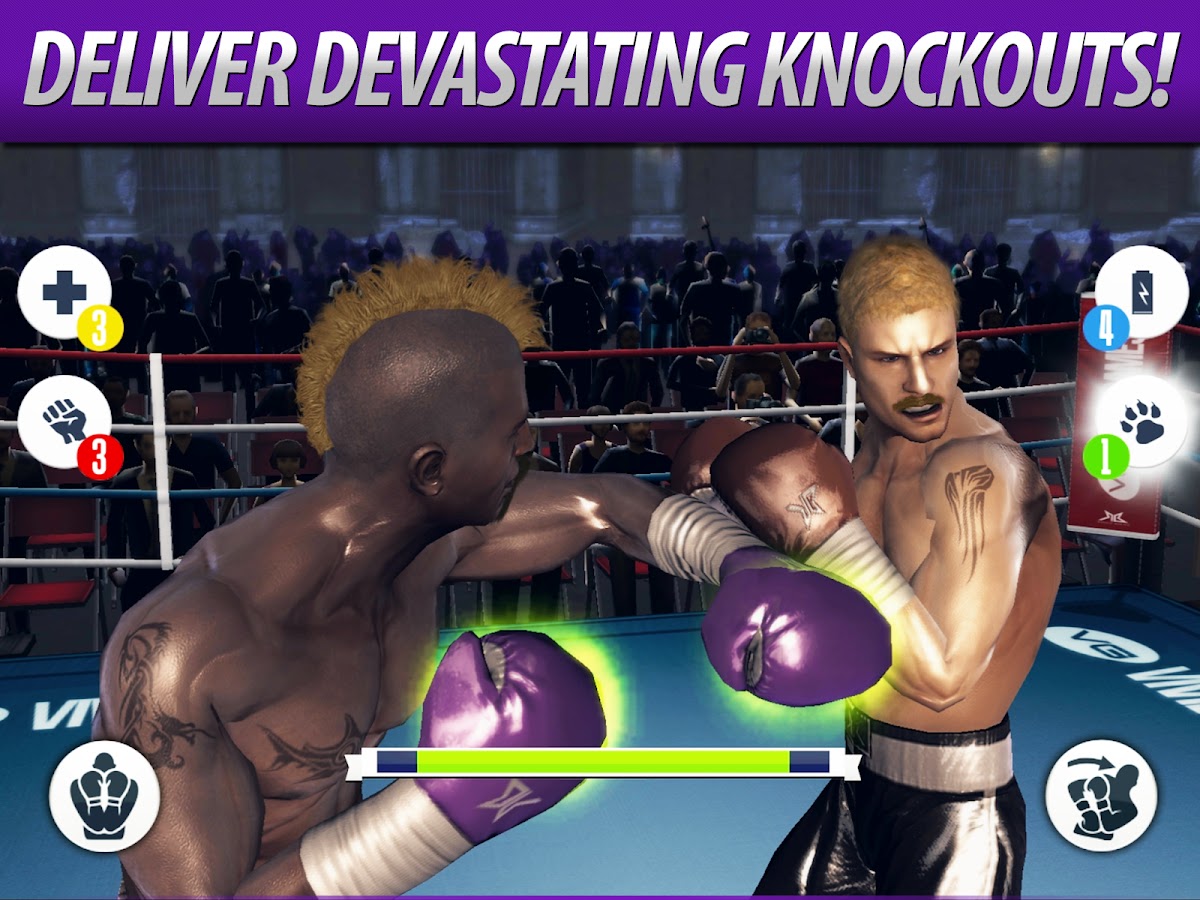
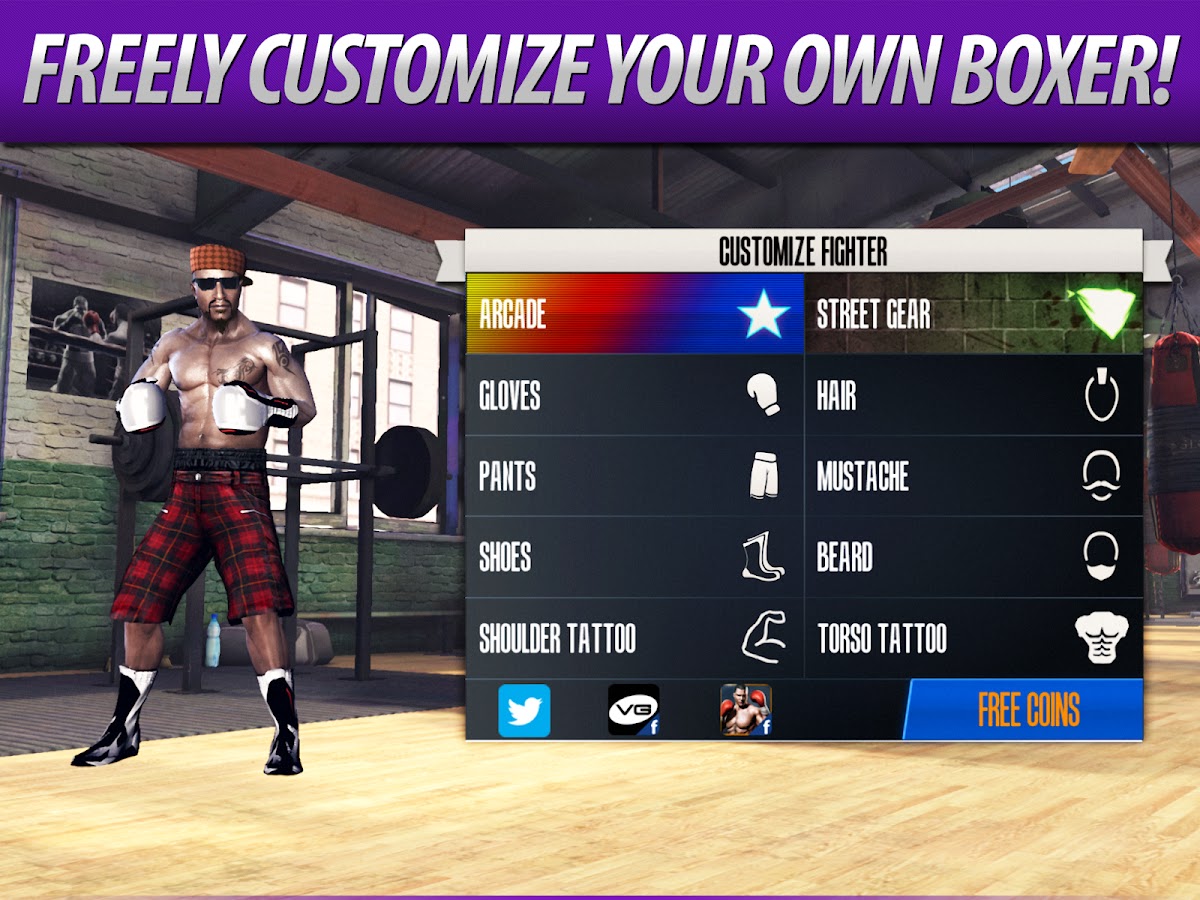
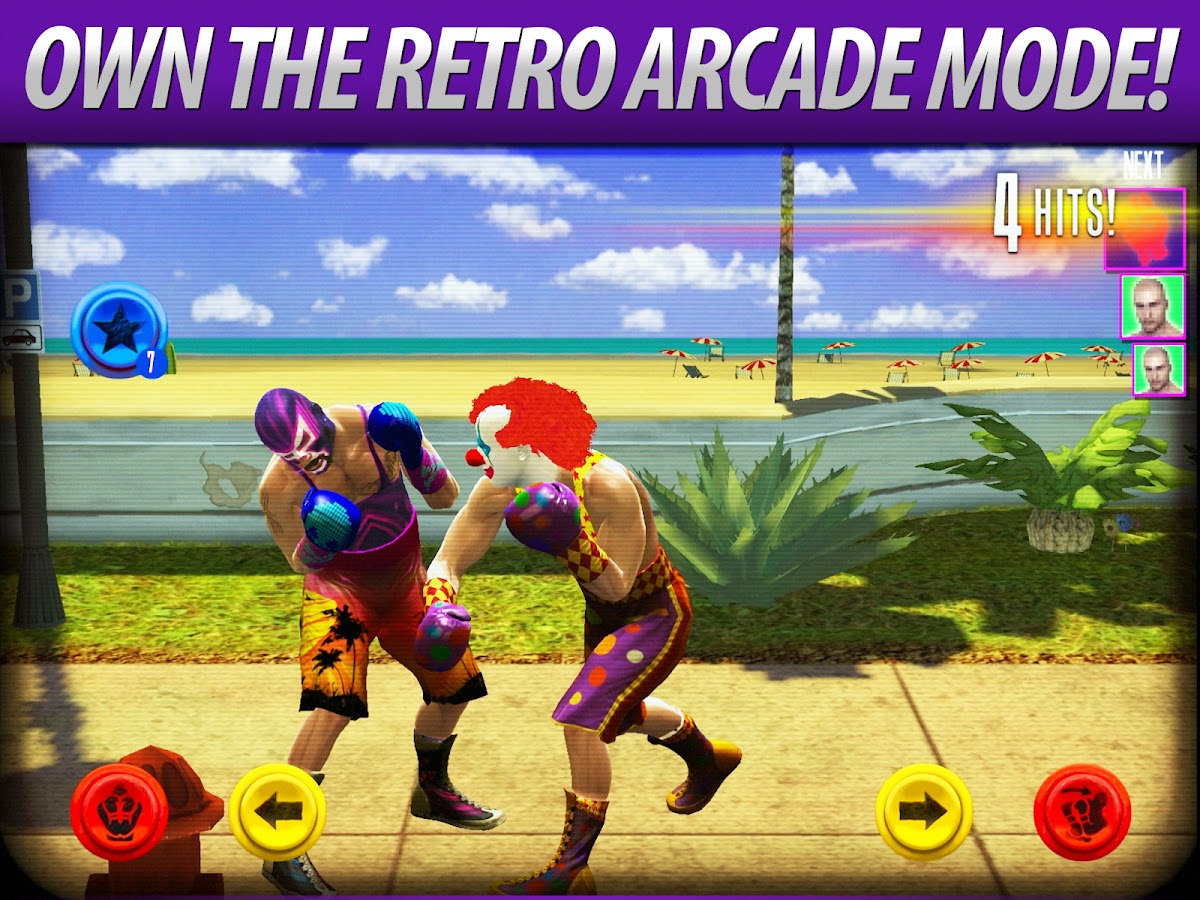

The gym offers a punching bag, a speed bag, and a jump rope. These exercises build attributes such as strength, speed, and stamina. In the ring, practice a short punch combination and pay attention to when you can defend again. The gym is for drills and stat gains, while bouts are where you test combinations against an opponent.
14. Real Boxing 2 — gym minigames and combinations in the ring
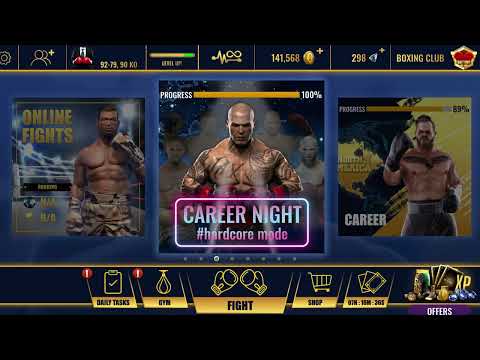
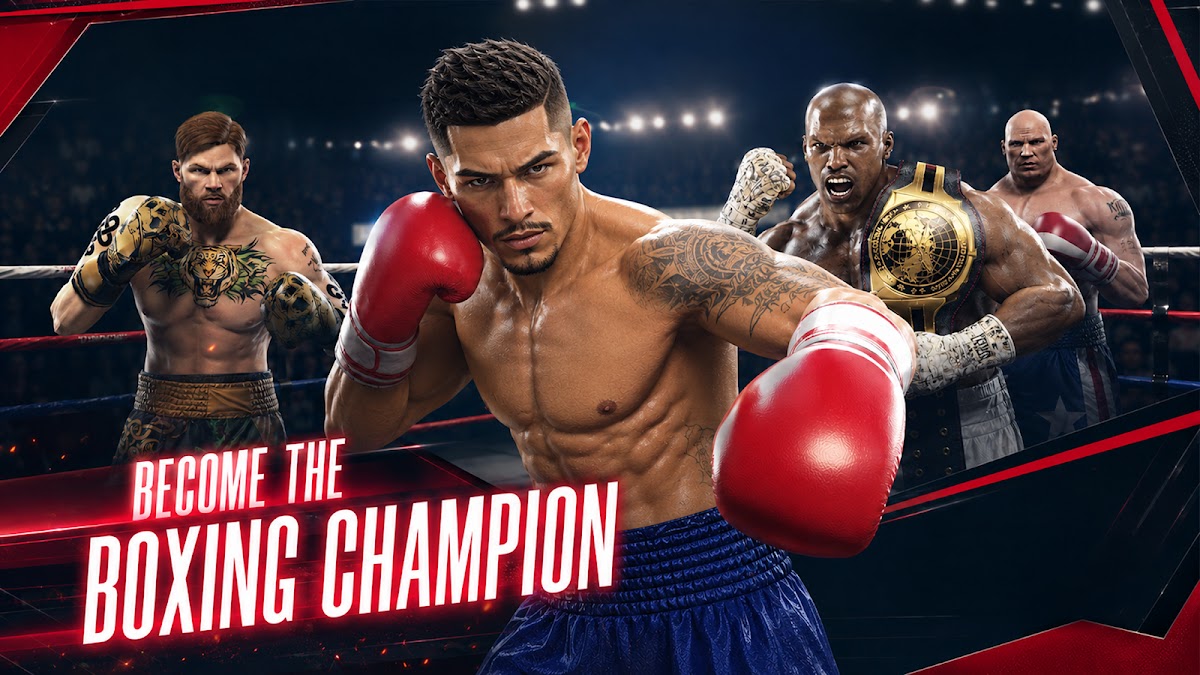
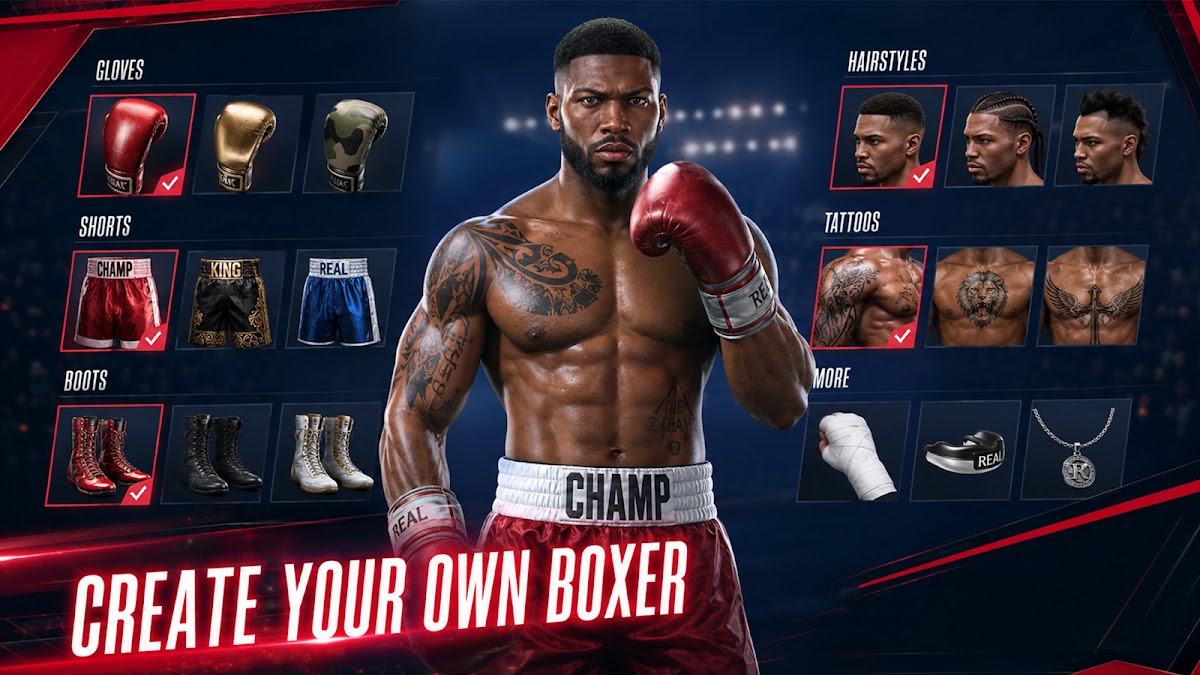
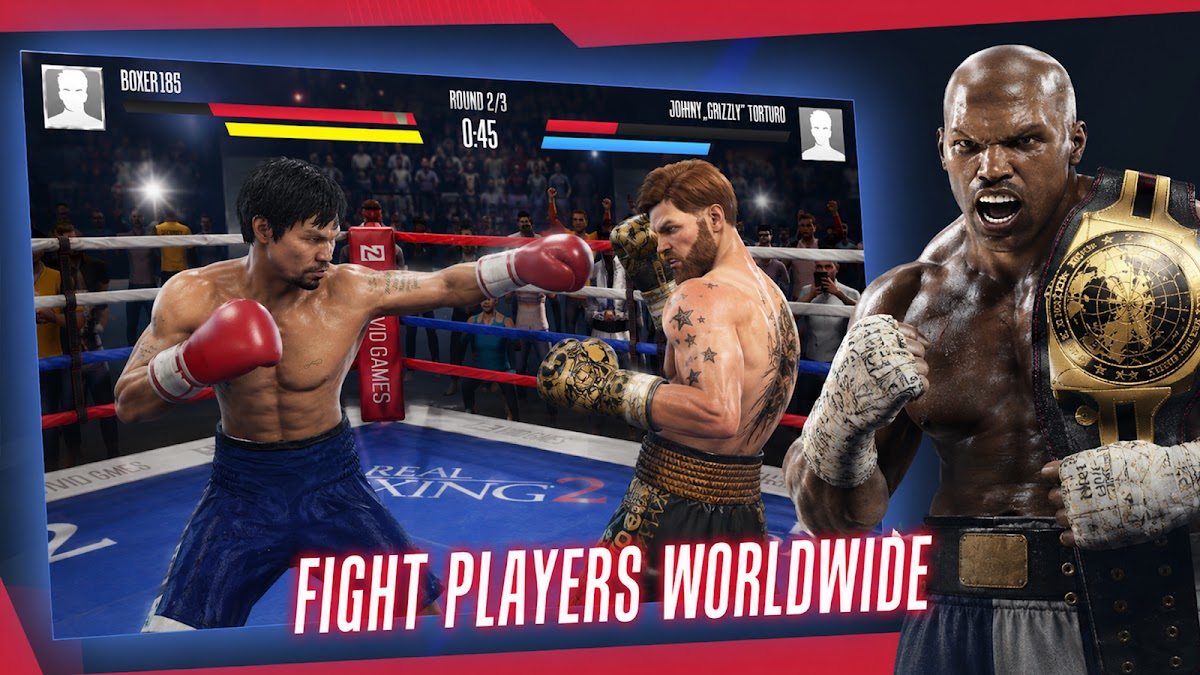
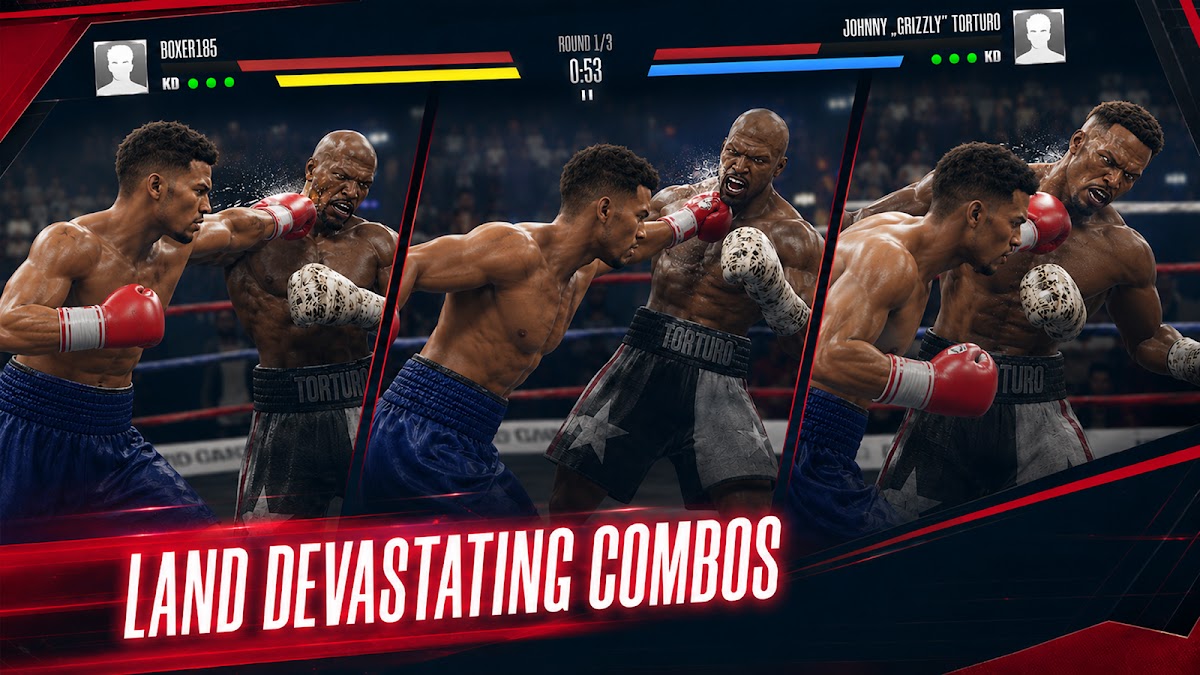
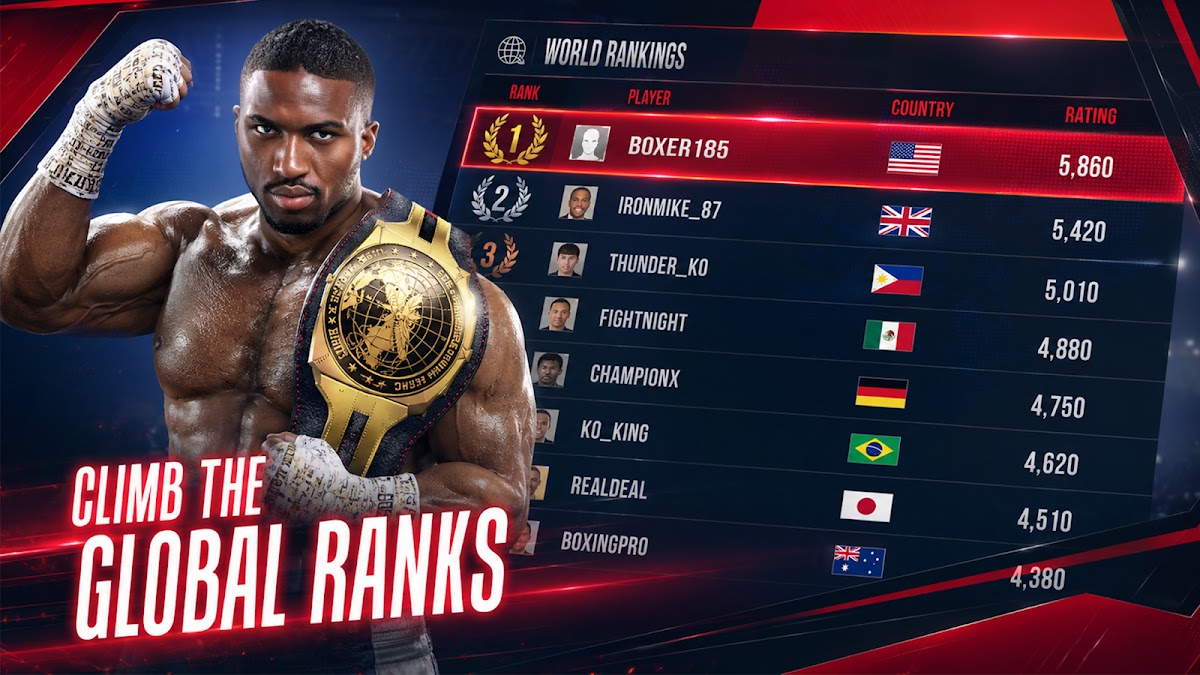
Gym minigames improve your boxer’s stats. In a bout, work on punch selection, timing, and defense by testing when it’s safe to throw a second punch. Real Boxing 2 suits players looking for manual punch controls and short combinations in a boxing game.
15. Wrestling Empire — strikes, grabs, and grappling controls

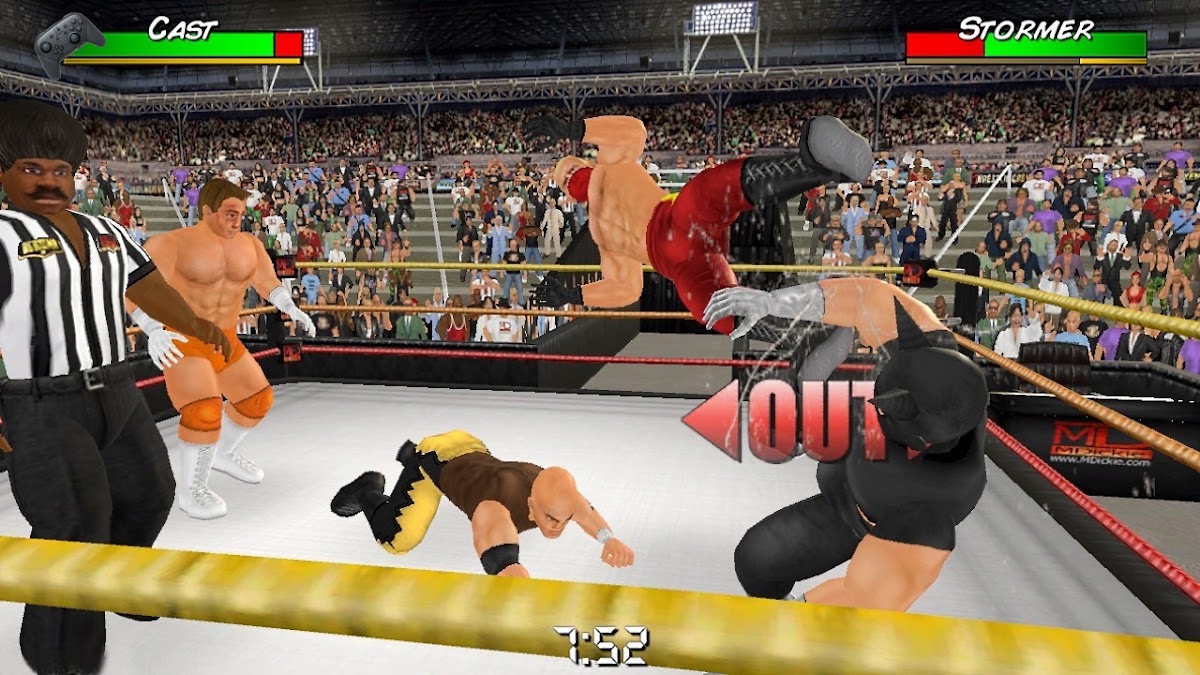
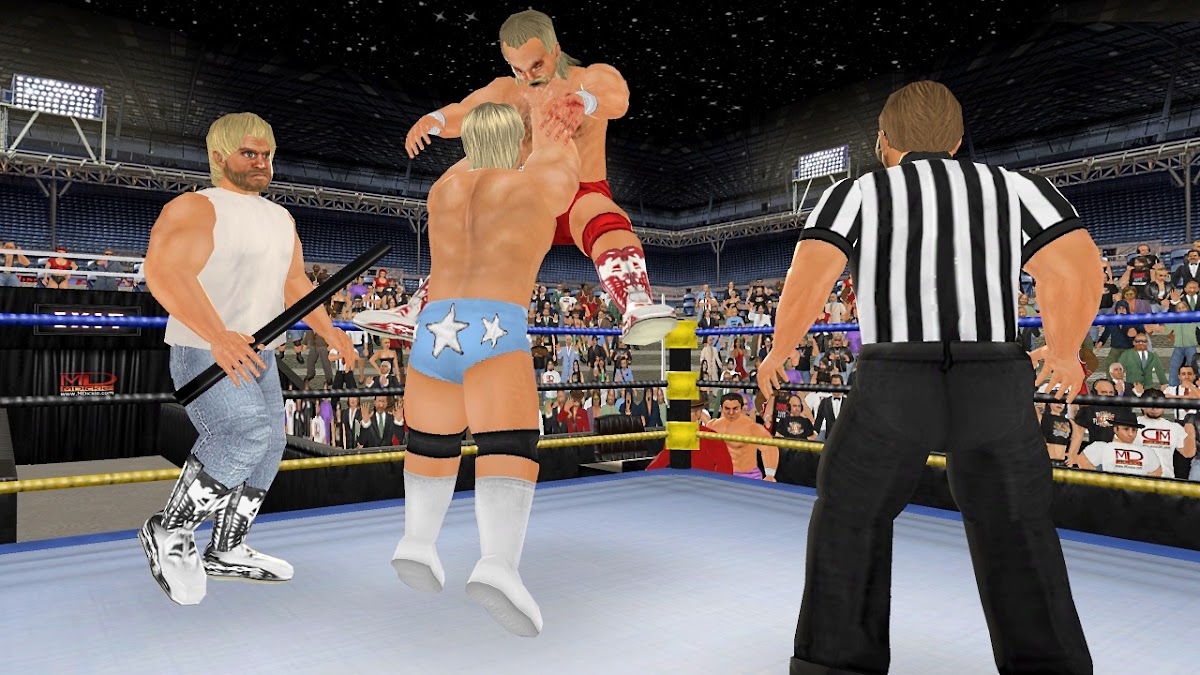
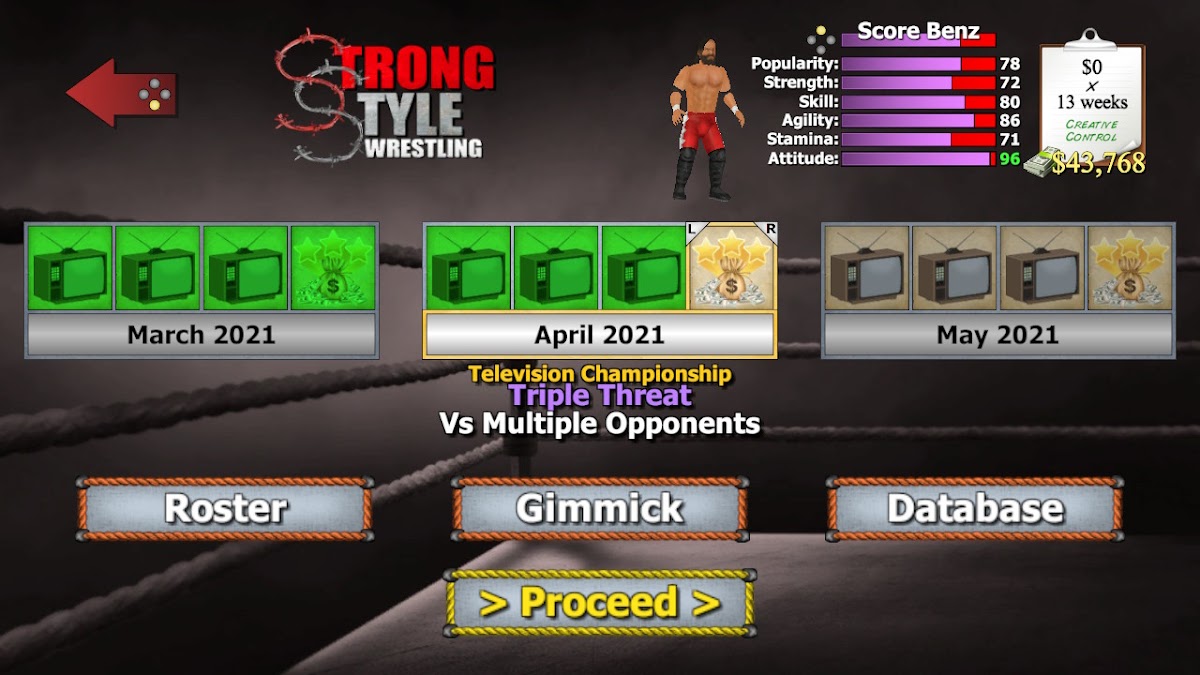
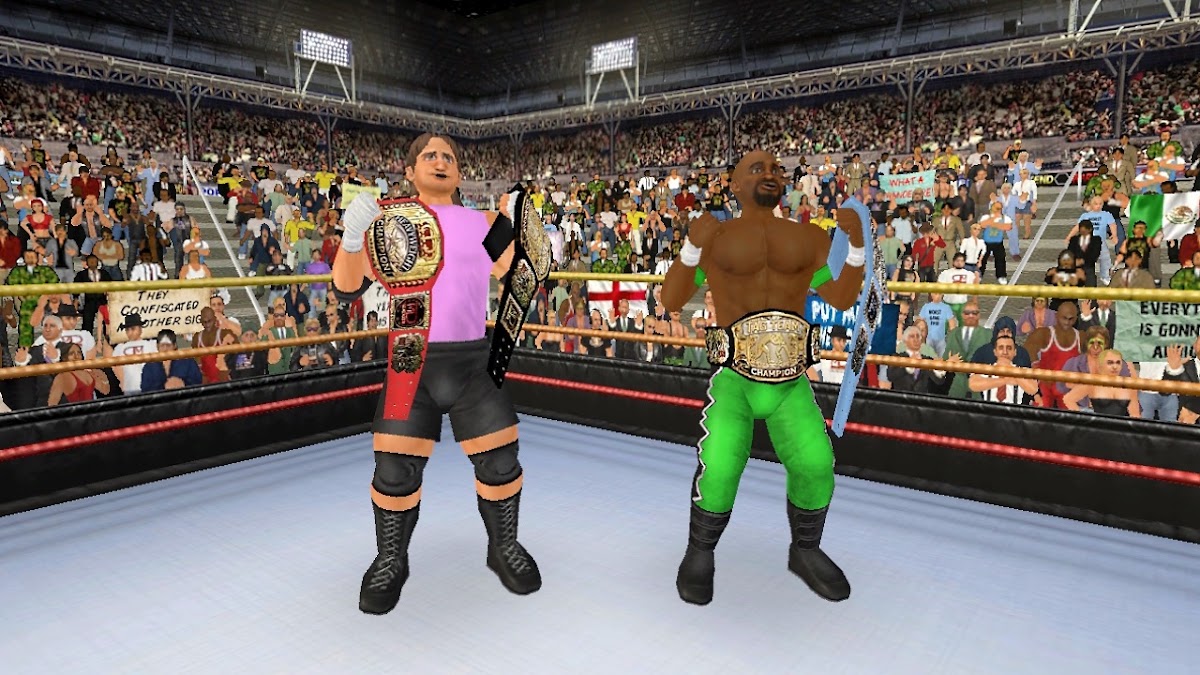
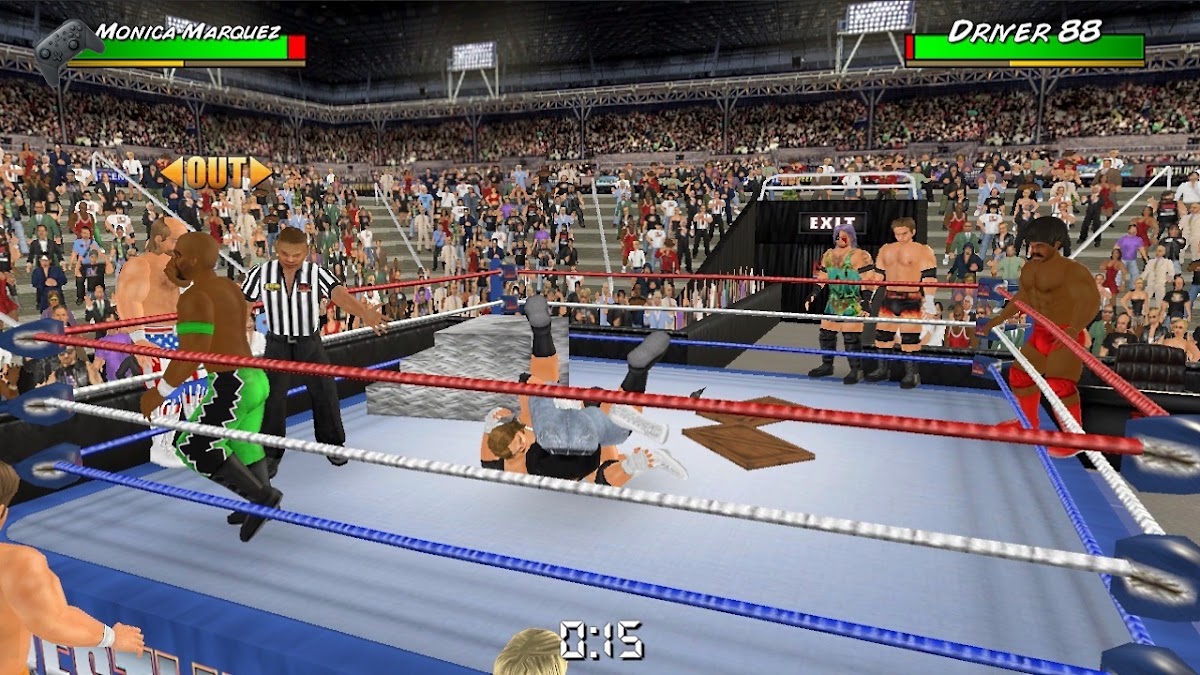

The Training section helps you learn the inputs for strikes, grabs, and wrestling moves. Once the controls feel familiar, use a match to see which actions you can link together. Wrestling Empire is the pick here if you want to learn how to work from strikes into grappling.