A city can look impressive and still function badly. Homes need jobs, factories need supplies, and a new neighborhood can overwhelm the roads serving it. The appeal of a good city-building game is working out how those pieces fit together—and watching an empty map become somewhere you recognize.
Mobile city builders approach that idea differently. Pocket City 2 and TheoTown emphasize planning and infrastructure. Global City makes production and deliveries central to expansion. Townscaper lets you experiment with architecture without managing a budget.
These 12 city-building games for Android and iPhone cover modern metropolises, island towns, steampunk industry, and fantasy settlements. The comparison below focuses on what you actually do in each game and which style of building it suits.
City-Building Games for Android and iPhone Compared
| Game | Main focus | Choose it for | Main trade-off |
| SimCity BuildIt | Modern city development and production | Growing a skyline while managing services and supplies | Production timers and live events influence the pace |
| Pocket City 2 | Zoning, infrastructure, and city exploration | A city simulation with direct control of an avatar | Extra activities may distract from planning |
| TheoTown | District layouts, transport, and public services | Detailed planning with pixel-art presentation | Its many systems take time to learn |
| Designer City 2 | Skyline design and city management | Building freely while balancing housing, jobs, and services | Optional purchases are available |
| Megapolis | Infrastructure and large construction projects | Railways, airports, industry, and landmarks | Development revolves around project requirements |
| Global City | Resource production and trade | Connecting factories, orders, and urban expansion | Supply management competes with design for attention |
| City Island 6 | Island development and building collections | Expanding across different landscapes | Timers and currencies shape progression |
| Township | Farming, manufacturing, and town growth | Linking a farm economy to a customizable town | Farming and match-3 share the spotlight |
| Townscaper | Creative architectural construction | Making colorful waterfront towns without objectives | No economic or traffic simulation |
| Steam City | Industrial production in a steampunk setting | Developing a Victorian-style manufacturing city | Resource chains drive much of the progression |
| Elvenar | Fantasy city development and research | Building an elven or human settlement | Production and research set the rhythm |
| Forge of Empires | City growth through historical ages | Combining construction with technology and strategy | Battles and wider progression extend beyond city management |
1. SimCity BuildIt: A Modern City with Production and Services
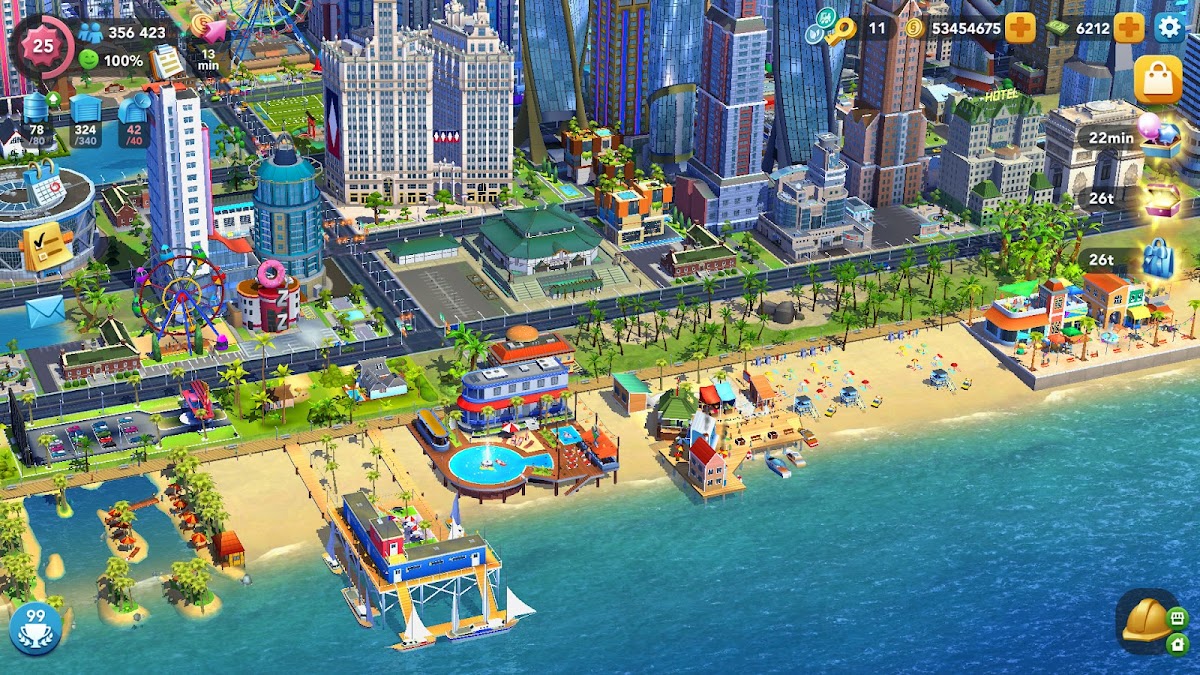
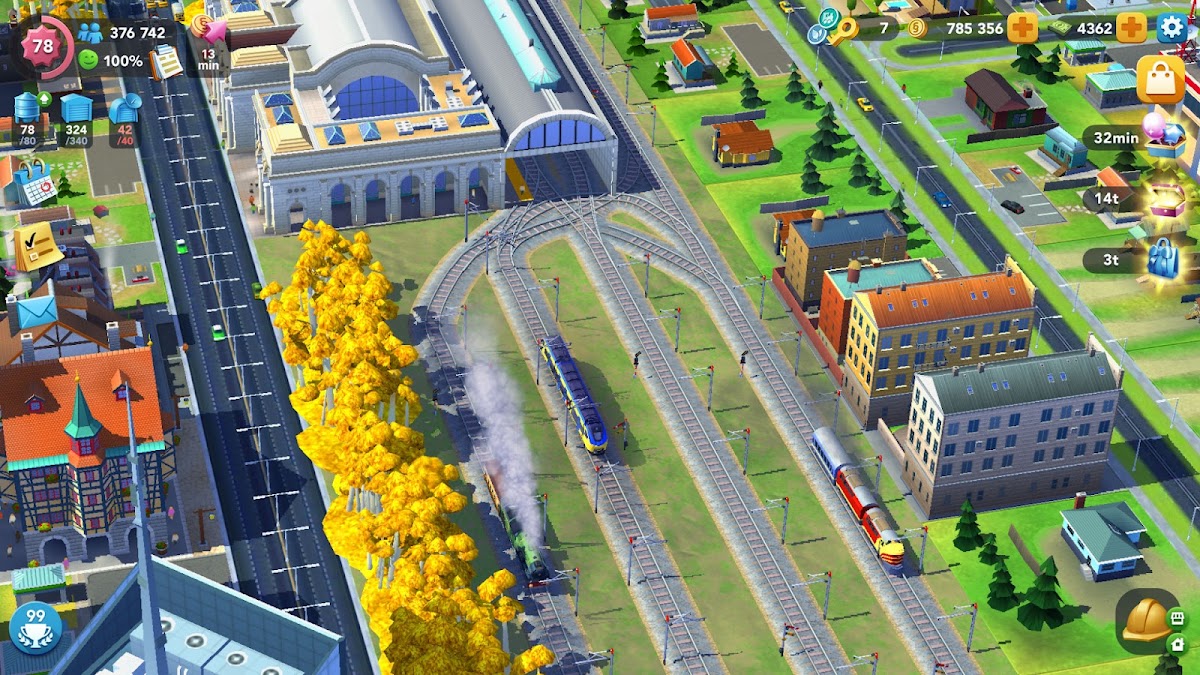
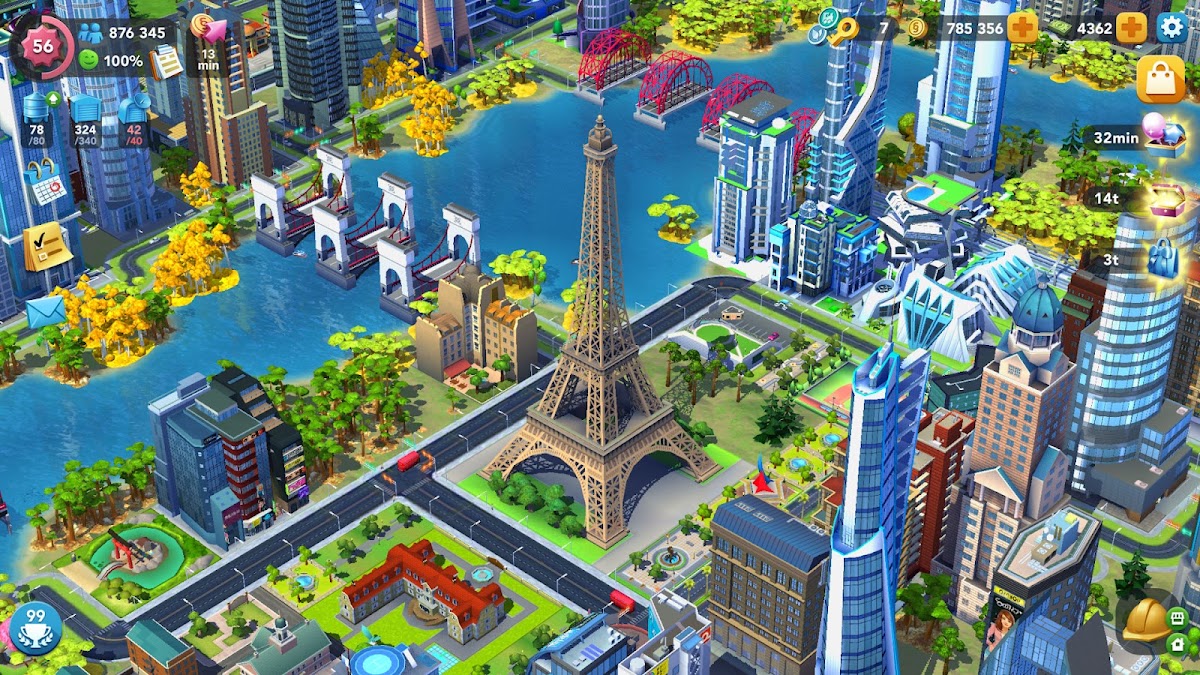
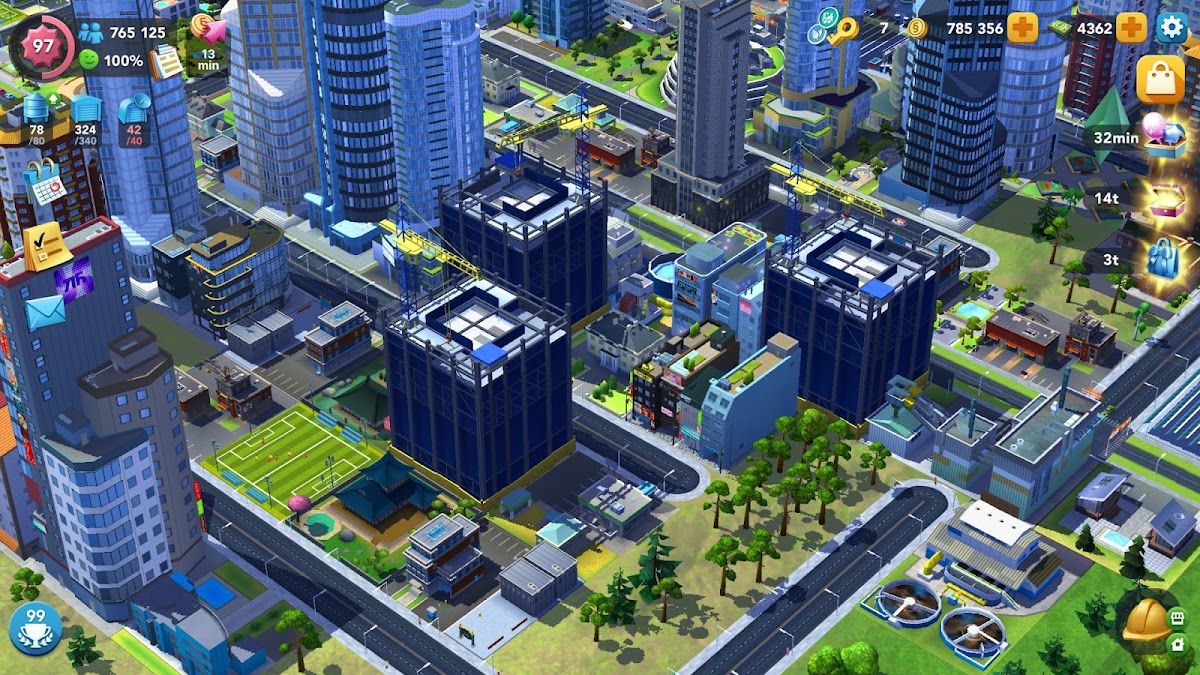
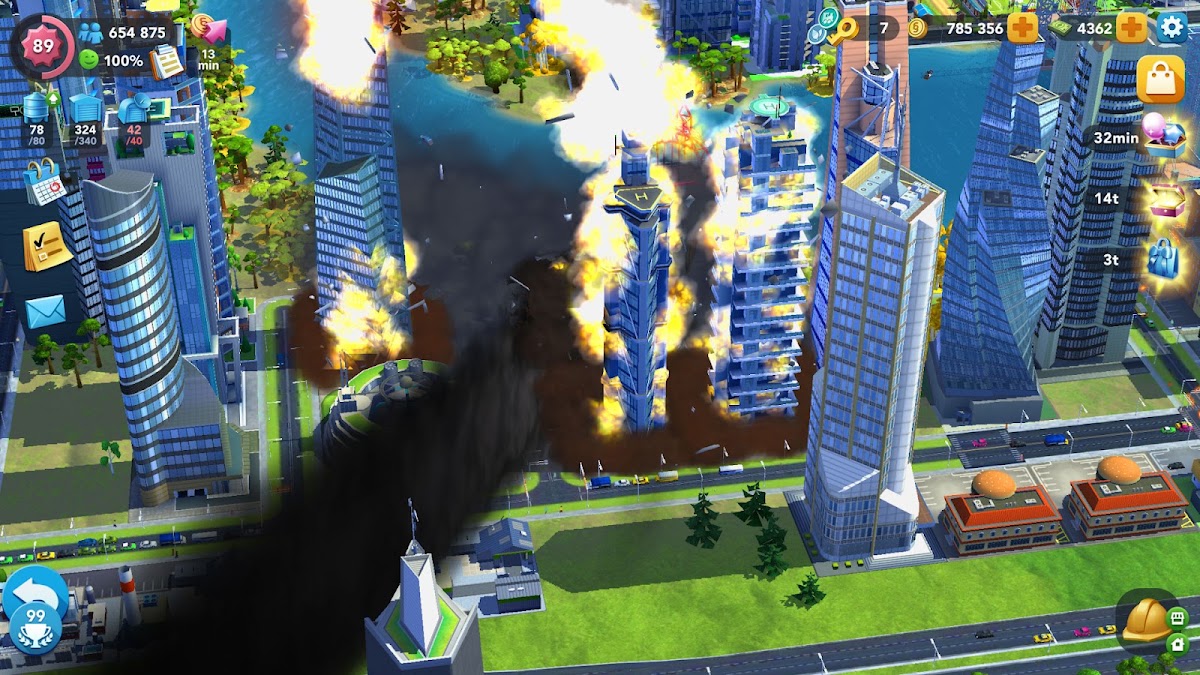
SimCity BuildIt gives you a recognizable mayoral job: grow a city, keep residents supplied, and make room for the next wave of development. Residential upgrades depend on manufactured goods, so progress involves both arranging buildings and organizing production.
Infrastructure matters alongside the skyline. Expanding housing creates more demand for services, and placing everything wherever it fits can leave you with expensive problems later.
The game also includes trading, Mayor’s Clubs, competitions, and optional Club Wars. Those features give players reasons to return, although they move the experience beyond a self-contained urban simulation.
Best suited to: players who enjoy modern architecture, regular objectives, and a city that develops over many short sessions.
Consider before downloading: production timers, storage limits, and optional purchases influence progression. A persistent internet connection is required.
2. Pocket City 2: Build the City, Then Walk Through It
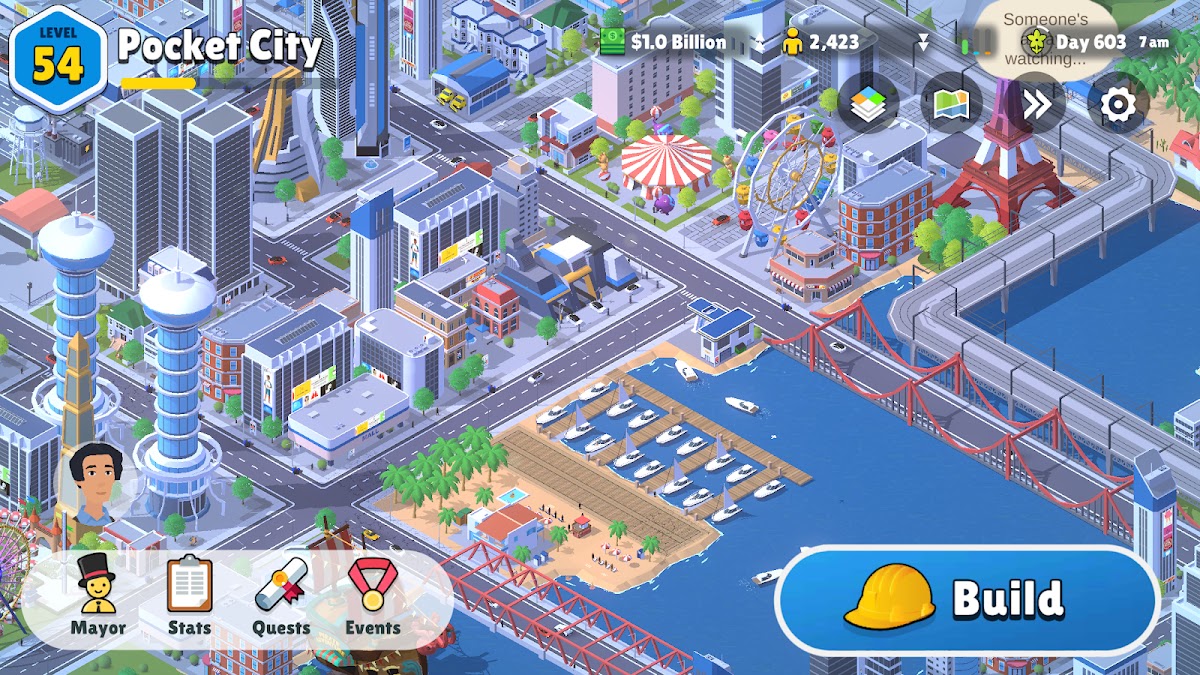
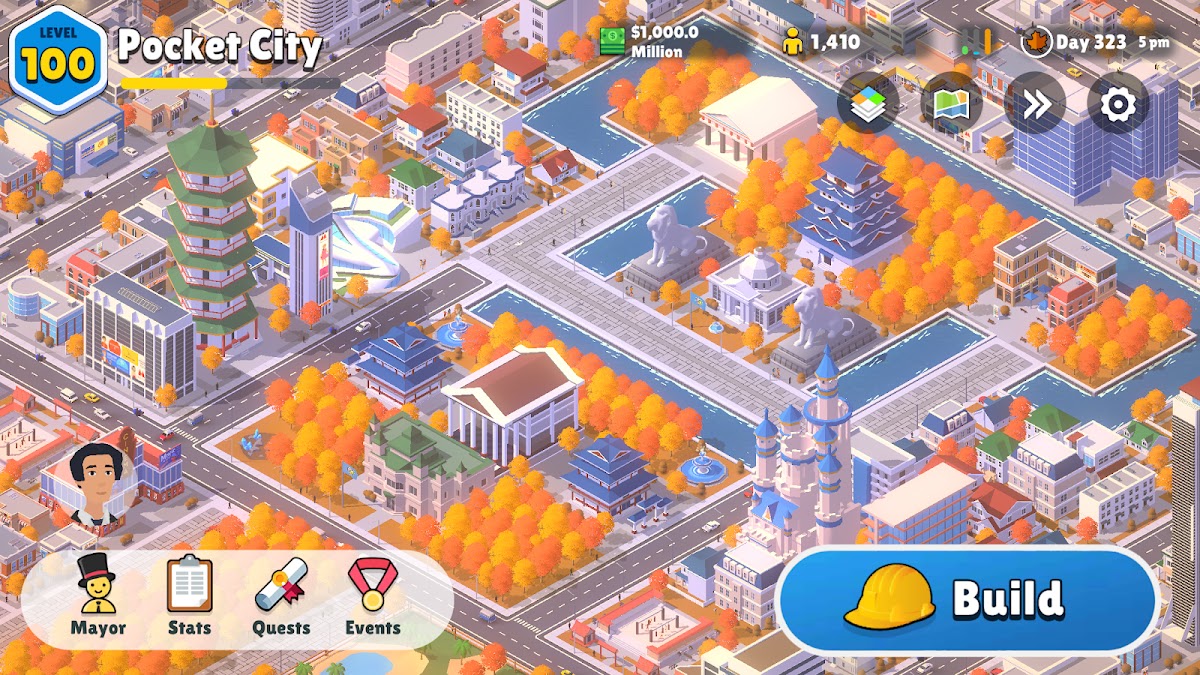
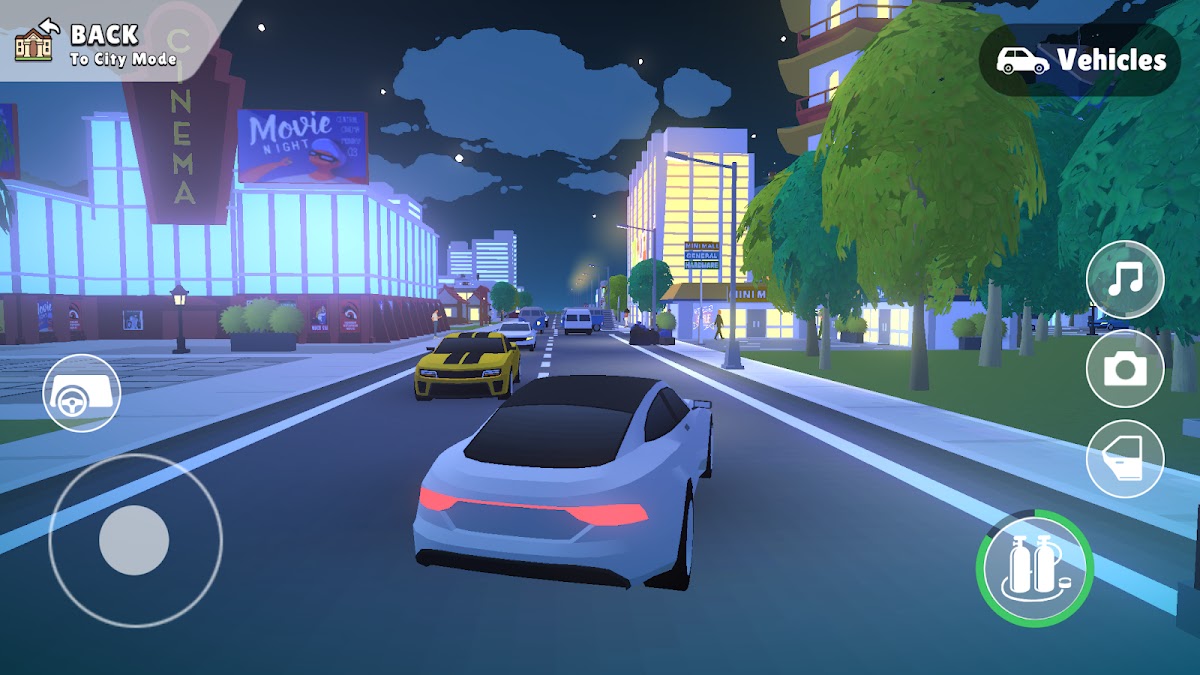
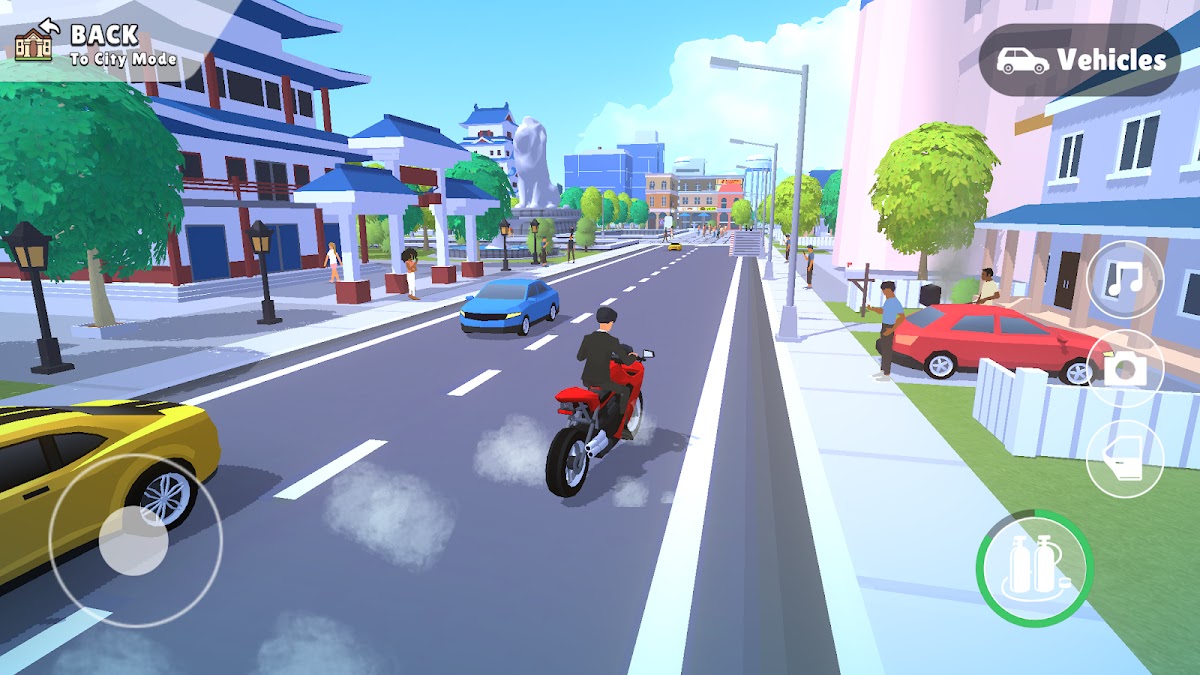
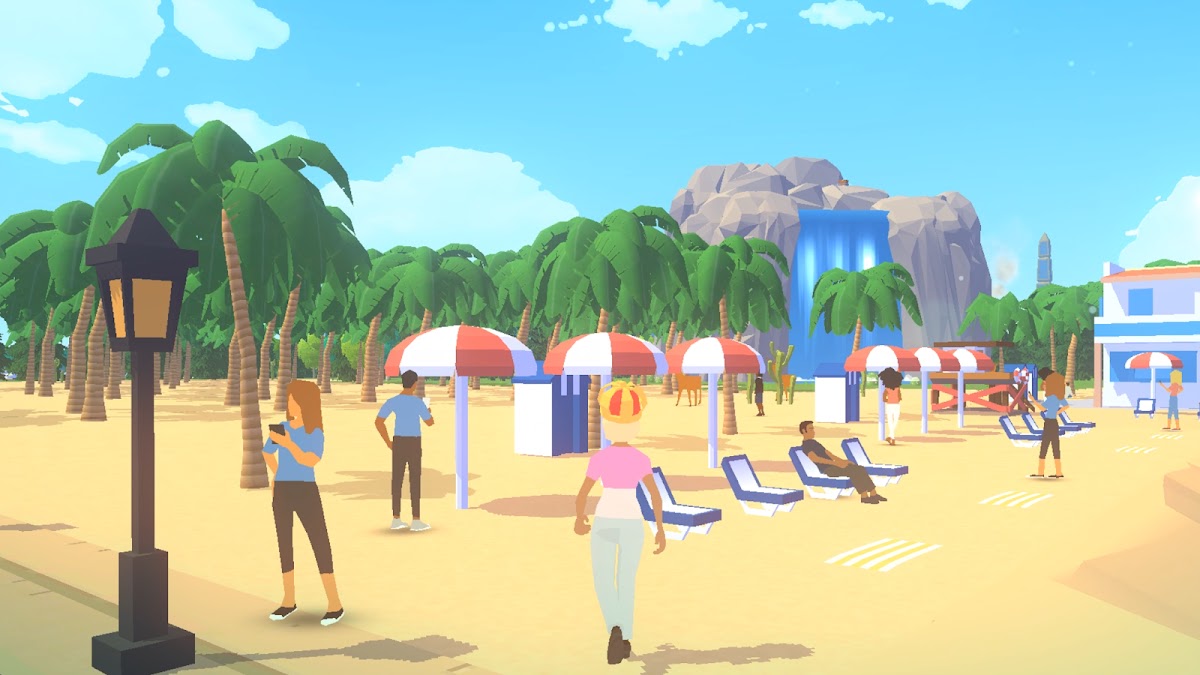
Pocket City 2 combines familiar planning tools with the ability to explore your creation as a character. You lay roads, establish zones, and add services, then step into the streets rather than viewing everything from above.
That change of perspective is its clearest distinction. Your city becomes a place to visit, with buildings to enter, residents to help, and activities outside the planning screen. Seasons, events, and disasters add variety.
For players who mainly want construction, Sandbox Mode provides another way to build. The developer also states that progression has no microtransactions or long waiting periods.
Best suited to: players who want zoning and infrastructure alongside a more personal connection to their city.
Consider before downloading: avatar activities and minigames broaden the experience; dedicated planners may spend less time with them than with the building tools.
3. TheoTown: Detailed Planning in Pixel Art
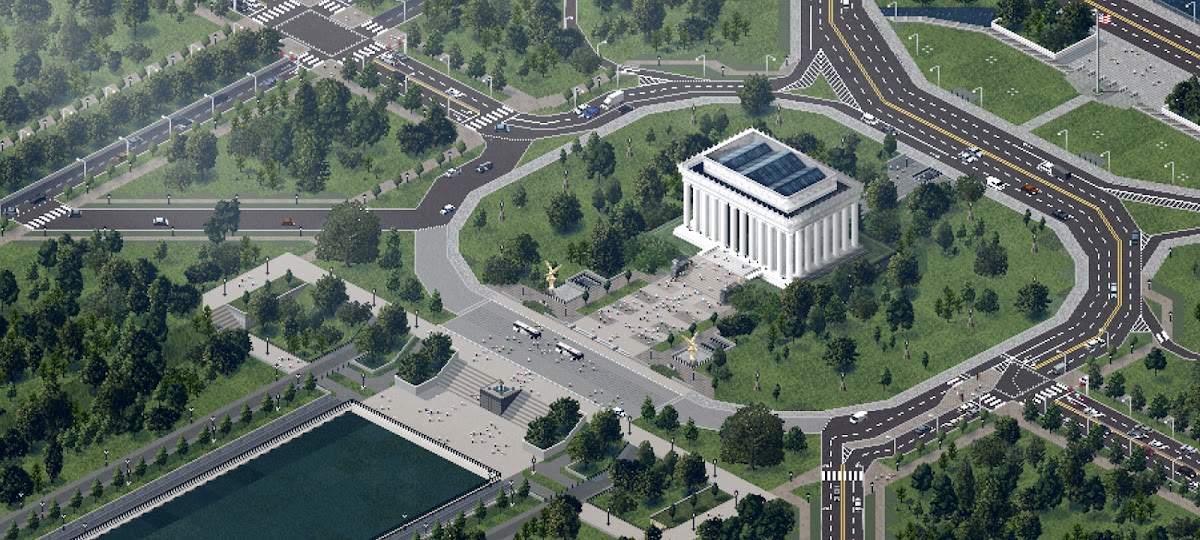
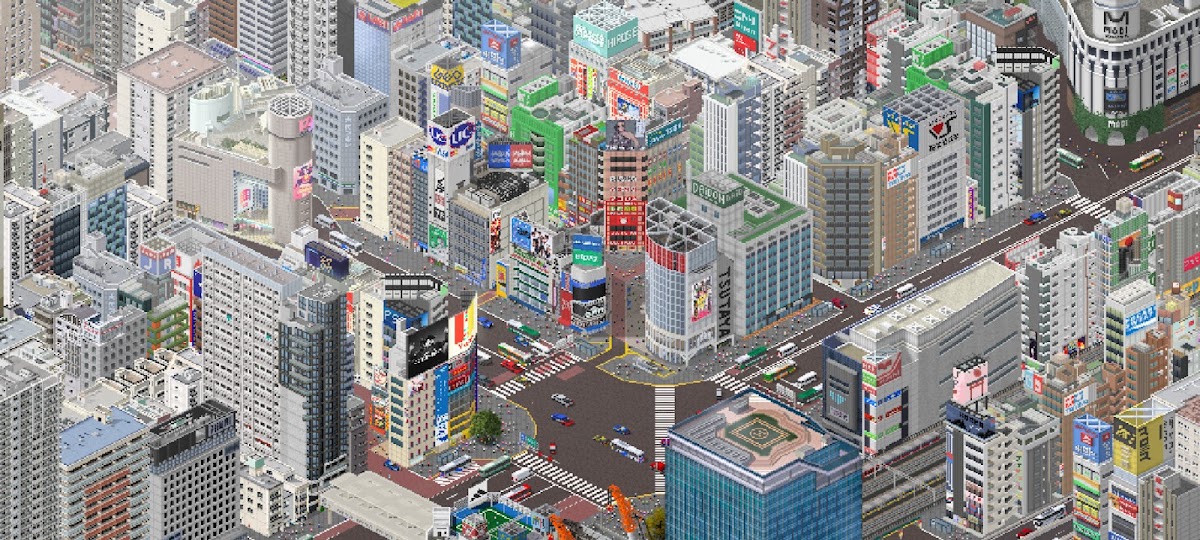
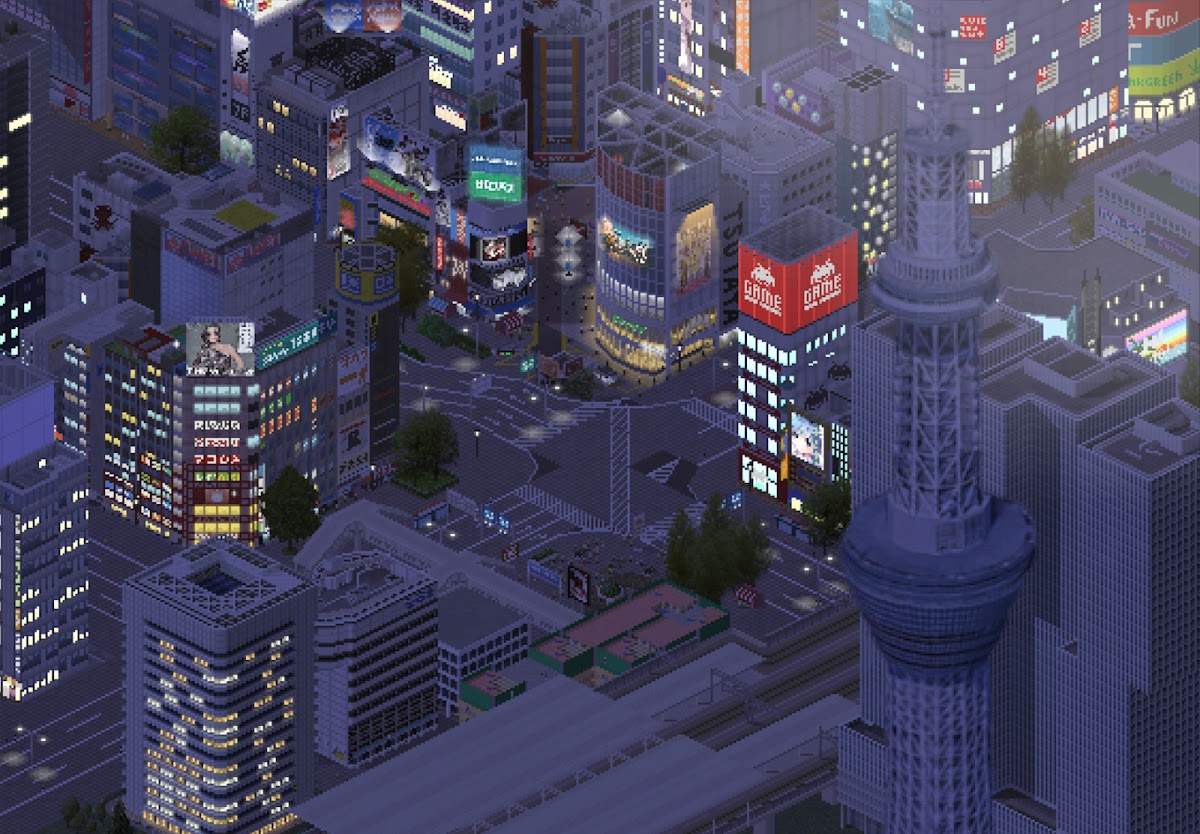
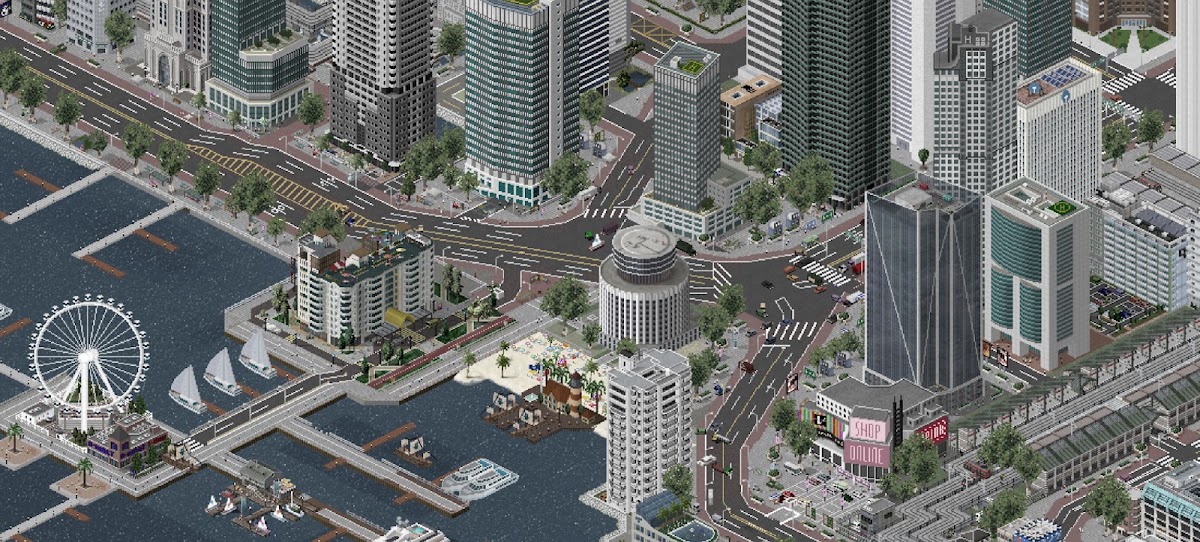
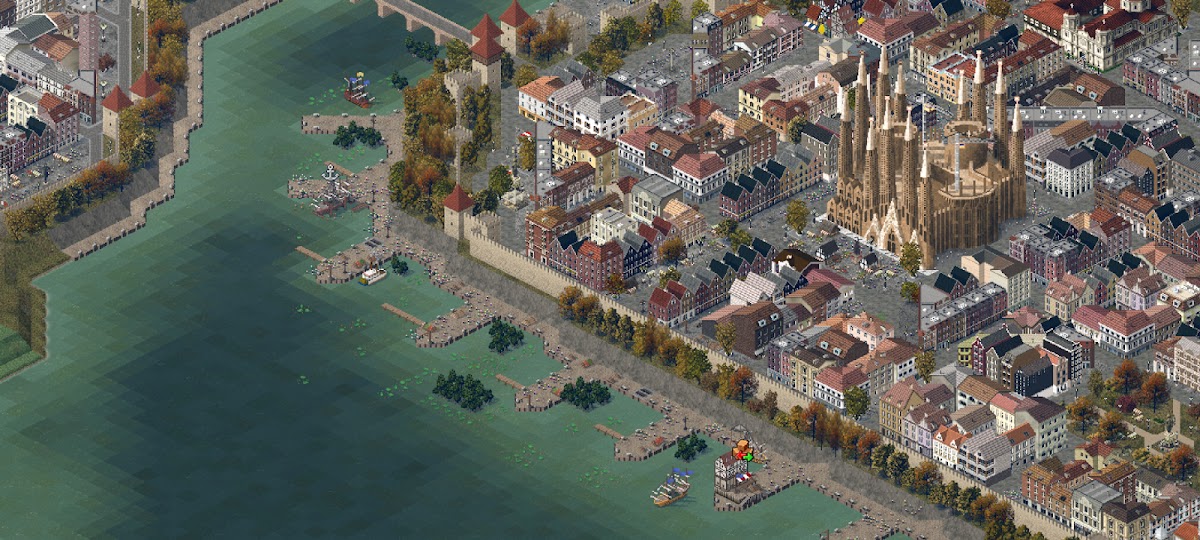
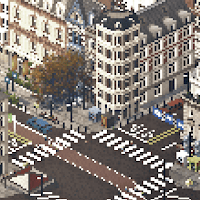
TheoTown is a strong starting point if roads, districts, and transport connections are the reason you play city-building games. Its pixel-art presentation supports a detailed simulation built around the relationship between development and infrastructure.
You plan neighborhoods, connect areas with roads and railways, and provide services such as hospitals and fire stations. A larger settlement creates more opportunities to revisit earlier decisions: a route that worked for a small town may need rethinking as the map fills.
Community-made plugins add another layer of customization, including additional buildings and features.
Best suited to: players who enjoy transport planning, gradual expansion, and adjusting layouts as a city grows.
Consider before downloading: the visual style is deliberately retro, and the range of systems demands more attention than a straightforward building-and-collecting game. Core play works offline; downloading community content requires a connection.
4. Designer City 2: Shape the Skyline at Your Own Pace
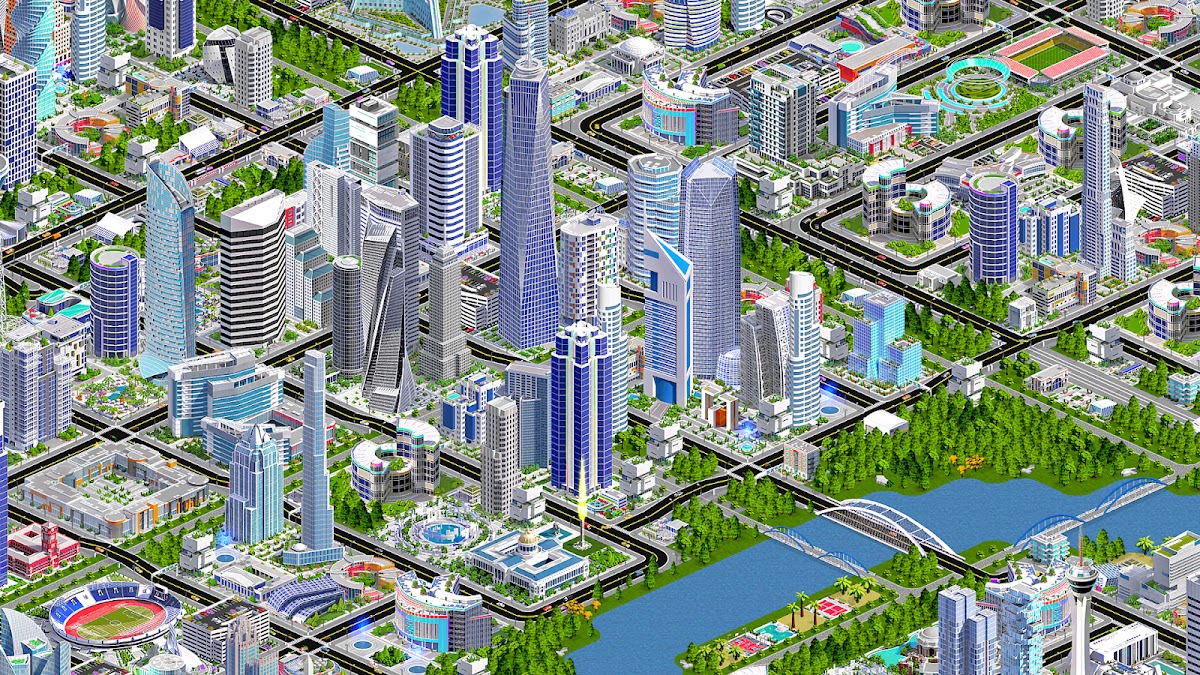
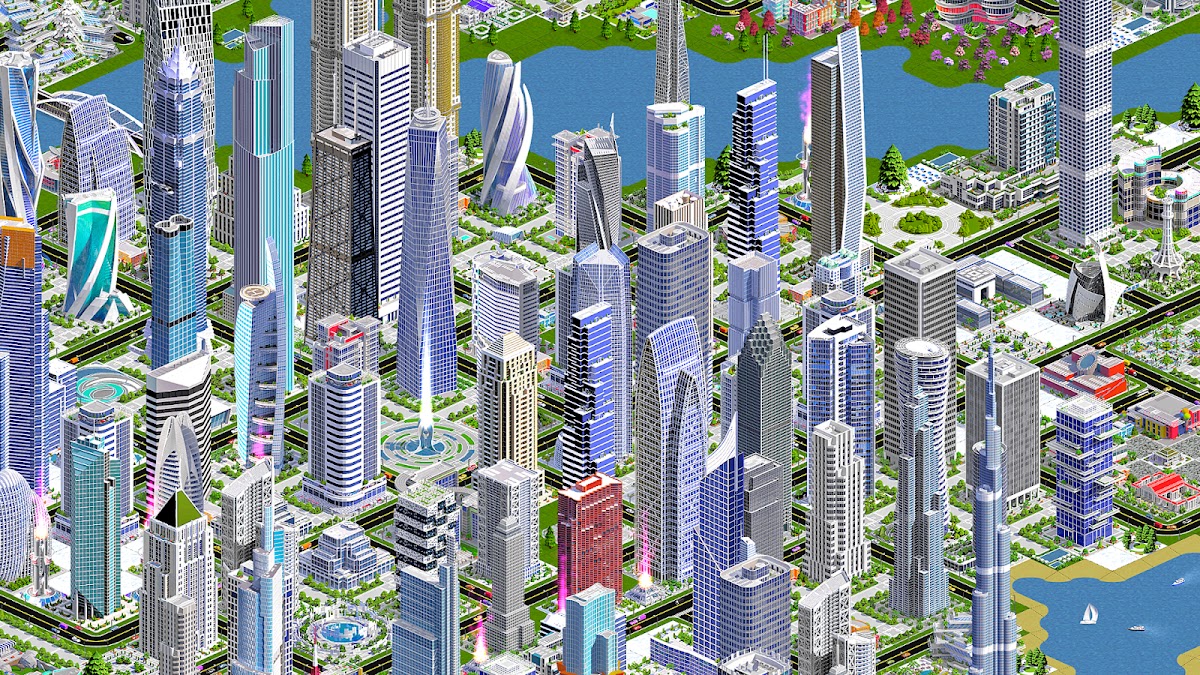
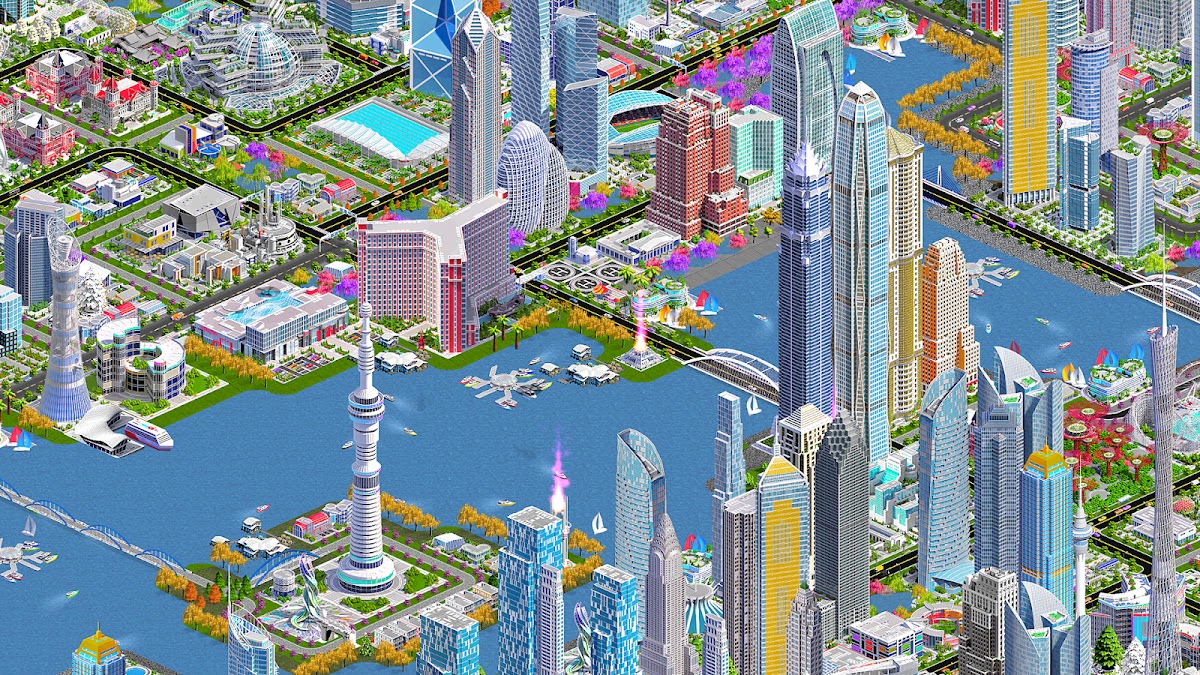
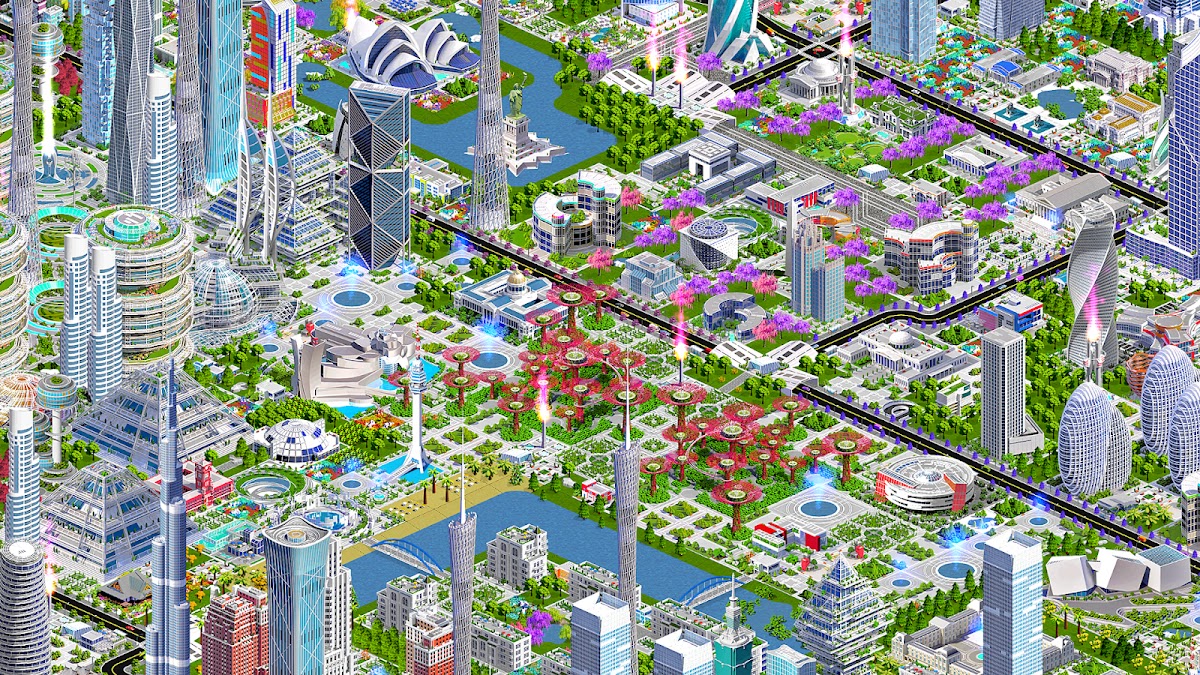
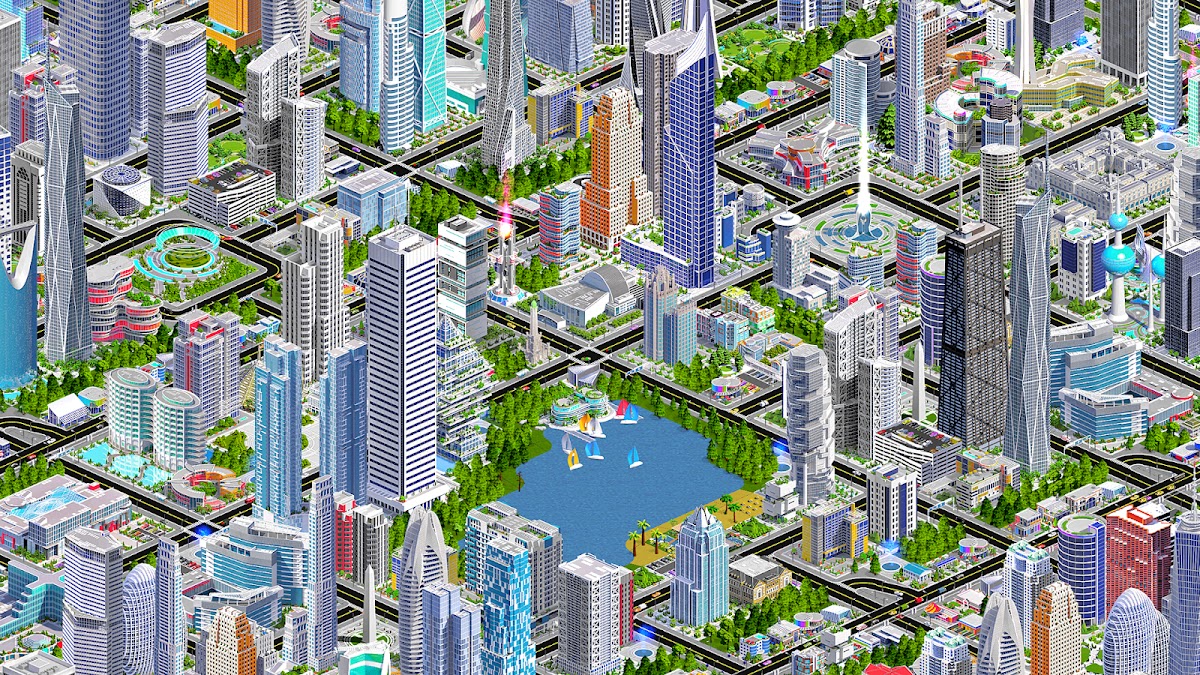
Designer City 2 combines architectural freedom with practical city management. You can shape terrain, create coastlines, and develop a skyline, while also balancing housing, employment, pollution, and public services.
The distinction matters if you enjoy making an attractive city but still want reasons for your layout choices. Schools, hospitals, workplaces, and transport give the map a functional structure.
Its developer describes an offline experience without energy bars or construction timers. Optional purchases remain available, so that freedom from waiting should not be confused with the absence of monetization.
Best suited to: players who want to spend a session designing and building rather than scheduling collections.
Consider before downloading: it offers management as well as decoration. Expanding residential areas still means considering the services and jobs needed to support them.
5. Megapolis: Infrastructure on a Large Scale
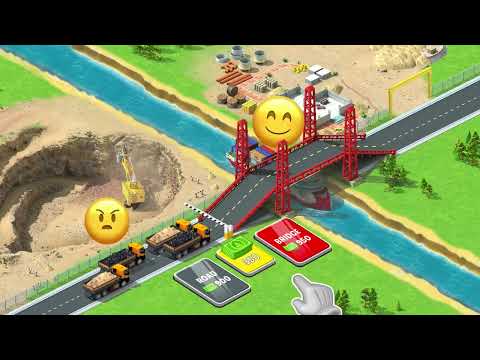
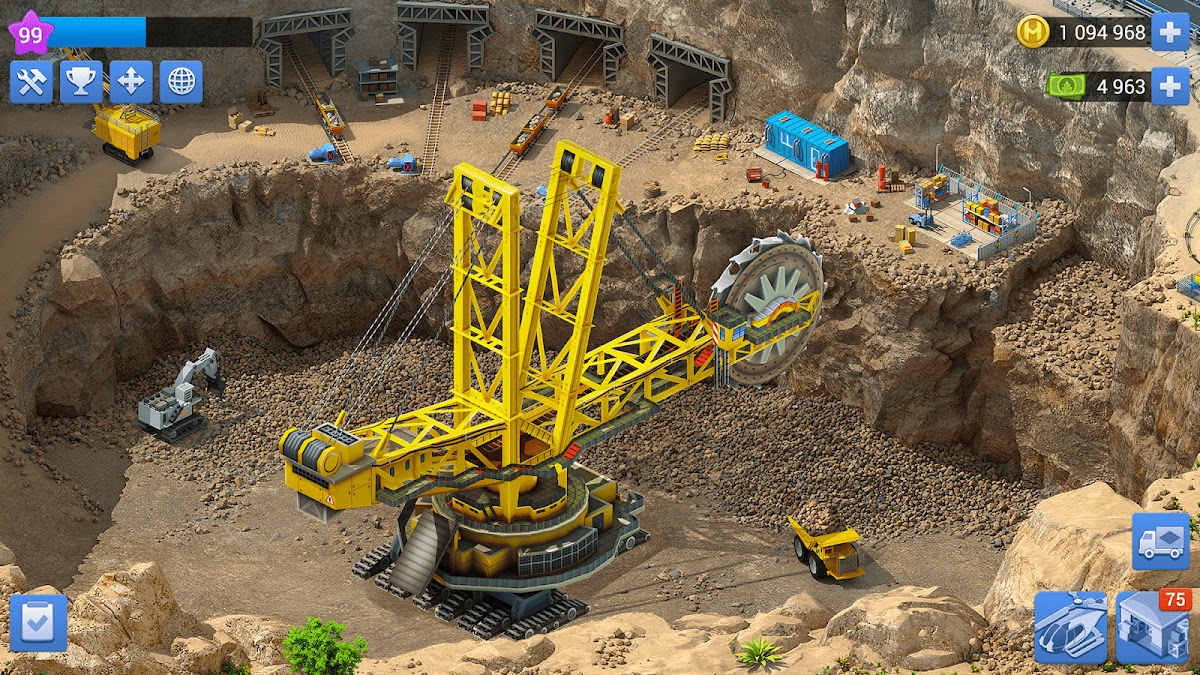
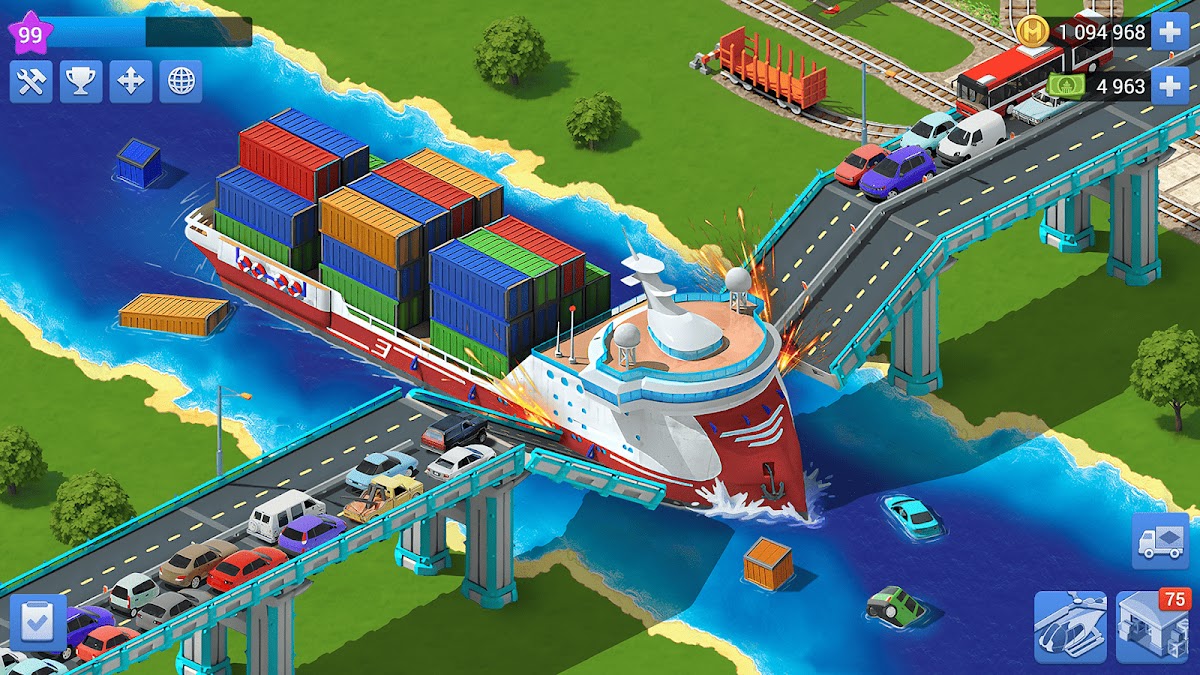
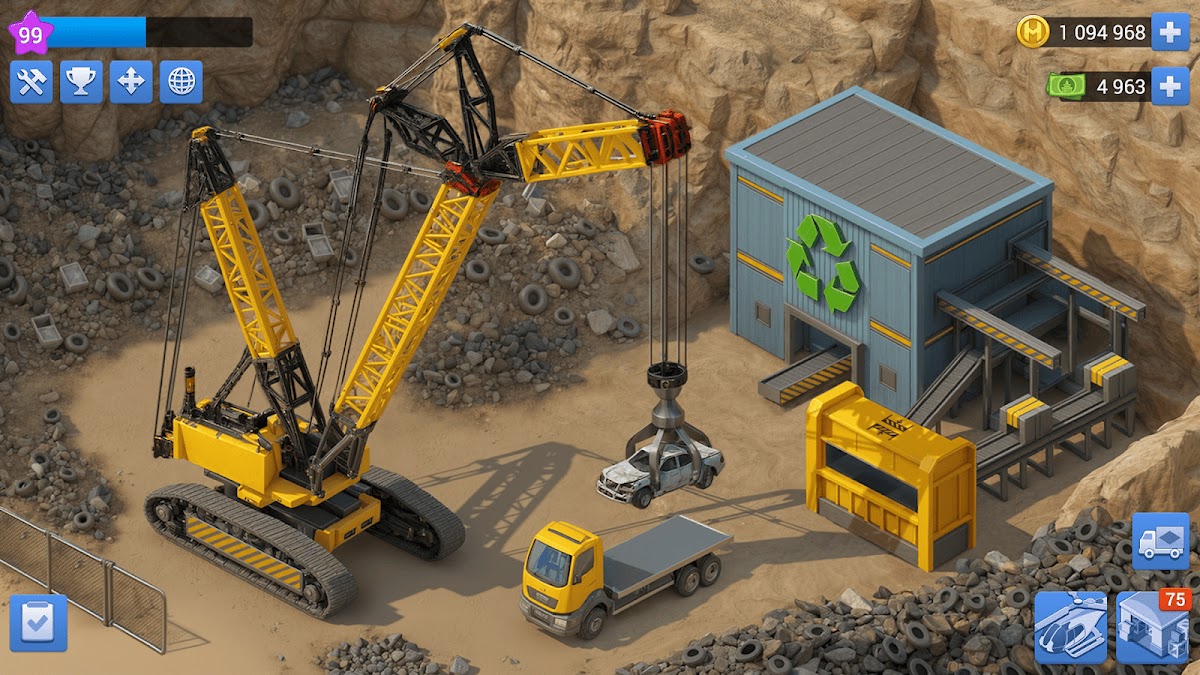
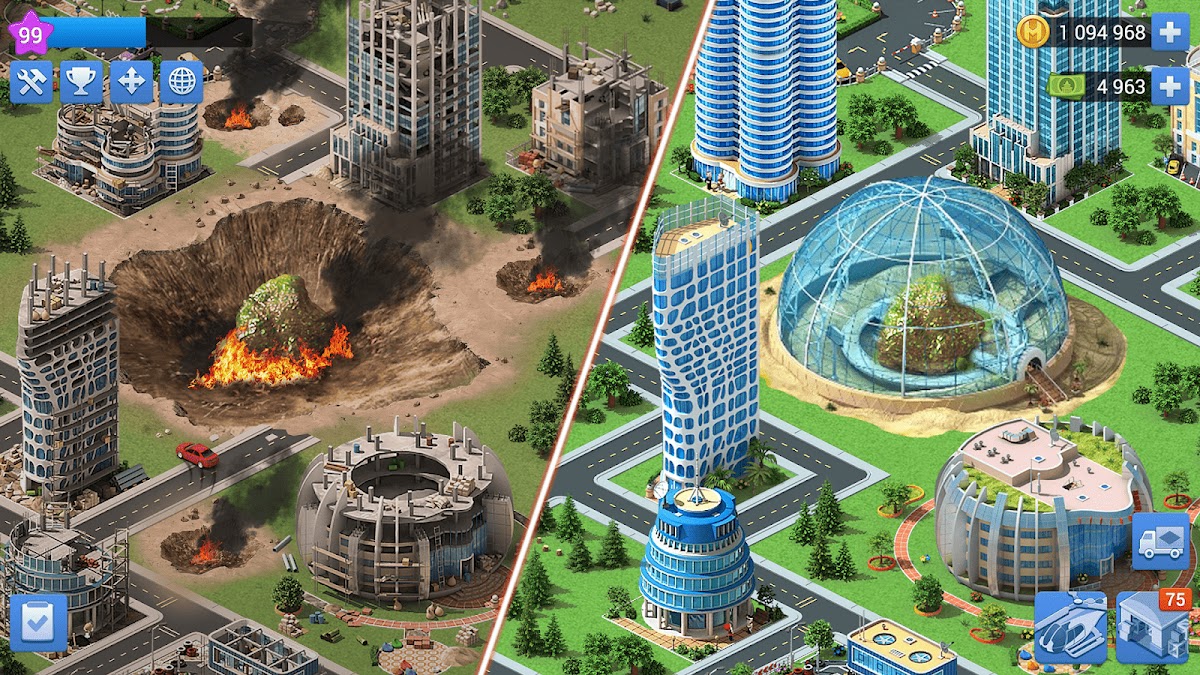
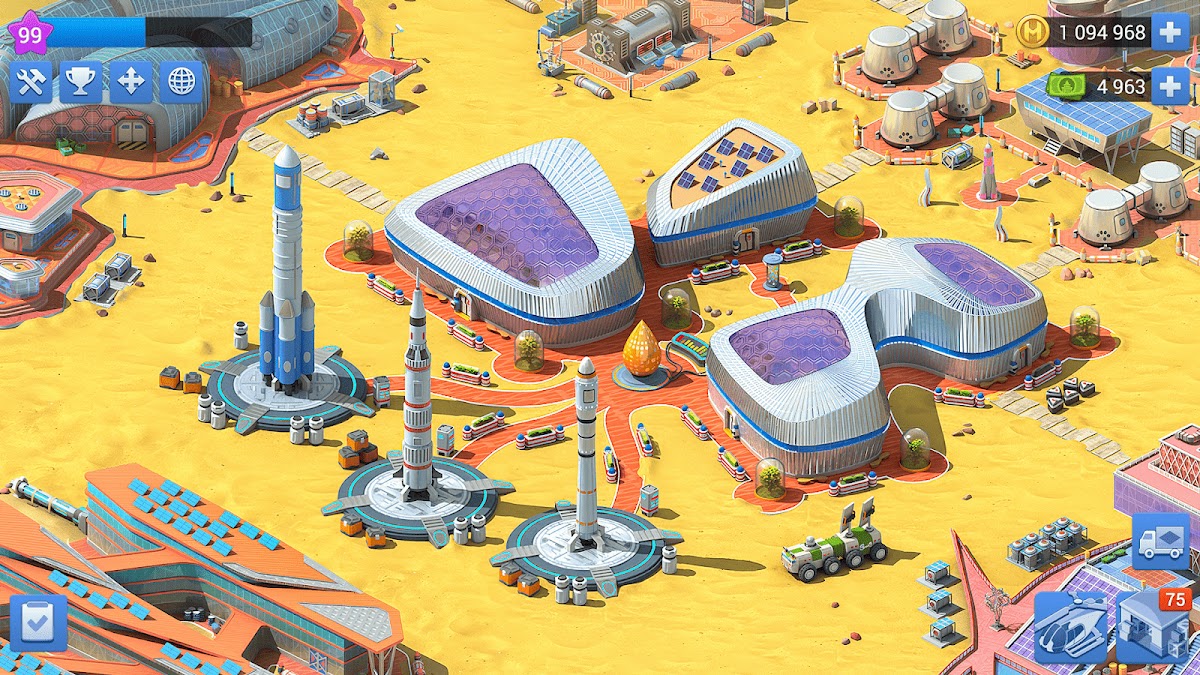
Megapolis emphasizes the projects that turn a town into a major urban center. Railways, airports, bridges, industrial facilities, and recognizable landmarks give expansion a succession of substantial goals.
Its appeal is especially clear if building a transport hub sounds more satisfying than placing another row of houses. Research and industrial development widen the scope beyond residential neighborhoods.
Compared with a freeform sandbox, progress is more closely tied to completing projects and obtaining what construction requires. That structure suits players who like working toward the next major addition.
Best suited to: players interested in large infrastructure, landmark collections, and a modern metropolitan setting.
Consider before downloading: expect a longer development cycle shaped by construction requirements and optional purchases. Megapolis requires an internet connection.
6. Global City: Make Production Support Expansion
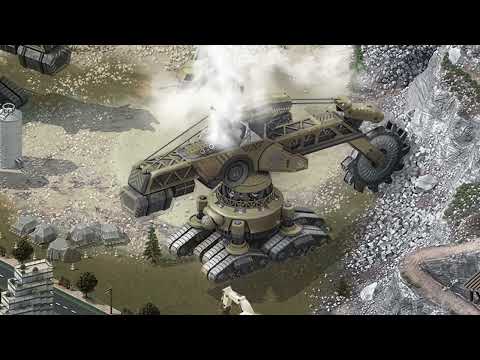
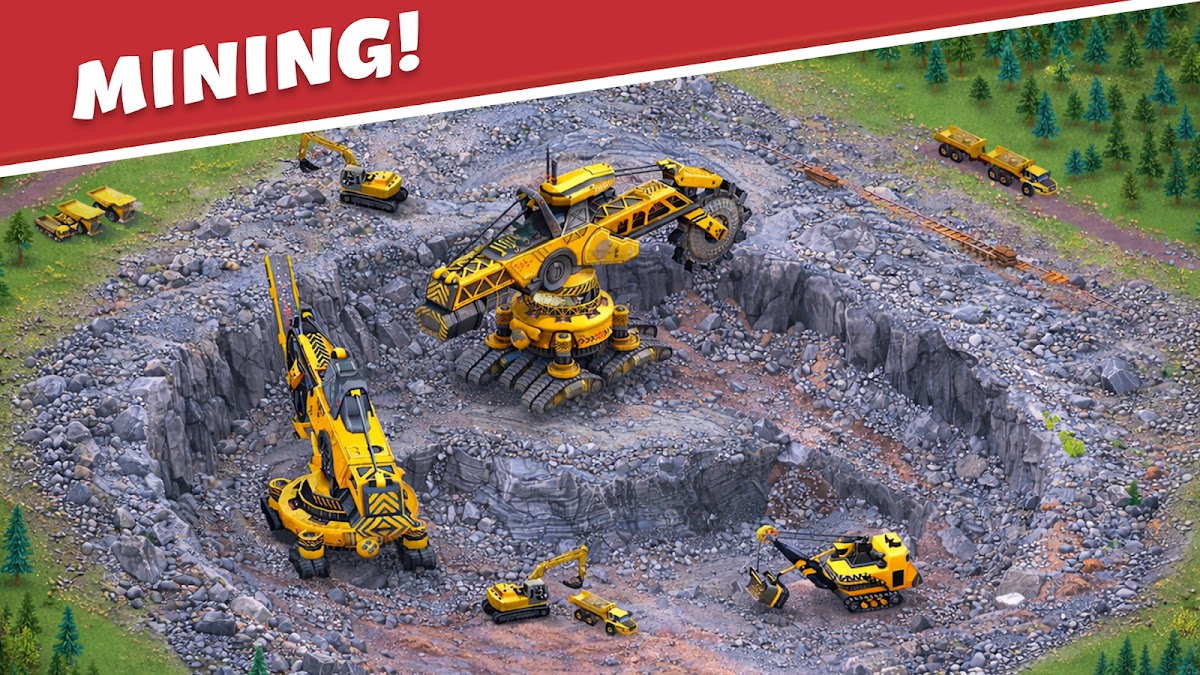
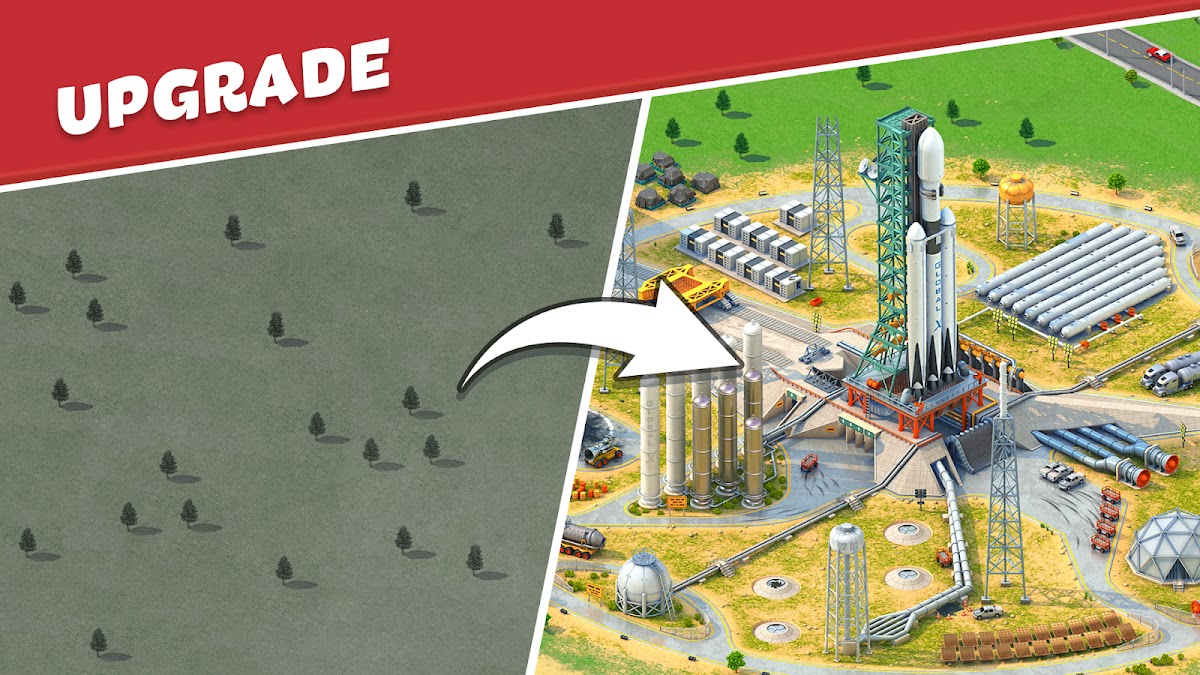
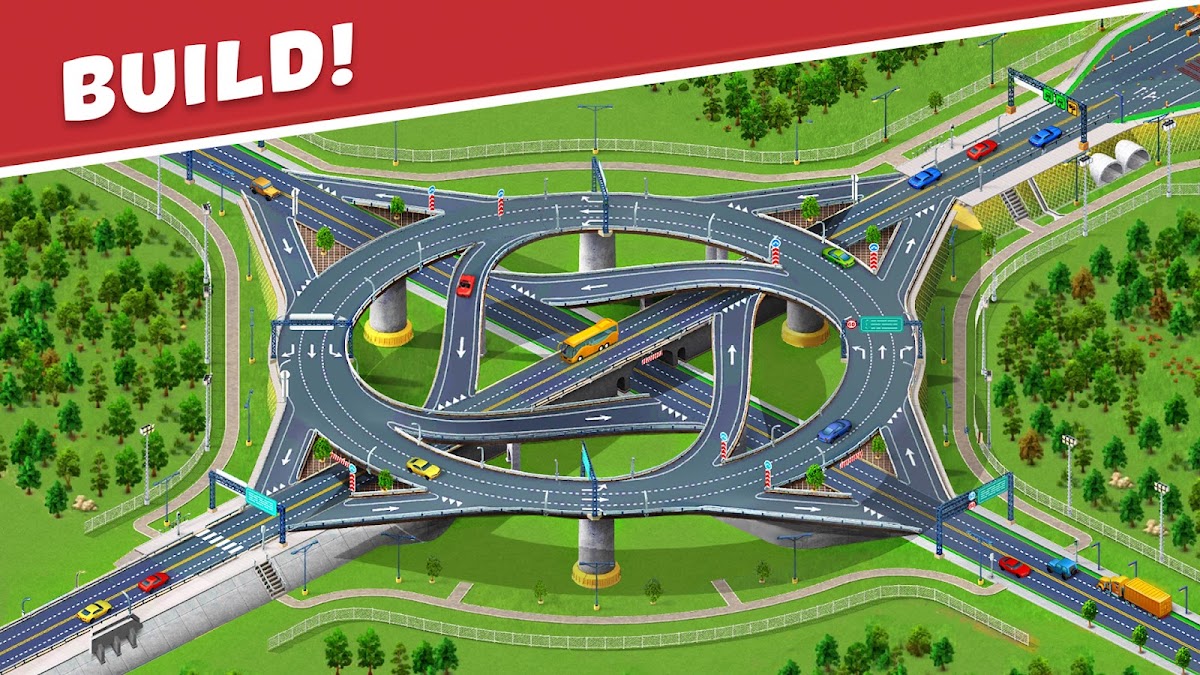
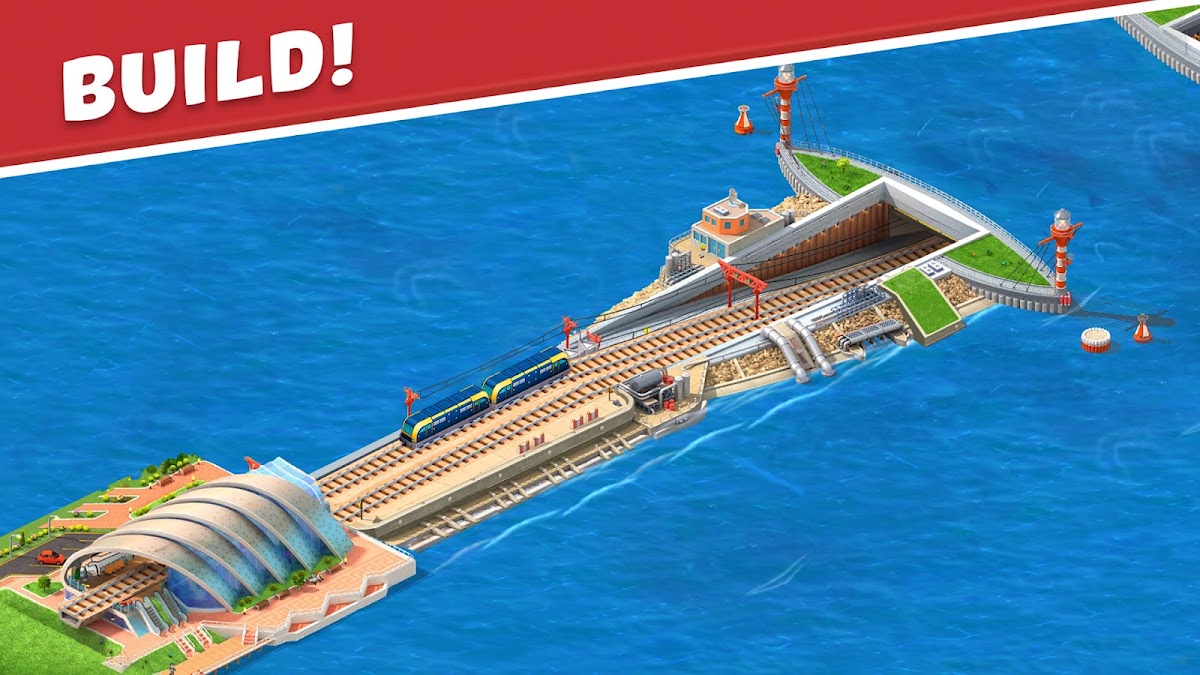
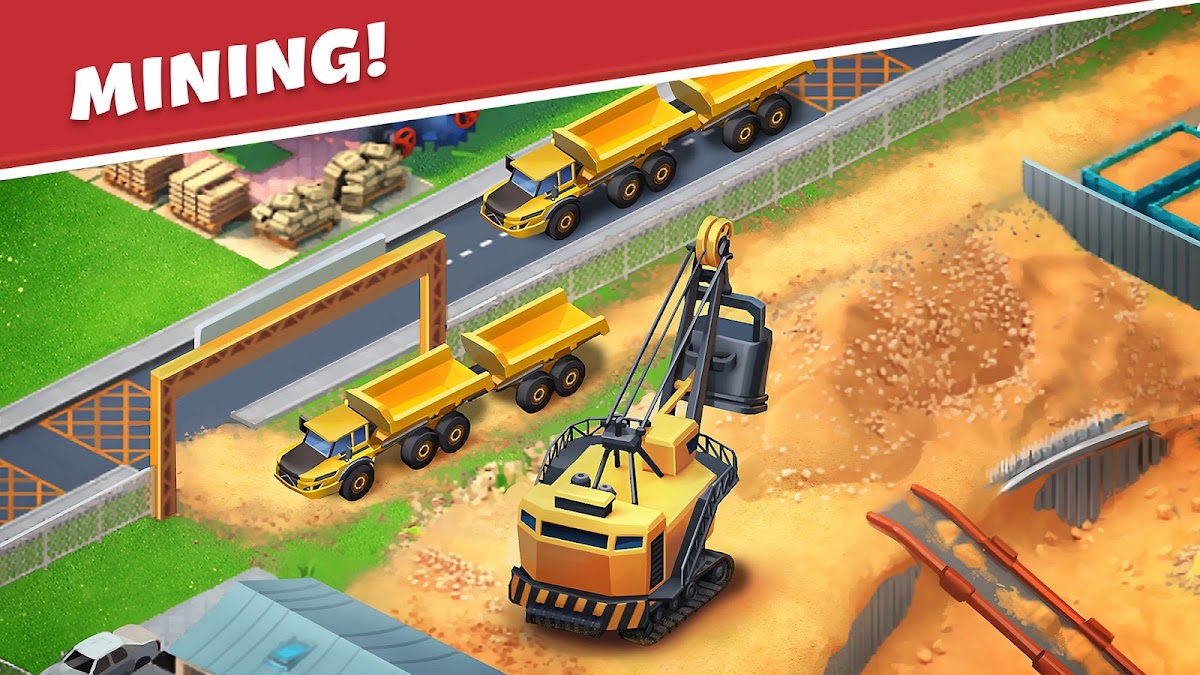
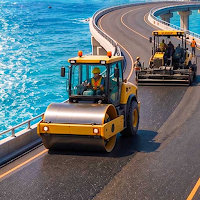
Global City puts resource management close to the center of city building. You extract materials, process them into goods, fulfill orders, and use the resulting progress to develop your settlement.
Factories, a port, and a railway contribute to a city whose growth depends on economic activity. Deciding what to manufacture or sell can matter as much as choosing where the next building should go.
This is a useful option for players who enjoy watching a network of production facilities support increasingly ambitious construction.
Best suited to: players who prefer manufacturing, deliveries, and trade alongside urban development.
Consider before downloading: it is an online city builder, and managing supplies takes a substantial share of your attention. Someone seeking unrestricted street planning may prefer TheoTown or Designer City 2.
7. City Island 6: Grow Beyond a Single Island
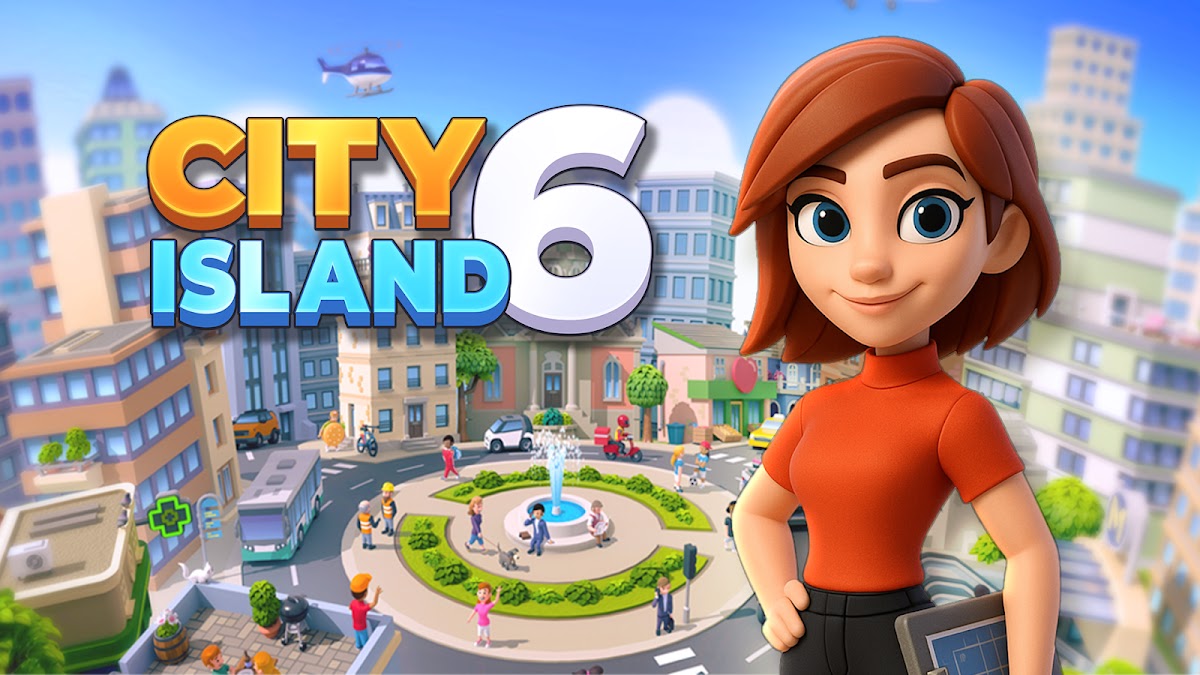
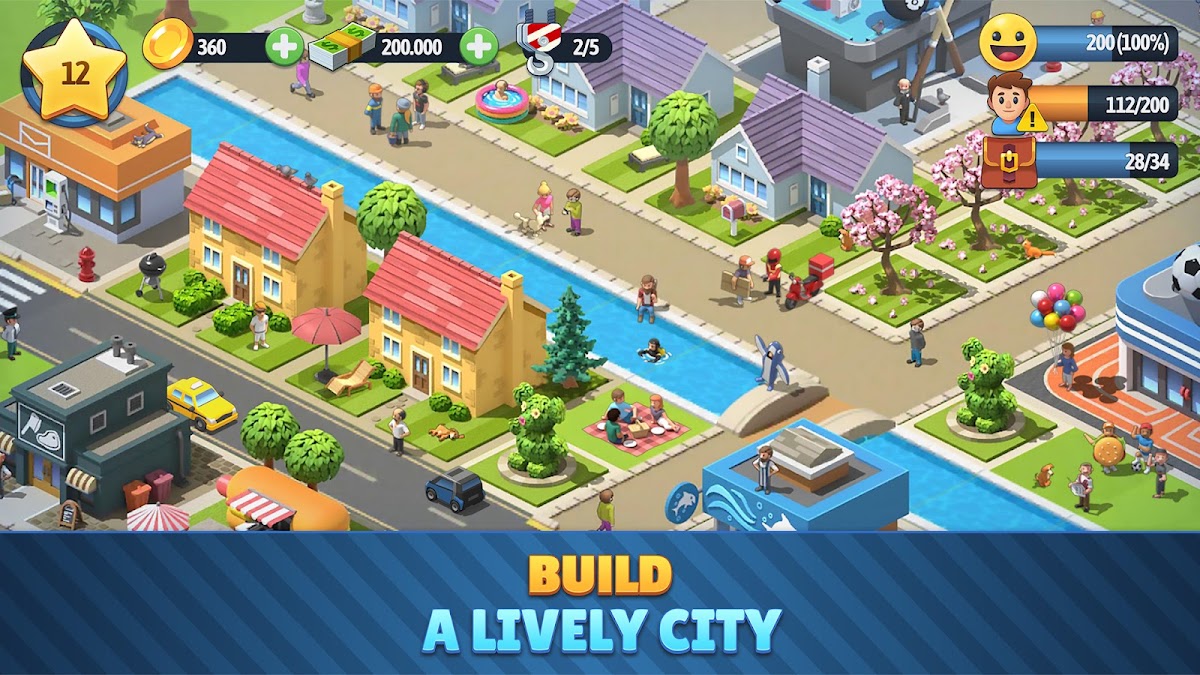
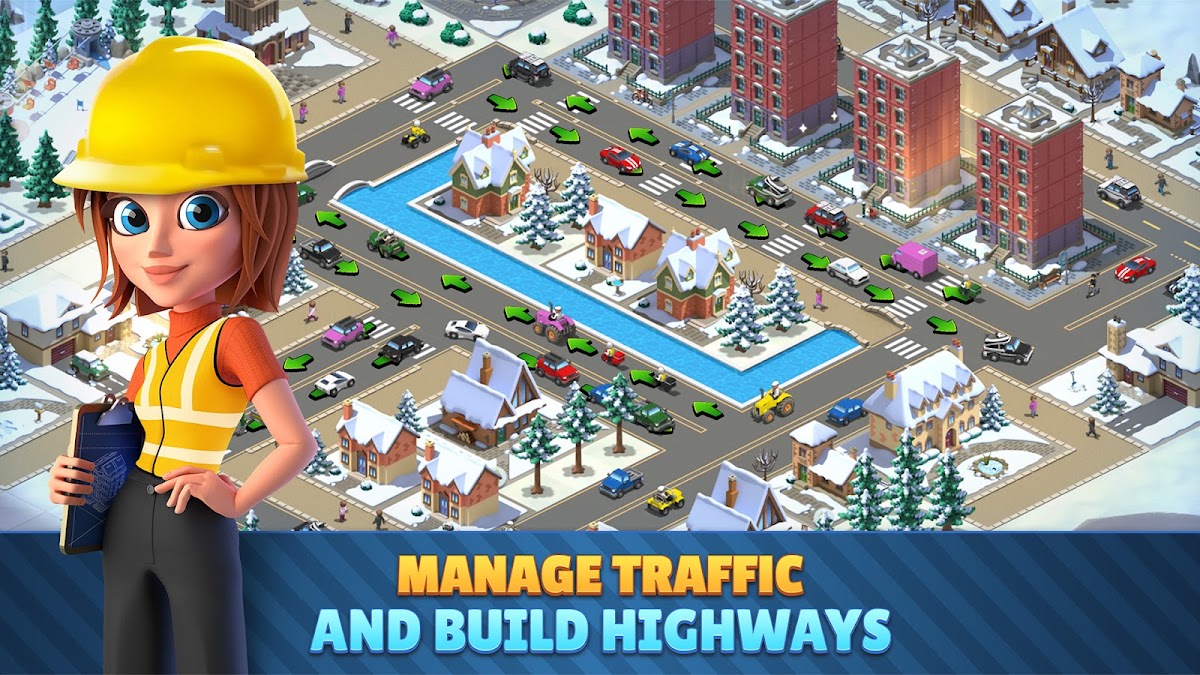
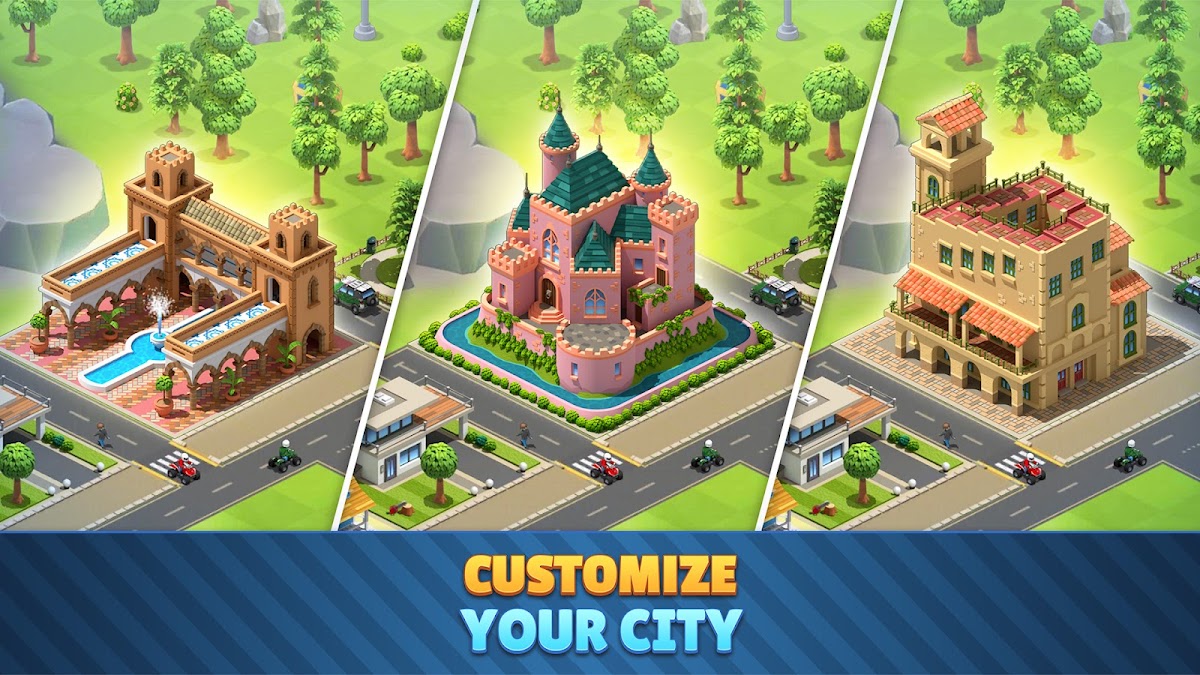
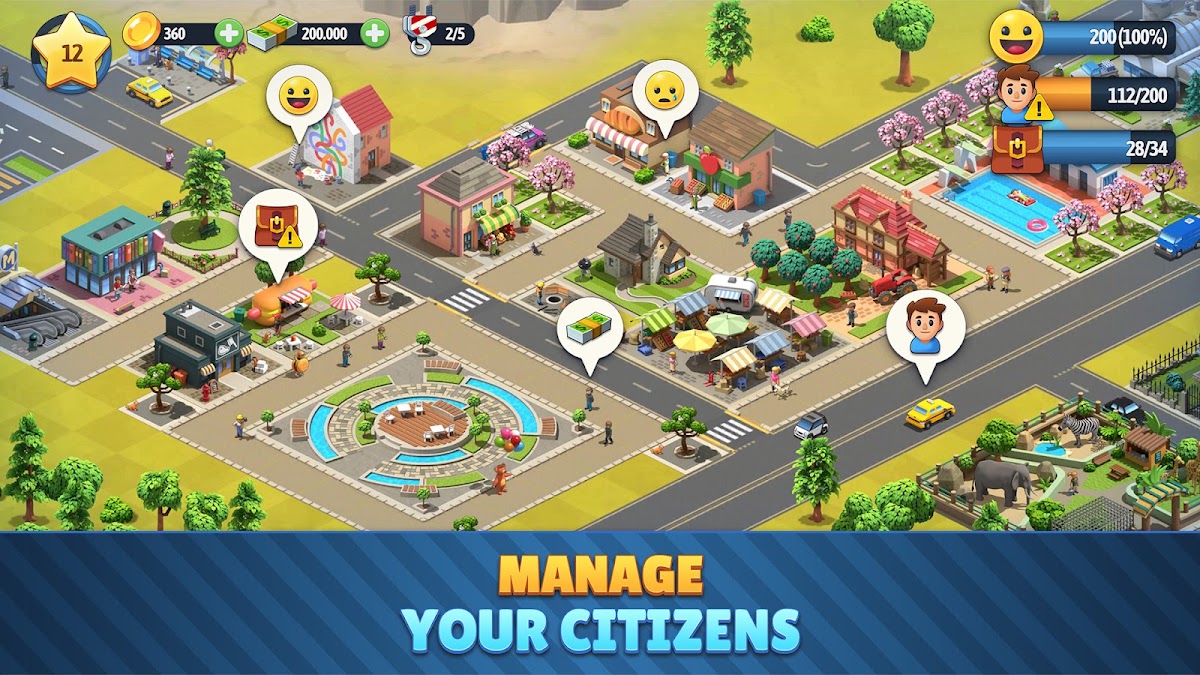
City Island 6 builds its progression around expanding a settlement and unlocking additional islands. Different landscapes give you fresh places to construct, decorate, and develop.
The emphasis is on growing a collection of buildings and shaping attractive towns across those locations. Opening another area provides a change of scenery as well as more space.
Its approachable structure makes it a useful option for players who want visible expansion without starting with a dense transport simulation.
Best suited to: players who enjoy island settings, decorative construction, and repeated opportunities to develop new territory.
Consider before downloading: timers, optional purchases, and multiple currencies influence the pace. Offline play is supported, while connected features require internet access.
8. Township: Build a Town Around a Farm Economy
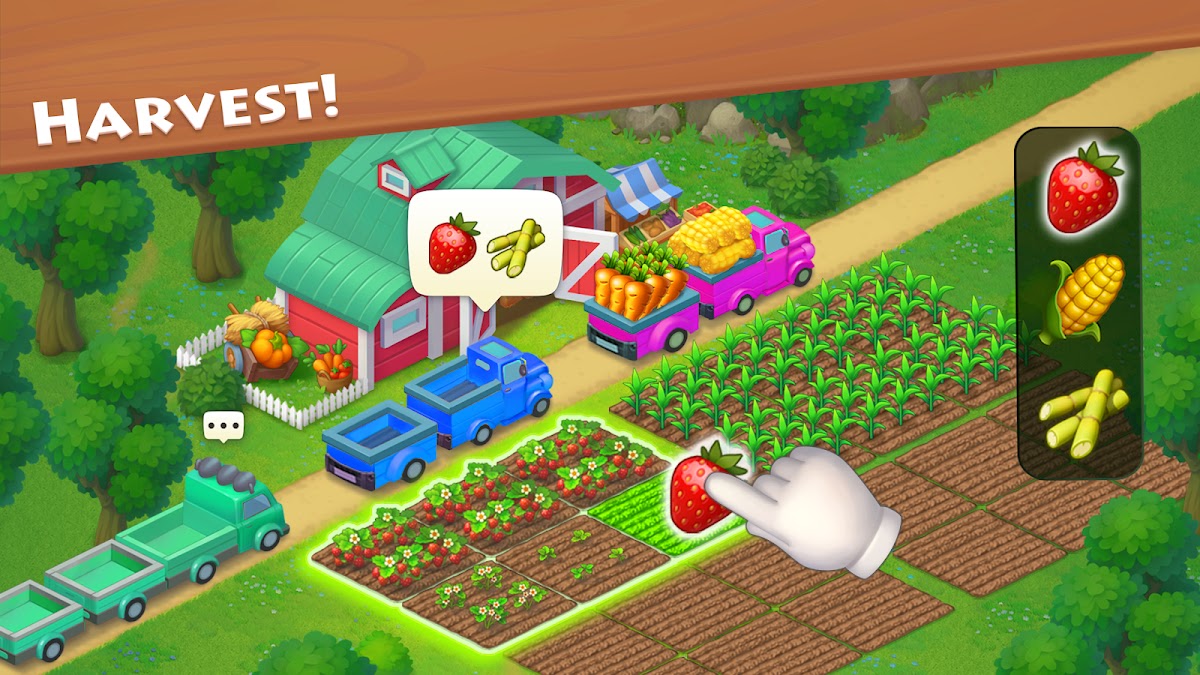
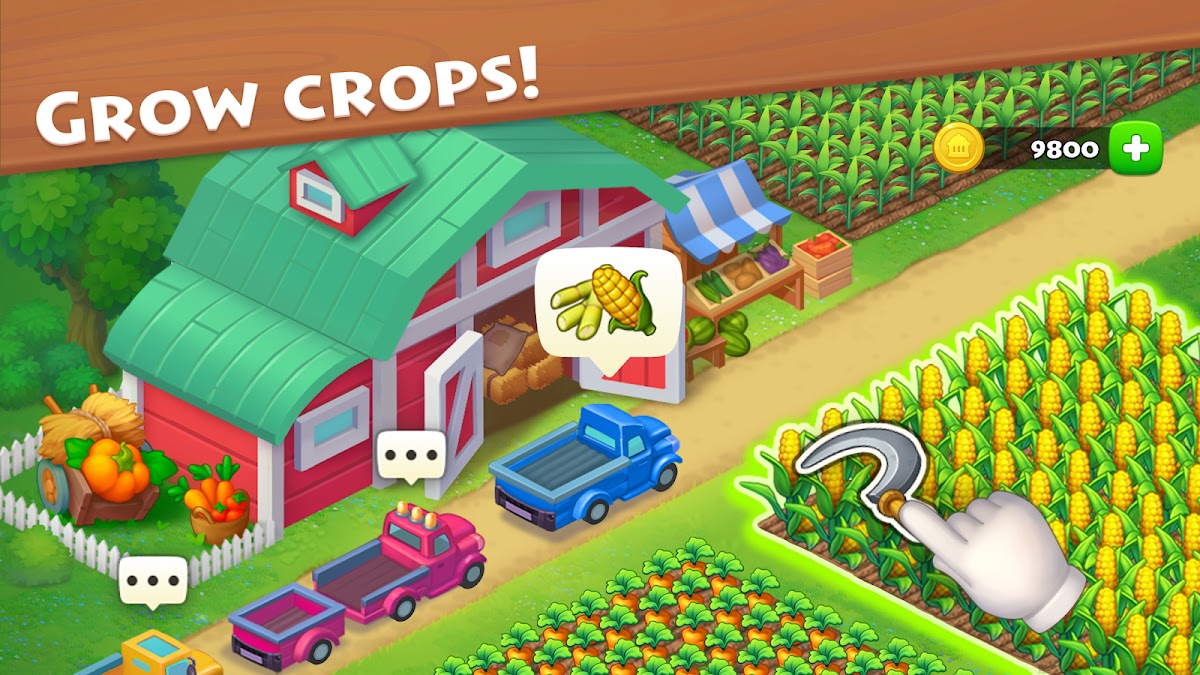
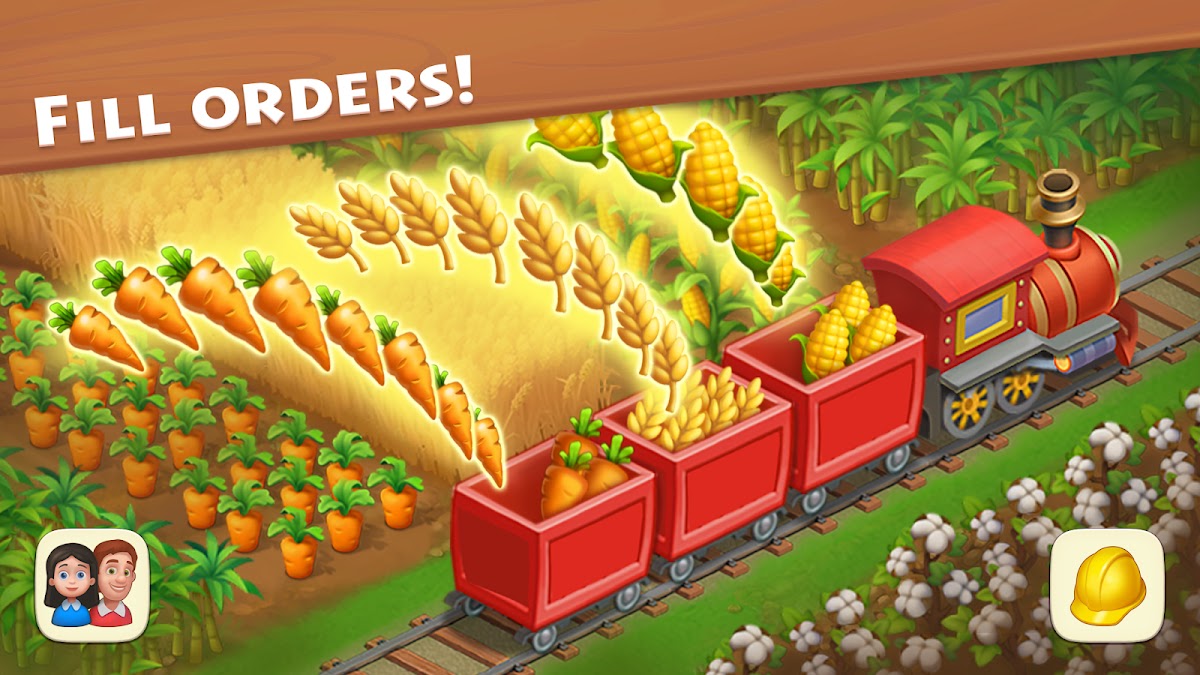
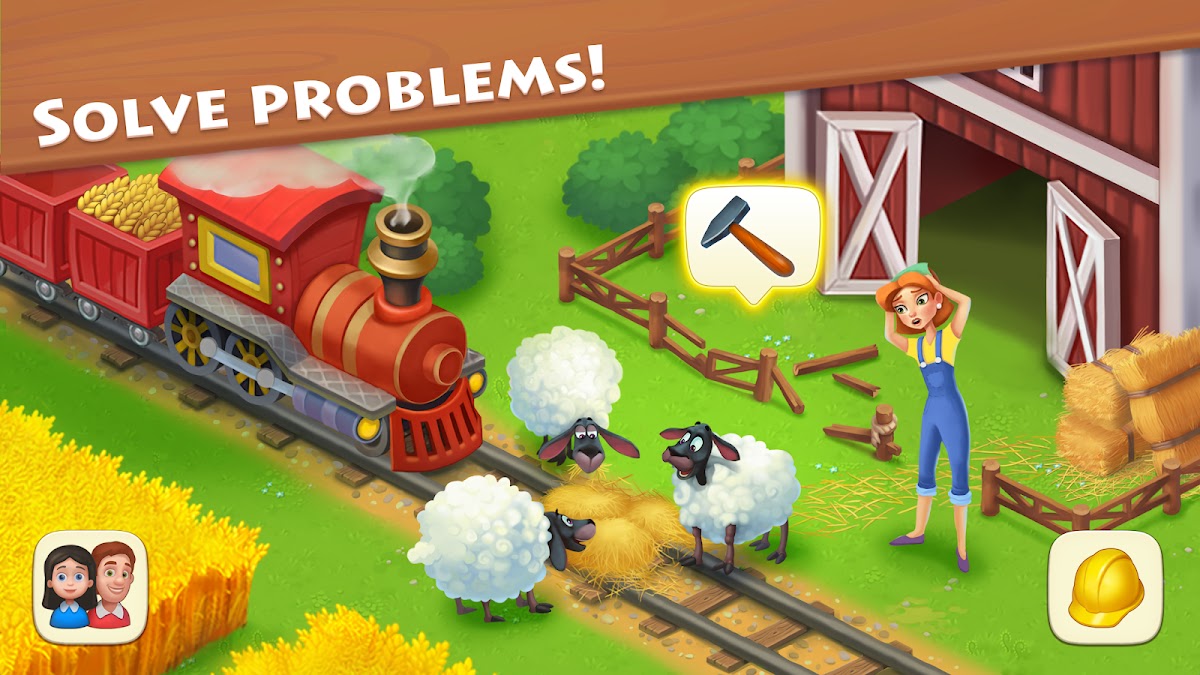
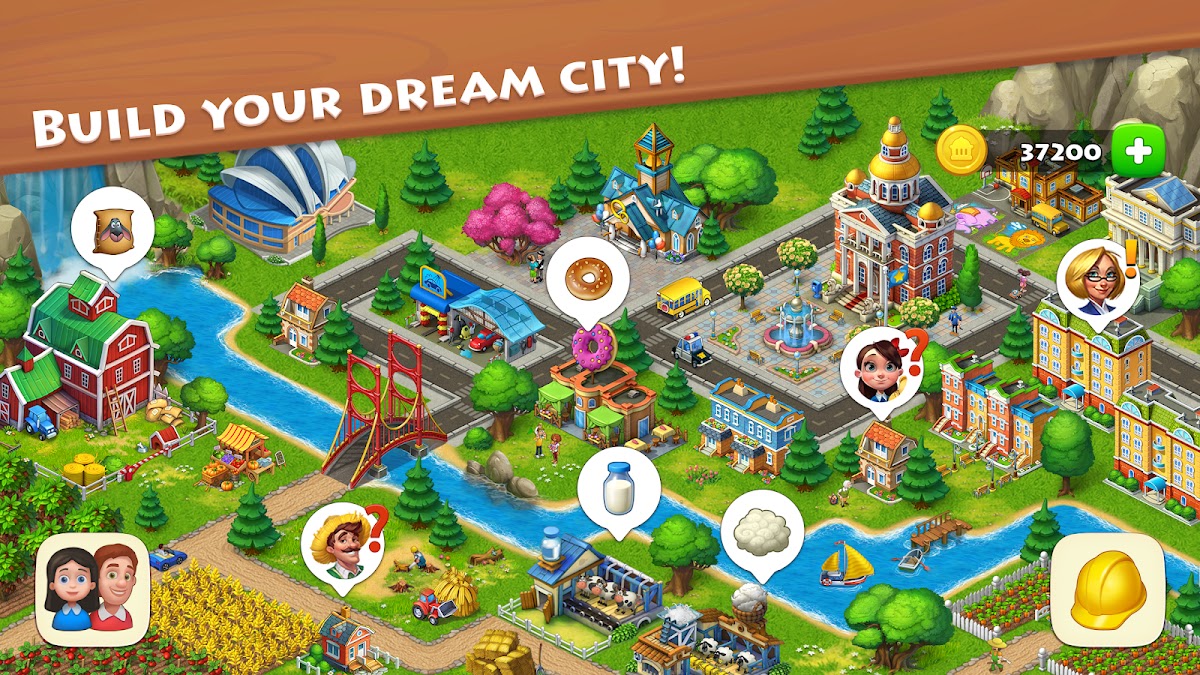
Township links urban growth to agriculture and manufacturing. Fields produce crops, factories turn ingredients into goods, and orders give that production a purpose.
Houses, community buildings, and decorations let you develop the town around this economic cycle. The result suits players who enjoy moving between tending production and improving the settlement.
Township also includes match-3 puzzles, events, and regattas. Those activities are part of its identity and deserve attention when comparing it with more focused city simulators.
Best suited to: players who like farm games and want a broader town-building layer.
Consider before downloading: crop management, manufacturing, and puzzles share your time with construction. Offline play is available, but competitions and additional connected features need an internet connection.
9. Townscaper: Build for the Pleasure of the Architecture
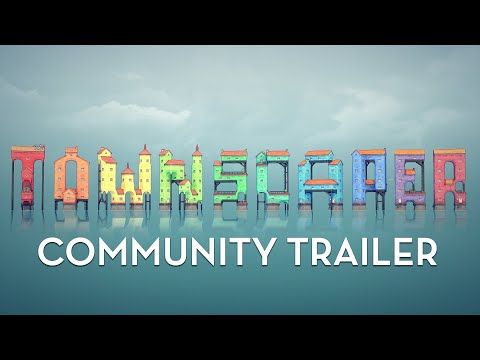
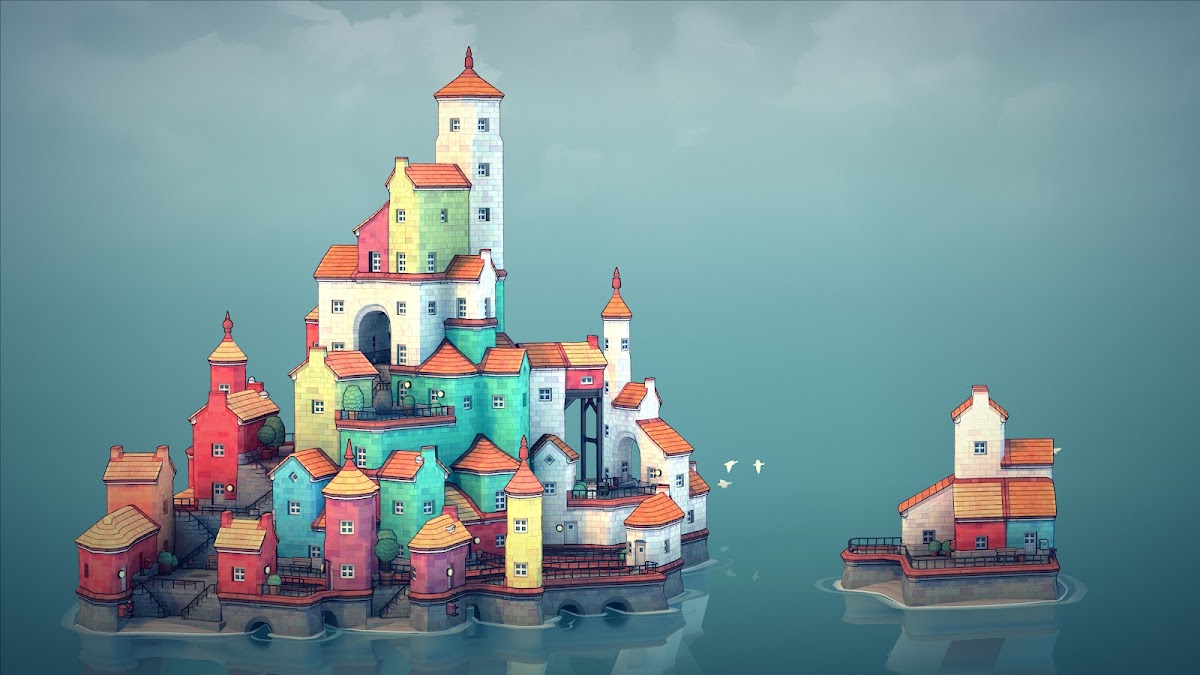
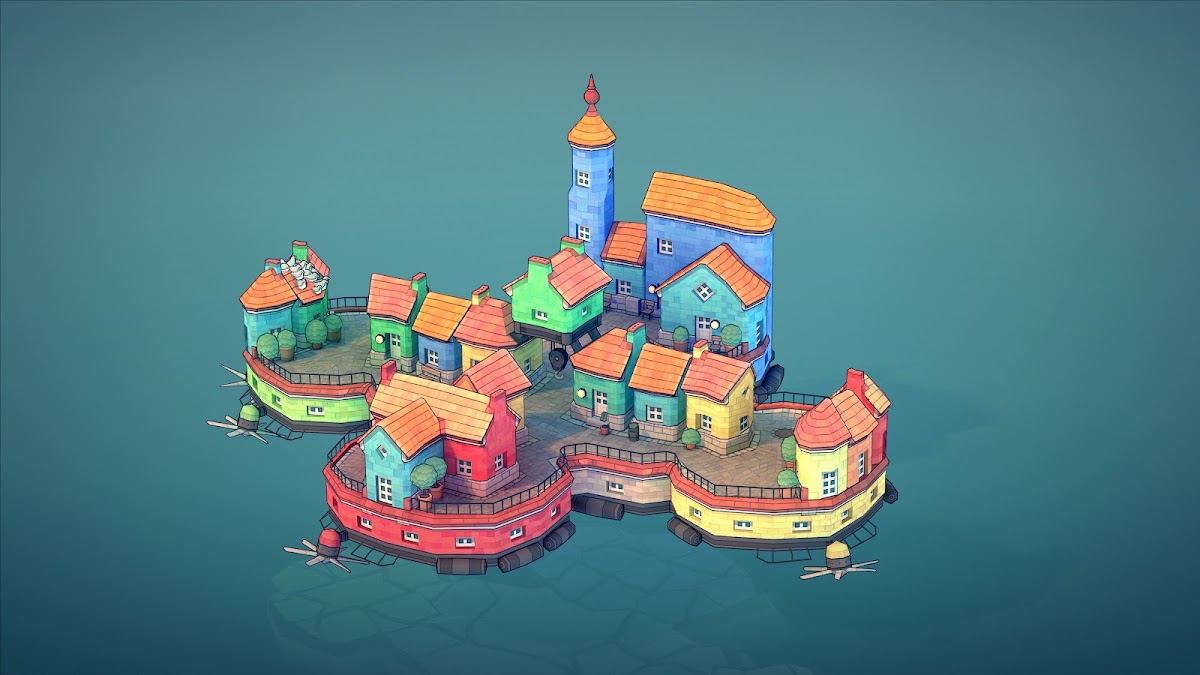
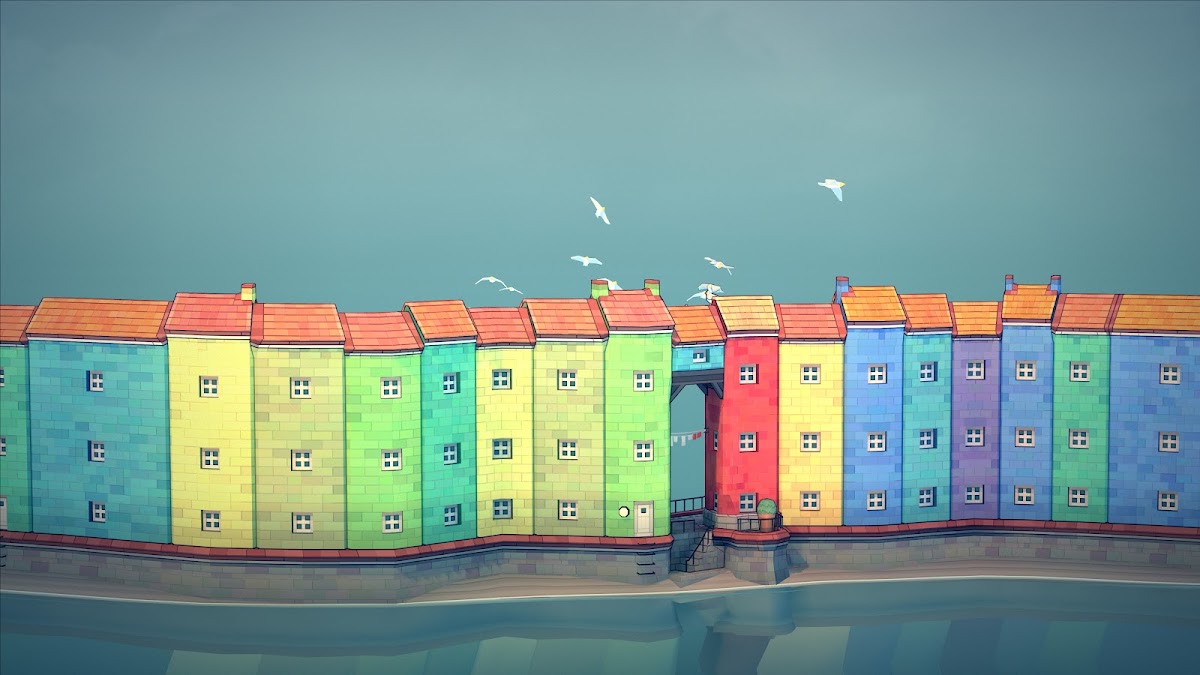
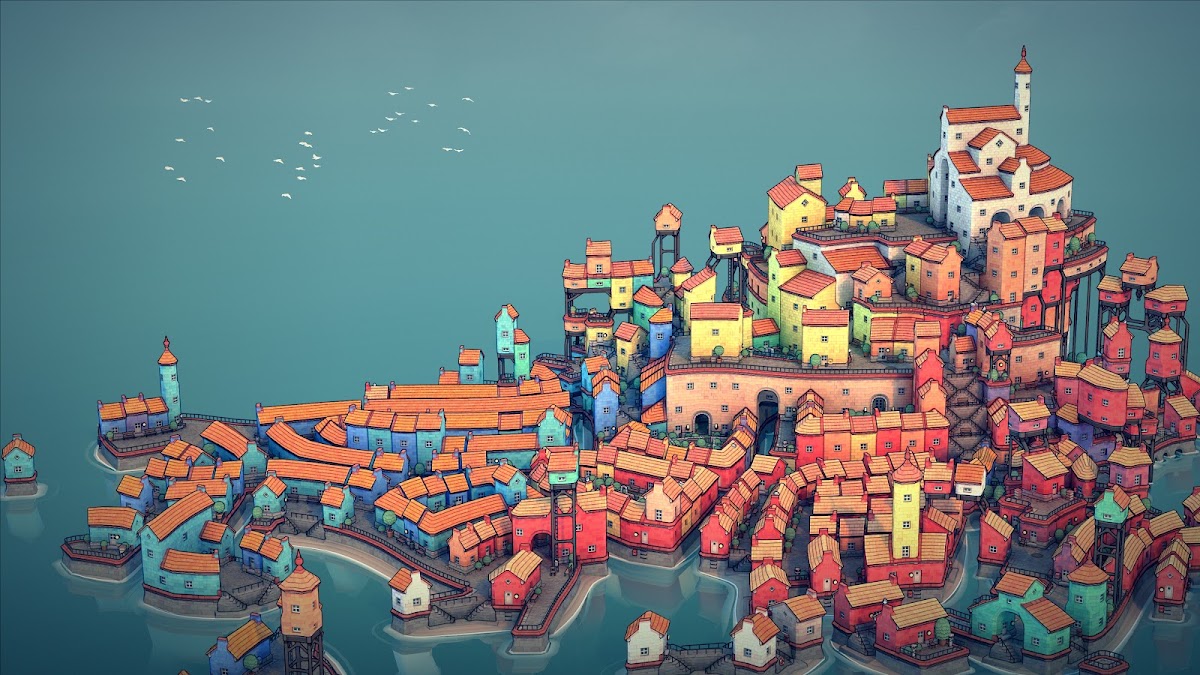
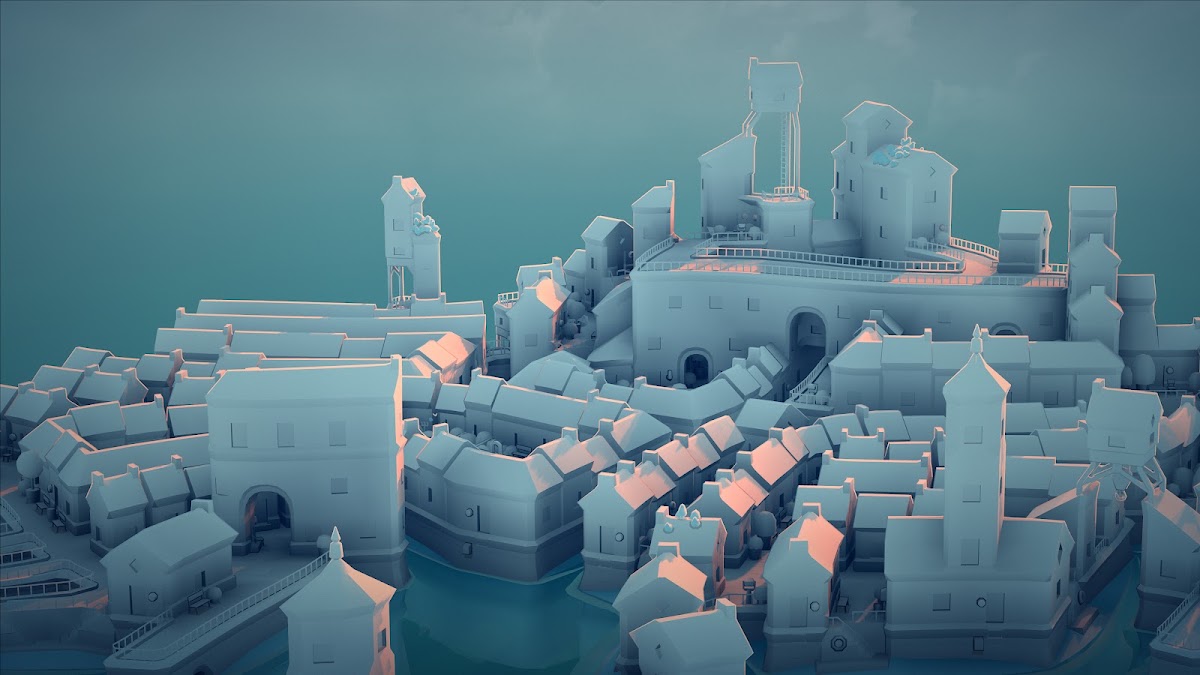

Townscaper starts with water, a color palette, and a grid. Place blocks, add height, remove sections, and the construction system turns those choices into houses, arches, stairways, and courtyards.
There is no municipal budget to balance or population target to reach. The interest comes from discovering how structures change as you build beside, above, or around them.
A tiny waterfront village can become a dense cluster of towers and elevated passages. You decide when it feels finished.
Best suited to: players who want creative building without economic pressure or prescribed objectives.
Consider before downloading: Townscaper is an architectural toy rather than a management simulation. Players looking for traffic problems, production chains, or citizen needs should choose another entry.
10. Steam City: Industry in a Steampunk Metropolis
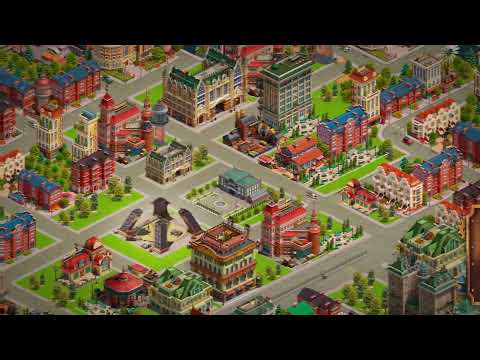
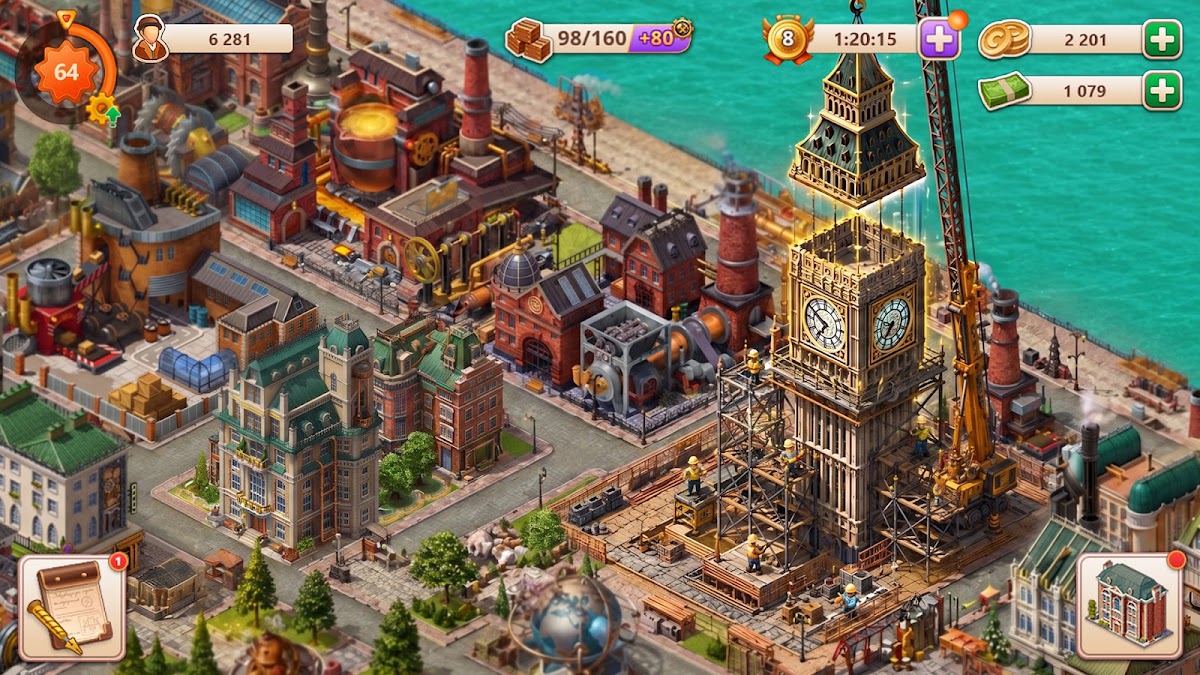
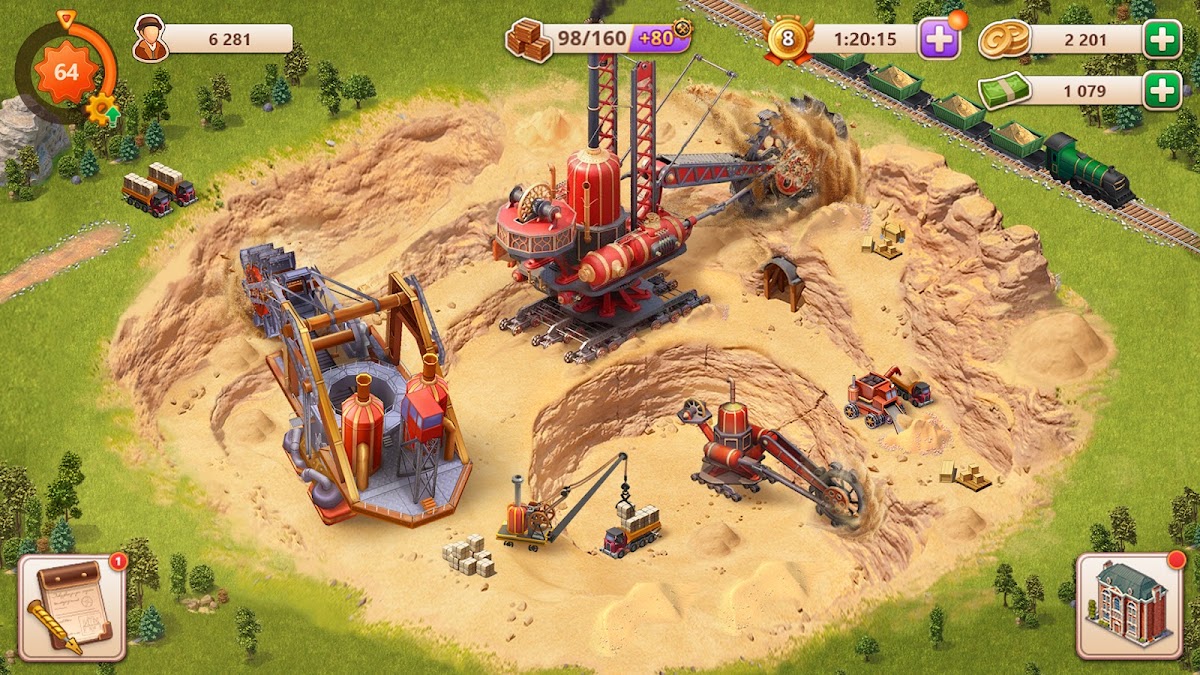
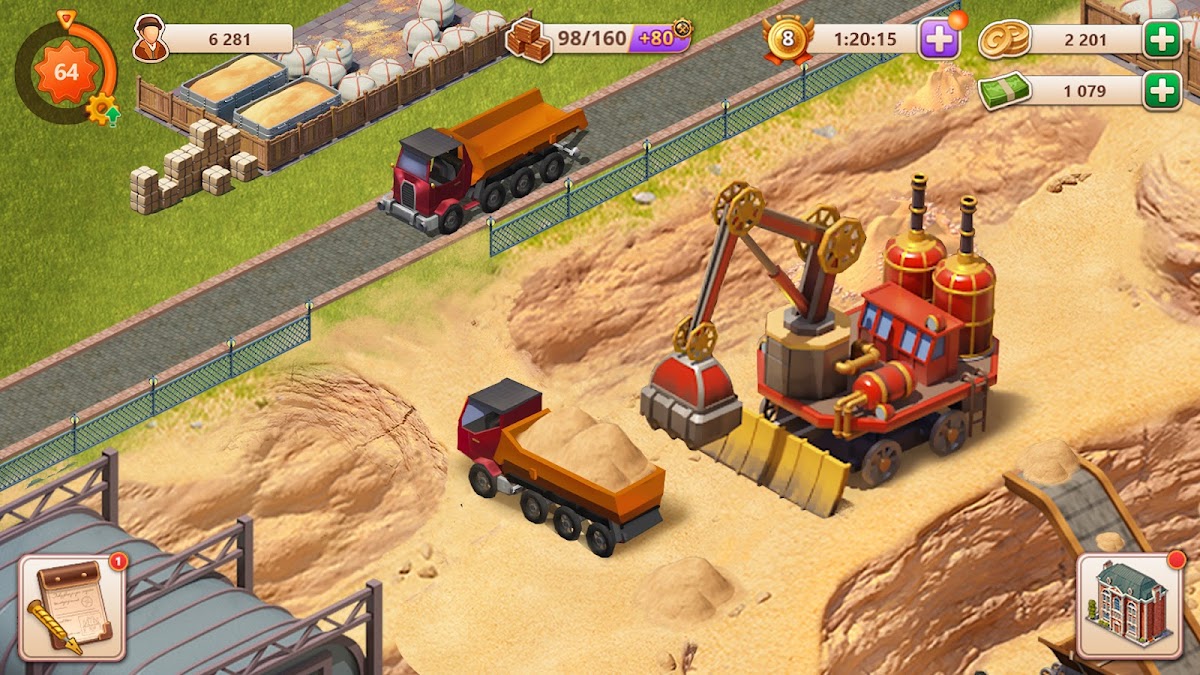
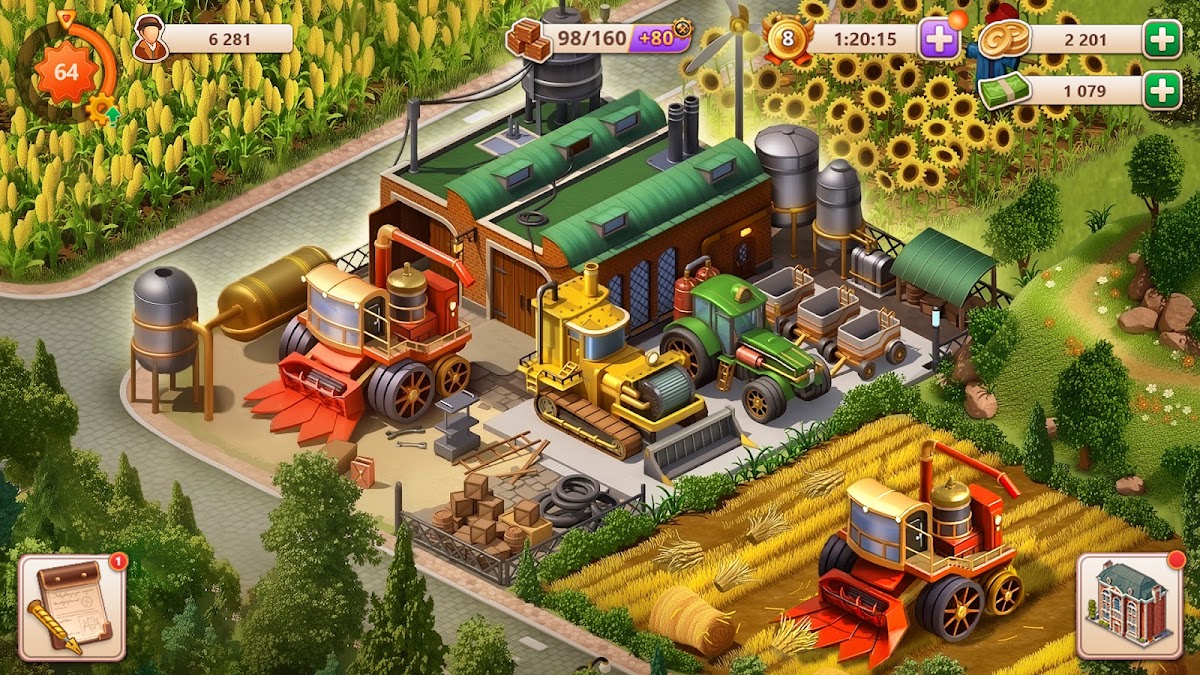
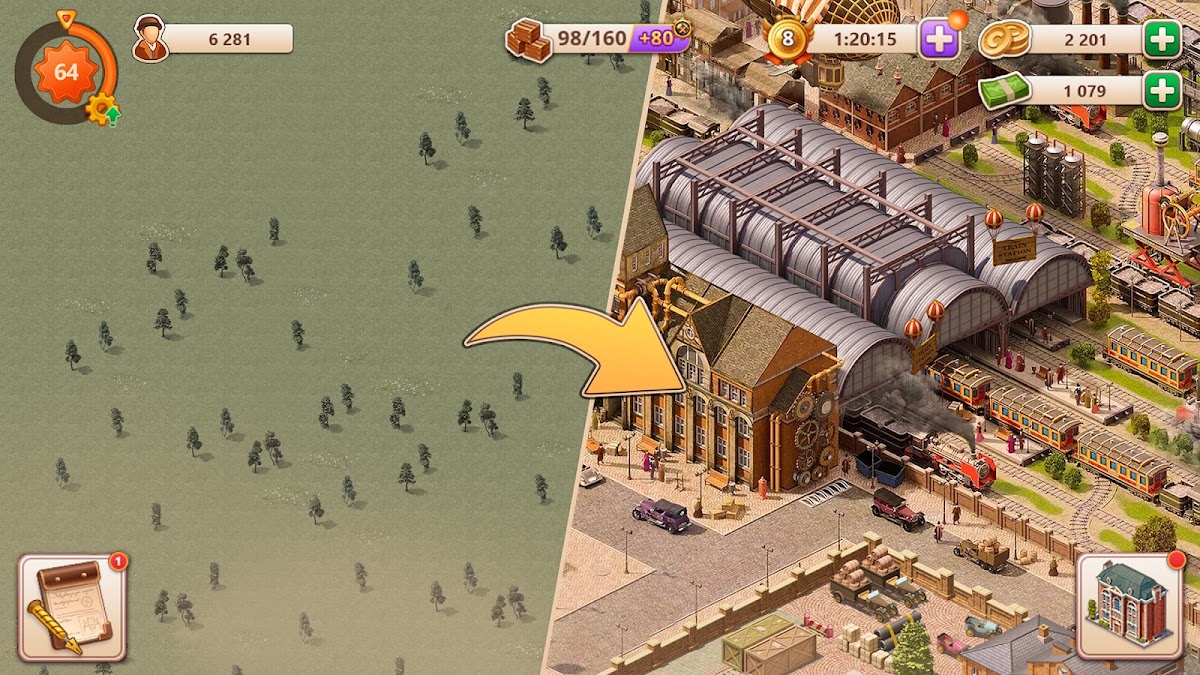
Steam City gives familiar construction and production mechanics a Victorian, retrofuturistic setting. Its city grows through resource extraction, factories, trade, and territorial expansion.
The industrial theme supports the main decisions: which materials to produce, what to sell, and how to prepare for the next development goal. Factories belong at the center of the experience.
Its distinctive setting makes it worth considering if modern skyscrapers and suburban housing no longer appeal.
Best suited to: players who enjoy manufacturing systems and want a steampunk alternative to a contemporary city.
Consider before downloading: production chains and task completion drive progression. Choose it for an industrial development game rather than expecting a detailed traffic simulator.
11. Elvenar: Develop a Fantasy City of Humans or Elves

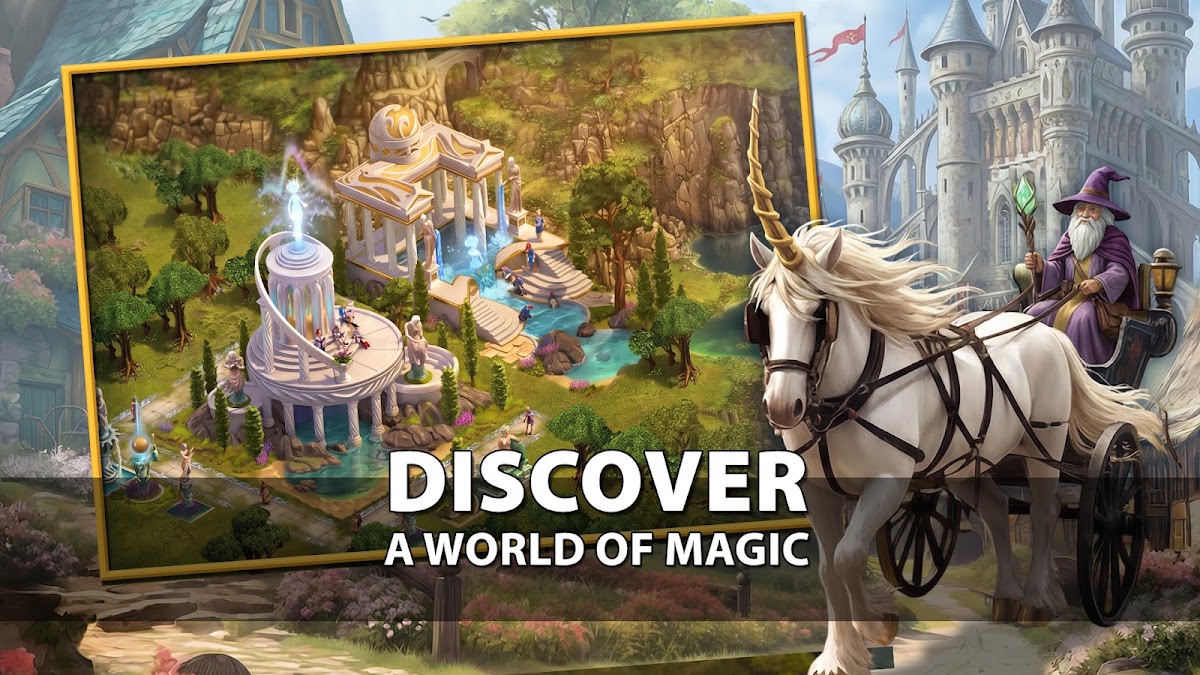
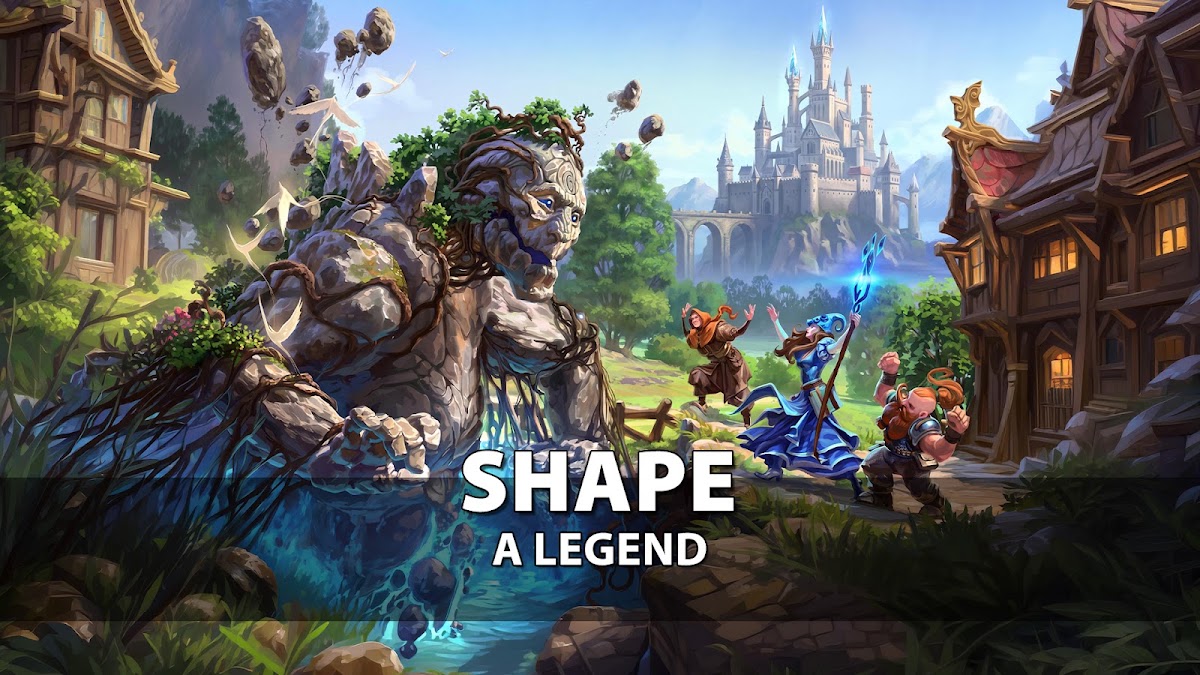
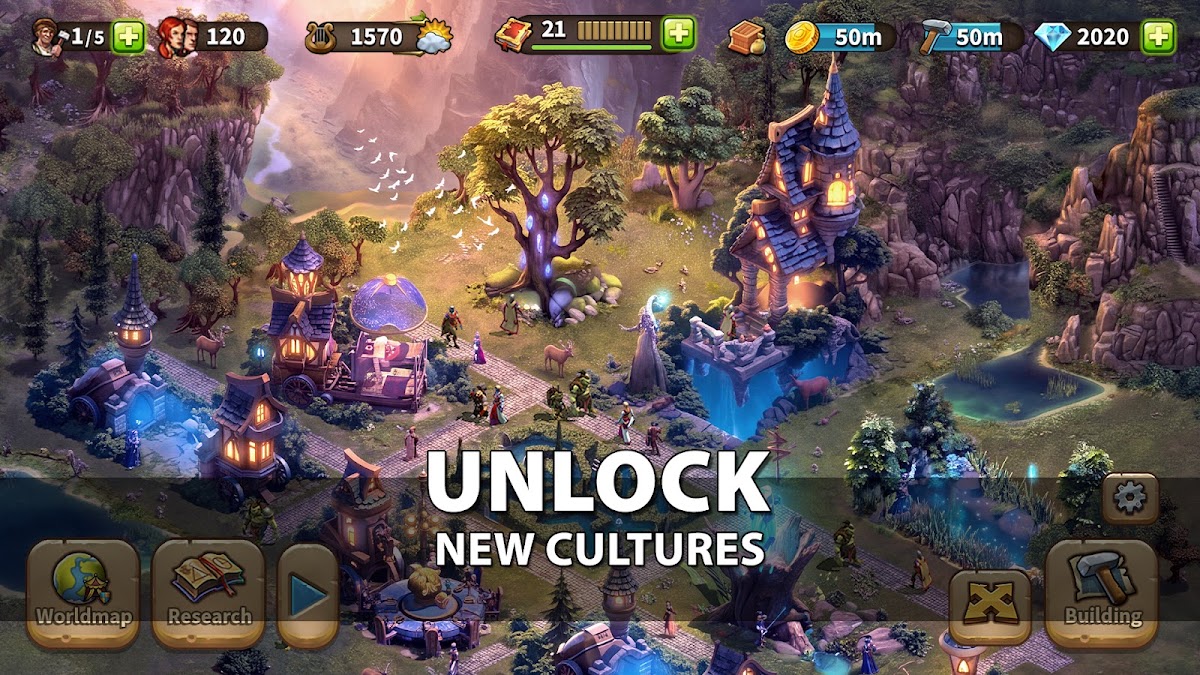
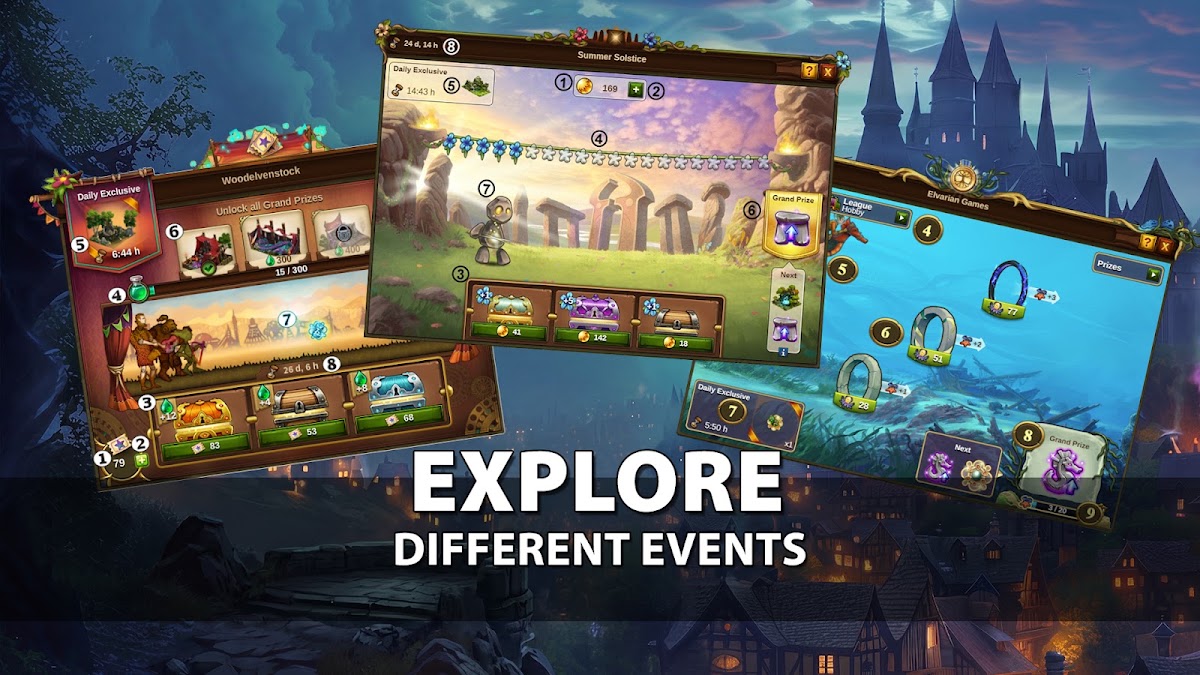
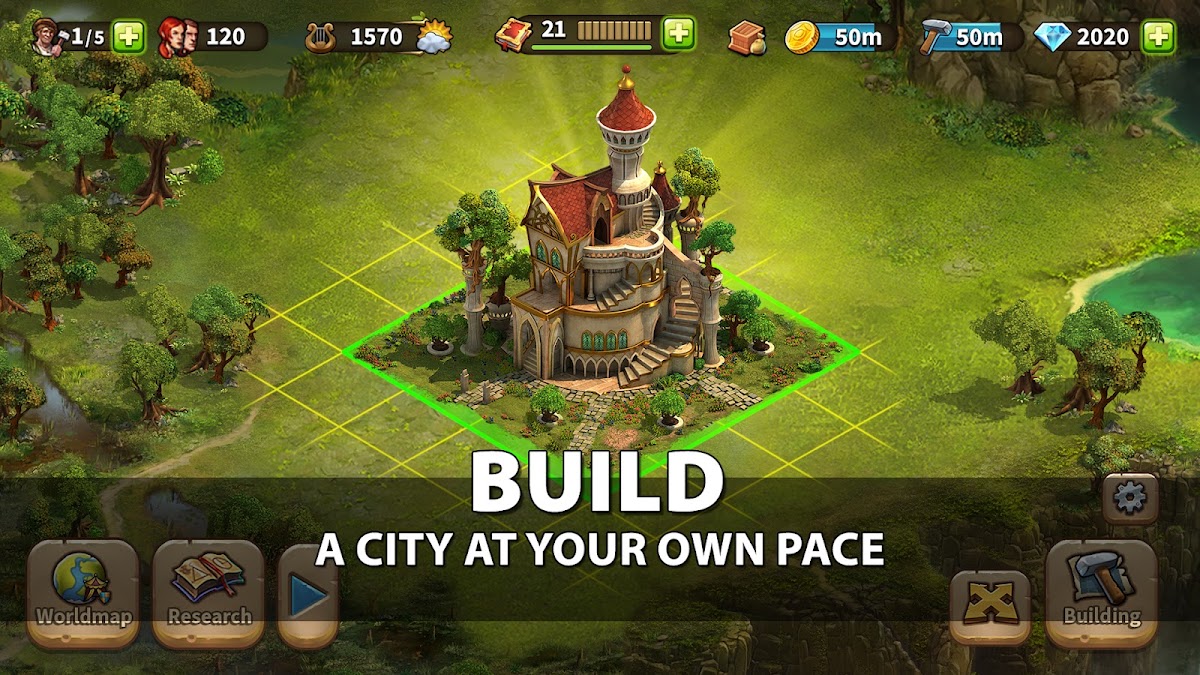
Elvenar lets you choose humans or elves and establish a city with a corresponding architectural identity. Construction is tied to production, trade, and research as your settlement grows.
Space becomes a planning concern because homes, workshops, and other buildings must fit into the available territory. Expansion means finding room for the next stage of development while maintaining the production behind it.
The fantasy setting is central to the appeal, offering an alternative to modern roads and industrial skylines.
Best suited to: players who enjoy research-led progression, fantasy architecture, and organizing a compact settlement.
Consider before downloading: this is an online city-building strategy game. Production and technological development play a larger role than realistic transport or utility networks.
12. Forge of Empires: Take a City Through the Ages
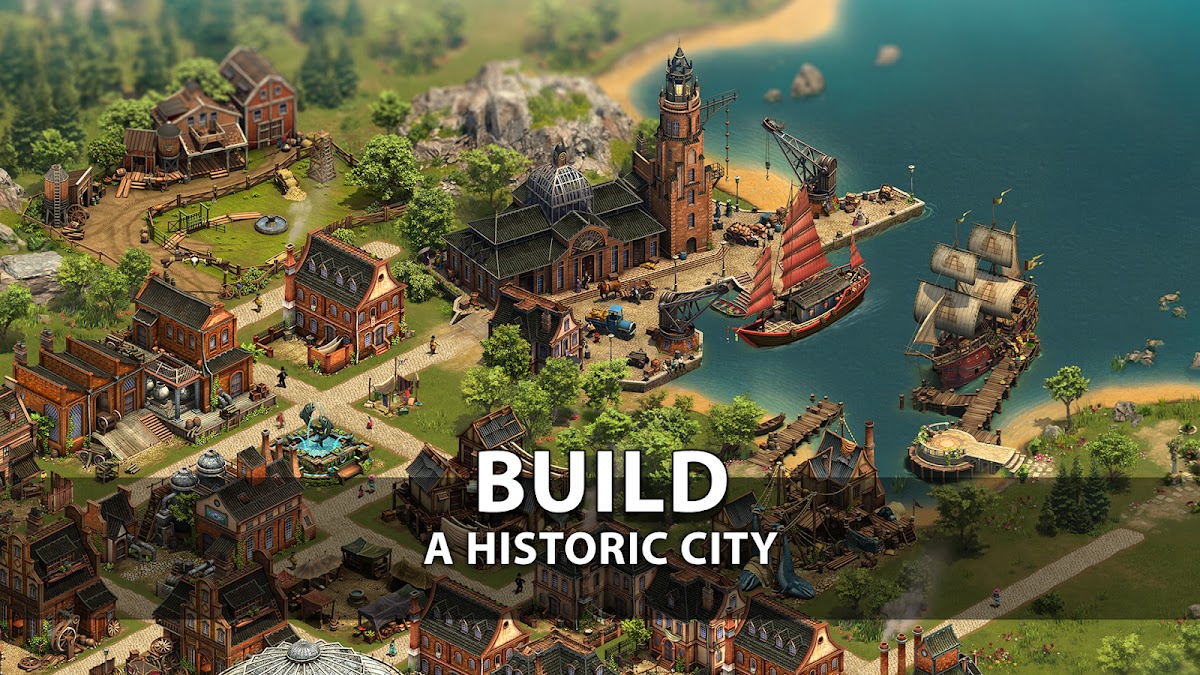
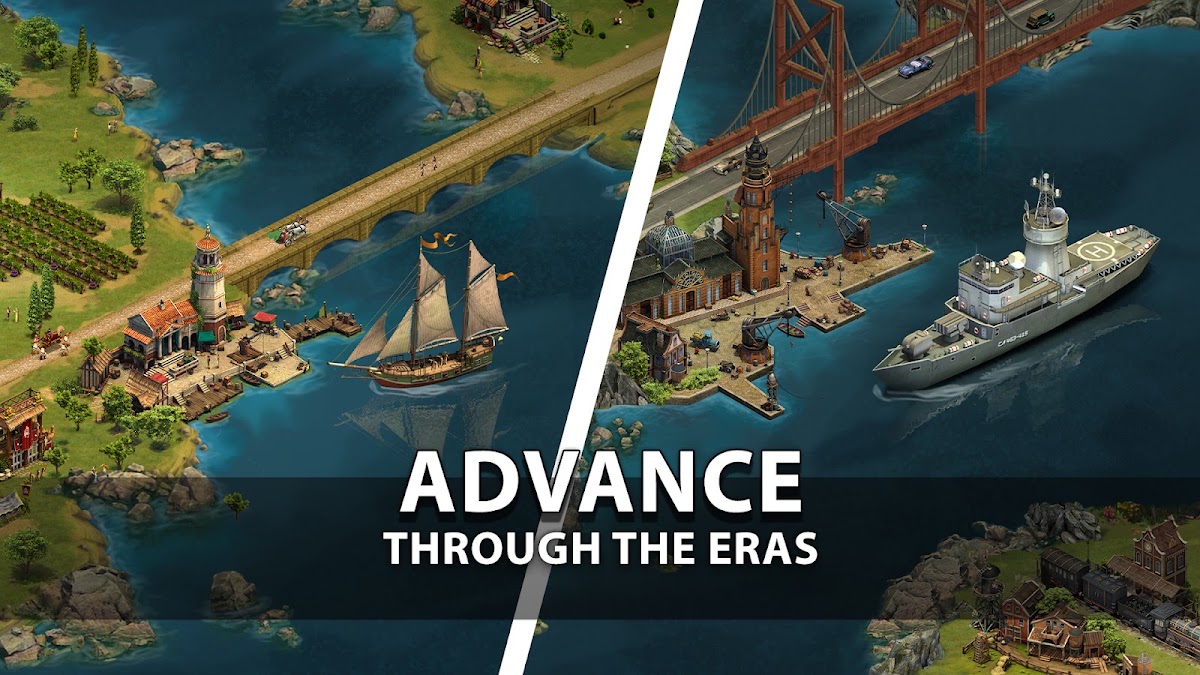
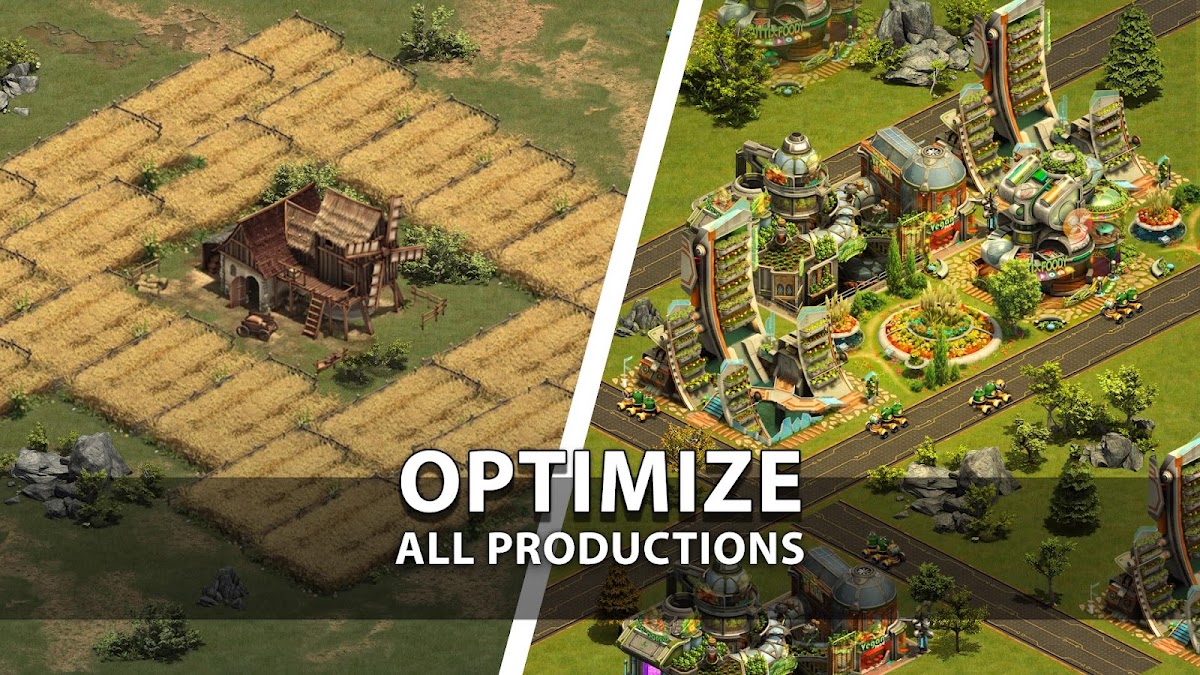
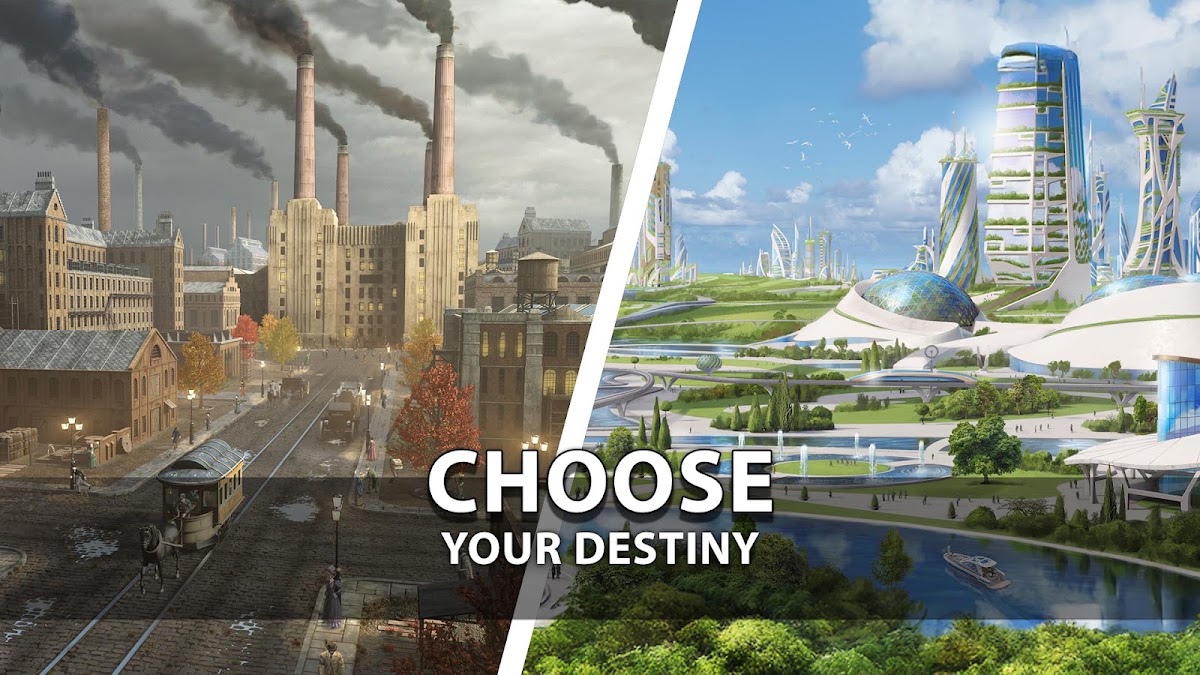

Forge of Empires makes technological progress the backbone of city growth. A settlement develops through historical ages, introducing new buildings, goods, and opportunities along the way.
Advancing gives you reasons to reconsider the city layout as its economy changes. Construction connects with research, resource production, and trade.
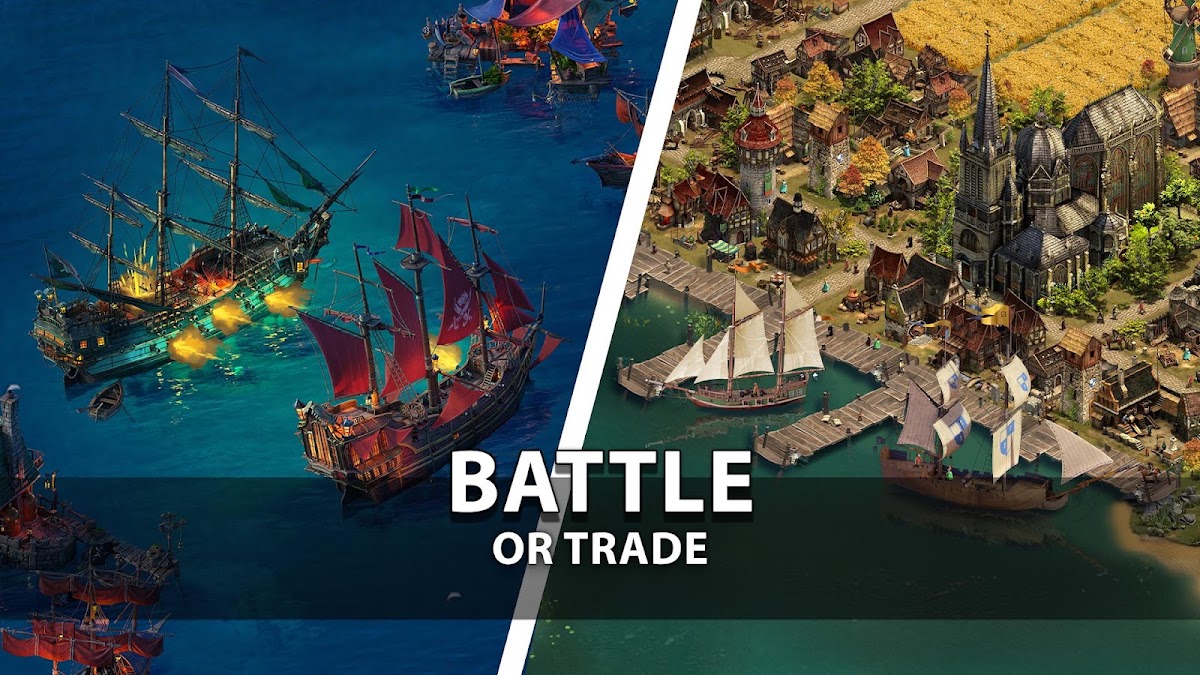
There is also a wider strategy layer involving territories, negotiation, and battles. That makes the game suitable for players who want their city to support an ongoing campaign rather than exist purely as a design project.
Best suited to: players who enjoy historical progression and a mix of building, research, and strategy.
Consider before downloading: combat and wider progression compete with construction for attention. An internet connection is required.
How to Choose Your Next Mobile City Builder
Start with the decisions you want to make.
Choose Pocket City 2, TheoTown, or Designer City 2 for urban planning. Their appeal includes the relationship between housing, jobs, transport, and services. TheoTown particularly suits players who enjoy revisiting road and district layouts.
Choose Global City, Megapolis, or Steam City for production and construction goals. These games give expansion an economic framework: materials and completed projects create the next opportunity to grow.
Choose City Island 6 or Township for settlement growth with other activities. Island development distinguishes the former; farming and manufacturing define the latter.
Choose Townscaper for uninterrupted architectural experimentation. You can concentrate on form, color, and layout without managing a city economy.
Choose Elvenar or Forge of Empires for research and long-term strategy. Their cities develop as part of a wider progression system.
SimCity BuildIt sits between several of these interests, combining modern city development with production, services, and social activities.